





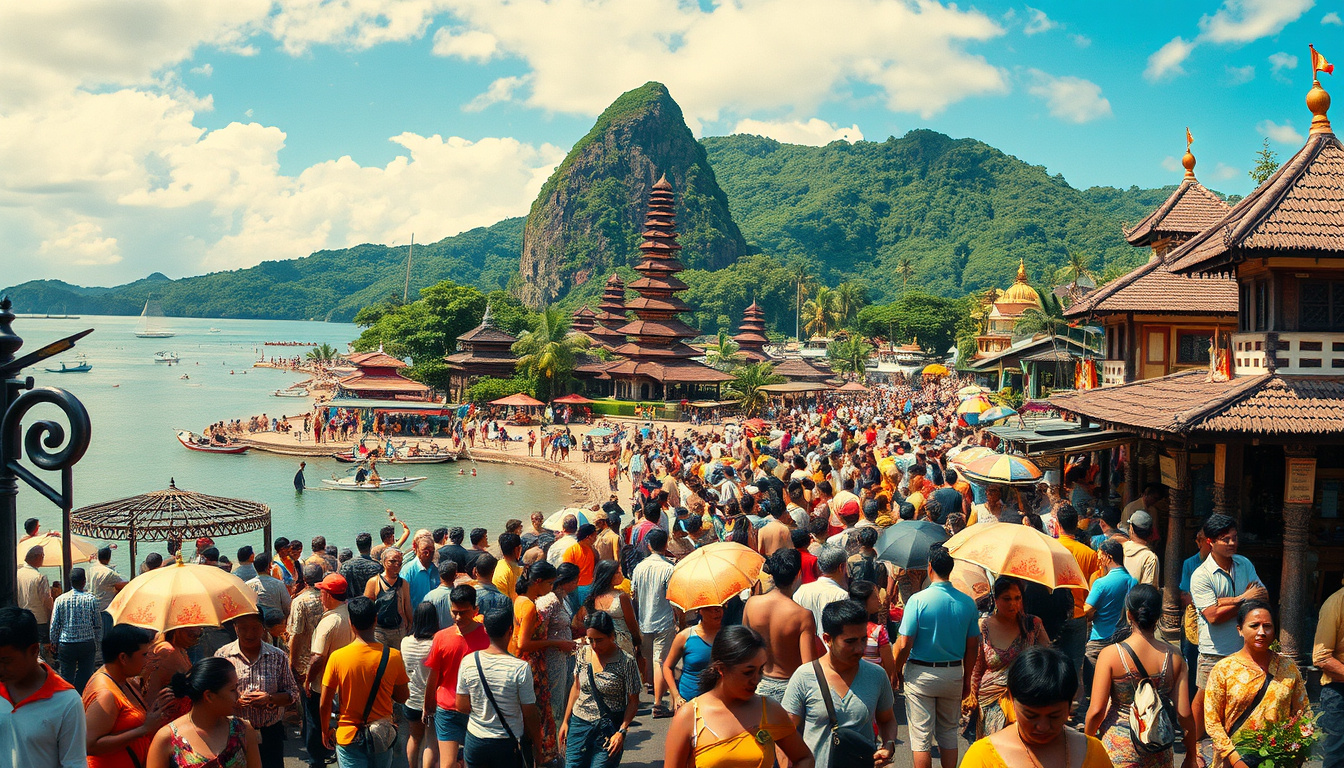


Tourists Visiting Bali Must Prepare for Weather Challenges Amid Increased Earthquakes and Flooding
As travelers plan their upcoming trips to the Indonesian island of Bali, it is essential to be aware of recent natural events that may affect travel safety and convenience. In the past several weeks, Bali along with other parts of Indonesia has experienced heightened seismic activity combined with the seasonal monsoon rains, leading to increased risks such as earthquakes and flooding. Visitors to the island are urged to take these factors into account during their preparations to ensure a safe and enjoyable trip.
Rising Seismic Activity and Its Impact
Indonesia sits along the Pacific Ring of Fire, a region known for frequent seismic activity, including earthquakes and volcanic eruptions. While some level of tremors is common throughout the year, recent weeks have seen a notable rise in the number and intensity of earthquakes affecting Bali and nearby areas. This increase has raised safety concerns both among residents and the substantial tourist population.
Bali is accustomed to managing seismic risks, with infrastructure designed to withstand quakes to a reasonable degree. Nonetheless, heightened seismic activity can still lead to landslides, structural damage, and disruption of transportation routes. Local authorities have urged calm and implemented enhanced monitoring and control measures to support the safety and orderly response of residents and tourists alike during this period of aftershocks.
Monsoon Season and Flooding Risks
Concurrent with the seismic challenges, Bali is entering the monsoon season, which typically lasts from November through March and brings heavy rainfall to the island. The combination of intense rains and Bali’s mountainous terrain significantly increases the risk of flash flooding. Floodwaters have the potential to disrupt travel by flooding roads, collapsing riverbanks, and isolating key tourist sites and local communities.
Flooding has already affected popular destinations including Ubud, Mount Agung, and Uluwatu, with temporary closures of hiking trails, beaches, and access roads. Tourist camps and frequented public areas near rivers are particularly vulnerable to sudden flash floods. Visitors are advised to remain vigilant, avoid high-risk flood zones, and prepare for sudden changes in weather.
Safety Recommendations for Tourists
To navigate these weather challenges safely, tourists visiting Bali should consider the following precautions:
-
Stay Informed: Regularly monitor local news and updates on weather and seismic activity. The Indonesian Meteorological, Climatological and Geophysical Agency (BMKG) provides real-time information online about earthquakes, floods, and volcanic activity.
-
Follow Local Authority Instructions: In case of emergency announcements or evacuations, remain calm and strictly adhere to the guidance provided by official agencies and emergency services.
-
Plan Activities Wisely: Schedule outdoor excursions such as hiking and temple visits during times when rainfall is minimal, typically early morning or late afternoon. Avoid trekking or exploring landslide-prone areas during heavy rain.
-
Prepare for Emergencies: Familiarize yourself with evacuation routes and emergency contacts at your accommodation. Ensure you have appropriate travel insurance that covers natural disasters.
-
Pack Suitable Gear: Bring waterproof clothing and protective rain gear to stay comfortable amid unpredictable showers.
-
Have Alternative Plans: Be ready to switch to indoor activities like visiting museums, art galleries, or shopping centers on days with severe weather.
Bali’s Adaptation and Future Tourism Outlook
The Bali tourism sector is proactively adapting to the island’s natural challenges by enhancing disaster response protocols and strengthening infrastructure to withstand earthquakes and flooding. Hotels, restaurants, and transport operators regularly conduct emergency drills and prioritize staff training on evacuation and safety procedures. Many buildings incorporate anti-seismic and disaster-resistant construction materials to improve resilience.
Despite the increased frequency of natural events linked to climate change, Bali remains one of the world’s premier tropical destinations, beloved for its cultural richness, stunning landscapes, and vibrant modern attractions. The island is committed to sustainable tourism development that balances visitor enjoyment with environmental stewardship and disaster preparedness.
Conclusion
Tourists planning to visit Bali during this season should approach travel with caution and awareness of the current seismic and weather conditions. By staying informed, respecting local guidelines, and preparing adequately for the challenges posed by earthquakes and monsoon rains, visitors can continue to experience the beauty and charm of Bali safely. Responsible tourism and resilience-building efforts will ensure that Bali remains a treasured destination well into the future.



Add a comment