





Thailand-Cambodia Border Conflict Boosts Tourism in Indonesia’s Bali as Visitors Seek Safer Destinations
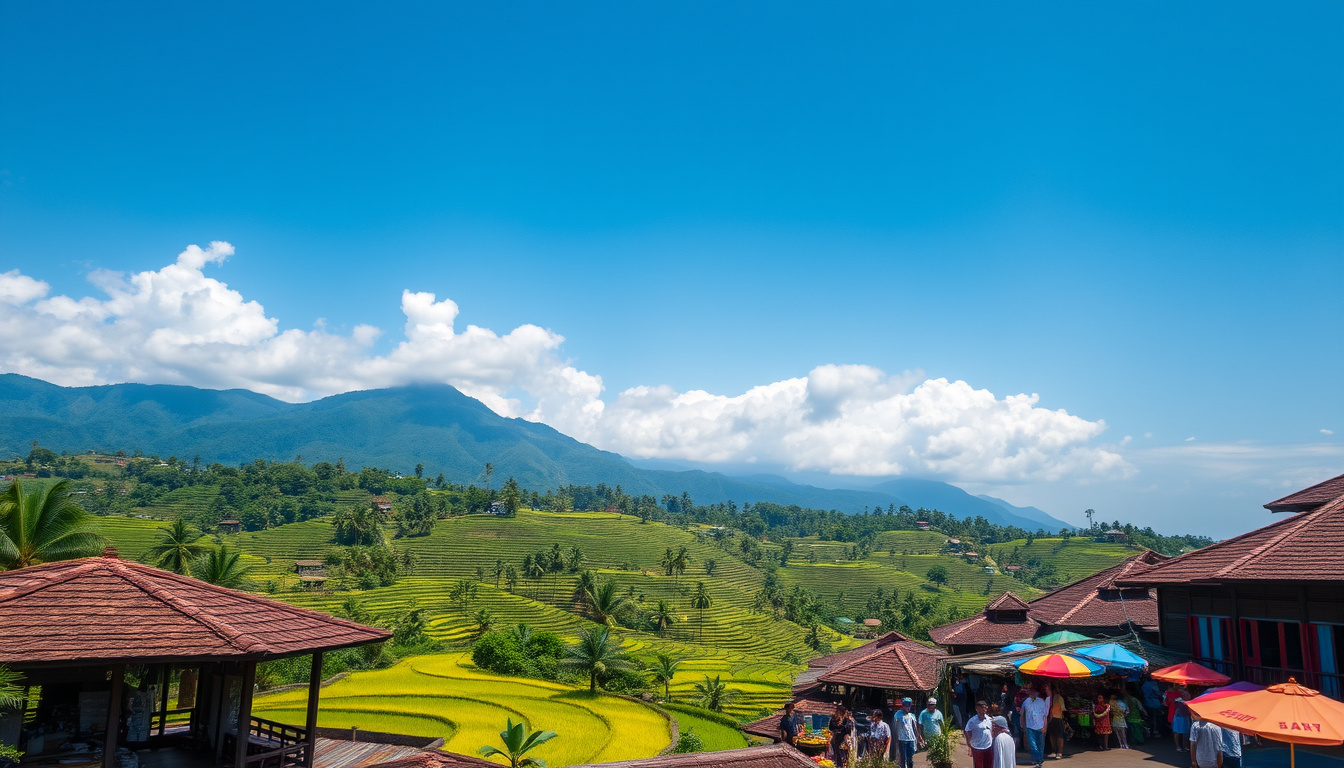
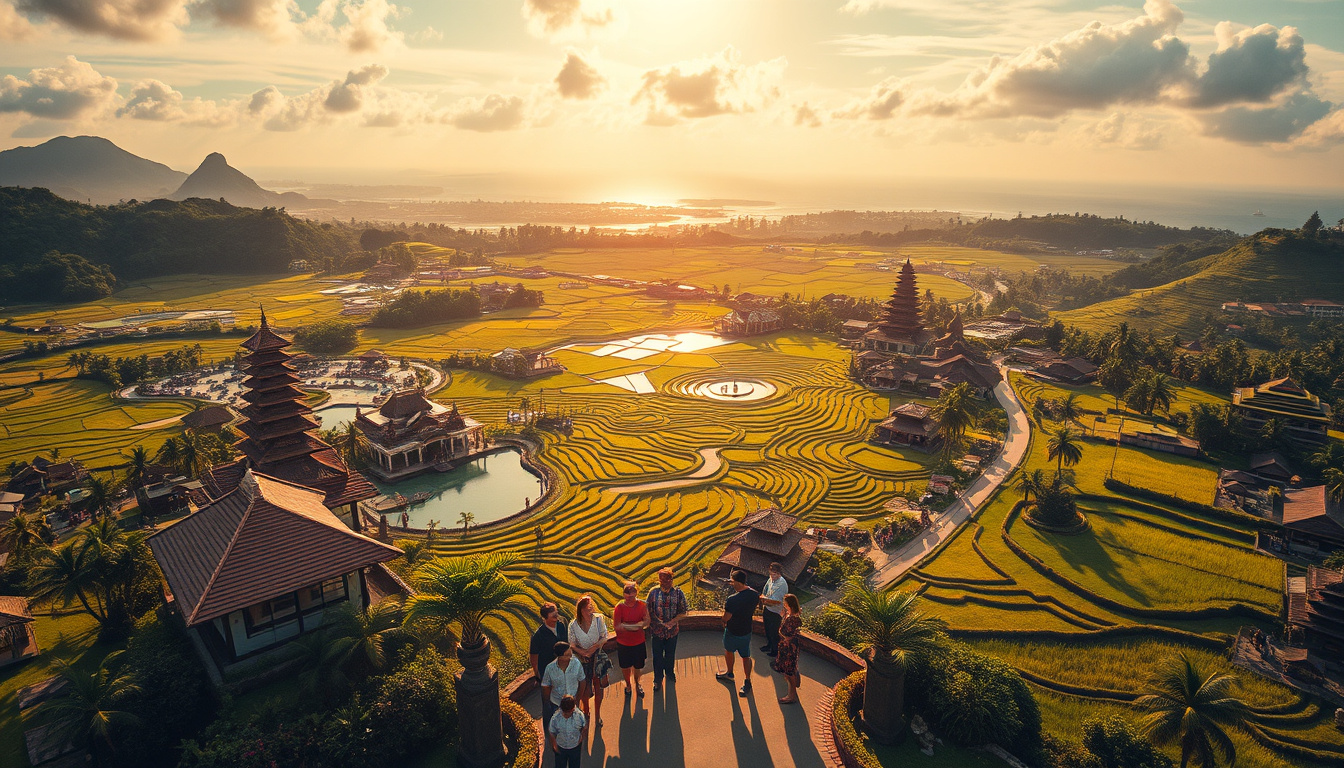
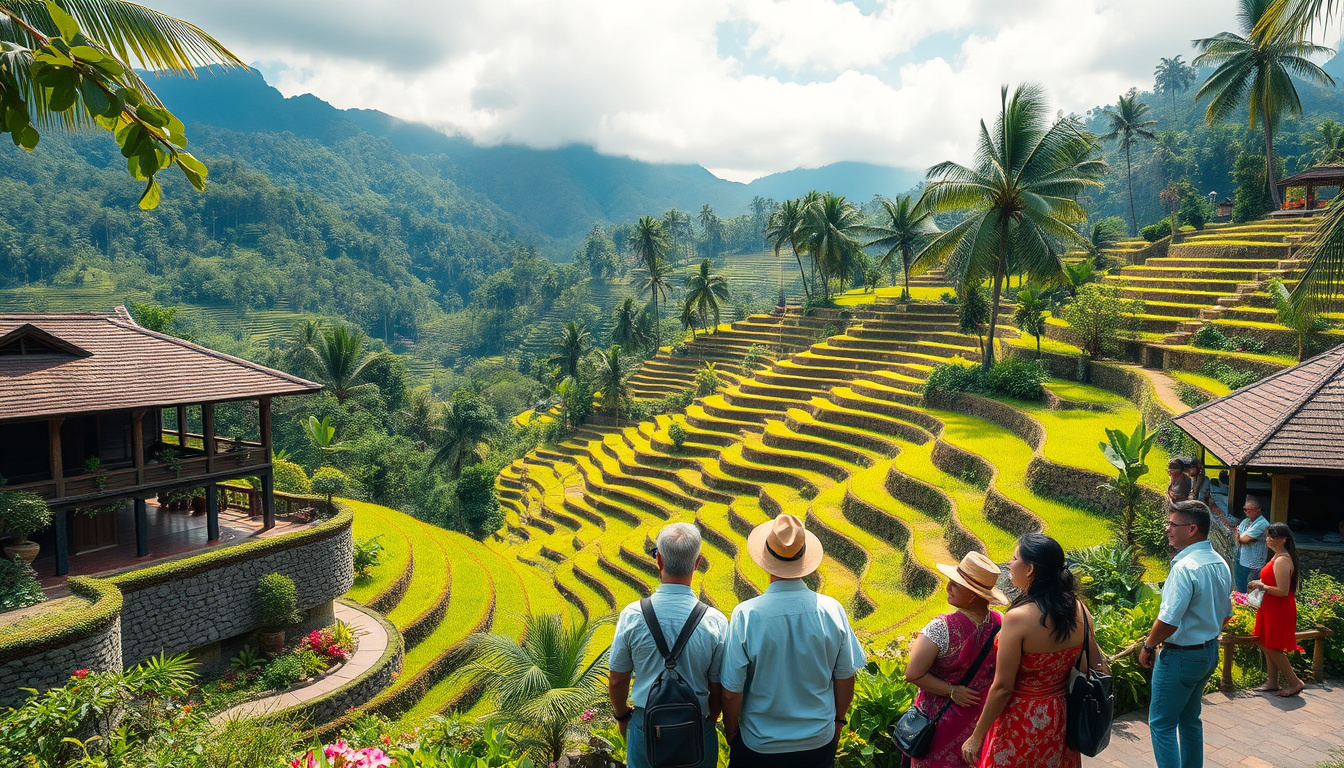
Recent hostilities between Thailand and Cambodia have prompted a noticeable shift in travel patterns across Southeast Asia, benefiting Indonesia’s renowned holiday destination, Bali. As tourists reconsider their plans amid the ongoing border conflict, Bali’s tourism industry is experiencing an estimated increase in visitors, eager to trade temple tours for beach relaxation.
Rising Visitor Numbers Amid Regional Tensions
The border clashes between Thailand and Cambodia, which erupted near Preah Vihear in Cambodia and Ubon Ratchathani in Thailand, have resulted in tragic losses on both sides, with at least 38 lives claimed and over 300,000 people displaced. In response to the fighting, multiple governments, including those of Australia, the United States, and the United Kingdom, have updated travel advisories warning against travel within 50 kilometers of the affected border areas.
Although a ceasefire was agreed upon and took effect early Monday, tensions remain high as accusations of violations circulate, leading to stalled negotiations and ongoing uncertainty.
This turmoil has caused travelers to seek alternative, more secure destinations within the region. Bali, known for its stunning beaches and perceived safety, is emerging as a preferred choice for tourists originally planning to visit Thailand.
Industry Insights: A 10-15% Increase in Bali Tourism
Local tourism experts in Bali have reported early indicators of this shift. I Gusti Agung Ngurah Rai Suryawijaya, deputy chair of the Indonesian Hotel and Restaurant Association (PHRI) in Bali, noted that although exact figures are not yet available, there appears to be a 10 to 15 percent rise in visitors linked to the ongoing conflict in Thailand and Cambodia.
“Because Bali is considered safe and conducive, we are seeing a spillover from tourists who initially planned to visit Thailand,” Suryawijaya told local media outlet NusaBali. While official data on rerouted flights remains incomplete, hospitality operators have observed an uptick in bookings coinciding with the travel warnings.
PHRI Secretary Perry Markus echoed this sentiment, emphasizing the importance of safety and comfort in tourist decisions. He expressed hope that Bali would not only attract more visitors but also encourage longer stays, fostering sustained growth in the local tourism economy.
Broader Implications for Southeast Asia Tourism
Despite the direct conflict affecting only border regions, the broader perception of instability in Thailand may encourage travelers to reconsider their itineraries in favor of destinations like Bali that promise security and relaxation without compromising cultural experience.
Thailand’s popular tourist cities, such as Bangkok and Phuket, remain largely unaffected by the fighting; however, the reputational impact appears to have tangible effects on traveler behavior.
As regional dynamics continue to evolve, Bali stands poised to capitalize on its reputation as a safe paradise, providing a vital alternative for tourists seeking memorable yet secure Southeast Asian holidays.
The situation remains fluid, with developments in diplomatic talks and security conditions closely monitored by governments and travelers alike. Meanwhile, Bali’s tourism sector remains ready to welcome—and accommodate—this wave of redirected visitors seeking beaches over temples amid the region’s current uncertainties.



Add a comment