



Sanur Community in Bali Opposes Proposed LNG Terminal, Fears Threats to Tourism and Environment
Sanur, Bali — The local community in Sanur, one of Bali’s premier tourist resort areas located in Denpasar, has voiced strong opposition to plans for constructing a Floating Storage Regasification Unit (FSRU) Liquefied Natural Gas (LNG) terminal off its coast. The proposal has sparked considerable concern among residents, tourism industry stakeholders, and cultural leaders who fear the project could undermine the area’s tourism-dependent economy, degrade its natural beauty, and disrupt longstanding cultural practices.
The LNG Terminal Proposal and Its Coastal Impact
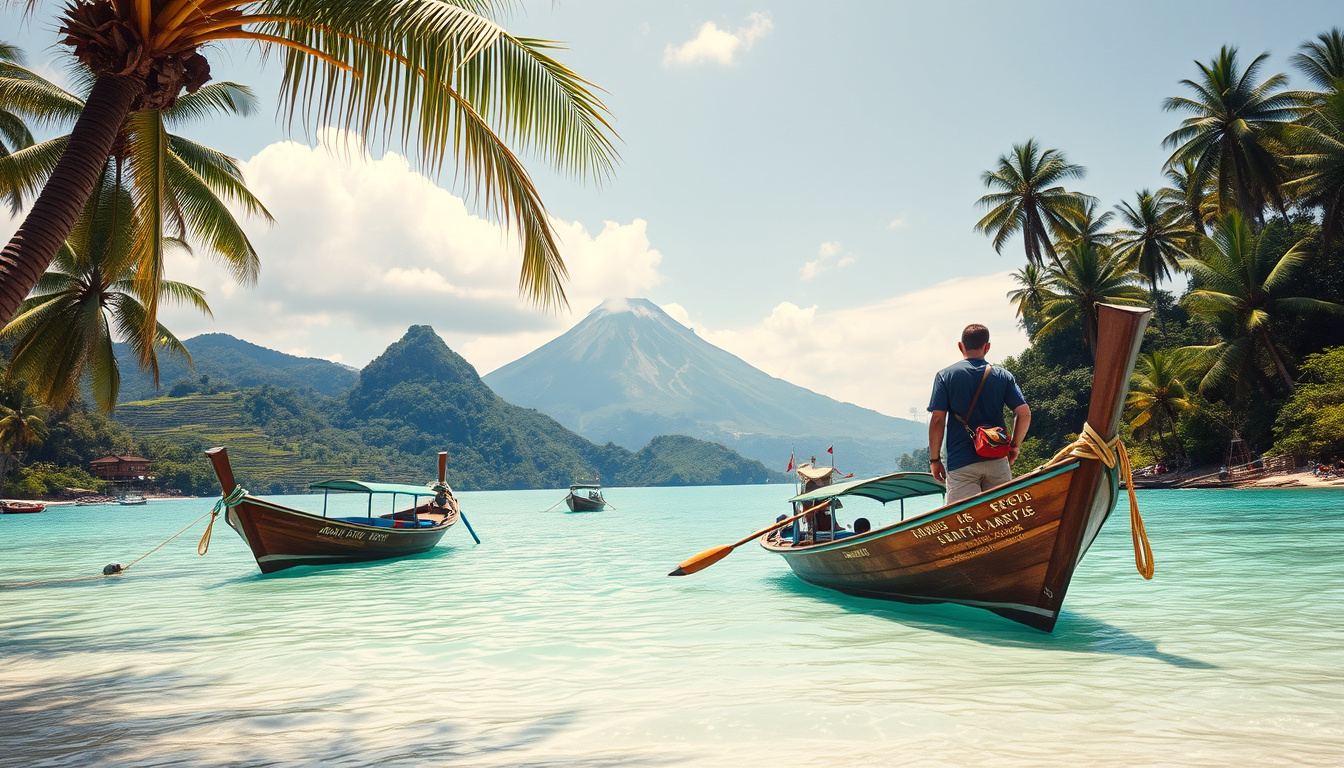
The envisioned LNG terminal is slated to be situated approximately 3.5 kilometers from Sidakarya Beach, a favored destination for both locals and visitors. Connected to the mainland through an underwater pipeline, the terminal would introduce a large-scale industrial facility visible from Sanur’s beaches and transportation routes to the nearby Nusa Islands.
Local leaders have raised alarms about the potential visual intrusion and environmental consequences the terminal would bring to this tranquil coastal area. Given Sanur’s reliance on pristine beaches, calm waters, and scenic coastal views to attract tourists, the project is viewed by many as a direct threat to the integrity of the tourism landscape.
Community Concerns: Preserving Sanur’s Cultural and Natural Identity
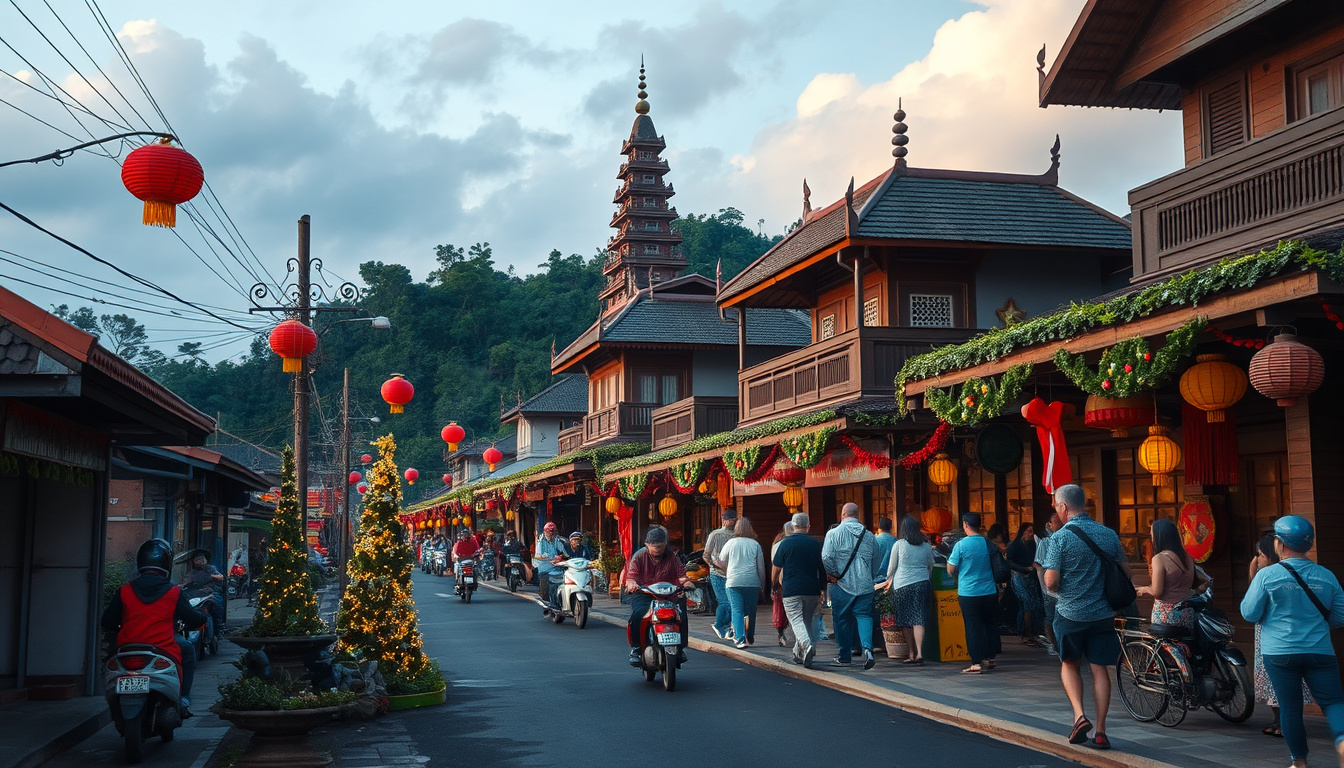
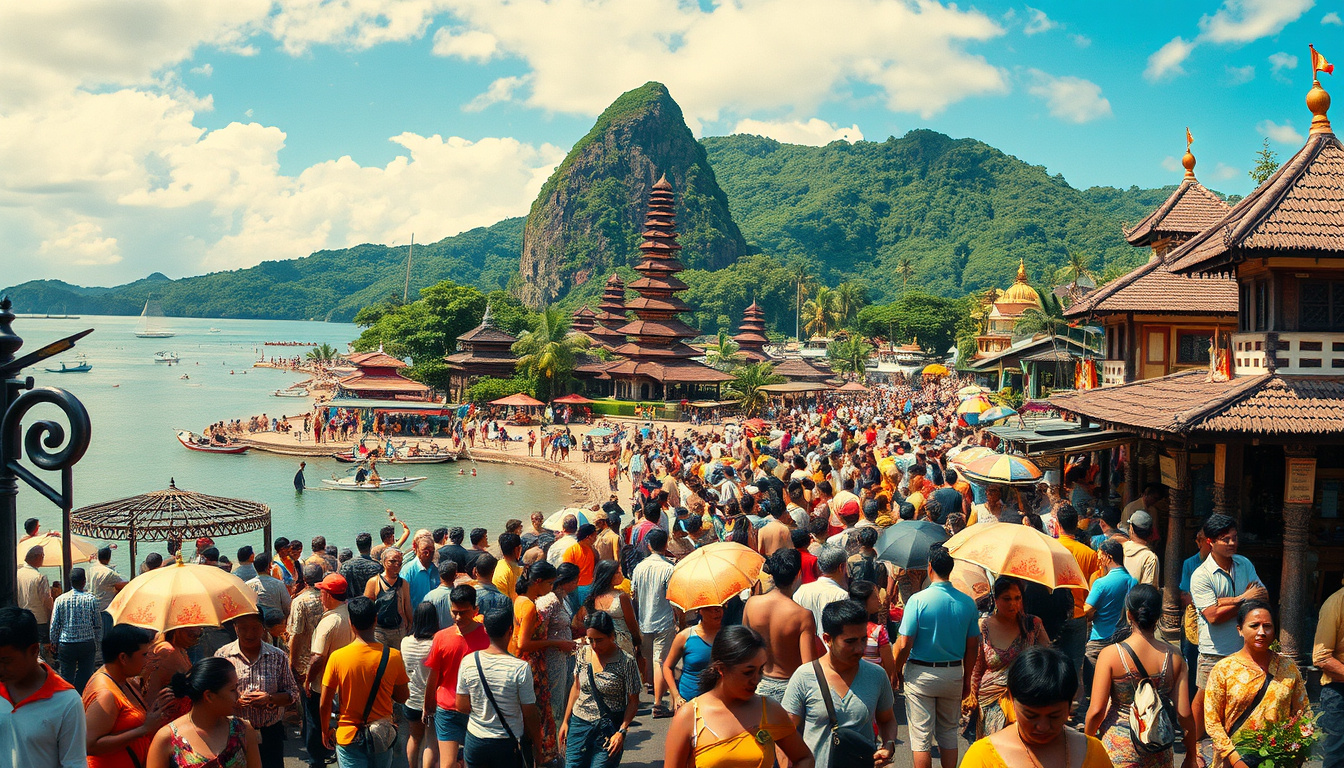
Sanur has long been cherished for its relaxed ambiance, natural beauty, and significant cultural heritage. The coastal area plays an essential role not only as a recreational venue but also as a site for spiritual and religious ceremonies integral to Balinese traditions. Beyond its natural allure, Sanur is home to upscale resorts, family-oriented attractions, and a calendar of cultural events that maintain year-round tourist interest.
Ida Bagus Gede Sidharta Putra, Chairman of the Indonesian Hotel and Restaurant Association (PHRI) Denpasar and leader of the Sanur Development Foundation, has been vocal in opposing the LNG terminal. He emphasized that Sanur’s current tourism success — with occupancy rates exceeding 80 percent — is heavily tied to its clean, peaceful environment, which aligns with the island’s growing focus on wellness tourism. “It would be a shame to jeopardize this by erecting industrial infrastructure that conflicts with the natural and cultural qualities that define Sanur,” Putra stated.
He further stressed that the coastline supports not only economic livelihoods such as fishing but also spiritual activities vital to the community’s identity. Environmental degradation or visual pollution caused by the LNG terminal could harm these intangible values, as well as reduce visitor appeal.
Implications for Bali’s Broader Tourism Sector
Tourism is the cornerstone of Bali’s economy, with Sanur emerging as a key destination for visitors seeking cultural authenticity and wellness experiences like yoga, meditation, and spa treatments. Bali’s ongoing efforts to position Sanur as a Special Economic Zone for Medical Tourism highlight the area’s increasing importance in the island’s tourism portfolio.
Stakeholders worry that the LNG terminal’s industrial footprint may undermine these initiatives by damaging the very environment that draws wellness tourists. There are fears that the presence of such infrastructure could deter visitors looking for tranquility and natural connection, potentially slowing growth in a sector vital to Bali’s future.
Strategic Tourism Vision and Preservation Challenges
The Indonesian government’s RAK Vision 2030 for Bali aims to triple the island’s tourism economy and accelerate its status as a globally competitive destination, with a strong emphasis on sustainable, high-value tourism activities. Preserving Sanur’s beaches, cultural sites, and coastal environment is central to achieving these ambitions.
Introducing heavy industrial projects like an LNG terminal so close to tourism hubs may conflict with the long-term vision of sustainable tourism growth. The risks of environmental harm and reduced tourist satisfaction underline the need for a development approach that integrates economic, social, and environmental considerations harmoniously.
Government Stance and Development Outlook
In response to community apprehensions, local authorities have acknowledged the importance of balancing energy infrastructure diversification with the preservation of heritage and natural assets. While the LNG terminal proposal is part of broader efforts to enhance Bali’s energy security, officials recognize that decisions must weigh potential economic benefits against possible adverse effects on tourism and the environment.
Future infrastructure projects in Sanur are anticipated to require more rigorous assessments incorporating sustainability principles and close collaboration with tourism and cultural stakeholders to safeguard Bali’s reputation and prosperity.
Looking Ahead: Balancing Development and Conservation
Sanur’s future as a premier wellness and cultural tourism destination hinges on protecting its environmental integrity and cultural richness. The ongoing debate surrounding the LNG terminal underscores the delicate balance needed between meeting development goals and preserving the qualities that make Sanur unique.
By adopting thoughtful and sustainable development strategies that respect community values and environmental limits, Bali can continue to thrive as a top global destination while safeguarding its heritage for generations to come.
The controversy over the LNG terminal also reflects broader challenges faced by rapidly growing tourist destinations, emphasizing the critical need for integrated planning that supports infrastructure advancement without compromising nature and culture.



Add a comment