






President Prabowo Subianto Initiates $5.4 Billion Waste-to-Energy Project to Preserve Bali’s Tourism Appeal
Jakarta, October 21, 2025 — President Prabowo Subianto has directed Indonesia’s sovereign wealth fund, Danantara, to promptly commence a groundbreaking waste-to-energy initiative aimed at tackling the nation’s mounting waste challenges, ensuring Bali remains an attractive destination for international tourists.
The ambitious $5.4 billion project, officially endorsed by presidential decree two weeks ago, envisions the establishment of waste power plants across more than 30 heavily polluted Indonesian cities, with Bali positioned as a key focus. These plants will convert city waste into clean energy, addressing environmental hygiene and health concerns that directly impact tourism—a vital sector for the island’s economy.
“This program is very strategic as it addresses hygiene and health. Ultimately, it will bolster tourism by preventing environments from becoming unsightly or unsanitary,” President Prabowo remarked during a cabinet meeting commemorating his administration’s first year in office. “If Bali does not effectively manage its waste problem, tourists might hesitate to visit a dirty, unkempt place. I thank Danantara and urge them to implement this program immediately.”
Danantara has spent recent weeks laying the groundwork, including the issuance of patriot bonds—government-backed bonds marketed to affluent Indonesian investors—to finance the initiative. These bonds have been fully subscribed, raising up to Rp 50 trillion (approximately $3 billion) at below-market rates through private placement. Overall, the project demands Rp 90 trillion ($5.4 billion) in investments, with some cities potentially housing multiple waste-to-energy plants.
Rosan Roeslani, CEO of Danantara, revealed that over 100 companies have expressed interest in participating as technological partners, with contenders hailing from major industrial nations including Japan, China, and Germany. He described these as “big players” in their respective countries, though specific names remain undisclosed pending the upcoming tender scheduled for early November.
Highlighting the urgency of the issue, President Prabowo cited the Bekasi sub-district of Bantargebang, which generates approximately 55 million tons of waste annually—a volume so significant it risks overflowing into surrounding villages during rains. He underscored his directive for the program’s implementation across all targeted cities within two years.
Key cities prioritized for the project, based on waste feedstock and land availability, include Jakarta, Bekasi, and Bali, among others. The state utility company PLN has been mandated to purchase electricity generated by the waste power plants at a fixed rate of $0.20 per kilowatt-hour, as stipulated in the presidential decree.
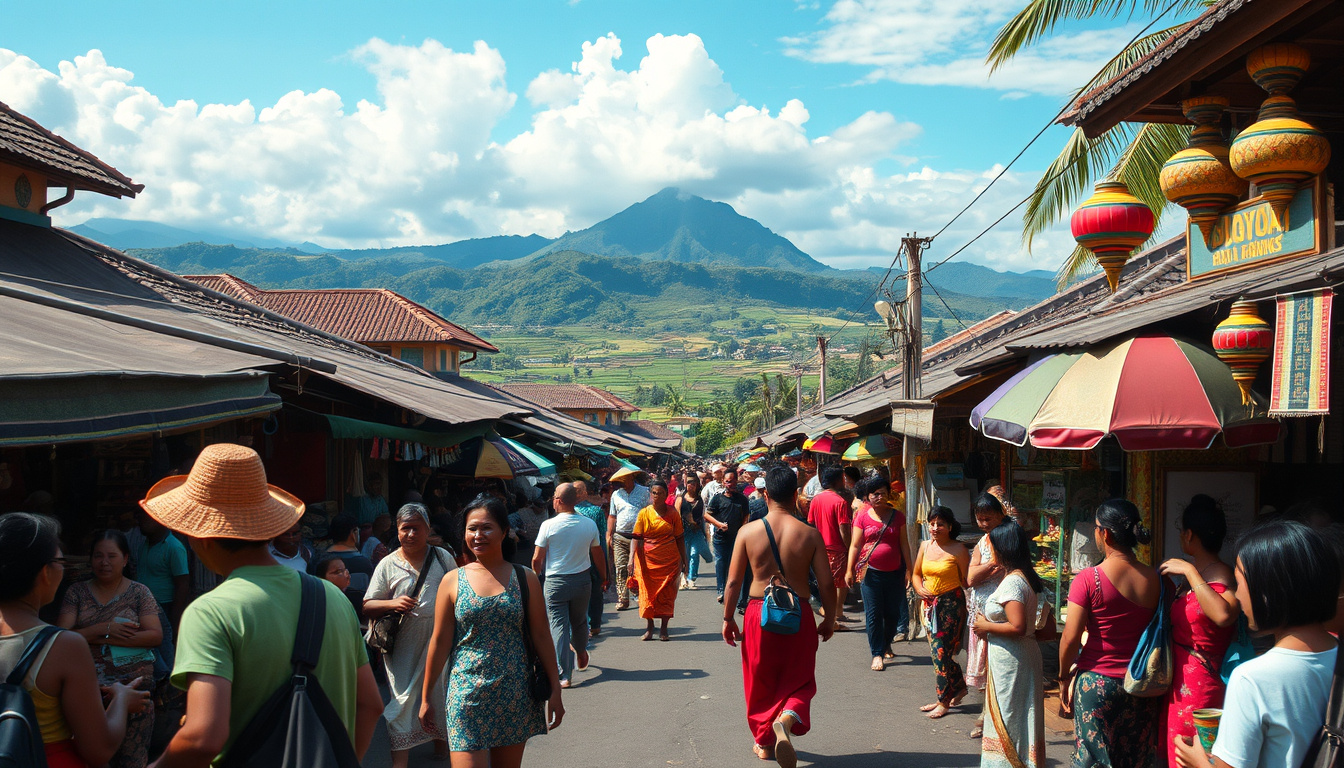
Bali itself continues to be a premier tourist destination, welcoming nearly 4 million foreign visitors between January and July 2025. Australia contributes the largest share, accounting for 23.1% of arrivals in July alone. Despite this influx, Bali grapples with significant waste generation, producing nearly 1.3 million tons throughout 2024—approximately 3,436 tons per day—which underscores the critical need for sustainable waste management solutions.
The waste-to-energy project represents a strategic convergence of environmental stewardship and economic sustainability by safeguarding the natural and cultural appeal that sustains Bali’s tourism industry. With government backing, private investment, and international technological collaboration, Indonesia aims to set a pioneering example in waste management across Southeast Asia.
Related updates on Indonesia’s environmental and infrastructure initiatives continue to evolve as the administration pursues sustainable development goals aligned with tourism and public health priorities.



Add a comment