




Post-Covid Overtourism: Popular Destinations Grapple with Overcrowding and Environmental Strain
As the global tourism industry rebounds from the Covid-19 pandemic, a resurgence in international travel has reignited a familiar but pressing challenge for many popular destinations worldwide: overtourism. Cities and regions once heavily dependent on a steady influx of visitors are now contending with overcrowding, environmental degradation, and rising tensions between residents and tourists. Leading examples include Barcelona, Venice, Bali, and other celebrated tourist hotspots that face complex struggles balancing economic benefits with sustainable community and environmental well-being.
The Scale of the Challenge
In 2024, Europe experienced an astounding 747 million international arrivals, with southern and western regions—including Spain and Italy—attracting the largest number. This influx, fueled in part by “revenge tourism” as people make up for lost travel opportunities during the pandemic, has intensified pressure on local infrastructure, environment, and the everyday lives of residents. The juxtaposition of booming tourism-driven economies alongside growing community discomfort underscores the urgent need for effective management strategies.
Barcelona: Economic Gains Shadowed by Community Concerns
Barcelona typifies the overtourism dilemma. In 2024, the city welcomed over 15 million international visitors, a stark contrast to its metropolitan population of around 5 million residents. Tourists flock to famed landmarks such as La Sagrada Família and the city’s Mediterranean beaches, bringing significant economic gains. However, this surge has also driven housing costs upward and overcrowded public venues, leading to increased waste and strained service capacity.
A particularly contentious issue is the proliferation of short-term rental properties via platforms like Airbnb. Barcelona’s mayor, Jaume Collboni, has described the rapid growth of entrepreneurial holiday rentals as the city’s “biggest problem.” With approximately 10,000 short-term rental apartments catering primarily to tourists, local residents struggle to find affordable housing and face diminishing access to cherished local amenities as popular restaurants and shops become overwhelmed.
Venice’s Ongoing Battle to Preserve Its Heritage
Venice, long emblematic of overtourism’s perils, faces extraordinary challenges maintaining its delicate cultural and environmental fabric. Home to roughly 260,000 residents, the city attracted over 30 million visitors prior to the pandemic. This massive footfall has taxed Venice’s historic canals and architecture, while rising sea levels and pollution—exacerbated by tourism—threaten its very existence.
In response, authorities have introduced measures aimed at curbing visitor numbers, including limiting tourist access to certain areas and instituting entry fees. Despite these efforts, Venice continues to struggle to protect its heritage, and many locals who have been priced out by soaring living costs express frustration over the insufficient balance between welcoming tourists and safeguarding community interests.
Bali: Preserving a Tropical Paradise Amid Environmental Strain
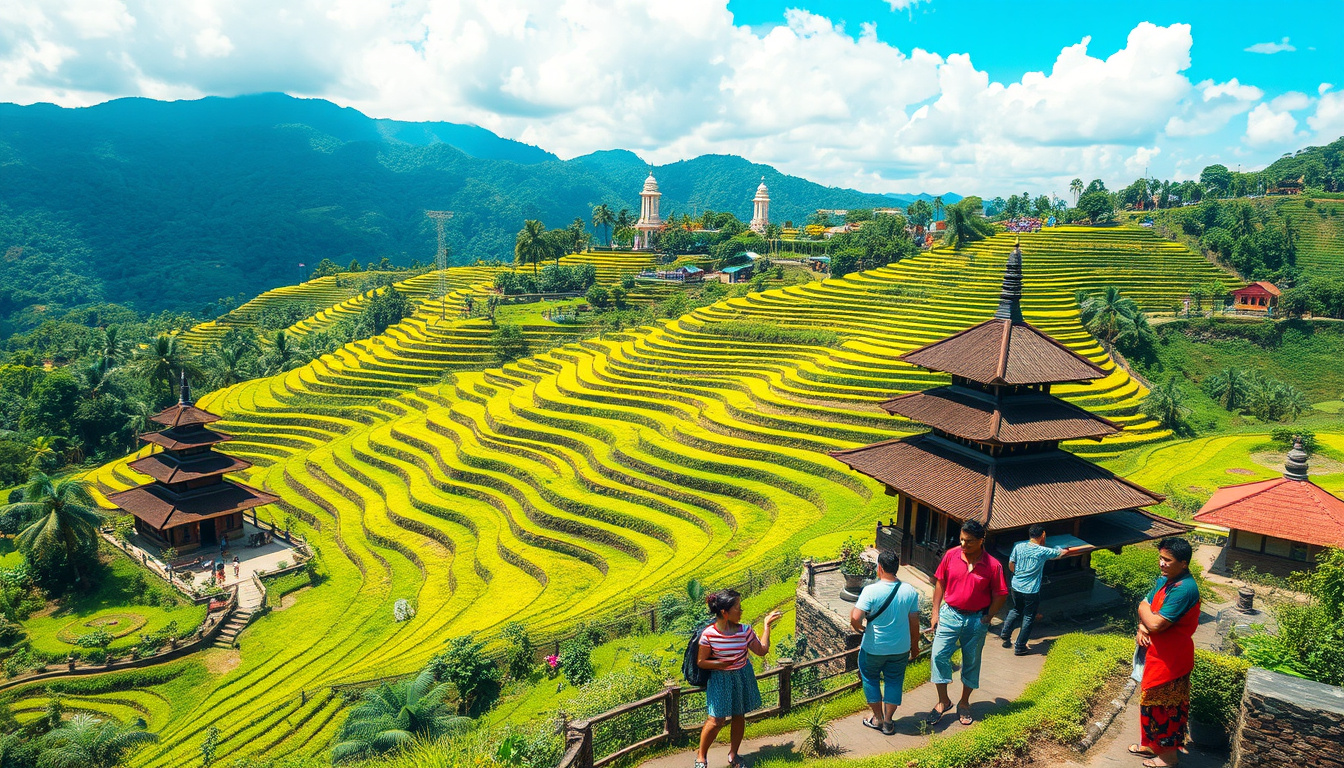
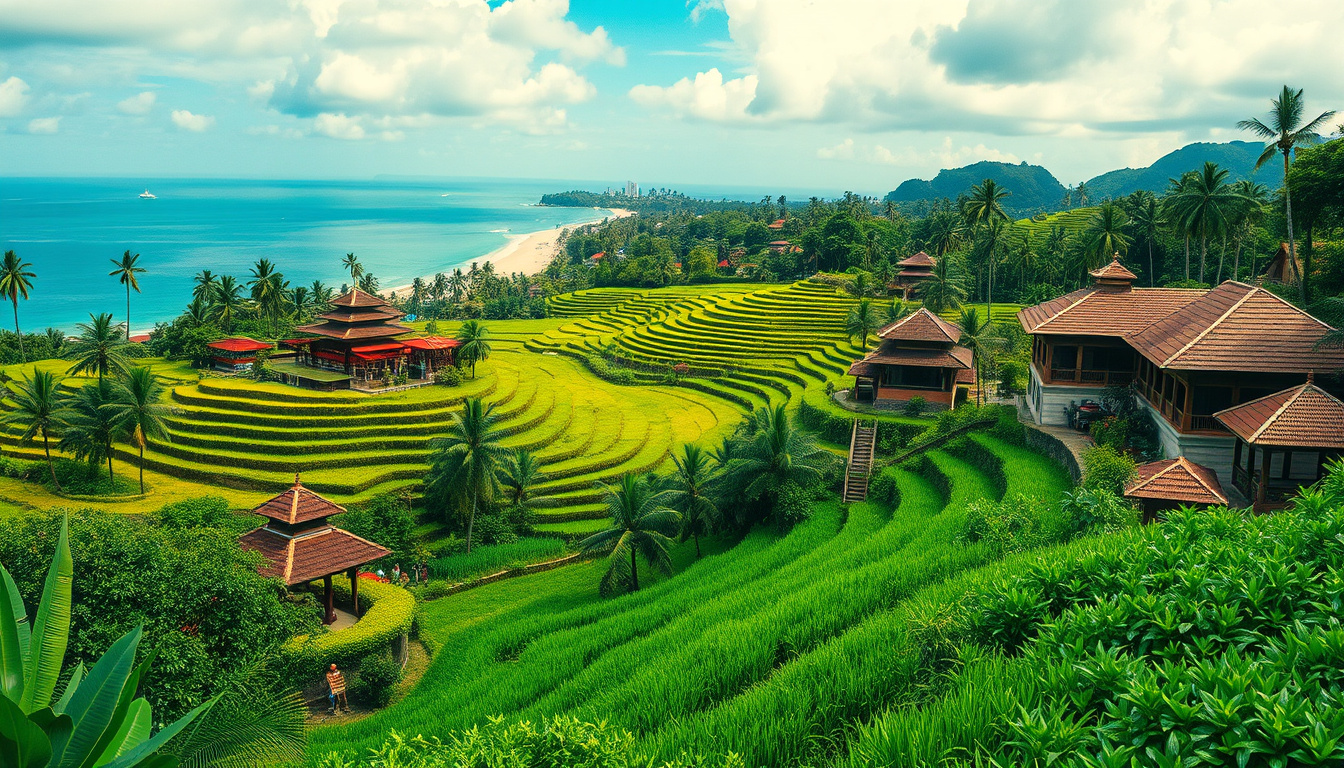
Bali, renowned for its idyllic beaches, rice terraces, and cultural attractions, faces its own overtourism challenges. The island’s rapid tourist growth has led to environmental concerns including plastic pollution, overcrowded beaches, and wastewater problems. Some popular beach areas have even been temporarily closed to facilitate cleanup efforts.
To address these issues, the Indonesian government imposed a moratorium on new hotel and villa developments, aiming to conserve Bali’s cultural and natural heritage. Moreover, local officials have adopted regulations to control visitor numbers in high-traffic zones like Ubud and Kuta. While these initiatives mark positive steps toward sustainability, Bali continues to balance economic dependence on tourism with the urgent need for environmental protection.
Empowering Local Communities
Across the globe, local residents increasingly advocate for greater control over tourism impacts. In Japan’s Fujikawaguchiko town, a large black screen was installed to obscure a heavily trafficked Mount Fuji selfie spot, signaling community frustration with tourist disruptions. Similarly, cities like Barcelona and Venice see growing resident activism demanding stronger regulations on short-term rentals and visitor flows.
Such grassroots efforts reflect a broader awakening to the importance of sustainable tourism that respects both the environment and local cultures. Policies regulating tourist activity and prioritizing residents’ quality of life are becoming key components in the ongoing effort to manage overtourism constructively.
New Zealand’s Strategic Response
In contrast to many regions struggling to reactively address overtourism, New Zealand has adopted proactive measures. The country recently tripled its International Visitor Conservation and Tourism Levy (IVL) to NZ$100 per visitor, aiming to fund the protection of its unique natural landscapes and indigenous heritage.
This approach promotes “slow travel,” encouraging visitors to spend more time exploring fewer locations and engaging deeply with local culture, in opposition to fast-paced “bucket list” tourism that contributes to overcrowding and environmental harm. Conservationists support the levy as vital for securing the long-term sustainability of New Zealand’s tourism sector.
Looking Ahead: Sustainable Tourism as the Path Forward
As global travel continues to accelerate, overtourism will remain a pressing concern for many popular destinations. Nevertheless, with thoughtful policies and sustainable tourism practices, it is possible to reconcile economic benefits with community well-being and environmental stewardship. Strategies such as limiting visitor numbers, encouraging off-season travel, and promoting responsible tourism behaviors offer promising avenues to mitigate negative impacts.
Crucially, cooperation among governments, industry stakeholders, and local communities will determine the effectiveness of these measures. Together, they can ensure that tourism continues to be an engine of economic growth while safeguarding the cultural and natural treasures that make destinations special—allowing both travelers and residents to thrive.
The challenges posed by overtourism in the post-pandemic world underscore the urgent need for sustainable, community-focused tourism frameworks. Destinations like Barcelona, Venice, Bali, and proactive examples such as New Zealand highlight varying approaches to this complex issue, offering lessons to inform future strategies in preserving beloved places for generations to come.



Add a comment