







New Toll Road Proposed to Connect Iconic Bali Tourism Destinations with Emerging Vacation Hotspots
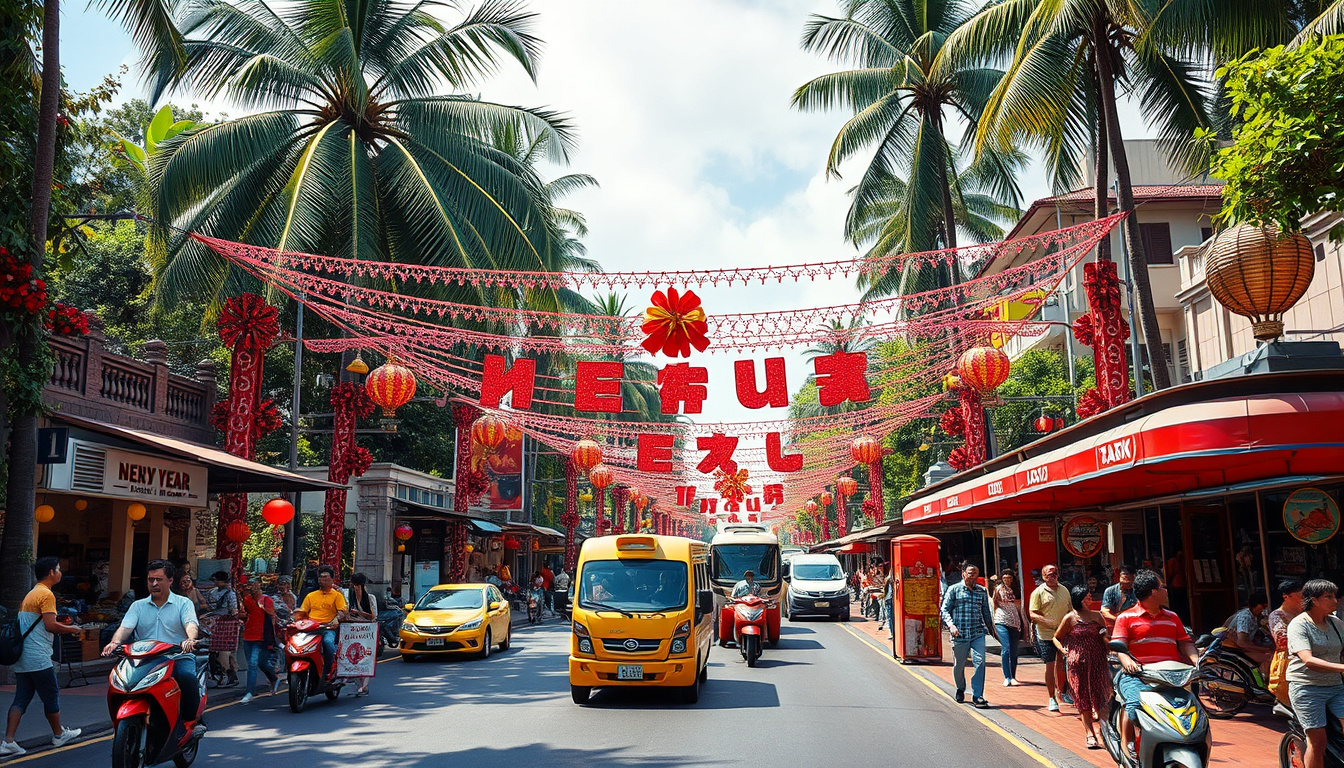
Bali’s rising popularity as a global tourist destination has brought with it a significant challenge: increasing traffic congestion across the island. Visitors traveling between major spots—from Denpasar to Gilimanuk, and Uluwatu to Ubud—often face long delays, dampening their experience of the island’s famed beauty and culture. Recognizing this issue, Indonesian authorities have renewed their focus on infrastructure improvements, with a major proposal to construct a new toll road aimed at linking Bali’s well-established tourism hubs with its emerging vacation hotspots.
Background and Project Overview
In 2024, then-Minister of Tourism Sandiaga Uno announced plans for a new toll highway that would connect the southern and northern parts of Bali. At that time, the project was slated to enter the tender process in 2025, though little public discussion followed until recently. The proposed toll road, known as the North Bali Toll Road, is designed to drastically cut travel times — potentially reducing journeys to North Bali to about 90 minutes — and improve access to less developed regions.
The strategic importance of this venture is underscored by its potential to support the development of the proposed North Bali Airport, a flagship infrastructure project championed by President Subianto Prabowo. This airport is expected to strengthen the northern region’s role as a premier tourist destination. Both former Minister Uno and current Minister for Tourism Widiyanti Wardhana have emphasized the need to overcome the geographical barriers and travel time constraints that currently limit growth in North Bali, an area considered rich with untapped potential.
Political Support and Development Goals
Local leaders have voiced strong support for the toll road and broader regional development. Bali politician Gede Sumarjaya Linggh, in particular, has been a vocal advocate. He highlighted regional disparities, noting that rapid development in Bali’s southern districts, such as Badung and Denpasar, has led to economic imbalance, with northern and eastern areas lagging behind. This has resulted in fewer employment opportunities in these regions and has pushed many laborers southward, where opportunities are increasingly limited.
Linggh has proposed an even more ambitious vision by suggesting that plans to complete the existing Gilimanuk-Mengwi Toll Road be altered to pass through North Bali. This alternative route, the Gilimanuk-Seririt-Soka-Denpasar Toll Road, would link central parts of the island with northern provinces, potentially easing traffic congestion, and providing vital support to medium, small, and micro enterprises (MSMEs) in those areas. Linggh warned that sticking to the current route could endanger these small businesses, whereas rerouting the road could foster their growth.
He further advocated that toll road projects be aligned with the island’s Detailed Spatial Planning (RDTR), which prioritizes underdeveloped regions for growth. Since the southern Bali region has largely benefited from natural, organic development, Linggh posited that government development funding should address the challenges faced by the less developed northern and eastern areas.
Current Traffic Challenges and Efforts
With the 2025 year-end holidays imminent, Bali’s persistent traffic congestion remains a pressing concern for both tourists and residents. The increased traffic volume during the Christmas and New Year periods particularly highlights the need for coordinated traffic management strategies. Local authorities have responded by bolstering traffic control personnel on the roads. Anak Agung Ngurah Rai Yuda Darma, Head of the Badung Regency Transportation Agency, emphasized the importance of collaboration among all stakeholders to ensure smooth traffic flow and optimal transportation services for both domestic and international visitors.
Public Response and Outlook
Public reactions to the toll road proposal have been mixed. Some express skepticism regarding timely project completion and worry about unresolved issues such as road maintenance and waste management. Others call for prioritizing fundamental infrastructural improvements, citing the island’s ongoing struggles with garbage disposal, fresh water shortages, and road quality.
Nonetheless, the renewed focus on this toll road project marks a pivotal step in Bali’s efforts to balance its booming tourism industry with sustainable, equitable development. If successfully implemented, the new highway could serve as a vital artery that connects Bali’s iconic tourism zones with promising up-and-coming destinations, stimulating economic growth across the island while easing the daily challenges of traffic congestion.
As Bali continues to attract millions of visitors annually, officials and stakeholders alike remain committed to crafting infrastructure solutions that enhance the travel experience while fostering regional equity and economic opportunity for all island communities.



Add a comment