






‘New Bali’ Tourism Dream Faces Challenges Despite Online Interest Surge
Jakarta, December 16, 2025 — Indonesia’s ambitious plan to diversify its tourism sector through the “10 New Balis” initiative is encountering significant hurdles. Although online interest in these emerging destinations has spiked, the rise in digital engagement has not translated into a corresponding increase in actual visitor arrivals, according to a recent report from the Tourism Ministry.
Ambitious Vision Meets Reality
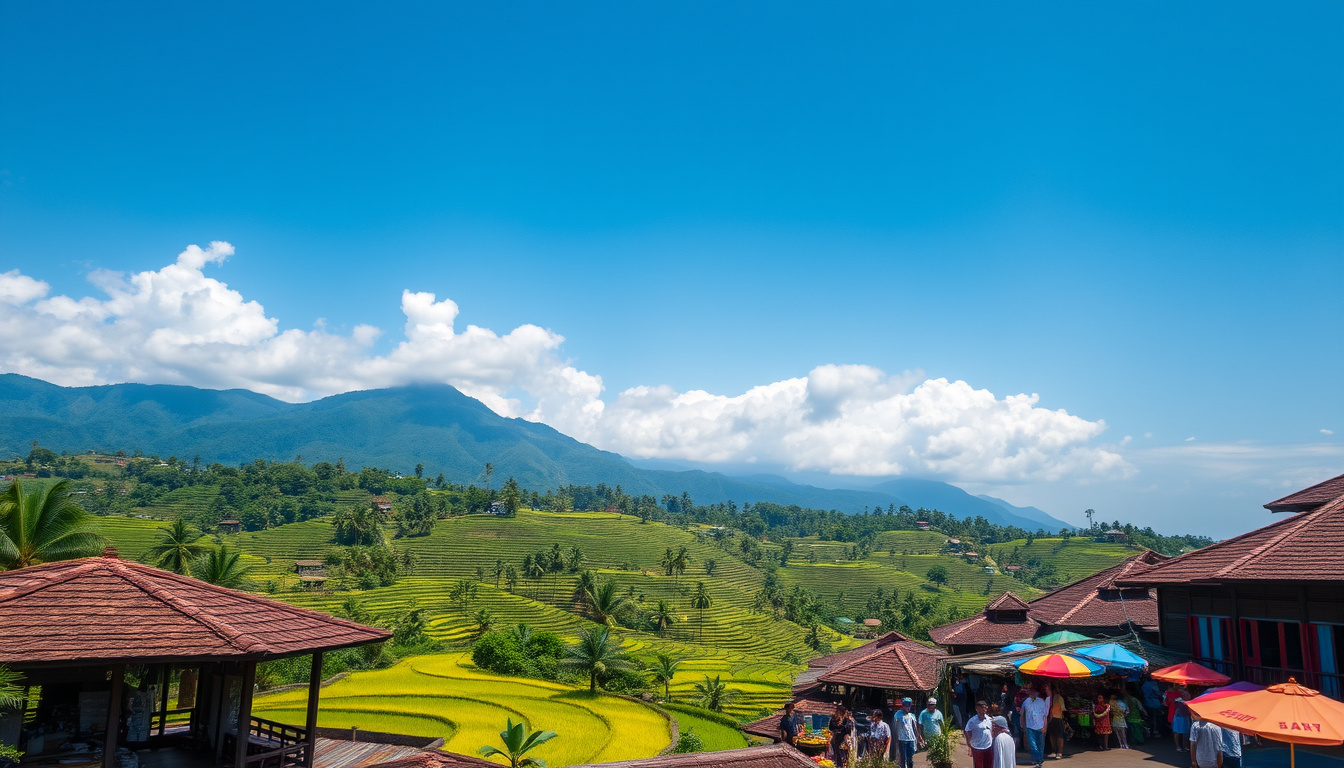
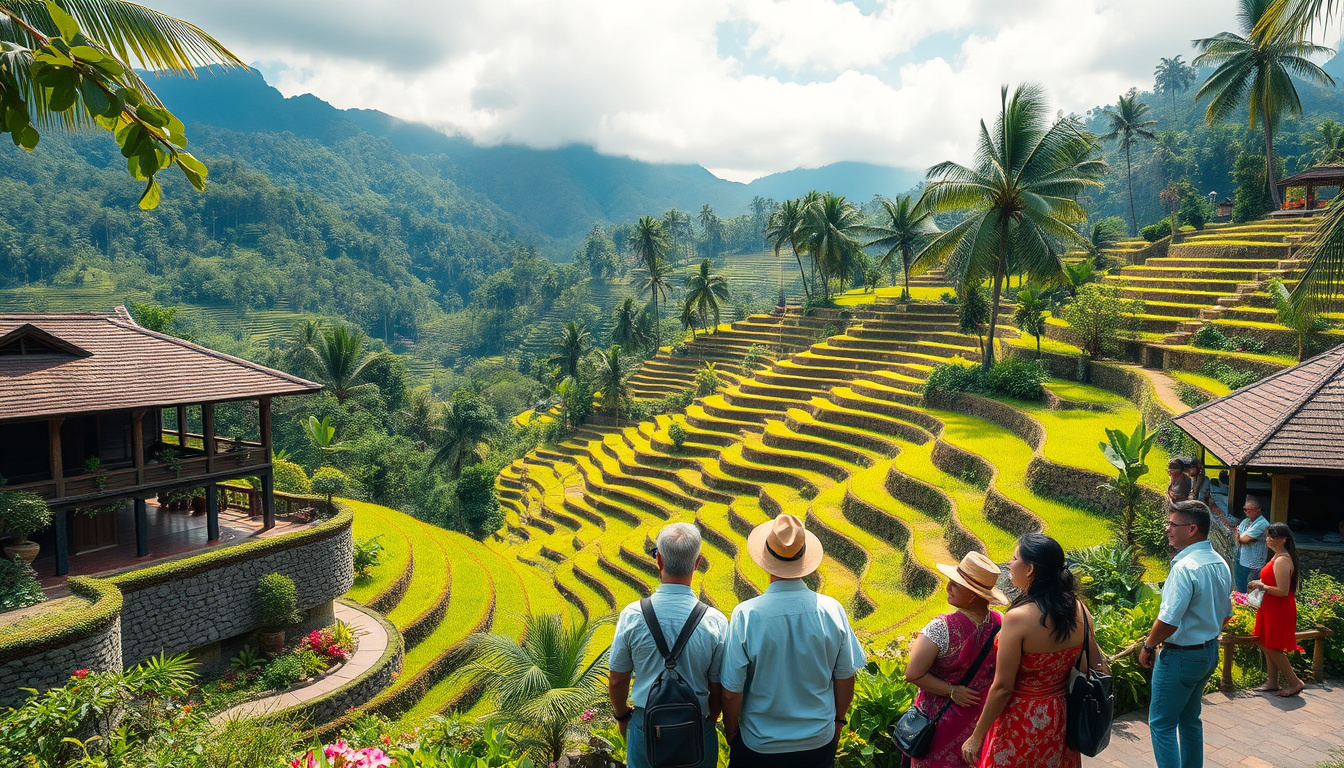
The "10 New Balis" program, launched in 2015 by former President Joko “Jokowi” Widodo, aims to replicate the popularity and economic benefits of Bali by developing ten other priority tourist spots across the archipelago. Among these flagged locations are Central Java’s iconic Borobudur Temple, West Nusa Tenggara’s Mandalika, East Nusa Tenggara’s Labuan Bajo, and North Sumatra’s Lake Toba.
Despite robust online search activity from countries including Japan, India, China, Russia, the United States, and Germany, actual tourist arrivals remain disproportionately low. The Tourism Ministry’s December 2 report highlighted a troubling “low search-to-traffic ratio,” an indicator that while potential tourists express interest online, they do not ultimately visit these sites in large numbers.
Connectivity Gaps and Transit Bottlenecks
A major factor cited by the government is the concentration of international flights primarily into Jakarta and Bali. Data from global travel technology company Amadeus revealed that as of October 2025, these two hubs accounted for 81% of Indonesia’s international air traffic. In stark contrast, the ten prioritized destinations collectively received just 3.75% of direct international arrivals.
This imbalance forces most tourists to rely on connecting flights and transit routes through Jakarta and Bali, creating logistical challenges and disincentives for direct visits to the emerging destinations.
The report also pointed to limited aircraft fleets and high operational costs as reasons domestic airlines focus on high-demand routes, while foreign carriers face regulatory constraints under Indonesia’s cabotage policy that restricts them from operating domestic flight segments. This “chicken and egg” dilemma means neither airlines nor investors are keen to commit fully without established demand, but tourist interest itself depends on improved access and infrastructure.
Calls for Strategic Reorientation
Experts argue that the issue extends beyond air connectivity. Alvin Lie, chairman of the Association of Indonesian Aviation Service Users (Apjapi), suggested the root problem is a lack of effective promotion by both central and regional authorities. He noted that domestic travelers dominate major airports like Bali’s I Gusti Ngurah Rai and Jakarta’s Soekarno-Hatta, with most outbound international travel focused on destinations such as Singapore and Kuala Lumpur rather than inbound attraction.
“The government should focus on building demand through stronger marketing and promoting local tourism potential overseas,” Lie said. He emphasized that simply expanding airport infrastructure won’t suffice if promotional efforts remain narrow or ineffective.
Similarly, Azril Azhari, chairman of the Indonesian Tourism Expert Association (ICPI), highlighted the need for a comprehensive review of the 10 New Balis initiative. He criticized the program’s planning and execution, which he felt ignored global shifts toward “special interest tourism”—niche sectors like wellness, gastronomy, and cultural tourism. According to Azril, focusing on attracting quality tourists who stay longer and engage more deeply would be more sustainable than pursuing mass tourism numbers.
Economic Importance and Behavioral Trends
The Office of the Coordinating Economy Minister underscored tourism’s role in driving Indonesia’s targeted national economic growth of 8% by 2029, as well as fostering regional recovery following recent global disruptions. Nevertheless, changes in tourist behavior have emerged, including a shorter average length of stay, with Indonesia trailing neighbors Malaysia and Thailand at around two days per visit.
The government acknowledges the necessity of diversifying tourist destinations to alleviate pressures on Bali and Jakarta while enhancing the broader economy. However, addressing the intertwined challenges of infrastructure, connectivity, marketing, and evolving tourist preferences remains essential.
Looking Ahead
As Indonesia strives to fulfill the promise of its “New Bali” dream, the balance between online interest and actual visitation exposes the complexities of developing new tourism hubs in a vast and diverse archipelago. Improved strategic coordination between government agencies, investors, airlines, and local communities will be crucial in transforming digital clicks into meaningful arrivals, enabling sustainable growth that benefits more regions across the country.



Add a comment