




Is Lombok Becoming the Next Bali? Mixed Reactions to Indonesia’s Ambitious Tourism Plans
Indonesia is actively promoting Lombok island as an alternative to Bali, aiming to transform it into a new tourism hotspot. This initiative capitalizes on Lombok’s natural beauty and relative tranquility compared to bustling Bali, yet the changes spark both excitement and concern among locals and visitors alike.
Lombok: A Surf and Hiking Paradise
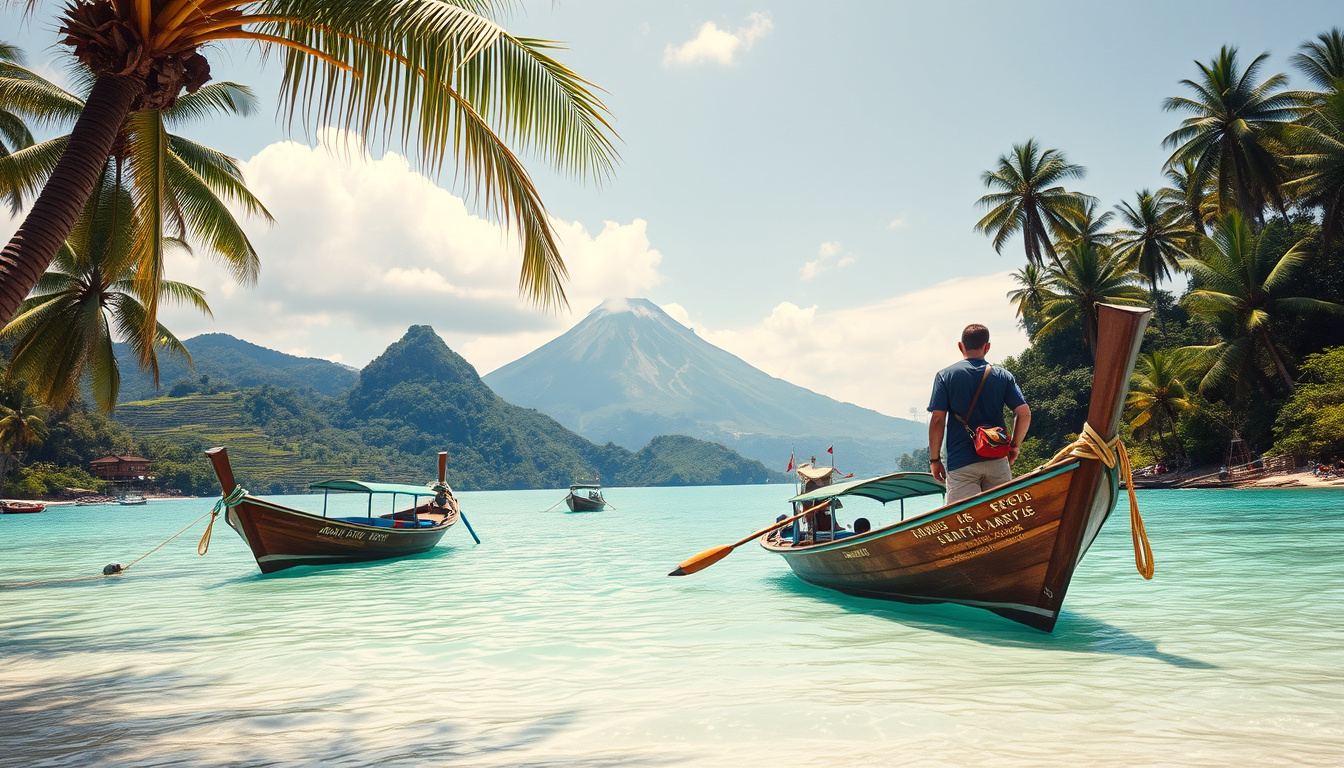
Just east of Bali, Lombok boasts stunning turquoise beaches and dramatic landscapes, including the iconic Mount Rinjani volcano. The island remains less crowded than Bali, described by many travelers as an "untouched" gem particularly favored by surfers and hikers seeking a quieter experience in Indonesia.
Damar, a 39-year-old surf guide from Lombok, embodies the island’s evolving tourist culture. Once fearful of foreigners during his childhood, he now fluently engages with international visitors. He acknowledges that tourism offers improved livelihoods compared to traditional fishing jobs in his community. Yet, Damar also shares the challenges faced by many residents: forced relocations for development projects and complicated resettlements linked to Lombok’s rapid transformation.
Mandalika: The Centerpiece of Lombok’s ‘New Bali’
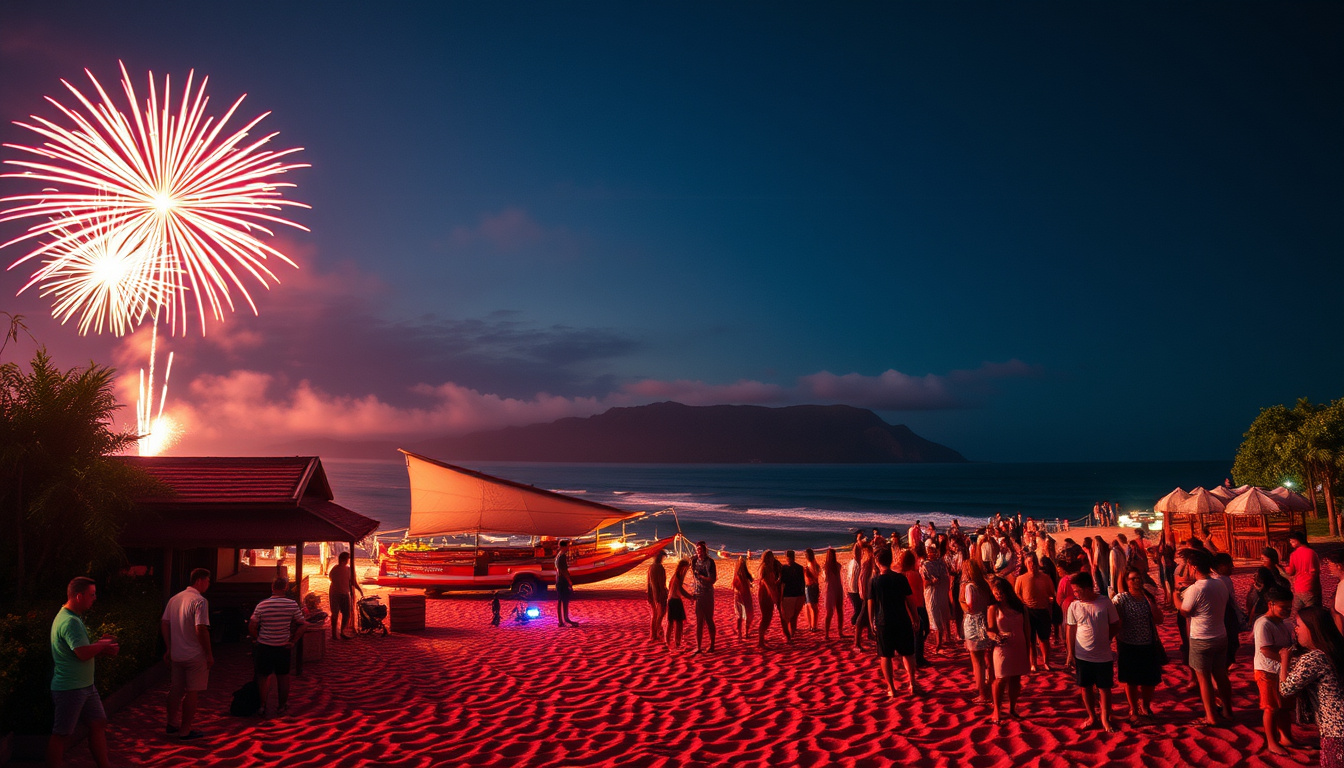
The Indonesian government has pinpointed the southern Mandalika area as the heart of its “new Bali” vision. This coastal stretch has seen rapid development, including luxury resorts, cafes, and even a racetrack that recently hosted a motorcycle Grand Prix attended by nearly 150,000 spectators.
However, such progress has come at a cost. Between 2019 and 2021, dozens of families were displaced to accommodate the Mandalika circuit. Damar himself was among those evicted. Local activists decried the resettlement plans as disorganized and unfair. While some like Damar have adapted by purchasing land and entering tourism, many neighbors struggle to recover.
Growing Tourist Numbers Amid Government Investment
Lombok received around 81,500 foreign visitors last year, a substantial 40% increase from the previous year but still far below Bali’s millions. To boost this growth, Indonesian authorities have invested hundreds of millions of dollars, including a $250 million loan from the Asian Infrastructure Investment Bank, to accelerate infrastructure and luxury tourism developments.
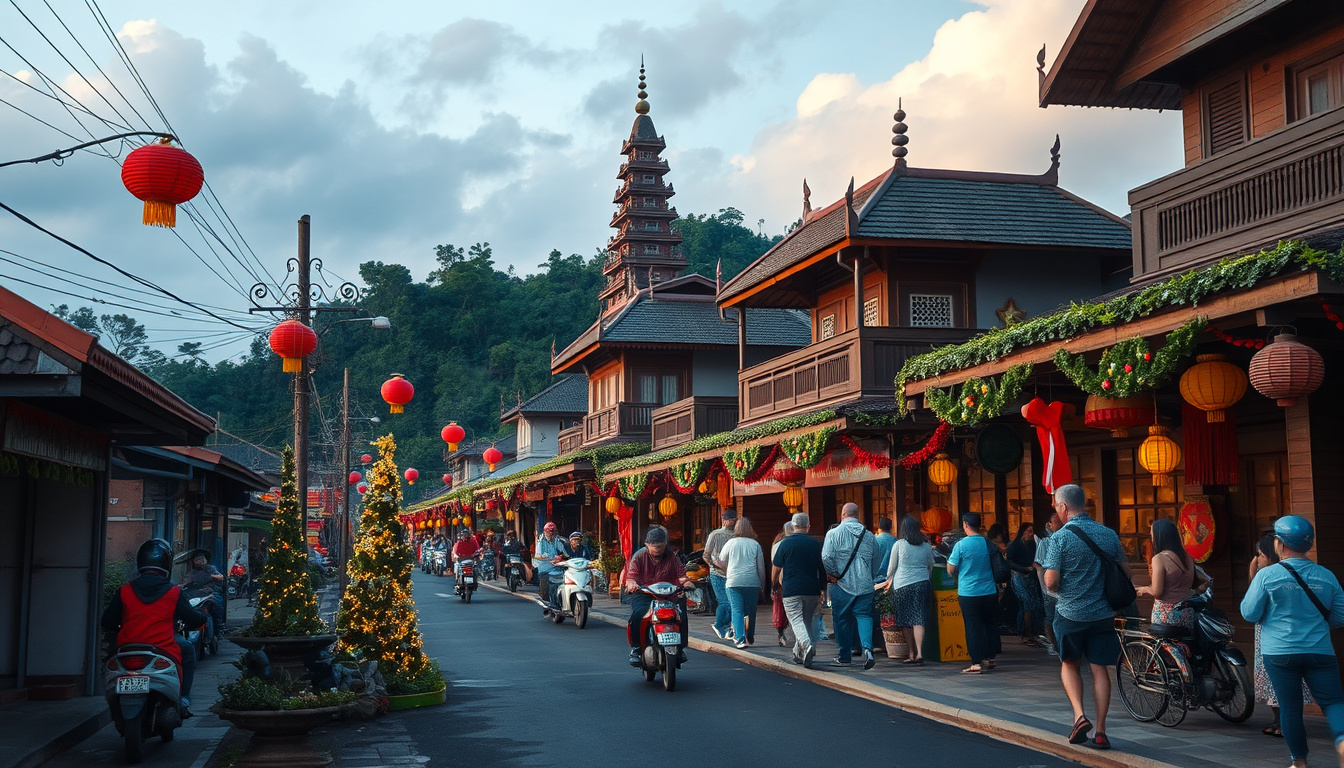
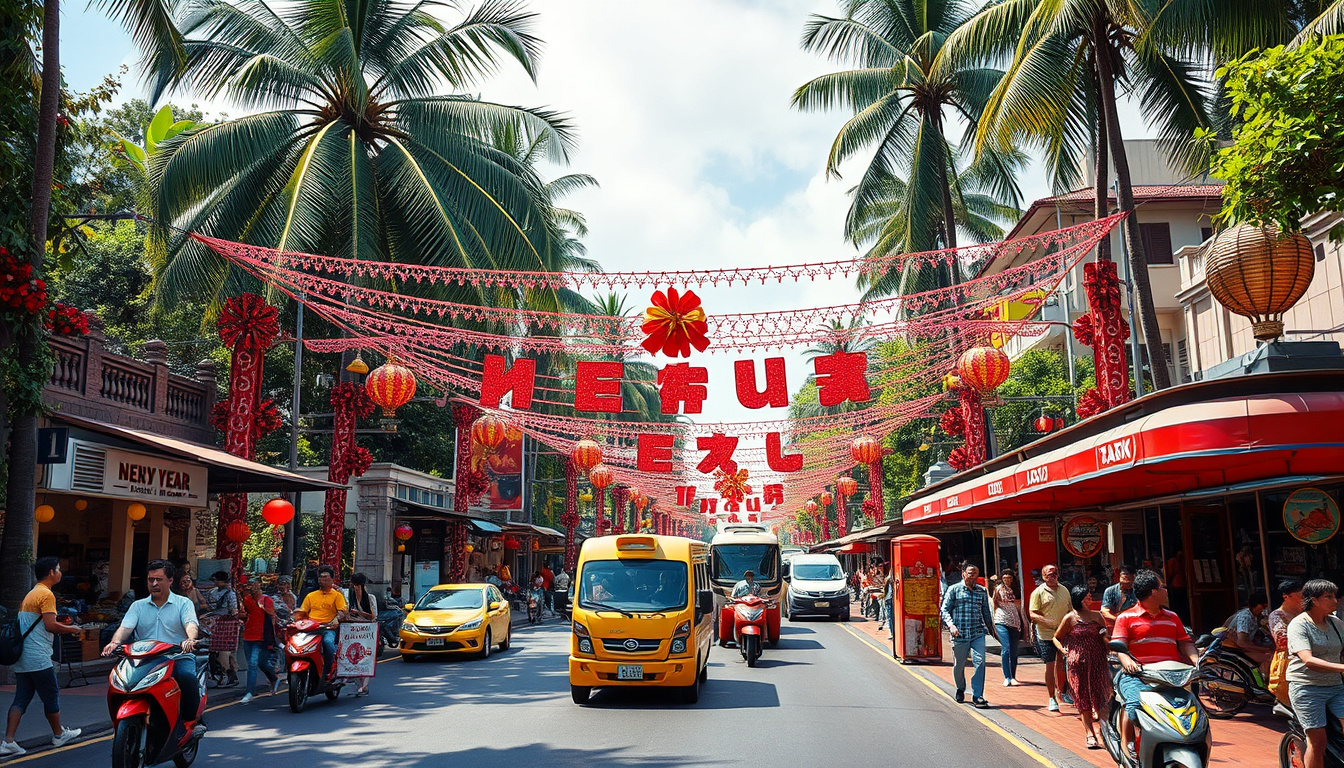
The influx of visitors has changed popular towns such as Kuta in Mandalika, where traditional surf hostels have given way to upscale pools, sunbeds, and international schools catering to expatriates. While this is seen as progress by officials, some locals fear that the island’s unique character and natural beauty may be eroded by rapid urbanization.
Local Disapproval and the Cost of ‘Bali-fication’
Resistance is growing among residents concerned about the social and environmental impact of Lombok’s transformation. At Tanjung Aan beach, locals operating stalls faced sudden eviction as security forces demolished nearly 200 vendor sites to make way for a state-funded luxury hotel project.
Stall owners like Ella Nurlaila and her husband Adi, who have made a living selling food and drinks on the beach for years, expressed distress over losing their livelihoods without proper resettlement plans. Human rights groups and UN experts have condemned these evictions, highlighting inadequate notice and the severe consequences for over 2,000 displaced people in the region.
Preserving Culture and Environment Amid Change
Lombok’s cultural identity differs significantly from Bali’s. The island is predominantly Muslim with conservative social norms, including modest dress codes encouraged for tourists in some areas and more limited availability of alcohol. Many locals worry that rapid tourism expansion could dilute these traditions.
Visitors like Swiss tourist Basil Berger criticize the government’s push to turn Lombok into a “new Bali,” arguing that Lombok should maintain its distinctiveness rather than mimic its famous neighbor. Additionally, environmental concerns have mounted, particularly after the motorcycle Grand Prix event left behind tons of garbage, underscoring the strain tourism can place on Lombok’s ecosystem.
Looking Ahead: Balancing Growth and Sustainability
As Lombok embarks on this new chapter, government officials stress the importance of economic development and job creation. However, some experts and locals urge a measured approach that prioritizes community welfare and environmental preservation over unchecked growth.
Sekar Utami Setiastuti, a Balinese resident familiar with tourism pressures, emphasizes the opportunity for Lombok to learn from Bali’s challenges. She advocates for Lombok to find its own identity and sustainable model rather than becoming “a less crowded Bali.”
Indonesia’s “Bali-fication” mission has ignited debate about the island’s future, raising critical questions about what it means to balance modernization with cultural preservation and social justice. For now, Lombok remains at a crossroads, captivating tourists with its natural allure while grappling with the complexities of rapid development.



Add a comment