


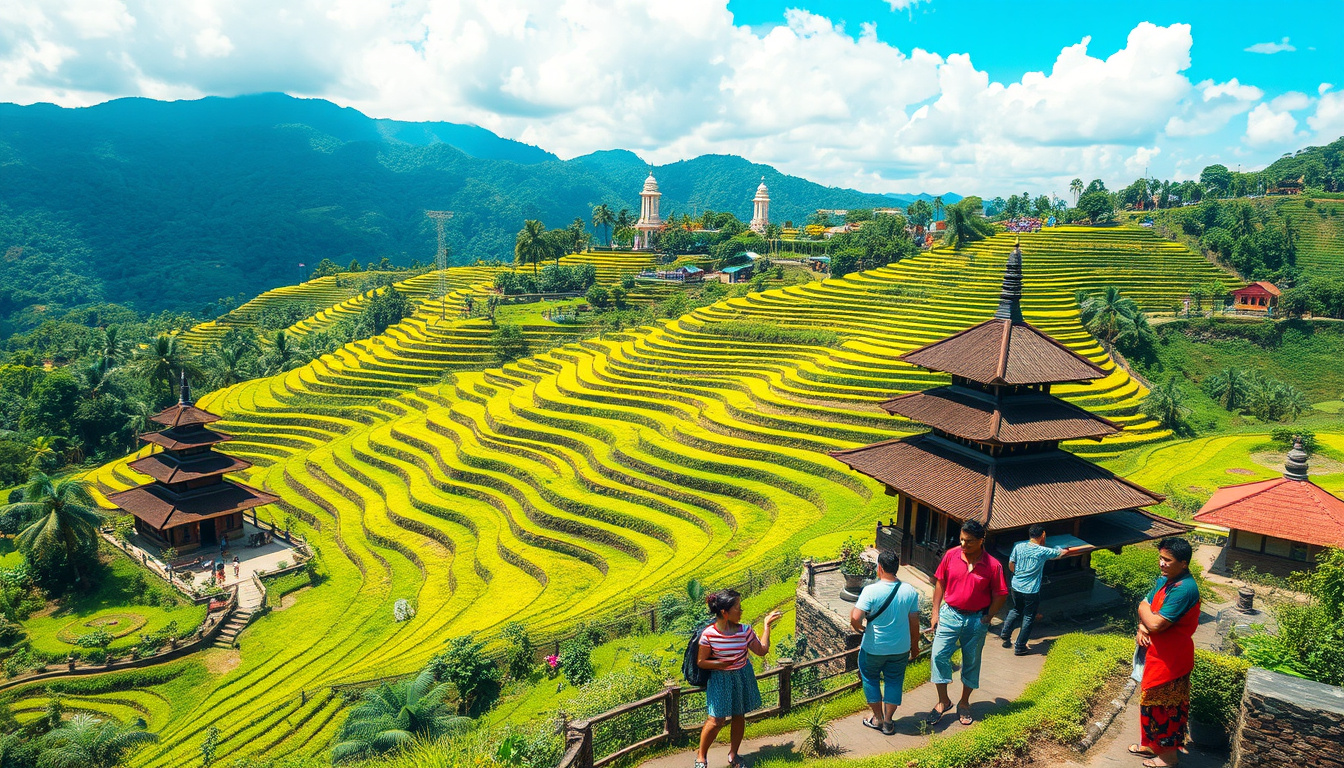

Is Lombok the New Bali? Some See Promise, Others Voice Concerns
Indonesia is embarking on an ambitious mission to turn the island of Lombok into a tourism hotspot akin to its famous neighbor, Bali. While some welcome this transformation and the economic opportunities it promises, others—including local residents and travelers—express caution and concern over the island’s changing identity and the social impact of rapid development.
A Hidden Gem Gaining Attention
Lying just east of Bali, Lombok offers stunning azure beaches, lush landscapes, and landmarks like Mount Rinjani, an active volcano beloved by hikers. Known for its relatively untouched charm and fewer crowds compared to Bali, Lombok has become a growing favorite among surfers and travelers seeking tranquility away from the bustling tourist hubs.
“For years, Lombok was the quiet alternative,” says Damar, a local surf guide who overcame childhood fears of foreigners to embrace the tourism industry fully. “Meeting people from different countries… it has opened my mind.”
Riding the wave of increased foreign visitors—81,500 arrivals in 2024, marking a 40% increase from the year before—Indonesian authorities have made Lombok a centerpiece in their strategy to diversify the country’s tourism industry and ease pressure on overcrowded Bali.
The Mandalika Project: Heart of the New Lombok
Central to this growth is the Mandalika region in southern Lombok, which has seen swift changes including the development of luxury resorts, a new international school, and a race track that recently hosted a motorcycle Grand Prix event attracting nearly 150,000 spectators.
These developments have attracted hundreds of millions of dollars in investment, including a $250 million loan from the Asian Infrastructure Investment Bank, signaling Jakarta’s strong commitment to Lombok’s tourism future.
However, not all locals have benefited equally from this transformation. Between 2019 and 2021, numerous families—Damar’s among them—were evicted from their homes to make way for Mandalika’s infrastructure developments. Many criticized the resettlement and compensation processes as inadequate.
“I was angry, but I cannot do much. I cannot fight against the government,” reflects Damar. Despite his personal success in the tourism sector, the experience underscores tensions simmering beneath Lombok’s growth narrative.
The Cost of Development: Evictions and Loss of Livelihood
Further north along the coast at Tanjung Aan beach, moments of upheaval unfolded in July when security forces demolished nearly 200 beachside stalls. Many stall owners who relied on selling food and goods to tourists lost their primary source of income abruptly, fueling resentment among the local community.
“Thousands of people depend on this coastal land for their livelihood,” said Adi, a former stall owner. “Where else are we supposed to go to earn a living?”
The authority behind the Mandalika developments, the state-owned InJourney Tourism Development Corporation, justifies these moves by citing the need for luxury hotels and the projected creation of jobs to boost the local economy. Yet human rights groups and UN experts have raised alarms about perceived rights violations and inadequate resettlement planning.
Preserving Culture Amid Change
Beyond infrastructure and economic debates, Lombok faces challenges preserving its unique cultural identity. Predominantly Muslim and home to the indigenous Sasak people, the island maintains more conservative social norms compared to Bali. Tourism advisories often encourage modest dress codes and cultural respect.
Some tourists fear that “Bali-fication”—the replication of Bali’s mass tourism model—could erode Lombok’s distinctive character. Swiss visitor Basil Berger voiced his concerns: “Lombok is special because of its nature and people. If they want to see Bali, they should go to Bali. Turning Lombok into another Bali is the worst thing that can happen.”
Environmental Concerns and Sustainability
Environmental impacts also loom large, with major events like the motorcycle Grand Prix generating tons of waste that strains local cleanup efforts. Observers warn that Lombok could follow Bali’s trajectory toward traffic congestion, pollution, and overdevelopment unless sustainable practices and community welfare are prioritized.
Sekar Utami Setiastuti, a Bali resident, emphasizes that tourism development “should bring welfare to many people, not just tourists.”
A Crossroads for Lombok
Lombok stands at a pivotal crossroads—poised between burgeoning economic opportunity and the risks of losing its cultural soul and natural beauty. While the government’s push to create a “new Bali” could generate income and jobs, the island and its people face tough questions about how to balance growth with inclusivity, cultural respect, and environmental stewardship.
As the island’s story unfolds, the hope among many is that Lombok will craft its own identity, thriving as a unique destination rather than simply an echo of its famous neighbor.



Add a comment