





Is Lombok the New Bali? Mixed Feelings as Indonesia Pushes Tourism Expansion
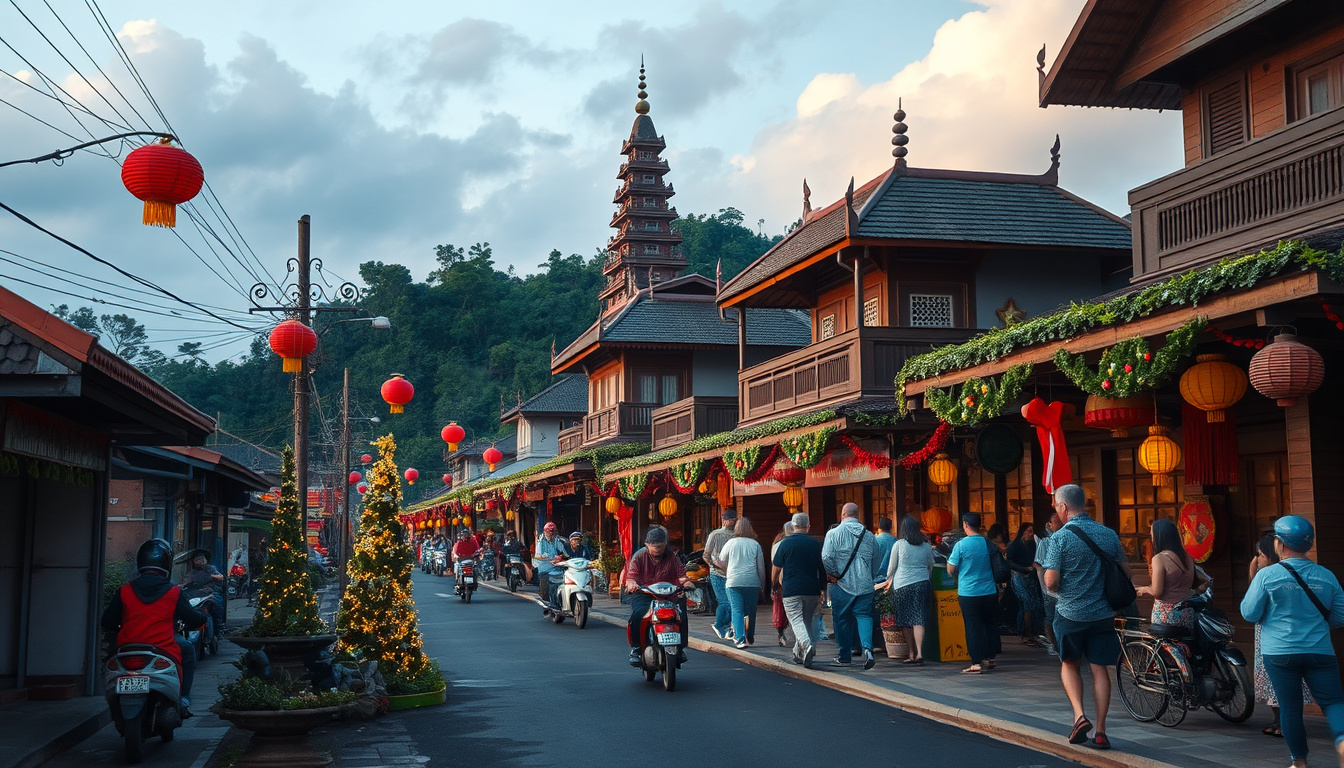
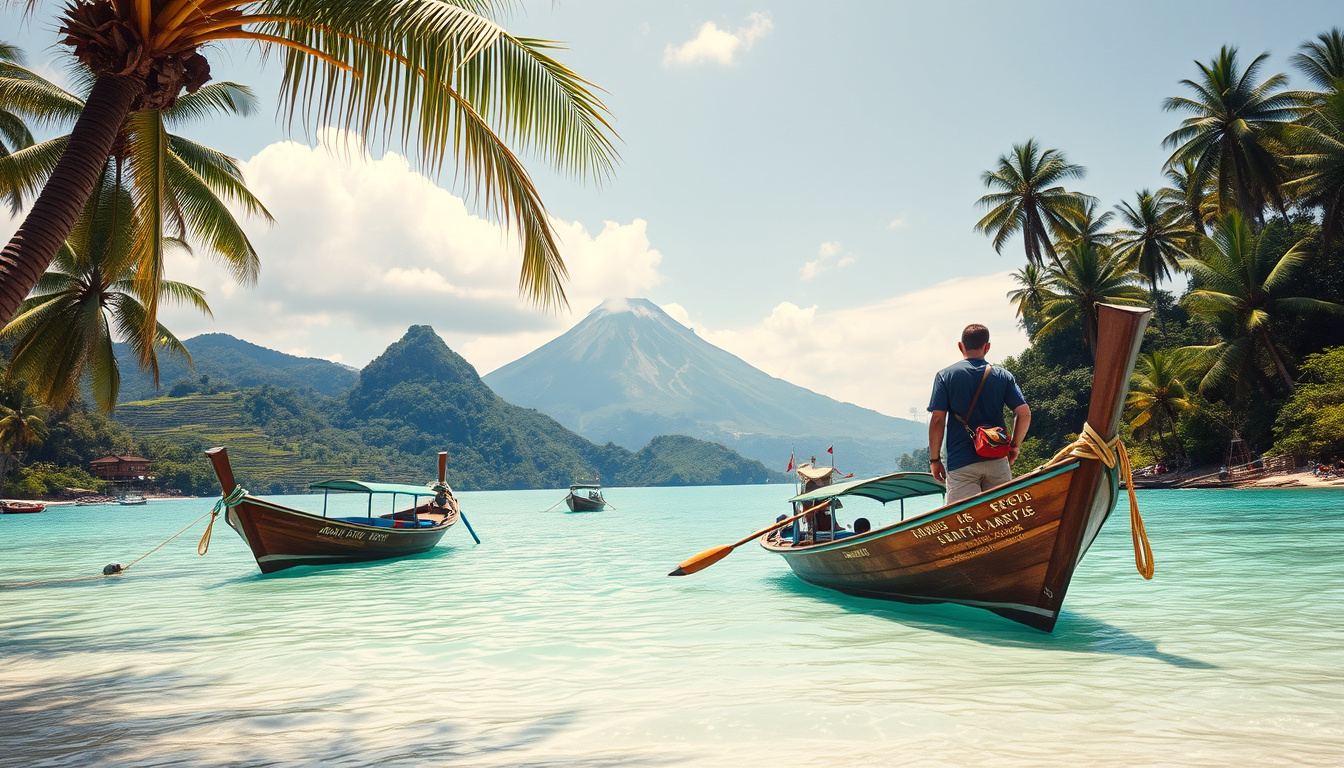
Indonesia is actively transforming the island of Lombok into a major tourist destination similar to its well-known neighbor, Bali. While some people see Lombok as an exciting new travel hotspot offering pristine beaches, surfing, and hiking opportunities without the crowds, others in the local community express doubt and concern about the rapid development and its social impacts.
A Local Perspective: From Childhood Fear to Surf Guide Success
Damar, a 39-year-old surf guide with fluent English, shares a compelling personal story that reflects Lombok’s evolving relationship with tourism. As a child, he was terrified of foreigners visiting his island, but over time, his fear diminished as tourism brought new opportunities. Today, Damar takes visitors out to surf and appreciates his career shift from traditional fishing to the tourism industry, which doubled his income.
However, Damar’s story also highlights some of the challenges faced amid development. His village was among those cleared to build the Mandalika MotoGP racetrack, forcing him and many families to relocate. Though frustrated by the government’s handling and the lack of fair compensation, Damar distinguishes his grievances from any animosity toward tourists themselves.
Government’s Vision: Creating “More Balis” in Indonesia
For decades, Bali has dominated Indonesia’s tourism sector, attracting millions of visitors globally. Yet this success has led to congestion, pollution, and diminished visitor satisfaction. In response, Indonesian authorities have launched initiatives to expand tourist destinations, aiming to replicate Bali’s popularity elsewhere. Lombok, specifically its Mandalika region, is the focal point for this “Bali-fication” effort.
Significant investments have poured into infrastructure and luxury developments, including a $250 million loan from the Asian Infrastructure Investment Bank. The Mandalika area now features high-end resorts, international schools, and new entertainment venues. Most recently, the world motorcycle Grand Prix drew nearly 150,000 spectators.
Local Communities Face Evictions and Displacement
Not everyone benefits from Lombok’s transformation. The Mandalika project has involved evicting dozens of families, including longtime residents like Damar. Similar displacement occurred in Tanjung Aan beach, where nearly 200 small business stalls were demolished to make way for a luxury hotel. Stall owners, some of whom have paid taxes and relied on the beach for their livelihood for years, report receiving little notice or adequate resettlement options.
Human rights groups estimate over 2,000 people lost their primary incomes overnight due to recent evictions. UN experts and watchdog organizations have called attention to incomplete compensation and rights violations linked to the development projects.
Cultural and Environmental Concerns Stir Debate
Lombok’s largely Muslim population, traditional Sasak culture, and more conservative social norms contrast with Bali’s tourist-friendly atmosphere. Visitors to Lombok are advised to respect local customs by dressing modestly and behaving appropriately. Many locals worry that mass tourism and commercialization along the coast might erode the island’s unique identity and cultural fabric.
Tourists who have fallen in love with Lombok’s quiet charm also voice doubts. Some argue Lombok’s appeal stems from its difference from Bali, and turning it into a “second Bali” could diminish its allure. Environmental issues compound concerns, as events like the motorcycle Grand Prix produced significant waste and strain on local resources.
Looking Ahead: Balancing Growth with Preservation
As Lombok continues to develop rapidly, finding a sustainable and inclusive model for tourism that respects local communities and cultures remains a critical challenge. Experts urge the government to consider welfare distribution and environmental stewardship, ensuring that economic benefits extend widely without sacrificing Lombok’s distinctiveness.
Whether Lombok will become Indonesia’s next Bali or carve out its own identity is a question that both residents and visitors contemplate. What is clear is that a new chapter in Lombok’s story is underway—one that carries enormous promise yet requires careful navigation to avoid repeating Bali’s pitfalls.



Add a comment