




Bali’s Paradise in Peril: Confronting the Island’s Shockingly Overcrowded Tourism Boom
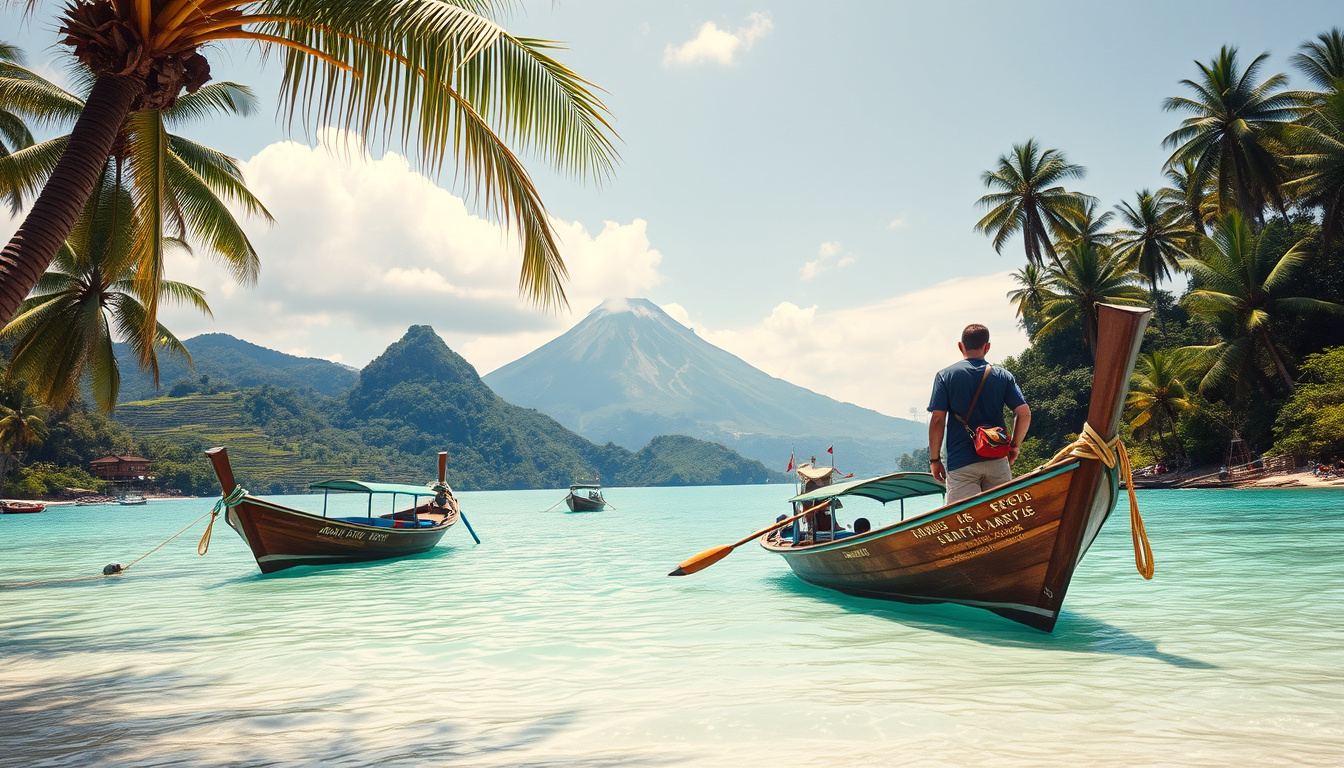
The idyllic island of Bali—renowned worldwide for its palm-fringed beaches, spiritual temples, terraced rice fields, and laid-back atmosphere—is facing an unprecedented challenge. Beneath the postcard-perfect scenery lies a mounting crisis fueled by an overwhelming surge in tourism that is pushing the island beyond its capacity. The reality now threatens to transform this “untouched paradise” into what many locals and experts describe as a “paradise under pressure.”
Tourism Boom Surpasses Pre-Pandemic Levels
In 2024, Bali welcomed over 6.3 million international tourists, exceeding records set before the COVID-19 pandemic and marking a decisive rebound in global travel. While this growth highlights Bali’s enduring appeal as a premier destination, the sheer volume of visitors has ignited widespread concerns around sustainability. Overcrowded beaches, congested traffic, escalating waste problems, and stressed infrastructure have led to a growing perception among residents that the island’s very soul is being squeezed by tourism’s rapid expansion.
Concentrated Overcrowding in Southern Bali
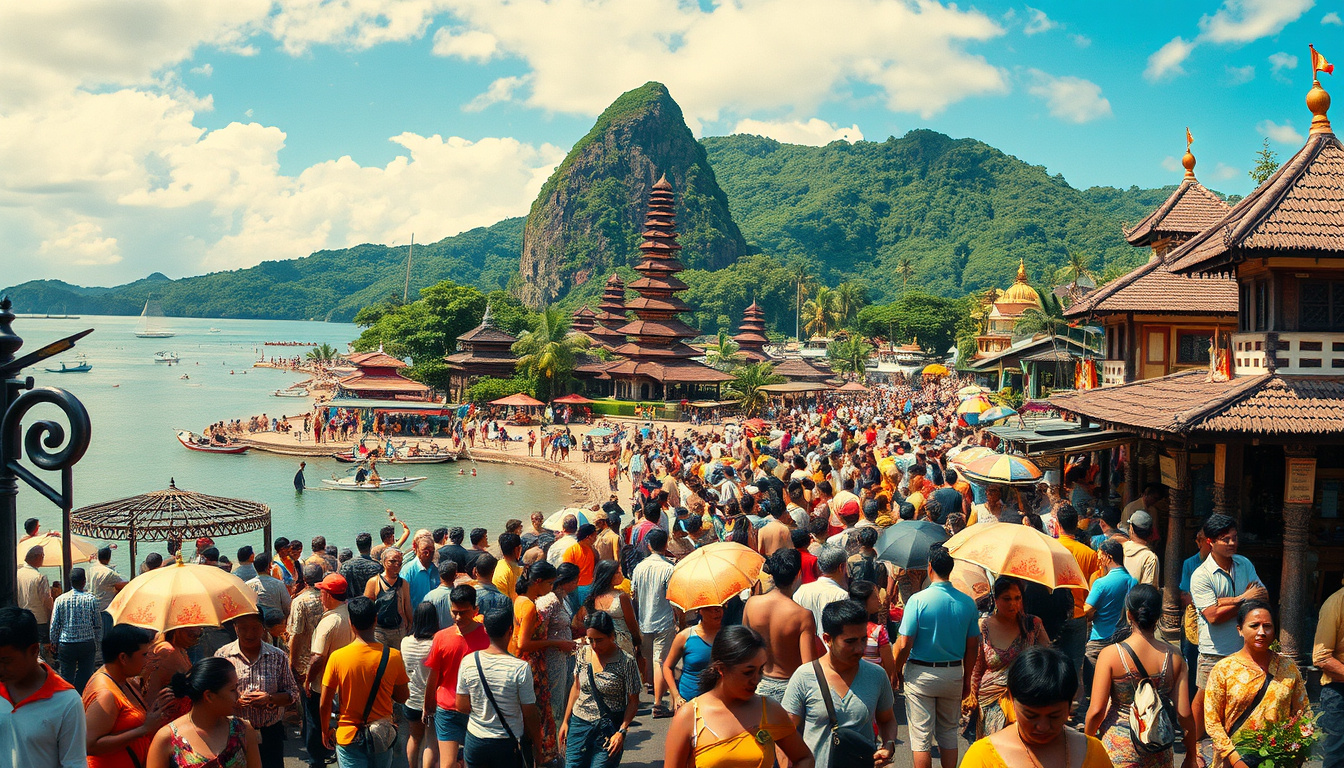
Although the entire island is not uniformly overwhelmed, specific regions—particularly southern Bali’s Badung and Denpasar areas—are experiencing acute overcrowding. These hotspots face intense pressure, exemplifying classic symptoms of overtourism. Tourists flock to a handful of popular destinations while other parts of the island remain comparatively under-visited, resulting in major imbalances.
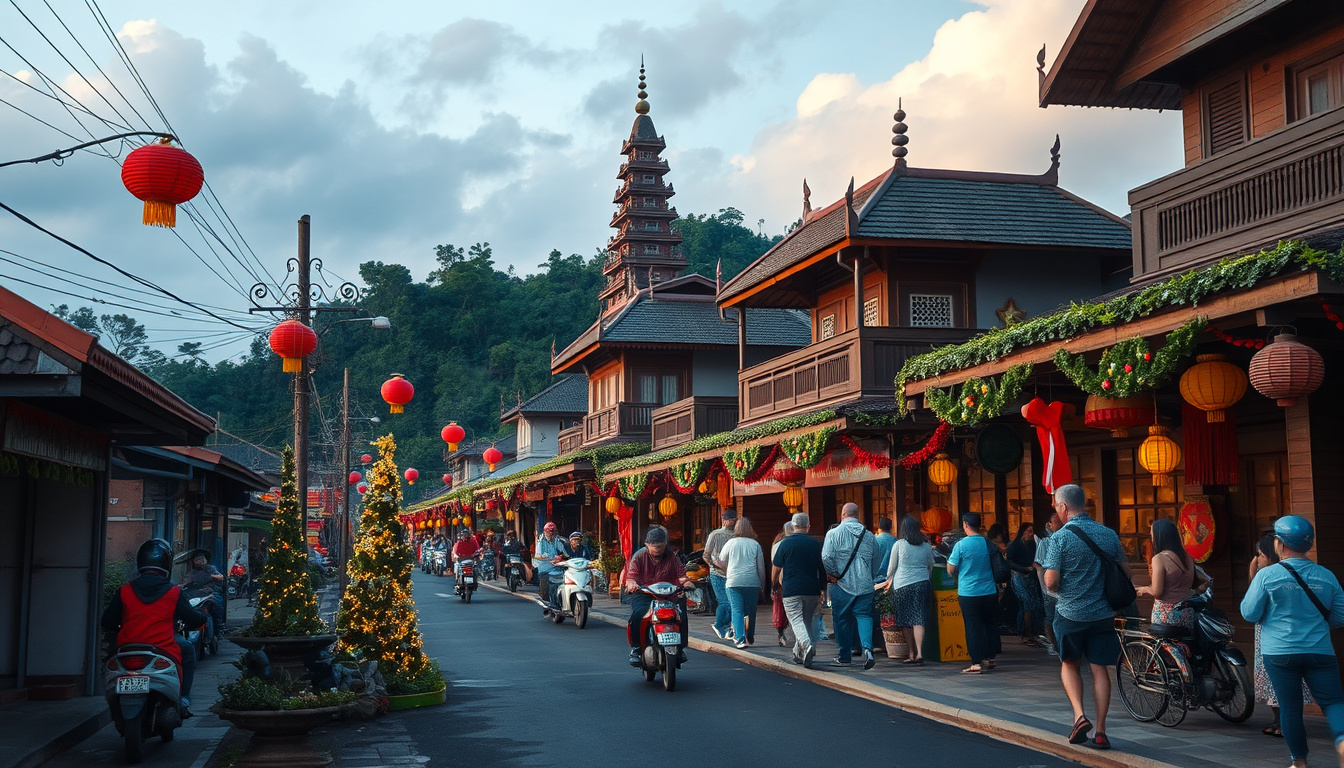
Consequences are visible everywhere: traffic grids mimic the chaos of large urban centers; once-pristine beaches are increasingly littered with waste; and local water supplies and infrastructure, originally designed for much smaller populations, are buckling under increased demand. Bali’s reputation remains intact, but the strains on its environment and communities are hard to ignore.
The Compounding Challenges
Several interconnected issues are driving Bali toward a potential tourism crisis:
-
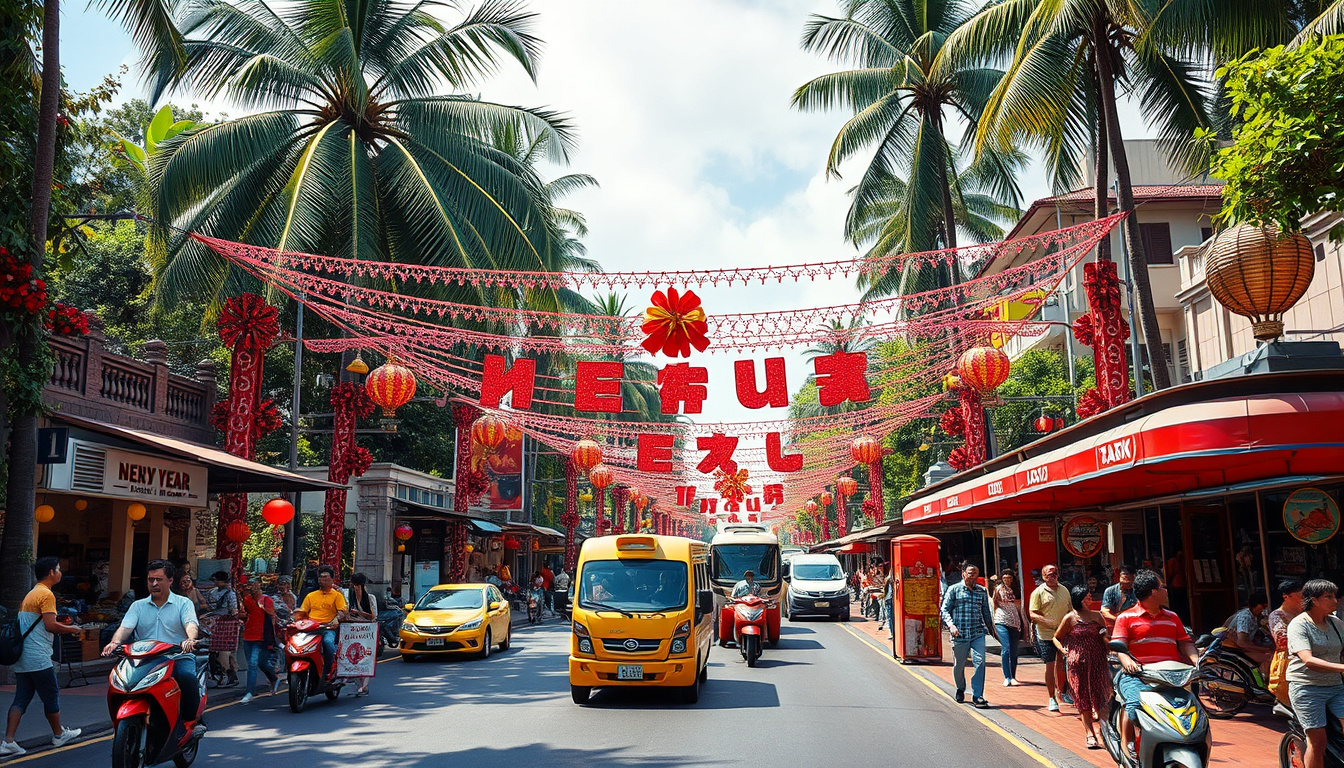
Traffic and Infrastructure Overload: Road congestion is rampant in key tourist zones. The majority of tourism infrastructure and developments are clustered in a few areas, exacerbating the problem. Narrow secondary roads and scarce public transportation options intensify the gridlock.
-
Environmental Stress: Waste management systems are overwhelmed, as heavy visitor footfall leads to large accumulations of trash on beaches and surrounding areas. Water resources are also under pressure since hotels and resorts consume substantial quantities, affecting access for local residents and impacting fragile ecosystems.
-
Cultural and Social Friction: The concentration of tourists in sacred and culturally significant sites has led to behavioral problems and concerns over commodification of local traditions. Communities in rapidly developing locations such as Canggu worry about the erosion of their cultural heritage and community cohesion.
-
Economic Imbalance: Tourism dollars and investments are heavily concentrated in southern Bali, creating pockets of prosperity but also leaving other regions underserved. This uneven development feeds local frustration and shortcomings in infrastructure and services across the island.
Steps Toward a Sustainable Future
Bali’s authorities and community leaders acknowledge the severity of the situation and have proposed a range of interventions. While progress to date has been slow, recommended measures include:
-
Enforcing strict visitor carrying-capacity limits in the most overcrowded southern areas to prevent further degradation.
-
Promoting tourism development in northern and eastern parts of the island, which currently have more capacity to absorb visitors.
-
Implementing a compulsory, universally collected tourist tax aimed at funding environmental conservation and infrastructure upgrades.
-
Cracking down on illegal construction, visa violations, and unregulated business activities to regain control over tourism growth.
-
Empowering local banjar (village councils) with the authority to reject large tourism projects that threaten community autonomy and cultural integrity.
The success of these strategies hinges critically on strong political commitment, interagency coordination, and rigorous enforcement.
Why This Matters to Visitors and Locals Alike
For tourists planning a trip to Bali, the overtourism problem can translate into longer wait times, increased traffic delays, less pristine beaches, elevated prices, and a shift away from the island’s signature tranquility. While still undeniably attractive, the visitor experience may become less laid-back and more stressful unless measures are taken.
For Bali’s residents, the stakes are far greater. The island’s water supply, cultural heritage, social harmony, and day-to-day quality of life are all vulnerable to unchecked tourism growth. Although tourism remains a vital economic lifeline, if mismanaged, it risks alienating locals and undermining the very attributes that draw visitors in the first place.
The Path Forward: Can Bali Save Its Paradise?
There is still hope for Bali to protect its unique charm and natural beauty. Achieving this will require a deliberate shift toward “quality over quantity” in tourism: attracting fewer visitors who are better dispersed across the island and more respectful of its culture and environment. The roadmap exists, but turning plans into results will require sustained political will and community engagement.
Final Reflections
Bali continues to be a beautiful, culturally rich, and welcoming destination. Yet the visible pressures—traffic jams, crowded beaches, overflowing waste, and local unease—signal urgent challenges. Travelers should approach Bali thoughtfully: consider exploring less-visited areas, support local businesses, respect cultural norms, and seek sustainable experiences.
The best version of Bali is more than its most famous photo spots—it is the island’s enduring spirit, its close-knit communities, and its invaluable natural and cultural treasures. Preserving that paradise demands collective effort from visitors, authorities, and residents alike. The time to act is now.



Add a comment