


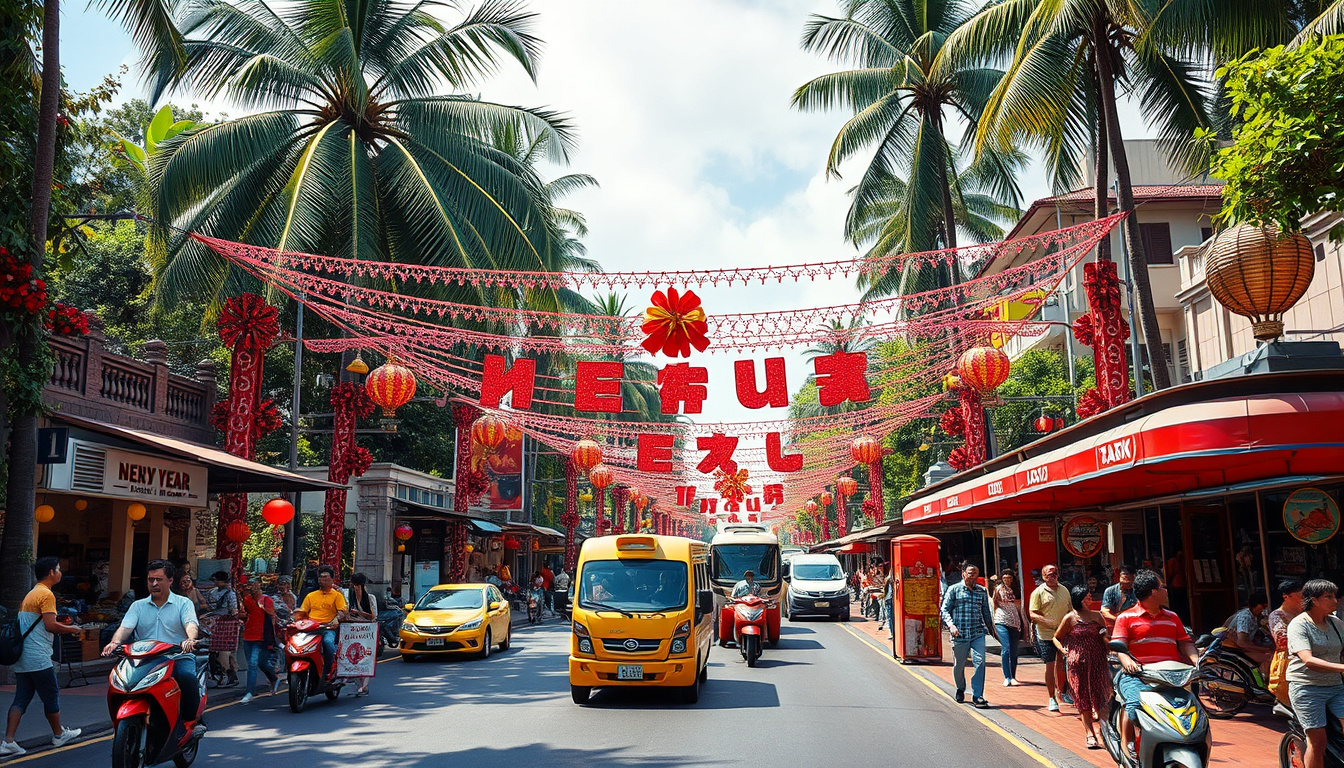

Instagram vs Reality: How Bali’s Success as an Influencer Paradise is Creating Challenges
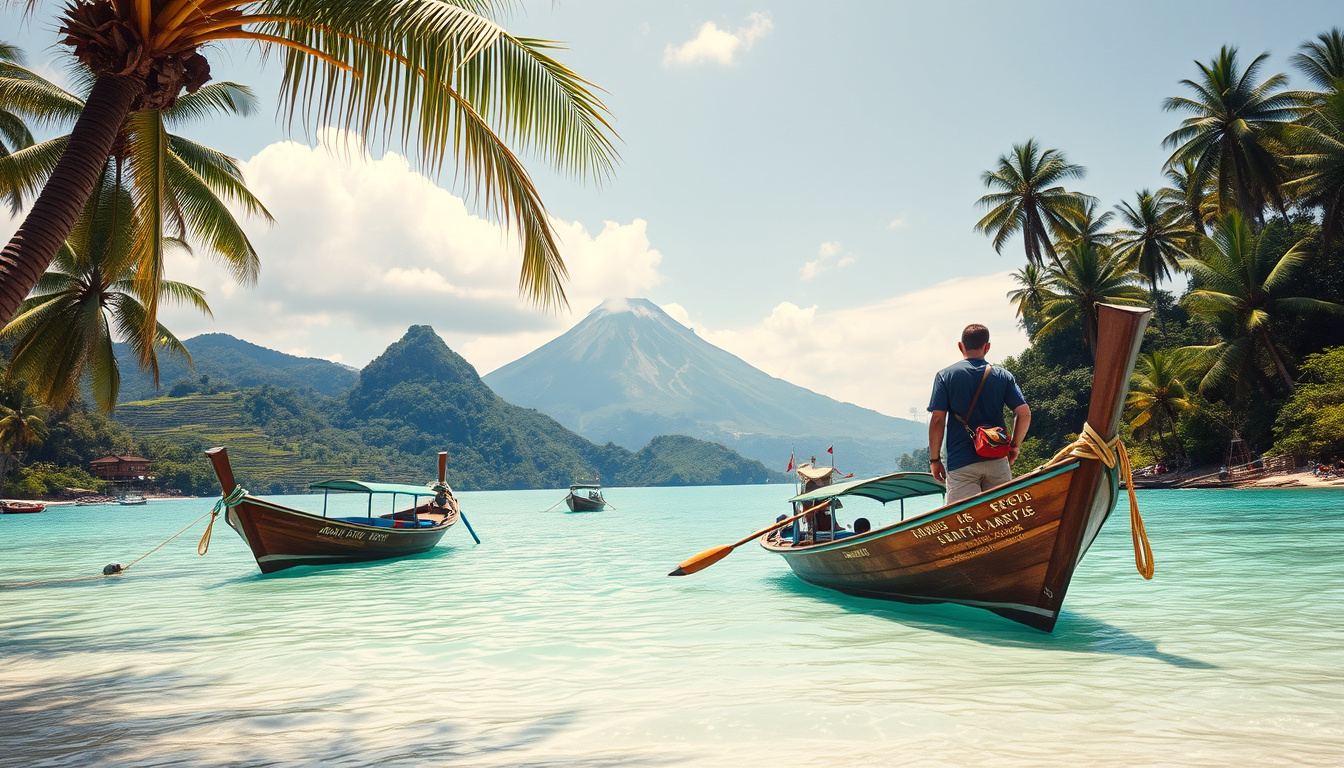
Bali, Indonesia’s famed tropical paradise, has long enchanted tourists with its stunning beaches, vibrant culture, and picturesque landscapes. However, the island is increasingly wrestling with the consequences of its soaring popularity, as the reality of Bali diverges sharply from its idyllic image portrayed on social media.
Expectations vs Reality
The contrast between glamorous Instagram posts and the actual experience of tourists is fueling growing disillusionment. British influencer Zoe Rae recently voiced her disappointment after arriving in Bali with sky-high expectations fueled by social media. Filming from her hotel room, she expressed the unsettling feeling that things were “not quite right.” Her disenchantment was so profound that she cut her trip short and flew to Dubai to celebrate her wedding anniversary instead.
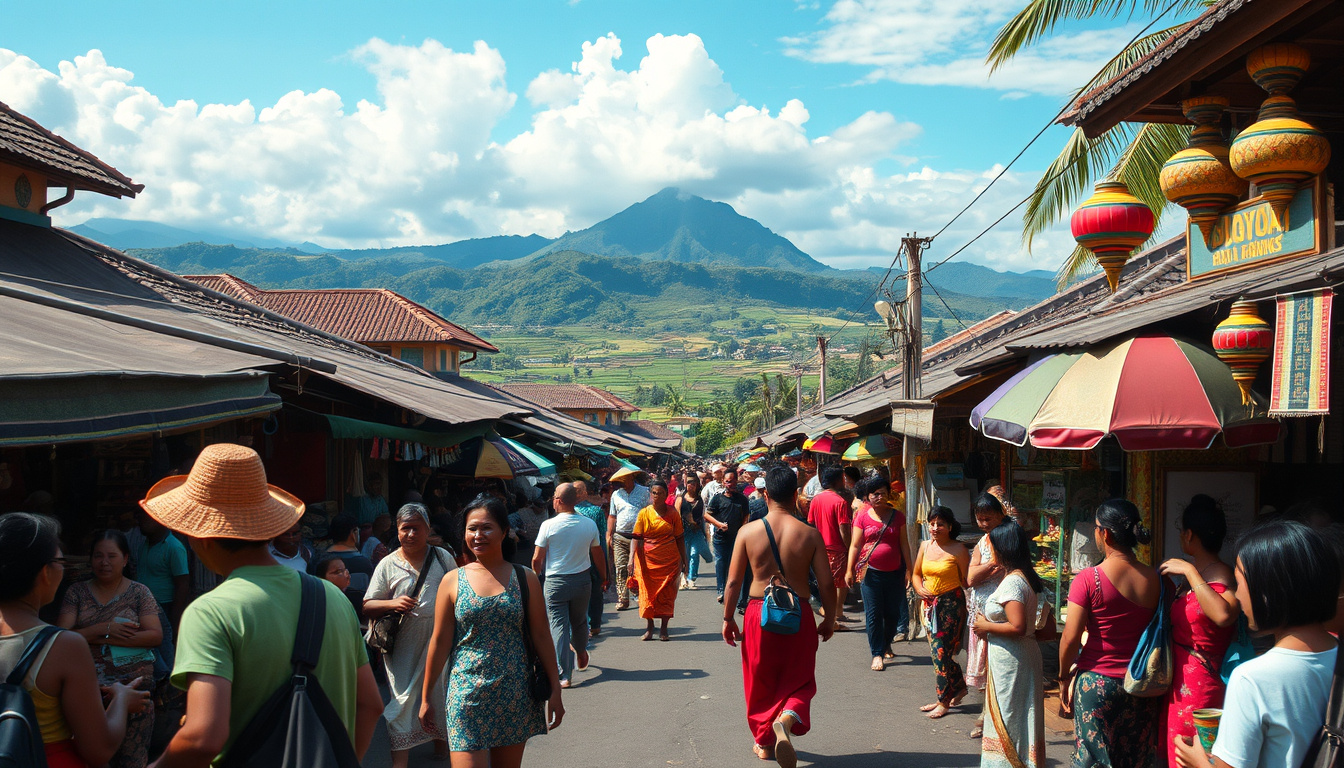
Her experience echoes frustrations shared by many travelers online. While Instagram captures visitors basking in sunsets at trendy beachside restaurants or posing at waterfalls, the reality often involves crowded tourist spots, long queues, traffic jams, and environmental challenges like visible piles of rubbish.
A Popularity Boom
Tourism in Bali has surged dramatically over the past decade. Visitor numbers climbed from 3.8 million in 2014 to 6.3 million last year, with projections of over seven million international tourists in 2024—a record number for the island. This influx has intensified pressures on local infrastructure, natural resources, and communities.
Bali’s rise as a luxury destination with boutique hotels, lavish villas, and vibrant beach clubs has attracted a wave of Western tourists seeking affordable indulgence. The island’s permissive atmosphere, including liberal alcohol policies and casual dress codes compared to the rest of Indonesia, further amplifies its allure.
Environmental and Social Strains
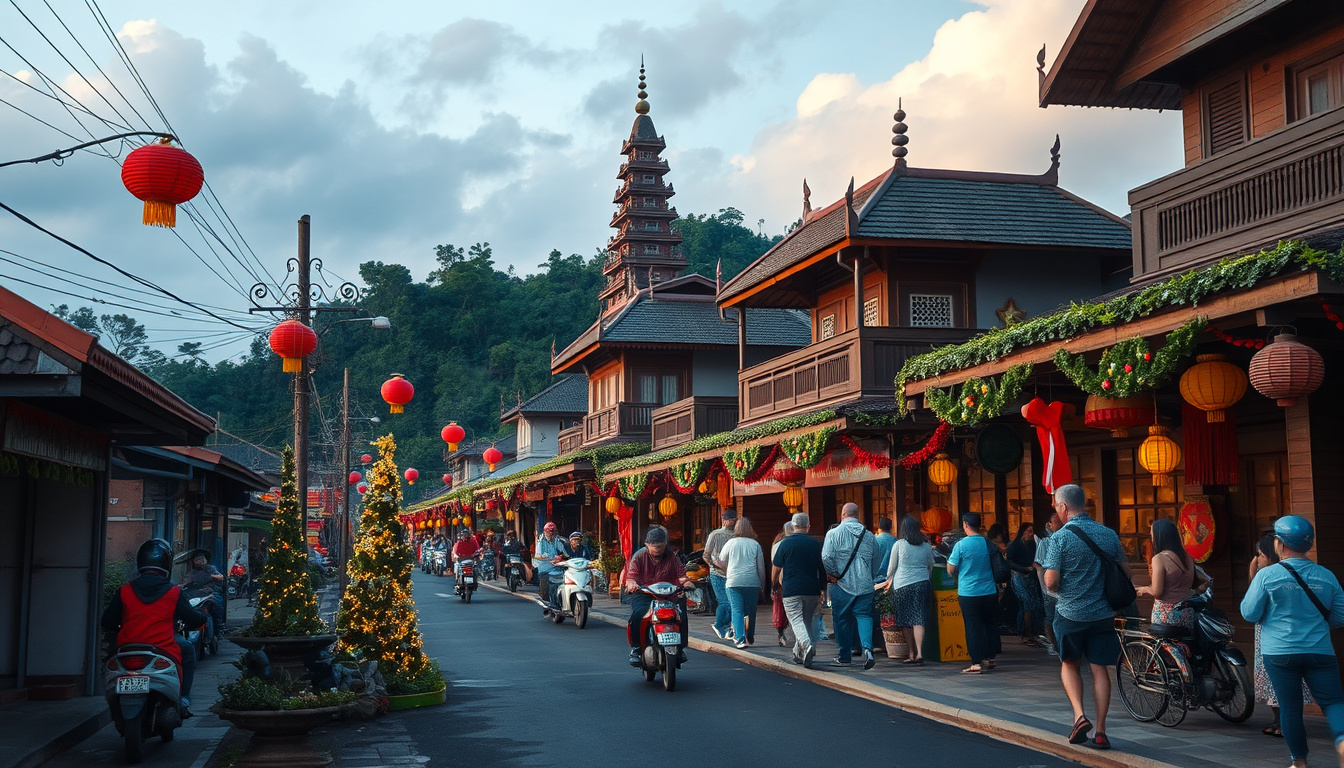
However, the rapid development has not come without its costs. Increased traffic congestion, unregulated construction, and poor waste management have marred Bali’s natural charm and livability. A stark example surfaced recently when a rare flood killed more than a dozen people—a tragedy exacerbated by inadequate infrastructure and urban sprawl. In response, local authorities announced construction restrictions, although many view this intervention as overdue.
Residents also note an erosion of traditional ways of life. Ni Kadek Sintya, a local wellness resort worker, recalls when quiet roads fringed by rice paddies were a daily backdrop, now replaced by traffic and urban chaos. For many locals, tourism is a double-edged sword: it provides vital income but threatens cultural and environmental sustainability.
Beyond the Tourist Hotspots
Despite the overcrowding in popular areas like Seminyak and Canggu—the latter transforming rapidly from a sleepy fishing village to a bustling surf and cafe hub—Bali retains lesser-known pockets of natural beauty and cultural richness. Influencers and locals alike urge visitors to explore beyond Instagram-famous spots.
“Bali is much, much more than the party places,” says Canny Claudya, who has lived on the island for years. Areas in northern Bali, such as Pererenan and Ubud’s forested retreats, offer tranquil alternatives for travelers seeking solace away from the crowds.
Yet spreading tourism risks extending environmental damage and overdevelopment even further. The delicate balance between welcoming visitors and protecting Bali’s heritage and ecosystems remains precarious.
Rising Tensions and Calls for Responsibility
Tourist behavior has also come under scrutiny, with incidents involving intoxicated scooter accidents, disrespect at sacred sites, and public disturbances making headlines. The arrival of thousands of displaced Russians and Ukrainians fleeing the war in Europe has added new social dynamics, with concerns about a surge in criminal activities.
Social media watchdogs among locals increasingly highlight tourists’ misconduct, challenging a common assumption among visitors that their spending entitles them to behave without consequences. This tension feeds into a broader conversation about sustainable and respectful tourism.
Hope for the Future
Despite these challenges, voices from the island express cautious optimism. Balinese researcher I Made Vikannanda believes there is still a way to harmonize development with environmental preservation. As custodians of a culture that venerates nature and spirituality, many hope that Bali can reclaim its identity beyond the glossy Instagram posts.
Tourism remains a vital economic lifeline for many Balinese, complicating calls for stringent restrictions. However, conversations about responsible travel, cultural integrity, and environmental stewardship are gaining urgency, signaling a turning point for Bali’s future as both a paradise and a community.
As Bali navigates the complex realities behind its influencer-fueled success story, visitors and locals alike are faced with the challenge of balancing admiration for this iconic island with the responsibility to preserve it for generations to come.



Add a comment