



Instagram vs Reality: How Bali Is Becoming a Victim of Its Own Success
Bali, Indonesia — Once celebrated as a tropical paradise and spiritual retreat, Bali is increasingly facing the challenges of over-tourism and environmental strain, leaving many visitors disillusioned and locals concerned. The island’s idyllic image, often carefully curated on social media, contrasts sharply with the realities experienced by both tourists and residents.
The Instagram Dream Cracks
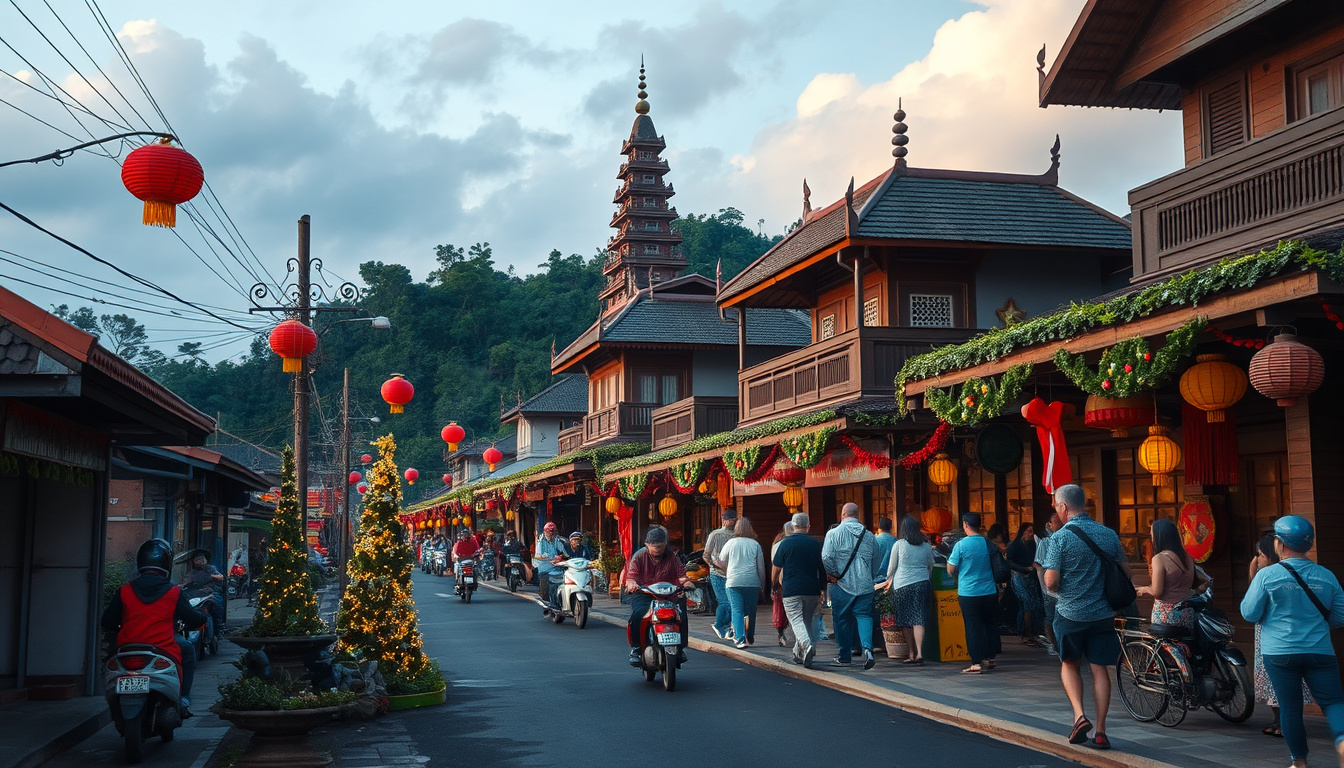
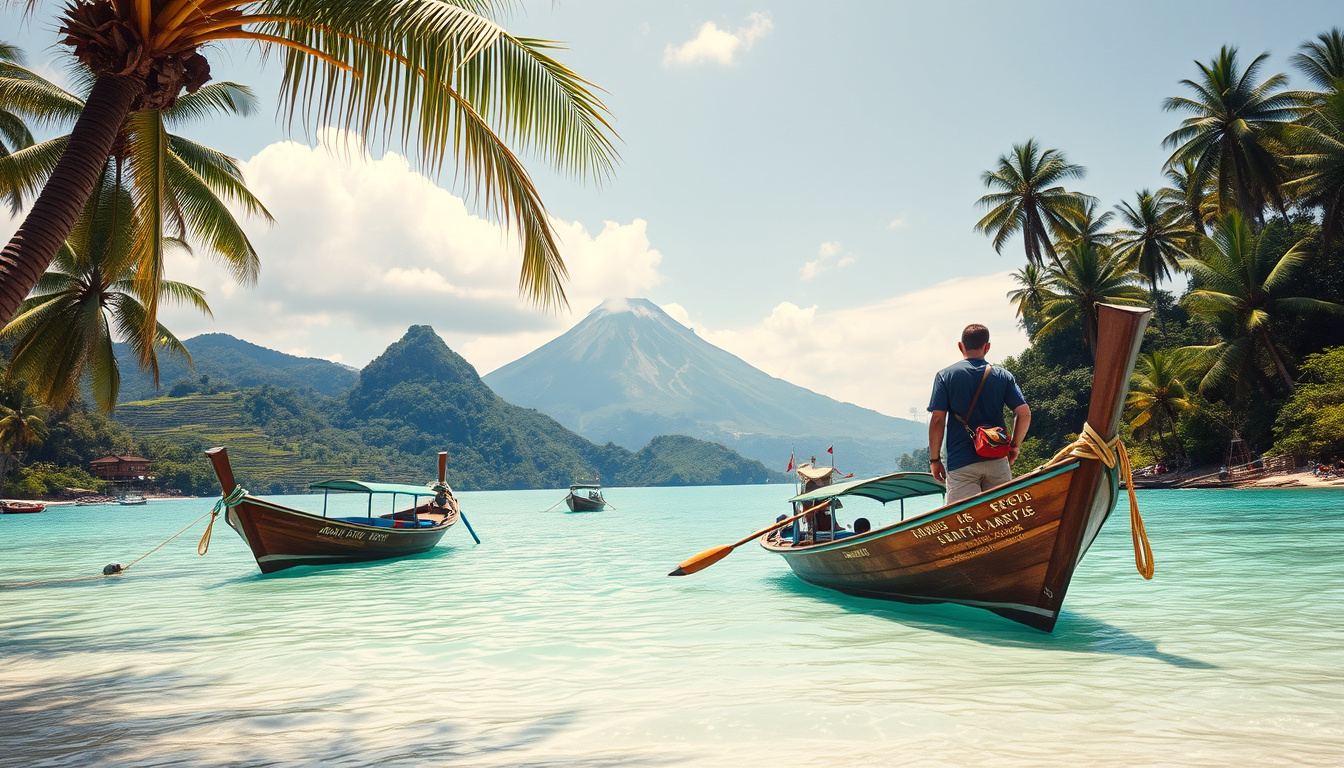
Many travelers arrive in Bali carrying expectations shaped by glossy Instagram posts showcasing serene beaches, sun-soaked cafes, and vibrant cultural experiences. Zoe Rae, a recent visitor whose experience drew attention online, epitomizes this growing dissonance. In a YouTube video filmed shortly after arriving, Zoe explained that despite Bali’s online allure, something felt “not quite right.” She highlighted a stark contrast between the picturesque coffee shops and their less glamorous surroundings, ultimately cutting her trip short and relocating to Dubai.
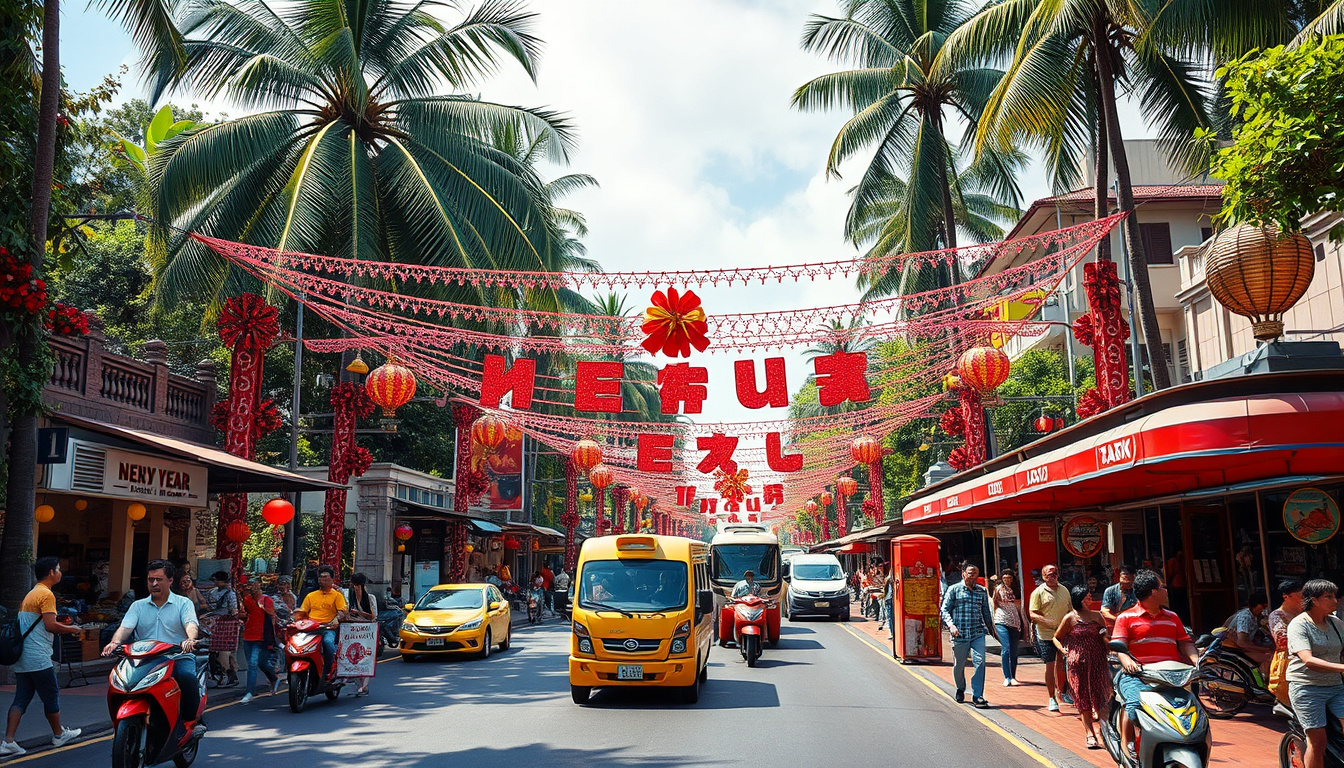
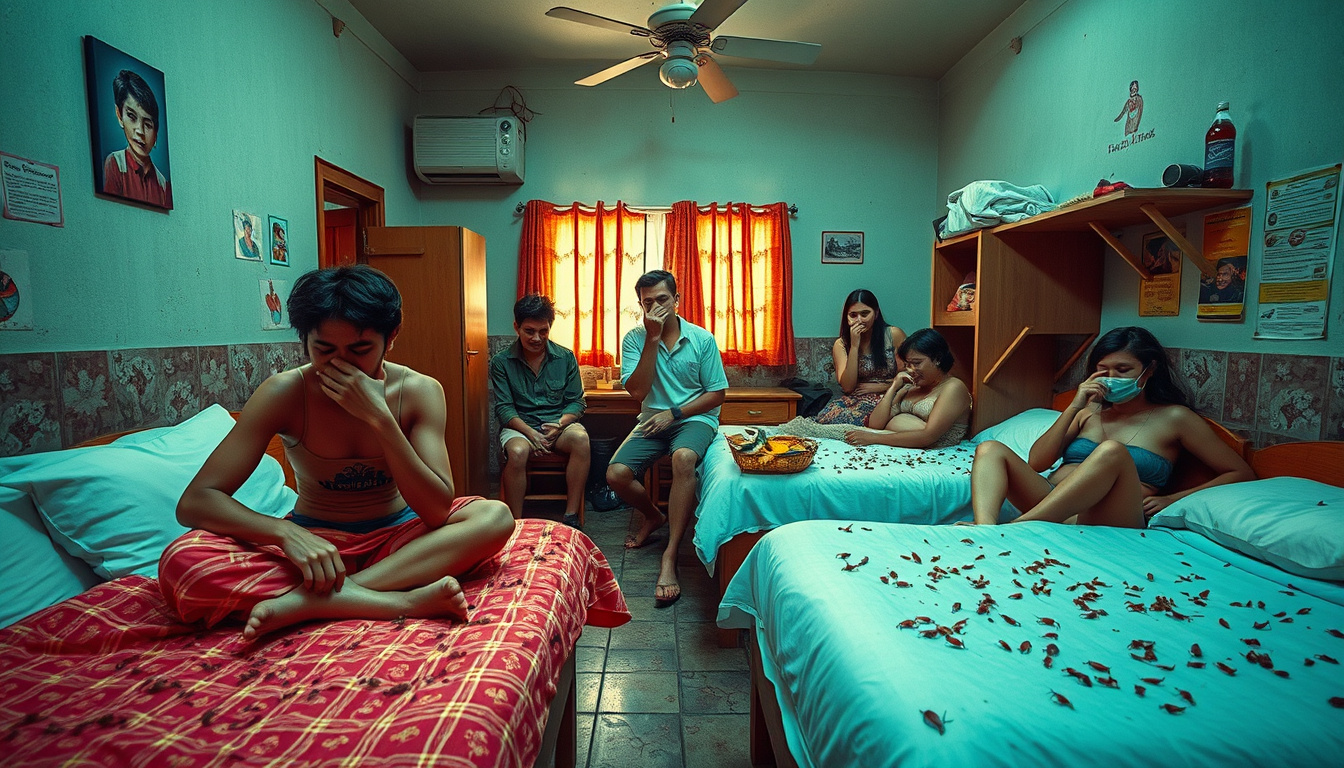
Other tourists have voiced similar frustrations across social media platforms, posting images of overcrowded tourist hotspots, traffic congestion, and littered pathways that undermine the island’s paradise persona. Popular locales such as beachside restaurants, waterfalls, and coastal roads often come with hidden downsides — rubbish accumulation, long queues, and air pollution from traffic jams.
Surging Tourist Numbers and Environmental Impact
Tourism on the island has boomed dramatically in recent years. International visitors have soared from 3.8 million in 2014 to over 6.3 million last year, with predictions for 2025 reaching more than seven million. This surge has triggered extensive development, including the rapid construction of hotels, villas, and amenities catering to tourists seeking a luxury lifestyle at affordable prices.
However, with growth comes consequences: infrastructure struggles to keep pace, natural landscapes are being altered, and waste management issues have become critical. Recently, devastating floods resulted in over a dozen fatalities, with officials citing poor urban planning and inadequate waste disposal as contributing factors. The local government has announced restrictions on new construction projects, but many residents and experts fear these measures may be insufficient or delayed.
A Culture and Nature in Flux
Bali’s original charm lies in its unique Hindu culture, deep spirituality, and close relationship with nature — elements that shaped the idealized image of the island for decades. Berlin-based travel writer Gisela Williams notes that this cultural heritage forged a mythic utopia, but modern tourism has shifted the island’s identity towards Western-oriented leisure and party scenes.
Locals like Hollie Marie, a British content creator residing in Bali, caution travelers against relying solely on Instagram for their impressions. She emphasizes that many tourists confine themselves to trendy neighborhoods, missing the “very culturally rich” areas beyond the popular hotspots. Residents encourage visitors to explore quieter northern regions, where natural beauty and traditional lifestyles remain intact.
Despite this, there is widespread agreement among Balinese that the island is changing rapidly and not always for the better. Locals such as Ni Kadek Sintya reflect on the loss of peaceful spaces replaced by crowded traffic and relentless construction. “Bali is being eroded day by day,” she laments, pointing to the transformation of once-rural roads into bustling hubs of commerce and tourism.
The Catch-22 of Over-Tourism
The spread of tourism into previously untouched areas, including Canggu and Pererenan, has brought economic benefits but also exacerbated environmental pressures. Developers continue to build new resorts and lifestyle venues to accommodate tourists’ appetites, while the island’s infrastructure struggles to cope.
This growth also brings social challenges. There have been reports of misbehavior by tourists, including accidents and disrespect at sacred sites, leading to tensions between visitors and locals. Recent arrivals of Russians and Ukrainians fleeing conflict have further complicated matters, with authorities warning of associated criminal activities.
Local Perspectives and Future Prospects
Despite frustrations, many Balinese remain dependent on tourism for their livelihoods. Ni Kadek Sintya expresses a sense of being trapped economically, reliant on the industry while recognizing its drawbacks. Researchers like I Made Vikannanda point out the paradox that tourists contributing to overcrowding are also among those complaining about it.
However, there is a growing call for more sustainable development. Measures aimed at protecting the island’s environment and culture are slowly being introduced, but the pace and scale of tourism growth present ongoing challenges.
Bali’s journey from a quiet cultural haven to a bustling international destination encapsulates the complex dynamics between aspiration, reality, and sustainability. While the island’s natural beauty and rich traditions still shine in less commercialized areas, the island’s future depends on finding a balance between welcoming visitors and preserving what makes Bali truly special.



Add a comment