




Indonesian Tourists Setting New Travel Trends for International Holidaymakers in Bali
Published: May 30, 2025
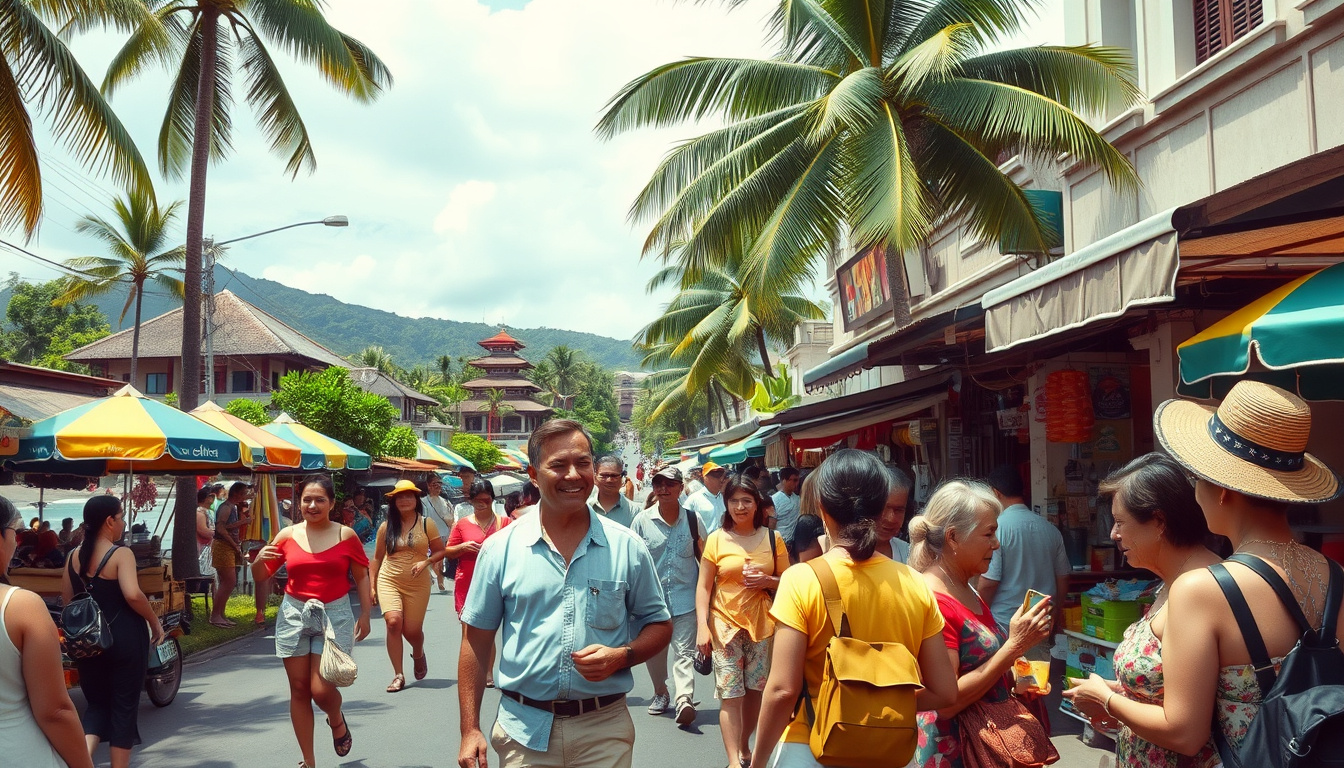
In recent months, Bali has witnessed a significant shift in its tourism landscape, with Indonesian domestic tourists emerging as the primary trendsetters for the island’s travel industry. Contrary to the initial perception that young travel influencers and bloggers dominate travel trends, it is the local tourist movement that is shaping the future of Bali’s appeal to international visitors.
Surge in Domestic Tourism
Recent data released by the Indonesian Ministry of Tourism highlighted an impressive surge in domestic tourism, indicating that Indonesian nationals made 282.4 million trips in the first part of 2025—a remarkable increase of 12.71% compared to the same period in 2024. Additionally, there is a notable increase in overseas travel by Indonesian nationals, with 2.33 million trips taken abroad, marking a 6.5% uptick in the first quarter of 2024. ### Clean Tourism Movement Gains Traction
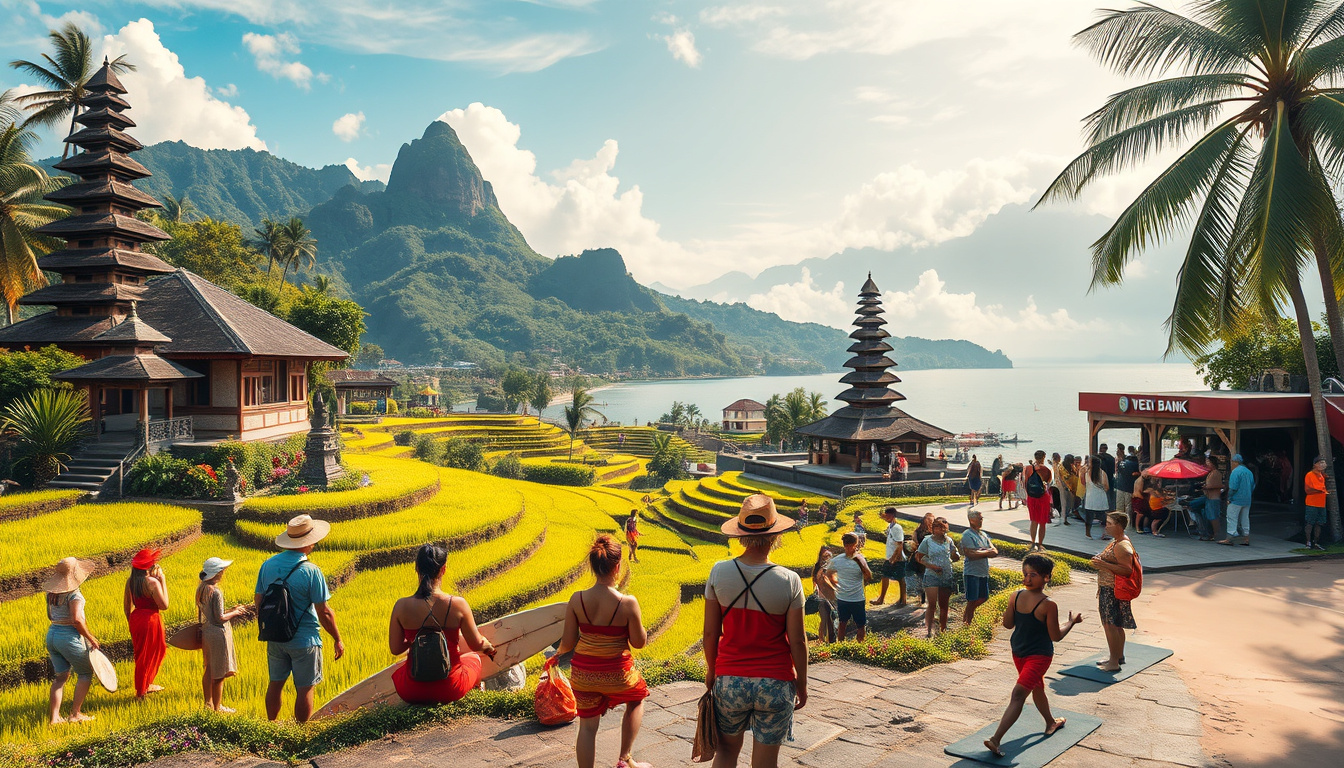
The rise in domestic travel has been further fueled by initiatives like the Indonesian Clean Tourism Movement. Launched on May 7, 2025, this campaign is focused on promoting sustainable travel practices among domestic tourists while actively engaging them in environmental conservation efforts. The initiative encourages participants to collect waste and clean up beaches, with an impressive 18.1 tons of waste already removed by over 5,600 citizens.
Deputy Minister for Tourism, Ni Luh Puspa, kick-started the movement with a beach cleanup event at Kedonganan Beach in Jimbaran. The program spans eight pivotal tourist destinations, including Bali, and aims to enhance the tourism landscape through both community involvement and investment in promotion from the Ministry of Tourism.
Emphasis on Community Tourism
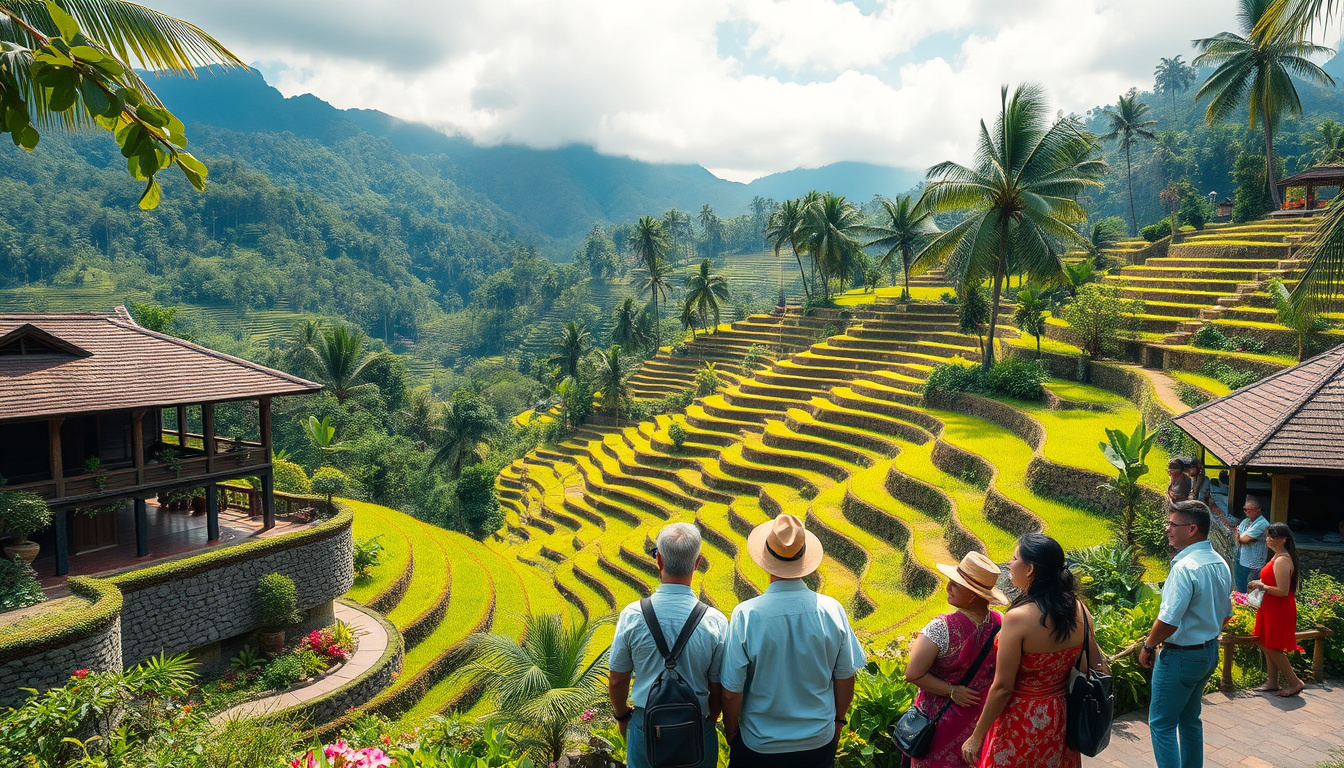
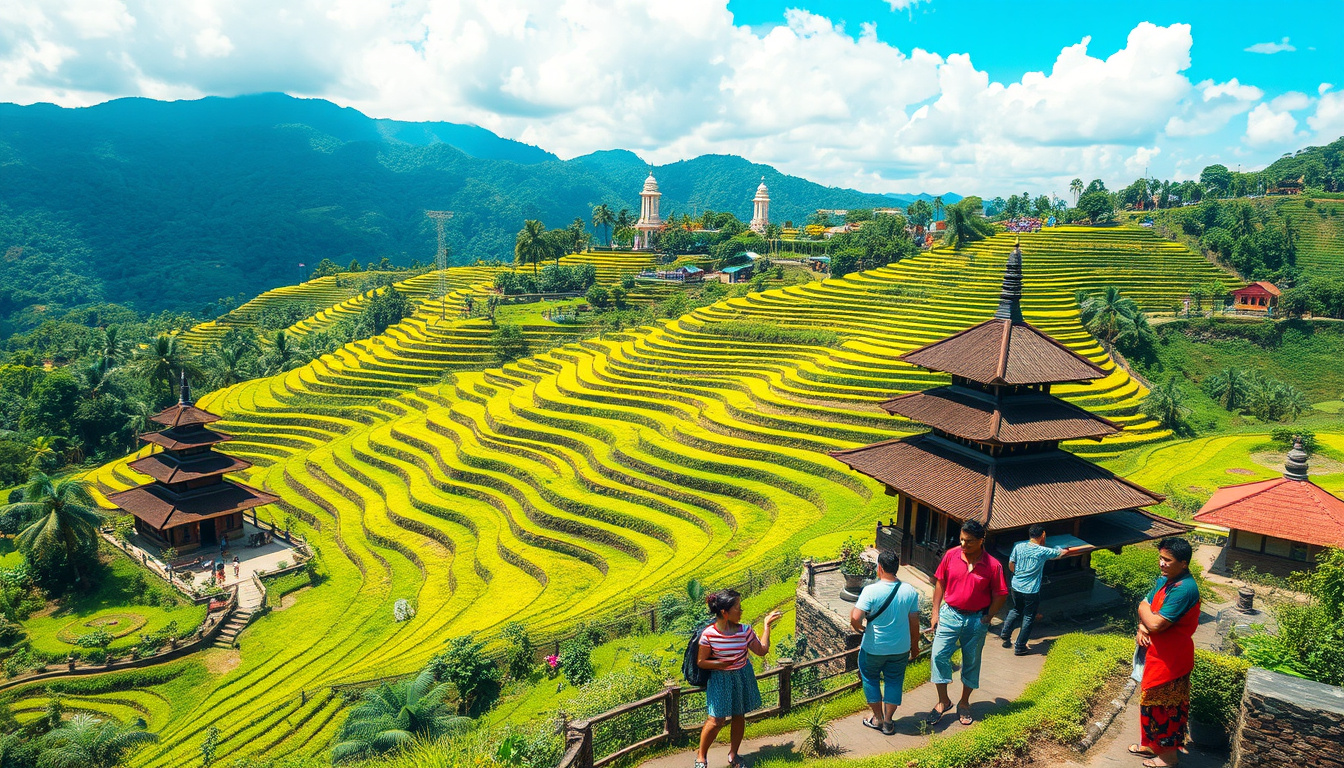
Equally instrumental in attracting domestic tourists is the Red and White Cooperative, part of the Indonesian Village Tourism Programme. This initiative encourages the development of tourism villages, crucial contributors to the country’s tourism sector. Several villages, such as Penglipuran, Jatiluwih, Taro, and Bakas, have gained popularity primarily among Indonesian travelers seeking authentic cultural experiences.
Indonesian Minister of Tourism, Widiyanti Putri Wardhana, noted the importance of collaboration and commitment across various sectors to enhance sustainable tourism and its impact on society.
Emerging Destinations and Opportunities
Tourists planning a visit to Bali can look forward to new offerings, such as the upcoming Traditional Art Market in Bongkasa Village, slated to open in early 2026. Situated just outside the cultural hub of Ubud, Bongkasa is known for adventure activities, including jungle ATV rides and white-water rafting on the Ayung River.
Additionally, less-explored regions of North and West Bali are gaining recognition through the new 3B Tour Package introduced by the Ministry of Tourism. This initiative combines these areas with Banyuwangi in East Java, promoting an itinerary rich with pristine landscapes and cultural heritage.
Conclusion
As the tourism dynamics in Bali shift, the influence of domestic tourists is becoming increasingly evident. With a focus on sustainability and cultural authenticity, this trend not only enhances the experience for local holidaymakers but paves the way for international visitors to immerse themselves in the true essence of Bali. Tourists looking to explore the island in the coming months are encouraged to consider these emerging destinations and community-driven initiatives as part of their travel plans.



Add a comment