


Instagram vs Reality: Bali – An Influencer Paradise Becoming a Victim of Its Own Success
By Koh Ewe, Singapore and Ade Mardiyati, Bali – 27 September 2025
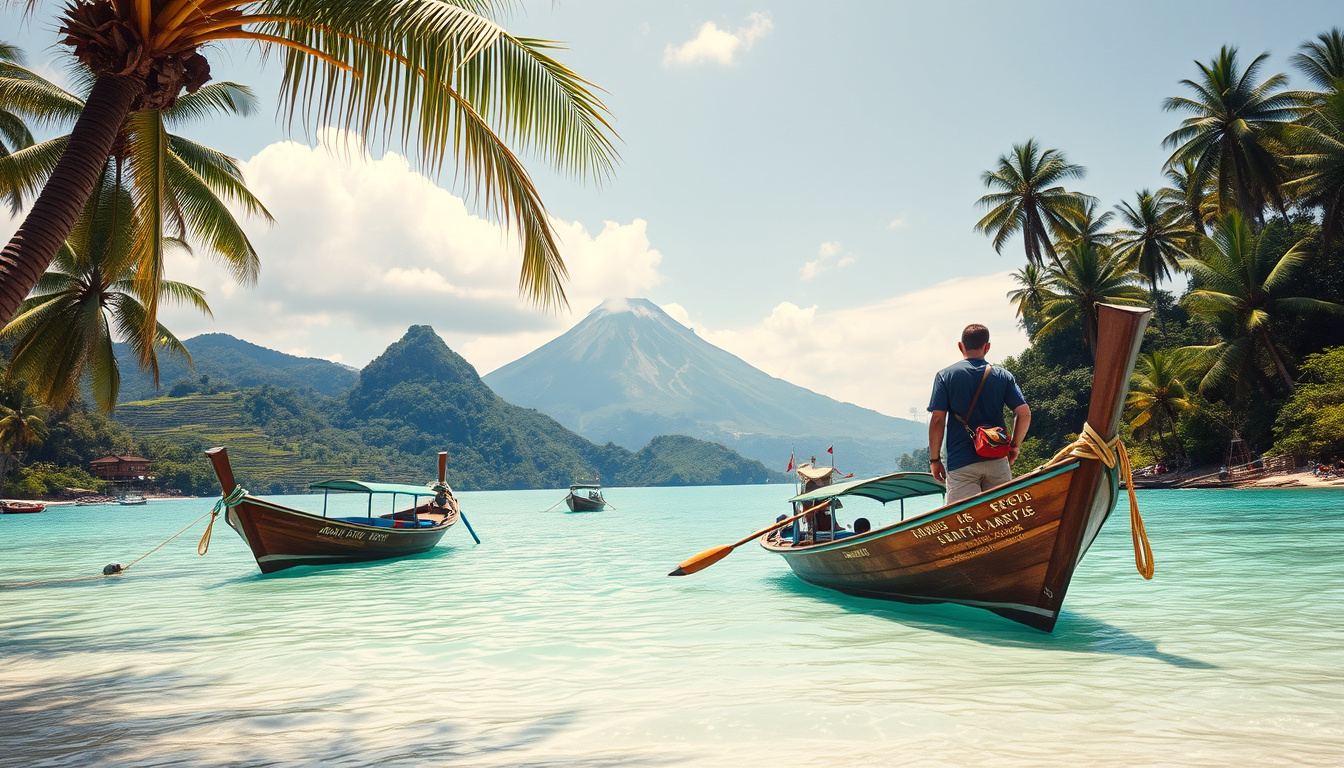
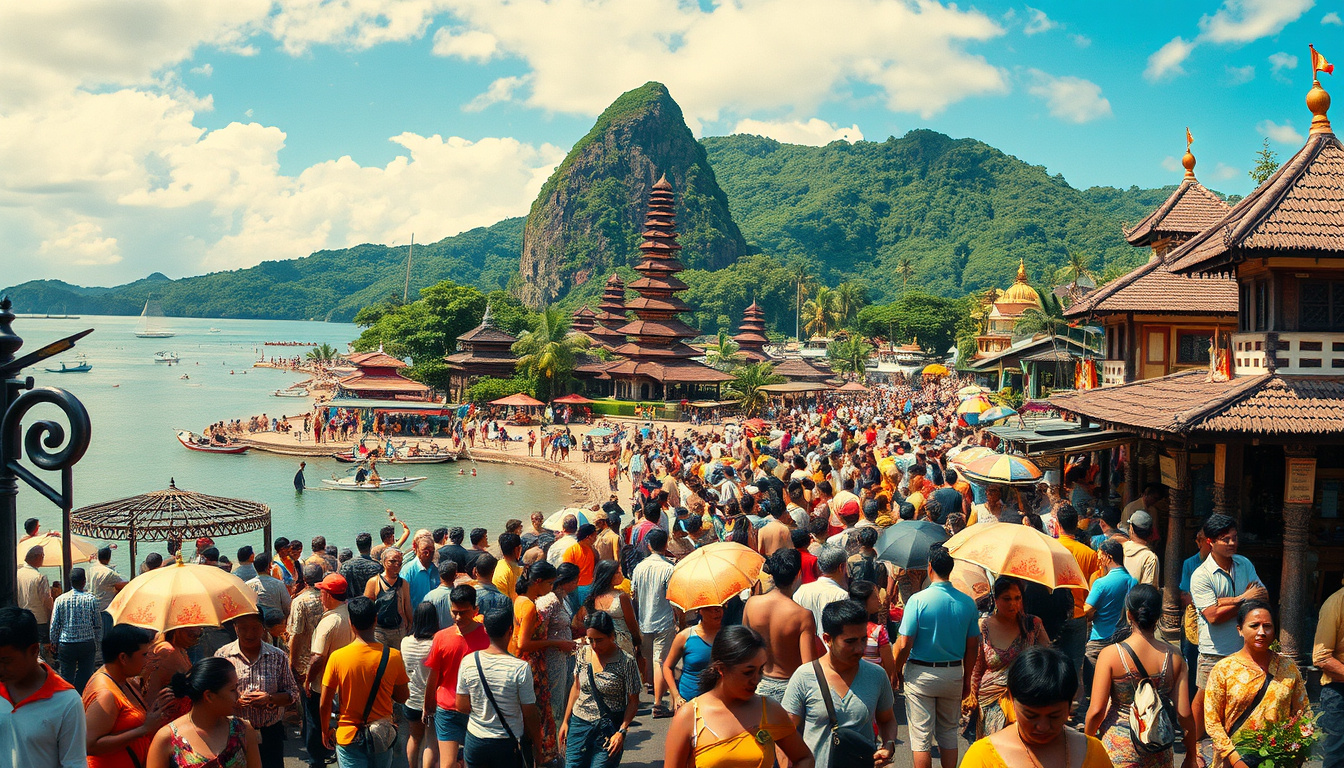
Bali, Indonesia’s famed tropical paradise, long celebrated for its natural beauty, rich culture, and spiritual allure, is increasingly facing a stark contrast between the idyllic images shared on social media and the reality experienced by many visitors and locals alike.
From Dream Destination to Disillusionment
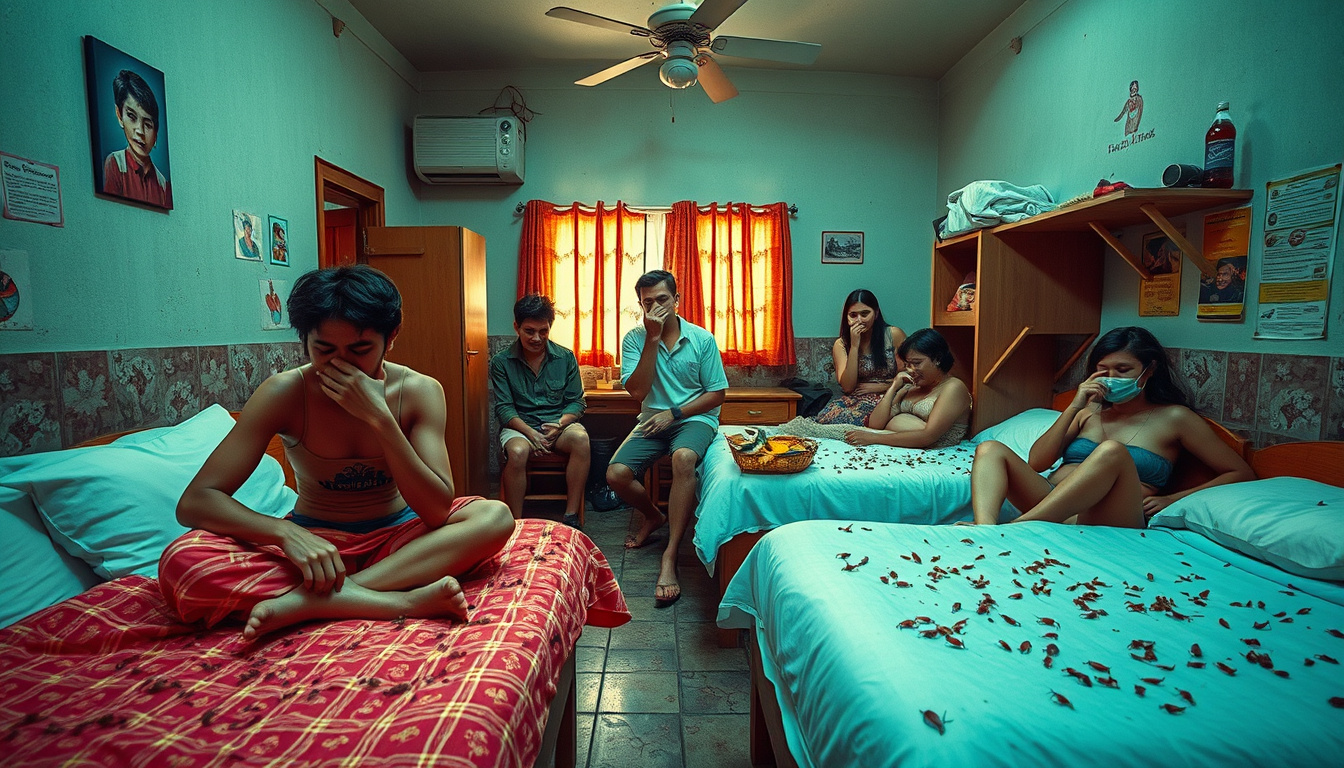
For years, Bali has been a magnet for tourists inspired by its portrayal on Instagram and other platforms as an influencer’s dream getaway. But recent online voices reveal growing discontent. Among them is British visitor Zoe Rae, who shared her disappointment in a July YouTube video filmed from her hotel room shortly after arriving on the island.
“We came to Bali with high expectations because we’d seen on social media everyone having such a lovely time,” Ms. Rae said. Yet upon arrival, she found the reality far different from the picturesque scenes she had anticipated—so much so that she cut her trip short and flew to Dubai to continue celebrating her wedding anniversary.
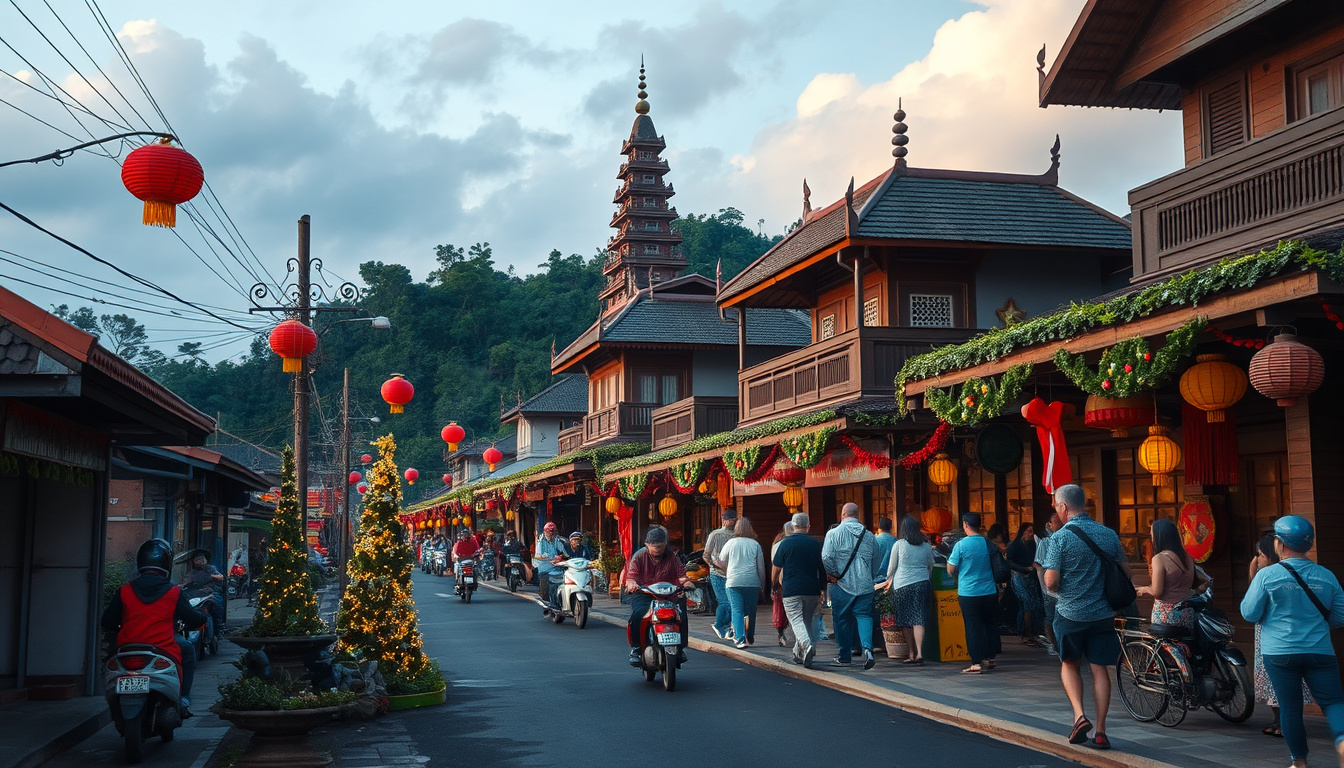
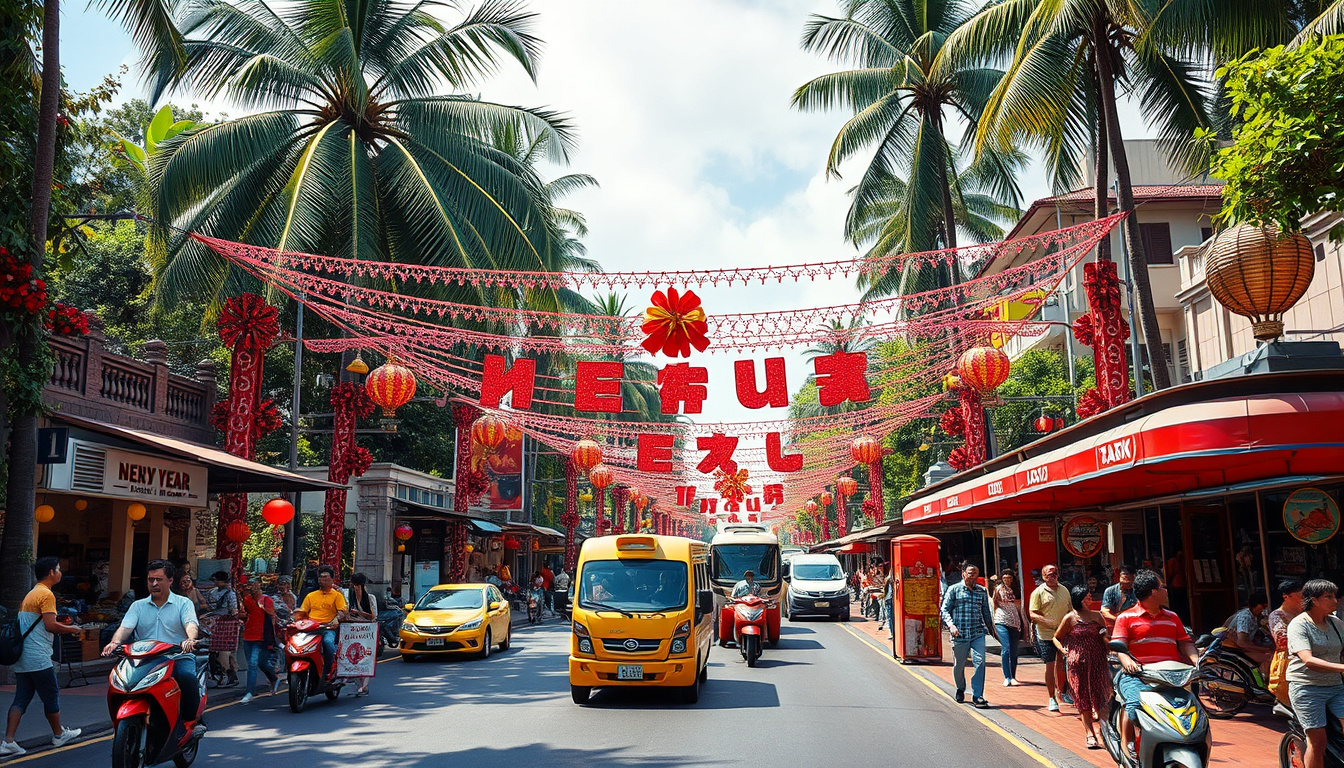
Numerous others have documented similar “expectations vs reality” moments: beach-front diners confronted with piles of rubbish along access paths, crowded waterfalls with lengthy queues, and tranquil cafes overshadowed by traffic jams filled with motorcycles emitting clouds of pollution.
Tourism Boom and Its Consequences
Bali’s surge in popularity has brought unprecedented challenges. From 3.8 million visitors in 2014, the island welcomed 6.3 million tourists last year, with 2025 expected to break records by surpassing seven million arrivals. This dramatic growth has intensified congestion, strained infrastructure, and triggered a construction frenzy in many parts of the island.
The downsides have become more than just inconveniences. Recent rare floods claimed the lives of over a dozen people, with officials citing poor waste management and unchecked urban development as key contributors to the disaster. The local government has responded with plans to restrict new construction, though many believe such measures are arriving too late.
Bali’s Cultural and Natural Heritage Under Pressure
Bali’s global image owes much to its deep-rooted Hindu culture, reverence for nature, and longstanding legends of spiritual guardianship of its landscapes. Early Western visitors since the early 20th century were captivated by the island’s temples, rice fields, and cultural rituals. Travel writer Gisela Williams highlights that “the Balinese Hindu culture has created this myth of the place.”
However, today Bali’s identity is shifting. Visitors often associate the island more with beach clubs, luxurious villas, spas, and vibrant nightlife than its traditional charm. Ms. Williams notes, “Social media has made it a very superficial way of understanding a place. You just see a picture, and then you go.”
British content creator Hollie Marie, who lives in Bali, warns that focusing only on Instagram highlights provides “a distorted reality.” She emphasizes that Bali’s rich culture and natural beauty are still present but often overlooked by tourists who stick to “Instagrammable” hotspots.
Locals Witness a Changing Landscape
Residents voice mixed feelings about the island’s transformation. While tourism sustains many livelihoods, it also brings congestion and environmental degradation. Ni Kadek Sintya, a 22-year-old Balinese woman, recalls riding her scooter past quiet paddy fields just five years ago—now replaced by hectic traffic, villas, and cafés. She confides, “Bali is being eroded day by day.”
Neighbourhoods like Canggu, once sleepy fishing villages, have morphed into bustling hubs filled with surfers, trendy cafes, gyms, and co-working spaces. The search for new “hidden gems” has pushed tourism development further into northern areas like Pererenan and Ubud, raising concerns about unchecked expansion.
Social Tensions and the Tourist-Local Dynamic
The influx of tourists has sometimes led to negative behavior making headlines—from accidents involving intoxicated scooter riders to incidents disrespecting sacred sites. Recent years have also seen thousands of Russians and Ukrainians settling in Bali after fleeing conflict, with authorities warning of a surge in criminal activity among some groups.
Local resentment is growing as many Balinese feel tourism has brought both economic dependency and cultural strain. Ms. Sintya voices this dilemma: “Tourists think because they have money, we should tolerate whatever they do. But it can feel like I’m trapped because we live on tourism. If we stop tourism, what will we survive on?”
Seeking Balance Amidst Growth
Despite these challenges, advocates for Bali maintain hope that sustainable development can still preserve the island’s natural beauty and cultural heritage. Researcher I Made Vikannanda stresses that tourists share responsibility for Bali’s problems: “When tourists complain about traffic or pollution, they are part of the crowd creating it.”
He believes that with mindful approaches, “development of Bali and the harmony of nature can still be maintained.” The critical question now is whether Bali can chart a path forward that balances its status as a beloved destination with the preservation of the island that so many have come to cherish.
Bali’s story is a cautionary tale on the power and pitfalls of social media-driven tourism—the glossy photos on users’ feeds may capture paradise, but the reality unfolding on the ground tells a more complex, urgent story.



Add a comment