


Sri Lanka Emerges as a Culturally Rich Alternative to Bali’s Overcrowded Tourist Spots
As the world’s travel landscape evolves, discerning travelers are seeking destinations that offer authenticity, cultural depth, and sustainable tourism practices. Sri Lanka, with its rich heritage and stunning coastal beauty, is increasingly being recognized as a compelling alternative to Bali, which has long been a magnet for tourists but now faces challenges related to overcrowding and overtourism.
A Day in Weligama: Tradition Meets Change
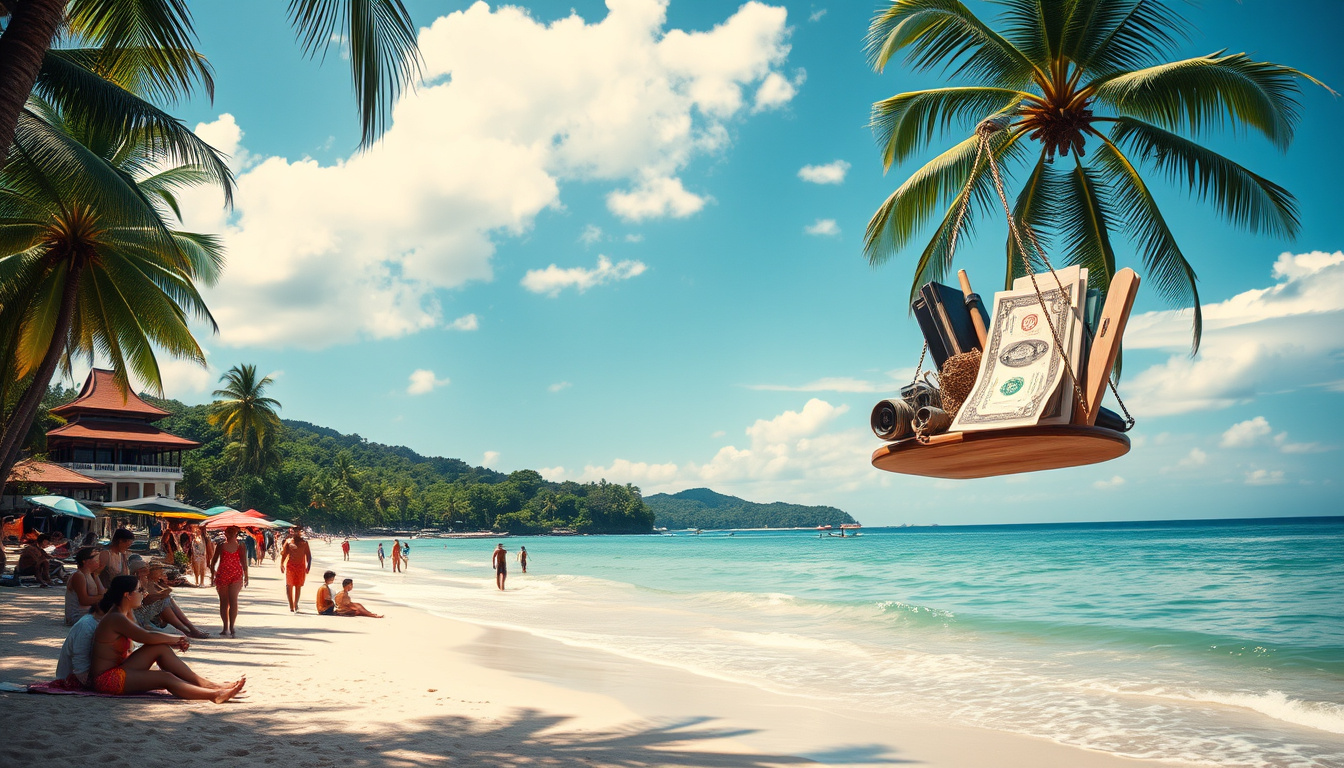
On the southern coast of Sri Lanka, towns like Weligama offer a glimpse into a lifestyle deeply connected to the ocean and local traditions. Golden sands stretch endlessly, where stray dogs play and young surfers, locally called “beach boys,” carve waves in the Indian Ocean. Traditional mobile bakeries sell jaggery cakes and spiced potato buns, preserving culinary customs even as modern cafes with rattan furniture and smoothie bowls begin to appear.
This evolving scene reflects a subtle but significant shift. Bengaluru-based influencers have dubbed parts of the region “Bali 2.0,” admiring trendy spots like Cac Tus, Kai, and Nomad that echo Bali’s popular aesthetic. However, many Sri Lankans find such comparisons reductive, fearing they overlook the unique cultural identity and may encourage unwelcome stereotypes. Additionally, the influx of foreign entrepreneurs and digital nomads—some working illegally and avoiding taxes—has intensified competition, marginalizing local businesses.
Tourism’s Impact: Economic Lifeline and Social Challenges
Following years of political and economic hardship, including the 2019 Easter attacks and the 2022 sovereign default, Sri Lanka views tourism as a crucial economic driver. The government aims to attract four million tourists by 2029. However, this rapid growth raises concerns among experts and locals alike who caution against repeating Bali’s overtourism mistakes that have strained local communities and environments.
A troubling development has been the emergence of discriminatory signs reading “foreigners only” at beachside businesses, symbolizing growing tension between tourists and residents over access and opportunities. Such shifts have sparked debate about who truly benefits from the tourism boom.
Voices from the Ground
Sri Lankan travel creator Shenelle Rodrigo highlights the complexities of the growing digital nomad presence. She advocates for measured policies that protect the environment and the livelihoods of local communities while thoughtfully welcoming international workers.
Grassroots Endeavors: Community-Centered Tourism
Despite these challenges, innovative approaches to tourism are gaining traction, emphasizing cultural respect and local empowerment.
Soul & Surf in Ahangama is a boutique retreat that fuses surfing, yoga, and mindfulness. Established in 2014, it draws visitors to Sri Lanka’s extensive coastline with its year-round surfable waves. The retreat focuses on community involvement—hosting beach cleanups, sunset DJ sessions welcoming locals and tourists alike, and partnering with the nonprofit How We Grow to support rural communities through vocational and social programs. According to co-founder Ed Templeton, the aim is to leave a positive legacy that contrasts with exploitative tourism seen elsewhere.
Empowering Women Through Surfing: SeaSisters’ Mission
In nearby Weligama, SeaSisters, a pioneering nonprofit, is transforming traditional gender roles by offering free swimming and surfing lessons to girls and women from coastal villages. Sri Lanka’s conventional norms often restrict women’s participation in public and economic spheres, including surf tourism. SeaSisters seeks to create an inclusive ocean culture, promoting social change and economic opportunities through water sports.
SeaSisters also bridges cultural divides by inviting tourists to participate in workshops that explore Sri Lankan coastal cultures and the organization’s impact. These include ocean meditation circles reflecting on the lingering effects of the 2004 tsunami and intercultural women’s circles centered on movement and meditation. Monthly free sunset picnics provide informal settings for locals, visitors, and SeaSisters’ members to connect.
A Choice for Conscious Travelers
For travelers eager to experience a destination where cultural richness is intertwined with ecological stewardship and community empowerment, Sri Lanka offers an inviting alternative to the increasingly commercialized and crowded beaches of Bali. The island’s blend of natural beauty, traditional livelihoods, and innovative, inclusive tourism models marks it as a meaningful place to visit with respect and mindfulness.
As Sri Lanka carefully navigates the future of its tourism industry, the hope is to cultivate growth that benefits both its people and its heritage, inviting visitors to participate in a journey that honors local culture and sustains natural treasures.



Add a comment