


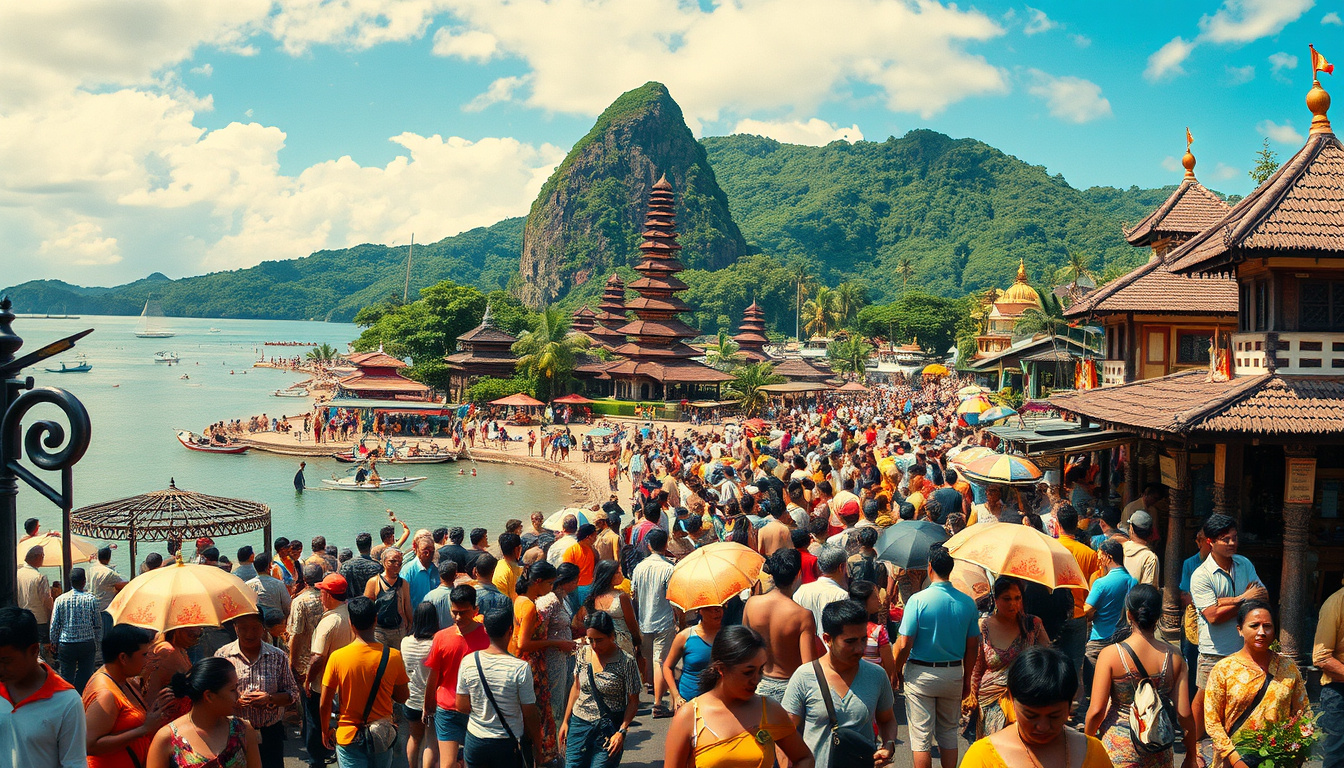

Celebrate Bali’s Cultural Richness with Nusa Penida and Klungkung Festivals
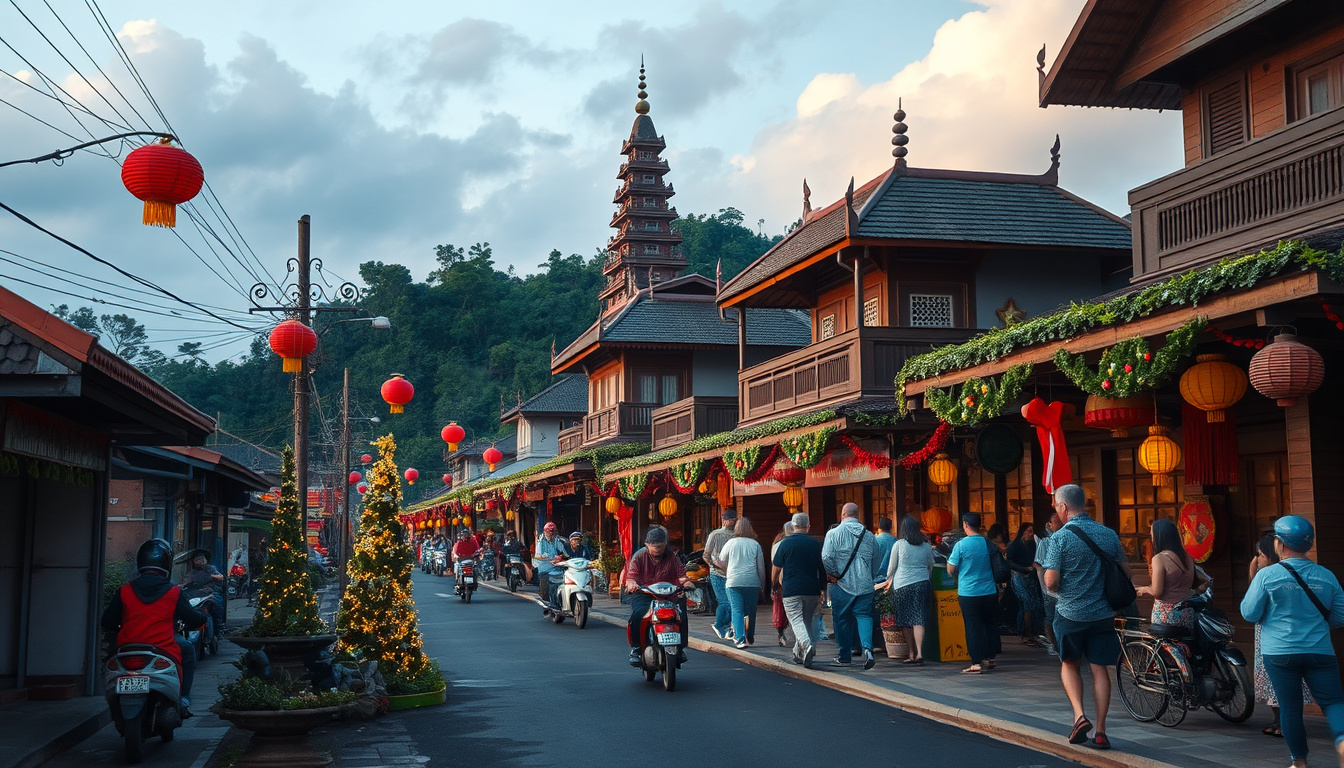
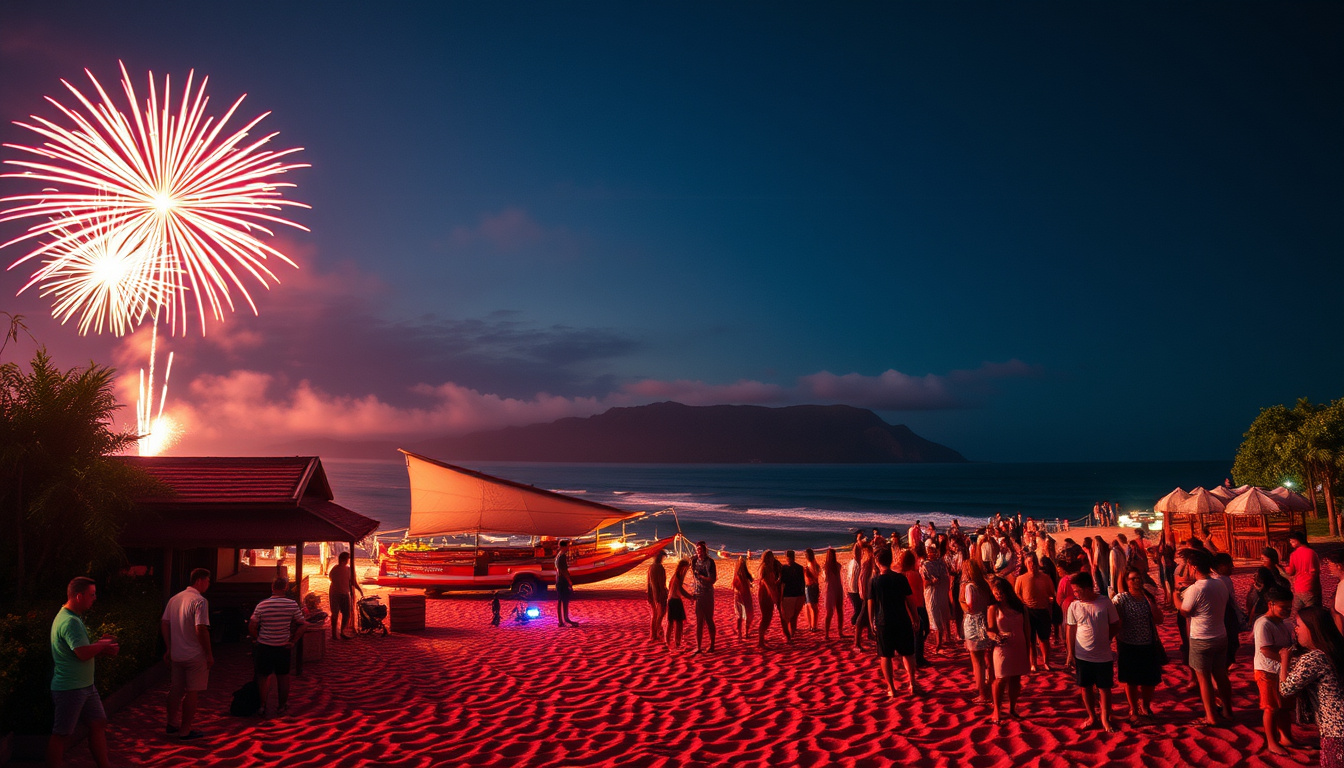
Bali’s Klungkung Regency, which includes the famous island of Nusa Penida, is gearing up to host three major cultural festivals before the end of 2025. The Klungkung Royal Festival, the Nusa Penida Festival, and the Goa Lawah Festival are set to offer visitors a deep dive into the region’s rich cultural heritage, all amidst stunning natural surroundings. These events are expected to attract steady international attendance, highlighting Klungkung’s growing importance in Bali’s cultural tourism landscape.
Highlighting Bali’s Historical and Cultural Legacy
The upcoming Klungkung Royal Festival will shine a spotlight on the legacy and performing arts of the Klungkung royal dynasty. This will be followed by the Nusa Penida Festival, dedicated to celebrating the island’s unique cultural identity and its rich marine and terrestrial resources. Finally, the Goa Lawah Festival will take place at the sacred Goa Lawah Temple, emphasizing Bali’s spiritual and architectural traditions connected to its revered shrines. Together, these festivals aim to open new avenues for both local and international visitors, positioning Nusa Penida as a must-see destination for 2025. ### A Cultural Renaissance in Klungkung and Nusa Penida
Klungkung Regency holds a distinguished place in Bali’s history, known for its architectural marvels and enduring customs that embody Balinese identity. Meanwhile, Nusa Penida has become a focal point of increasing tourist activity. Authorities and cultural organizations in the area have responded by developing a series of events designed to immerse both tourists and locals in the island’s collective heritage.
The Nusa Penida Festival, a centerpiece of this initiative, will feature a week-long celebration of the island’s artistic and culinary traditions. Festival evenings will be enlivened by traditional dance and gamelan music performances, while local craftsmen exhibit textile, wood, and ceramic artworks. Additionally, Balinese gastronomy will be presented through tasting menus that incorporate ceremonial-grade spice blends, offering attendees a living representation of the island’s cultural ecology.
In parallel, the Klungkung Royal Festival will provide insight into the historic Klungkung court’s influence. Through ritual reenactments, gamelan and kebyar music processions, photographic exhibitions, and displays of ancient court manuscripts, visitors will experience a retrospective glimpse into the royal era, underscoring the historical patronage of Bali’s artists and spiritual leaders.
Goa Lawah Festival: A Spiritual and Cultural Encounter
One of Bali’s most anticipated events, the Goa Lawah Festival, is held within the sacred precincts of the Goa Lawah Temple, one of Bali’s nine directional shrines revered in Hindu tradition. Situated on the island’s southeast coast and dedicated to Lord Shiva, the temple is famous worldwide for its bat-inhabited limestone caves, considered a reservoir of sacred spiritual energy.
Festival attendees will witness full expressions of Balinese Hindu tradition, including incense-filled prayers, carefully arranged offerings, and intricate ceremonial rites, all accompanied by gamelan music and set against the temple’s striking architectural backdrop. This immersive experience provides a profound opportunity for visitors to engage directly with Balinese spirituality. The presence of local pilgrims adds to the temple’s transformative atmosphere, fostering respectful cultural exchange and turning the devotional events into vibrant community celebrations.
Promoting Sustainable Tourism in Nusa Penida and Klungkung
With the rise in visitor numbers, local authorities in Nusa Penida are promoting a sustainable tourism framework aimed at protecting both the island’s remarkable natural environment and its intangible cultural heritage. The introduction of ethnocultural events such as the Nusa Penida Festival and the Goa Lawah Festival deliberately centers on local customs and environmental assets, offering responsible travelers opportunities to engage thoughtfully with both cultural heritage and leisure activities.
These festivals emphasize sustainability by encouraging environmentally conscious behaviors, including the elimination of single-use plastics, support for conservation efforts, and patronage of local artisans and small businesses. This approach ensures that tourism benefits flow more evenly throughout the year, educates visitors about ecological responsibility, and enhances community well-being.
Moreover, Nusa Penida’s dramatic coastline—featuring natural wonders like Keling King Beach, Angel’s Billabong, and a famously dinosaur-shaped cliff—has established the island as a leading eco-tourism destination. The cultural festivals add depth to this appeal by weaving together spiritual and geological stories, enticing visitors seeking genuine, multifaceted experiences.
A Rich and Varied Visitor Experience
Post-festival travelers to Nusa Penida and Klungkung can complement their cultural explorations with the region’s breathtaking beaches, rugged sea cliffs, and lush hills. Opportunities abound for beach sports, snorkeling in vibrant coral reefs, and trekking adventures that reveal the island’s unique ecological and geological features.
Additionally, the festivals offer a chance to savor authentic Balinese cuisine through an array of food stalls, daily traditional cooking demonstrations, and communal feasts. This culinary component enriches the cultural program, inviting guests to co-create their understanding of Balinese traditions through taste.
Conclusion
The Klungkung Royal Festival, Nusa Penida Festival, and Goa Lawah Festival present an extraordinary opportunity to engage with Bali’s cultural heritage while enjoying its natural beauty. These events not only celebrate artistic and ritual legacies but also promote sustainable tourism by embedding eco-friendly and socially responsible practices throughout their operations. By integrating spirituality, artistic expression, and natural splendor, Nusa Penida and Klungkung are emerging as premier cultural destinations within the broader Bali tourism circuit. They attract a global audience eager for authentic, meaningful encounters with Indonesia’s rich cultural patrimony.



Add a comment