



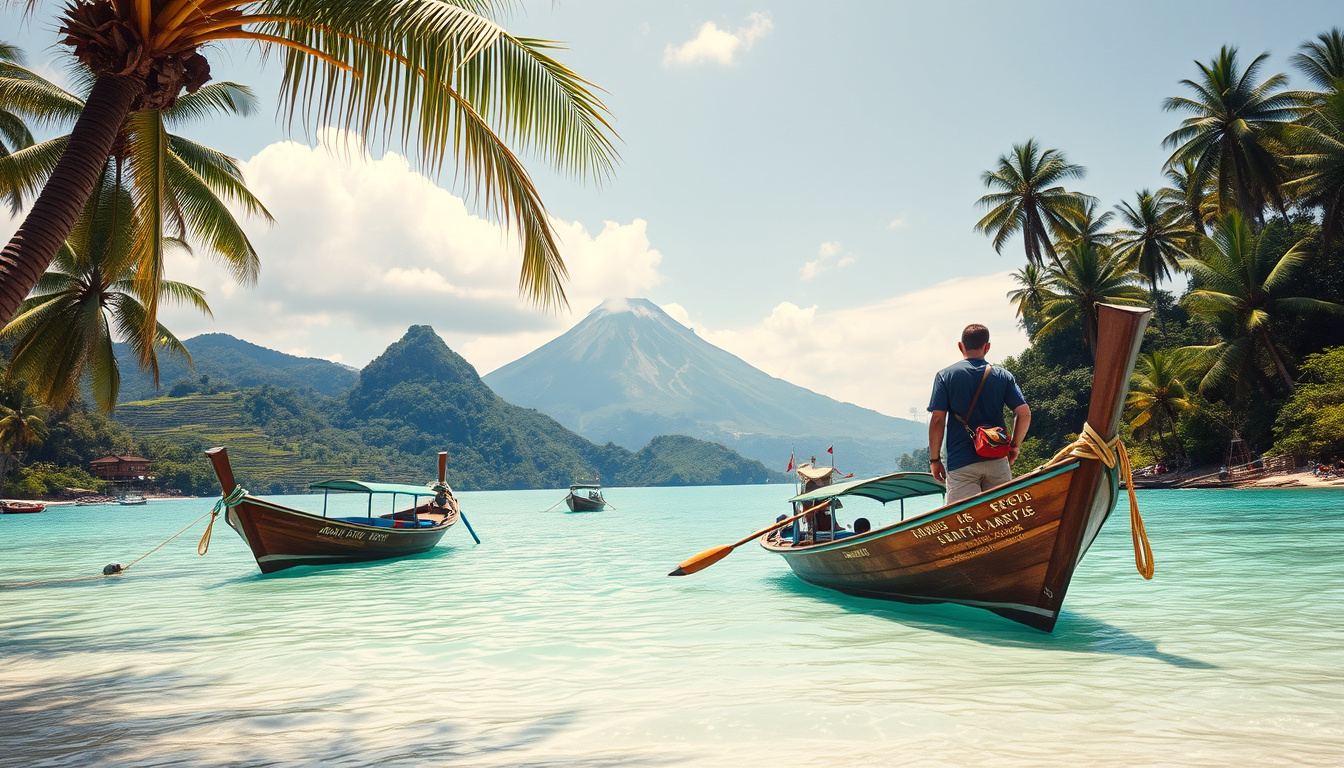




Discovering Year-Round Warmth: Coastal Paradises Beyond Tourist Crowds
As winter grips much of the Northern Hemisphere, some coastal destinations continue to bask in year-round warmth, offering travelers the allure of paradise without the usual throngs of tourists. Among these hidden gems is Kenya’s serene Diani Beach, where temperatures hover around a pleasant 75°F throughout the year, yet it experiences 40% fewer tourists compared to popular hubs like Bali. The secret to such authentic escapes lies not merely in geography but in the strategic timing of a visit.
The Importance of Timing Over Temperature
While many destinations boast consistent temperatures, the difference between a bustling tourist hotspot and a peaceful local retreat often depends on when travelers choose to arrive. For example, the Canary Islands maintain mild winter temperatures between 64-72°F, a welcome respite when much of Europe is frozen. However, July sees soaring tourist numbers—up to 60% higher than in November—making late autumn the ideal time to explore their unique volcanic landscapes in relative solitude.
Similarly, Phuket in Thailand offers a transformative experience from November to February. As the monsoon rains give way to sunshine with temperatures ranging from 77-90°F, tourists have yet to flood the beaches. This period allows visitors to witness authentic local life: fishermen launching boats at dawn, street food stalls reopening, and cultural festivities like Loy Krathong celebrated without the tourist spectacle.
Hidden Coastal Havens Around the World
Beyond Kenya and Southeast Asia, other destinations showcase this pattern of seasonal serenity. Australia’s Gold Coast enjoys mild spring temperatures (64-84°F) between September and November, just as Northern Hemisphere travelers are drawn elsewhere. Here, locals reclaim beaches and surfers glide through uncrowded waves.
The Caribbean island of Aruba maintains steady warmth between 82-86°F year-round. Its position outside hurricane zones and soothing trade winds make it a dependable warm-weather haven. Similarly, Malta offers winter temperatures hovering between 60-75°F enriched with cultural depth, allowing travelers to appreciate its historic limestone architecture absent summer’s heat and crowds.
Economic Benefits of Traveling in the “Secret Season”
Visiting during these optimal timeframes is beneficial not just for tranquility but also for cost-saving. Accommodation rates in the Canary Islands plummet by 40-70% in November compared to peak summer months. For instance, hotels drop from $200–$400 per night in July to $80–$150 in off-peak season. Flights and dining often become more affordable as well, with authentic local cuisine costing a fraction of high-season resort prices.
Swimming Remains Enjoyable Year-Round
Most of these destinations maintain water temperatures above 70°F even during their cooler months. The Canary Islands offer ocean water at around 66-70°F in winter, Phuket’s Andaman Sea stays between 79-84°F, and Australia’s Gold Coast waters range from 70-75°F, ensuring pleasant swimming conditions throughout the year.
Experience the Local Rhythm
True paradise emerges when tourists arrive early or choose less popular seasons, allowing them to immerse themselves in local rhythms rather than merely traveling through them. Whether it’s the quiet dawn at Thailand’s Kamala Beach when fishermen set sail, or the serene November mornings in Tenerife’s volcanic villages, these moments create memories beyond crowded postcards.
In essence, year-round warmth is not solely a matter of favorable climate but understanding when to embrace a destination’s quieter, authentic spirit. For those seeking a strategic escape, aligning travel plans with these “secret seasons” unlocks coastal treasures that offer both comfort and cultural richness, far from the peak-season frenzy.



Add a comment