


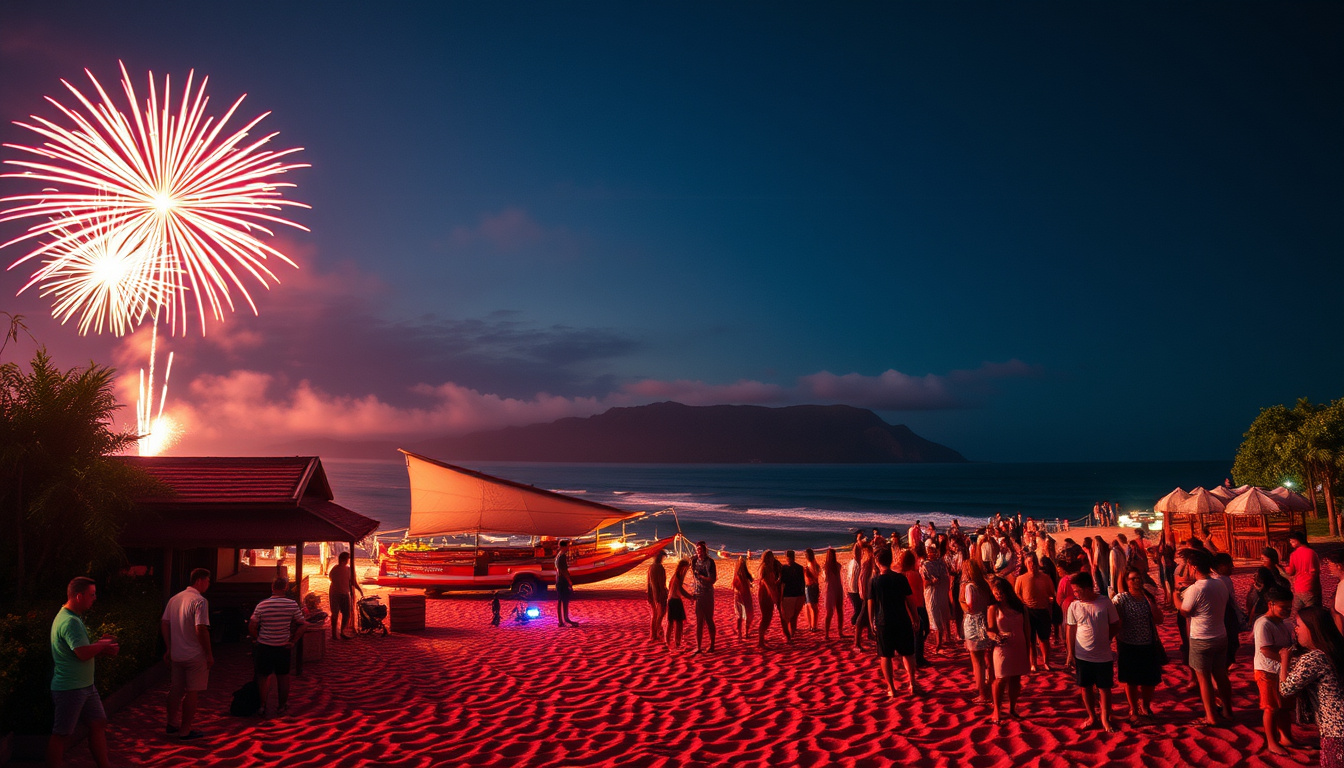

Skip the crowds: Discover Sumatra’s pristine orangutan forests and volcanic landscapes with 70% fewer tourists than Bali
If you’re seeking a travel destination that combines authentic wildlife encounters, lush rainforest adventures, and dramatic volcanic scenery—without the overwhelming crowds of Bali—Sumatra, Indonesia’s sixth-largest island, offers an extraordinary alternative. With approximately 70% fewer international tourists than Bali, Sumatra presents a unique and immersive experience for nature lovers and cultural travelers alike.
A Wild Escape into Sumatra’s Orangutan Forests
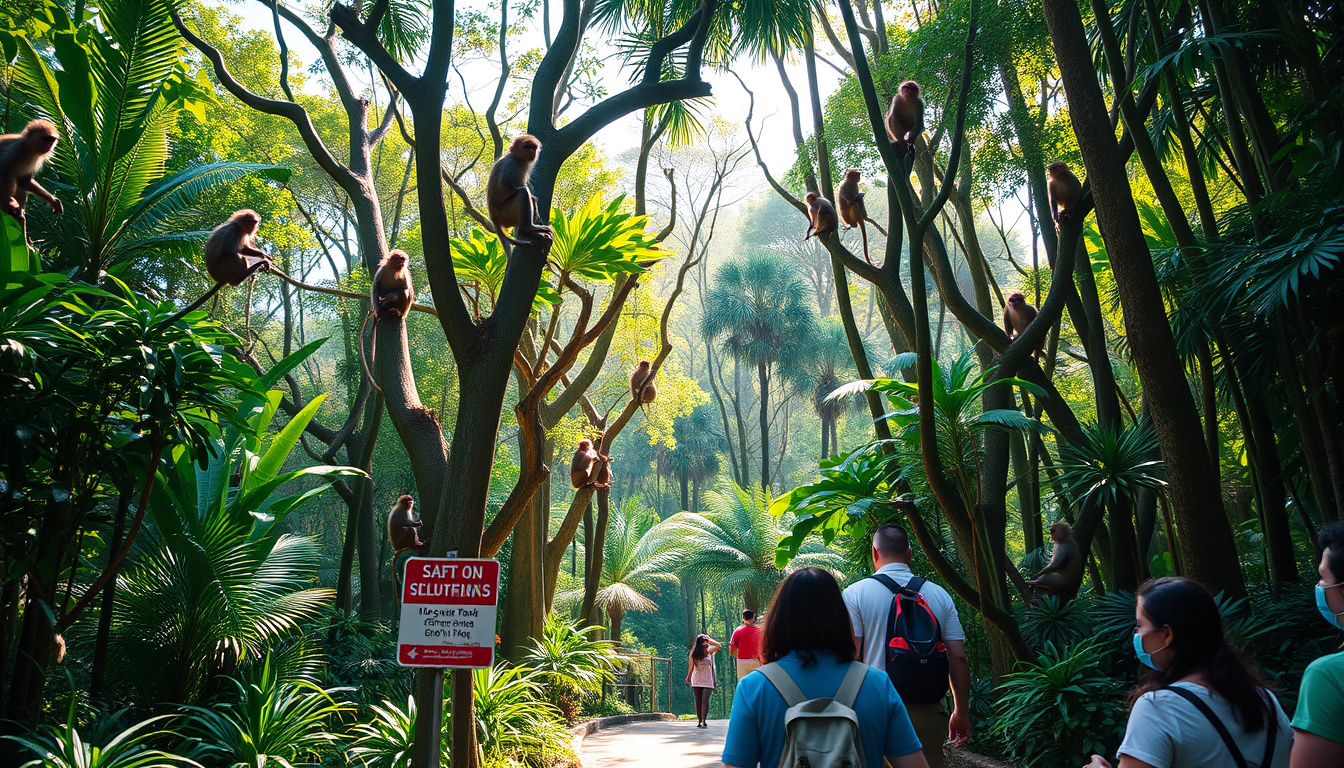
While Bali’s Sacred Monkey Forest in Ubud frequently teems with hundreds of tourists jostling for photos with habituated macaques, Sumatra’s Gunung Leuser National Park provides a vastly different encounter. Inside this protected wilderness, covering 7,927 km² as one of Southeast Asia’s most biodiverse rainforests, visitors can hike for hours virtually alone and witness critically endangered Sumatran orangutans swinging through the canopy in their natural habitat. Here, you might find yourself accompanied solely by a knowledgeable Batak guide dedicated to community-based conservation.
The Contrast with Bali’s Overcrowding
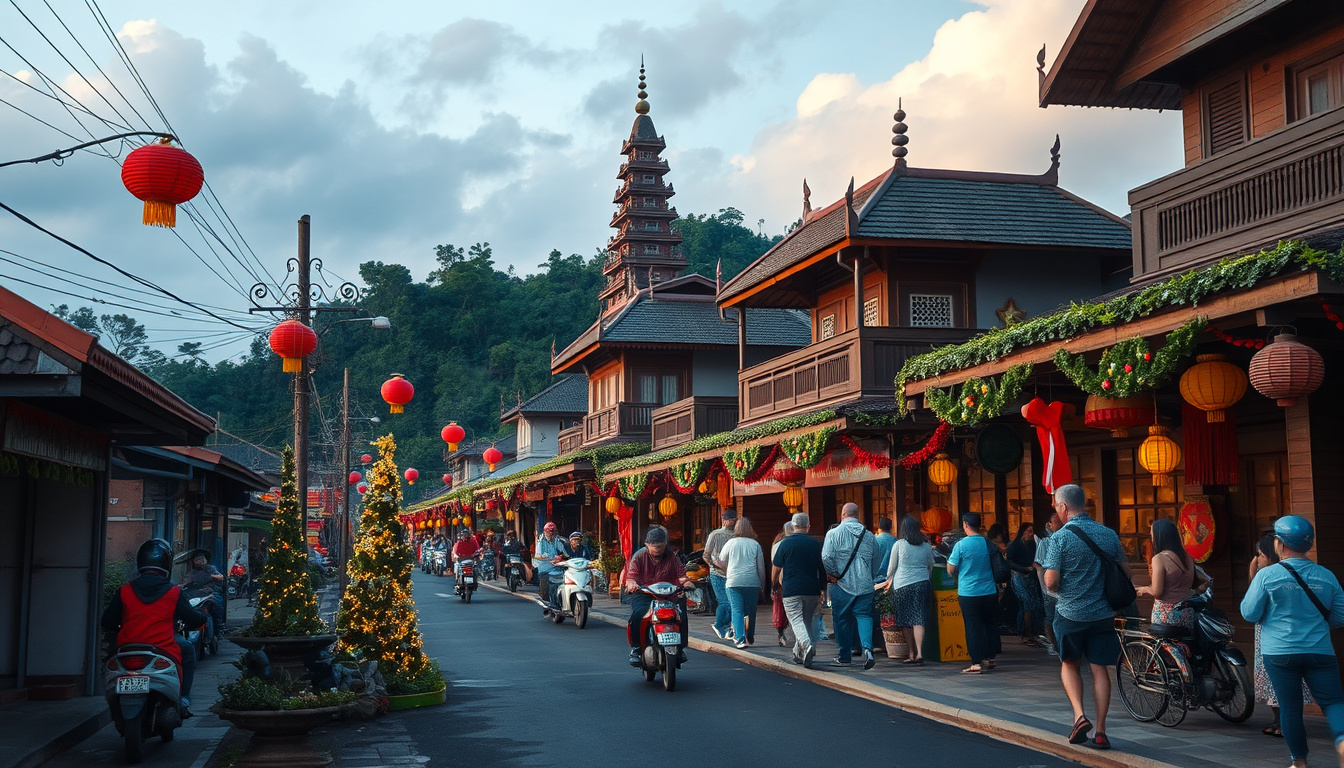
Bali attracted a staggering 16.4 million visitors in 2024, with hotspots like Tanah Lot temple drawing 2 million annually. This mass tourism has led to overcrowding and commercialized cultural sites, often dampening the authenticity that initially attracted travelers. In comparison, Sumatra’s entire Lake Toba region saw 3.4 million visitors in 2023, most of whom were domestic tourists, leaving many natural attractions free of the throngs typical of Bali’s busiest spots.
The Cost Advantage of Sumatra
Traveling in Sumatra is not only less crowded but also significantly more affordable. Daily expenses for comfortable jungle lodges, meals, and guided treks typically run around $40. Accommodations near Bukit Lawang, the gateway to Gunung Leuser, start at $25-40 per night with breakfast included. By contrast, Bali’s eco-resorts with comparable facilities often begin at $80 per night and quickly become more expensive, pushing the daily budget beyond $120. ## Protecting Critically Endangered Species
Sumatra protects some of the world’s rarest megafauna, including approximately 3,000 Sumatran orangutans, fewer than 400 Sumatran tigers, under 80 Sumatran rhinos, and about 2,000 Sumatran elephants. These species no longer inhabit Bali due to extensive habitat loss and development. Community-based conservation efforts in Sumatra integrate local guides who are deeply connected to forest stewardship traditions, providing both protection for wildlife and meaningful visitor experiences without stressing fragile ecosystems.
Cultural Authenticity and Volcanic Drama
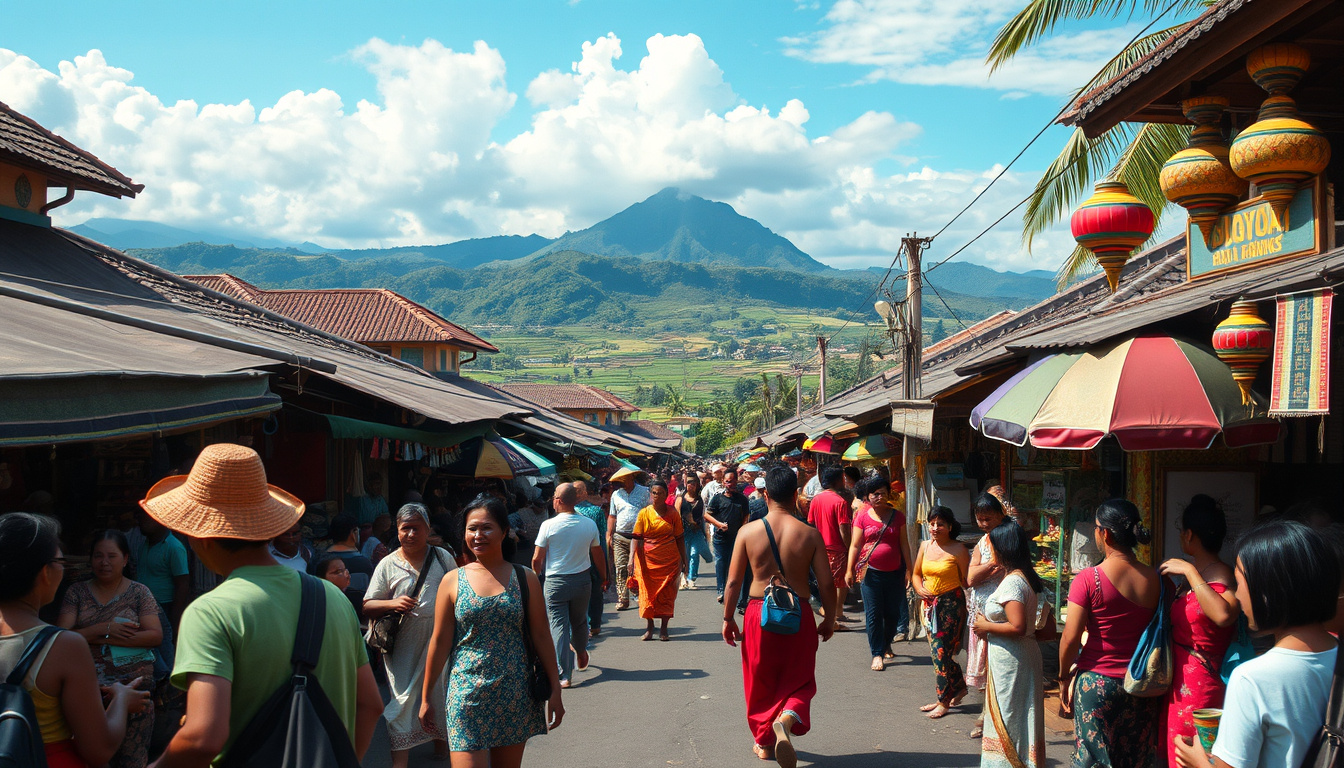
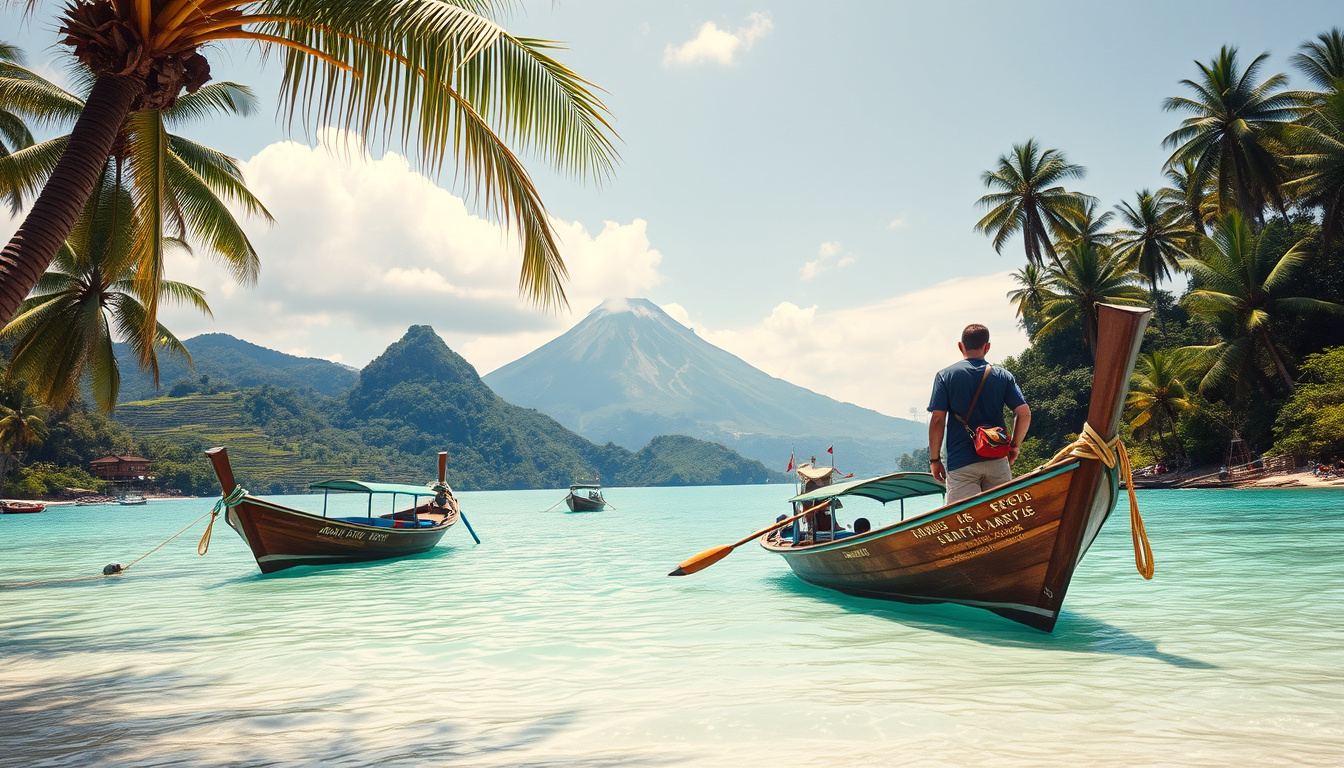
Beyond wildlife, Sumatra boasts the vast Lake Toba, the world’s largest volcanic lake formed by a supervolcanic eruption 74,000 years ago. Unlike Bali’s heavily touristy landscapes, Lake Toba’s surroundings remain relatively untouched, offering serene water views, waterfall hikes, hot springs, and traditional Batak villages where cultural practices thrive away from staged tourist performances. The Batak community and the Minangkabau people of West Sumatra preserve living traditions; notably, the latter maintain the world’s largest matrilineal society with heritage spanning over eight centuries.
Planning Your Trip: When and How to Visit
October presents an ideal shoulder season to visit Sumatra, balancing accommodation availability and decent weather before the wet monsoon period begins in November. International travelers can fly into Medan’s Kualanamu International Airport with connections through major hubs like Singapore and Kuala Lumpur. Return flights from the US, UK, and Australia generally range between $700 and $1,200 depending on the season.
Tourism in Sumatra has steadily increased by 15-20% annually since 2020, with planned airport expansions anticipated to boost accessibility further by 2026. However, now remains a prime window to experience authentic jungle trekking and cultural interactions before rapid infrastructure growth potentially alters the region’s charm.
Responsible Travel Tips
To support conservation and local communities, visitors are encouraged to book excursions through village cooperatives rather than international tour companies. Strict orangutan viewing protocols—such as maintaining a minimum 10-meter distance, avoiding feeding, and observing quietly—help protect wildlife. Some ecologically sensitive areas restrict visitor numbers intentionally, ensuring that Sumatra’s pristine environment endures for future generations.
Frequently Asked Questions
Is Sumatra safe for independent travelers?
Yes, Sumatra is safe for those who take standard precautions, hire registered guides for jungle treks, and respect local customs, especially in remote areas.
When is the best time for wildlife viewing?
The dry season, from May to September, offers optimal trekking conditions. Shoulder months like April, May, September, and October provide fewer tourists and lower prices with reasonable trail access.
How much cheaper is Sumatra compared to Bali?
Visitors can expect 60-70% cost savings on lodging, food, and activities, making Sumatra attractive for budget-conscious travelers seeking authentic experiences.
For those eager to discover Indonesia’s hidden gem, Sumatra promises a captivating blend of untouched nature, rare wildlife, vibrant cultures, and volcanic wonders—all without the overcrowding and inflated costs that characterize its famous neighbor, Bali.



Add a comment