






Bali’s Overtourism Dilemma: Can the Island Find a Sustainable Path Forward?
By Chad de Guzman | November 24, 2023
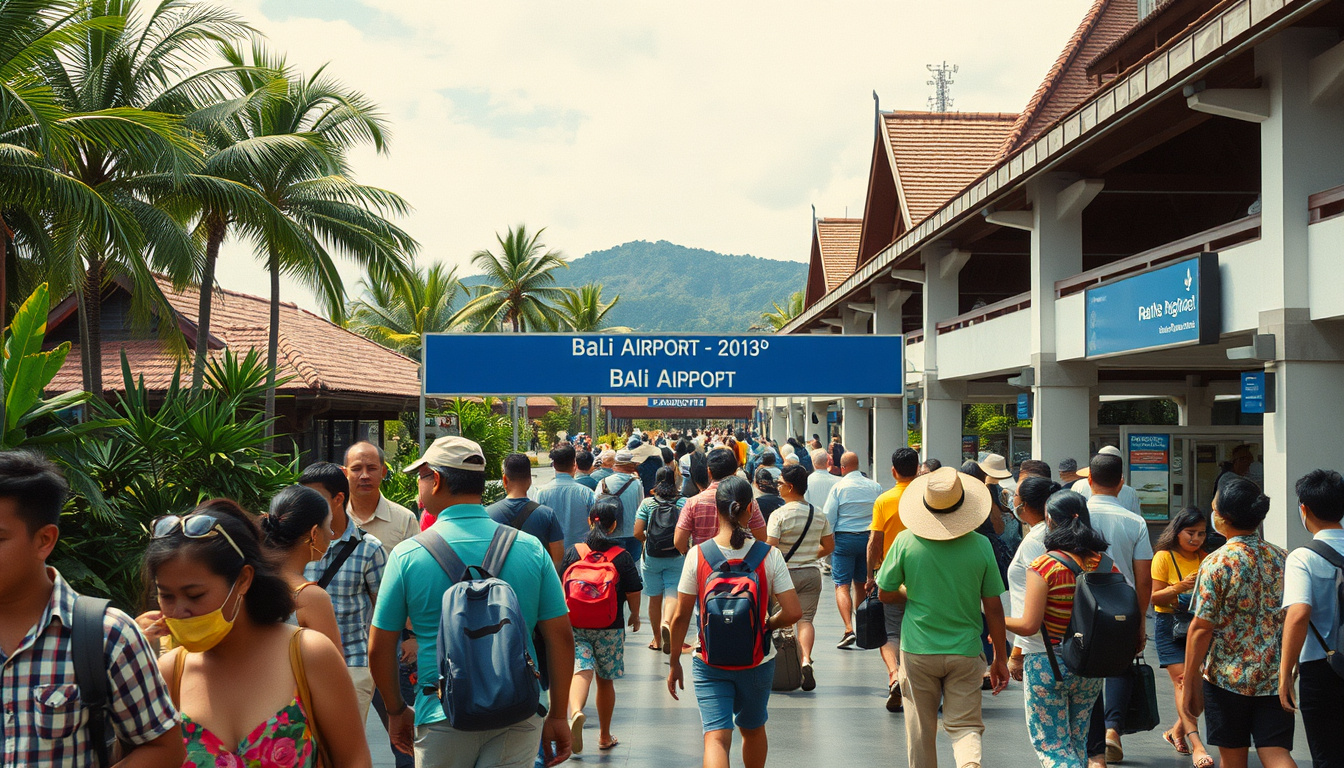
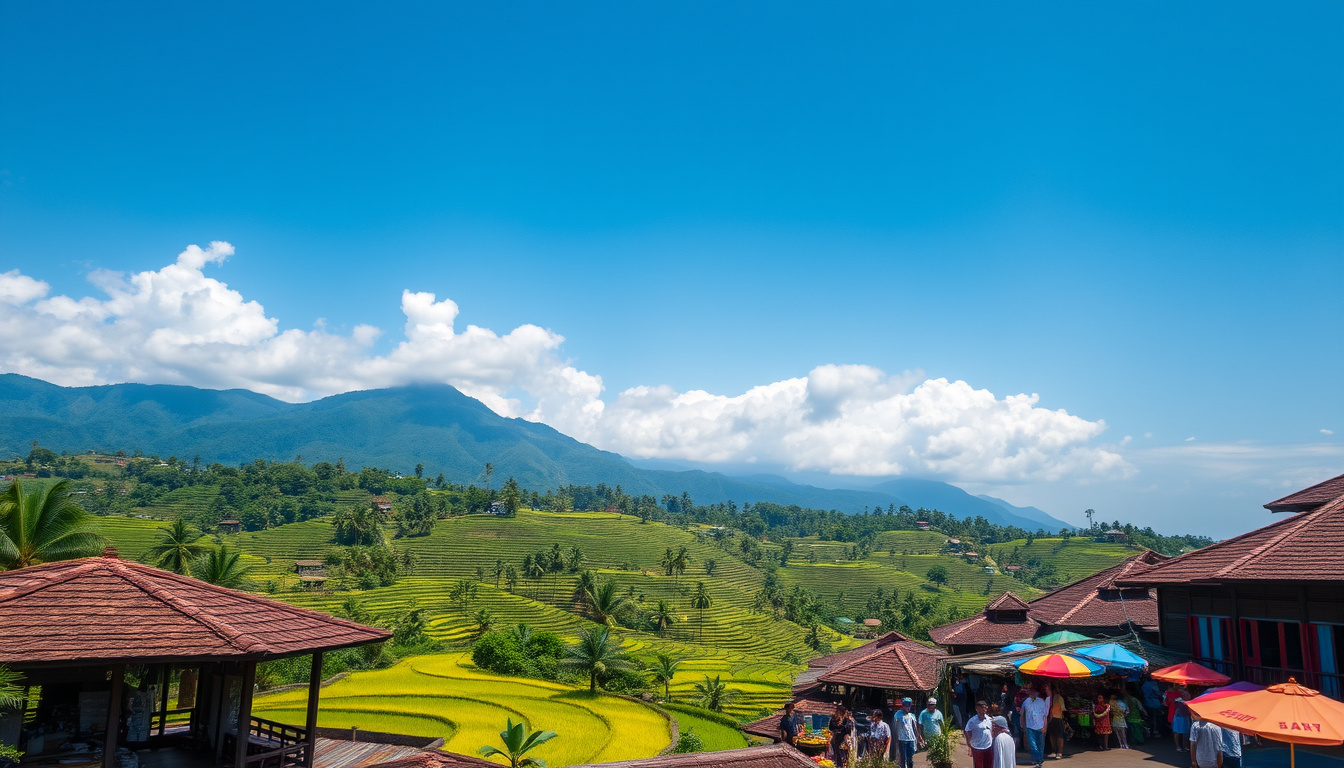
When André Roosevelt, the French-born American adventurer and filmmaker, visited Bali in 1924, he referred to it as “The Last Paradise.” Despite its breathtaking beauty and the burgeoning appeal for Western travelers, Roosevelt expressed profound concern about the effects of mass tourism on the island’s charm and culture. Nearly a century later, Bali remains a top tourist destination, captivating millions with its stunning landscapes, rich traditions, and affordability; however, it grapples with the adverse consequences of overtourism.
Historical Perspective on Tourism
Roosevelt’s foresight about the potential decline of Bali’s pristine environment and cultural authenticity resonates today as the island faces significant challenges from unregulated tourist inflows. Writing in 1930, Roosevelt warned against the impending "destruction" brought about by a wave of Western tourists, suggesting a head tax to help manage the boom. Interestingly, Bali has adopted a similar measure nearly a century later, enacting a $9 tourist levy in 2024 to address the ongoing crisis of overtourism.
Current Tourism Landscape
In 2023, Bali set a record with 6.33 million international visitors, surpassing its pre-pandemic peak in 2019. These visitors are critical to Bali’s economy, accounting for an estimated 60-70% of its GDP, compared to a national tourism contribution of approximately 5% toward Indonesia’s overall economic output. This paradox presents both a significant boon and a persistent challenge for local authorities.
Despite this economic reliance, the local government acknowledges the pressing need to mitigate some of the adverse effects of tourism. Tjok Bagus Pemayun, the director of the provincial tourism office, has set an ambitious target of attracting 6.5 million visitors by 2025. However, he also cautions that such growth may worsen existing problems associated with the influx of tourists.
New Regulations and Enforcement
Governor Wayan Koster has recognized this challenge, promising stricter enforcement of existing laws governing tourist behavior. Recently, he announced updates to the guidelines stipulated in visitors’ passports—outlining acceptable and unacceptable behaviors while visiting sacred sites, adhering to traffic regulations, and using licensed accommodations and tour guides. Notably, the governor has committed to enforcing the tourist tax more rigorously, with plans to deny access to attractions for those who fail to comply.
“Enough is enough,” Koster stated. “We need to adapt as our situation evolves.” He emphasized that violations of Bali’s laws will face legal repercussions, highlighting the recent prosecution of 226 foreign nationals for various infractions.
Bali authorities are particularly concerned about tourists treating the island with a sense of nonchalance towards its laws. Niluh Djelantik, an Indonesian senator and prominent advocate for Balinese culture, notes the perception among some tourists that they can act without consequence, contributing to the degradation of Bali’s cultural and environmental integrity.
Tourism-Related Controversies
While new regulations have been proposed, their implementation has often faced hurdles. For instance, Koster’s plan to ban tourists from riding motorcycles due to safety concerns has not seen consistent execution. Additionally, previous decisions—such as limiting tourist access to sacred mountains—have also fallen short, raising questions about the effectiveness of local governance in managing tourism-related issues.
Moreover, a recently proposed steep entertainment tax on tourism-related services faced backlash from local businesses, leading to its withdrawal. As the island navigates these challenges, there is a growing consensus that addressing overtourism in Bali requires more than just rule enforcement; it demands a fundamental shift toward sustainable practices.
Future Directions
The introduction of the tourist tax signifies a possible turning point in how Bali manages its tourism sector. Some experts suggest that increasing the tax could regulate visitor numbers and diminish the island’s image as a budget-friendly destination. Pemayun emphasizes the importance of shifting towards quality tourism that balances economic benefits with cultural preservation.
As Bali confronts its complex relationship with tourism, it represents a microcosm of a broader global issue, reminiscent of challenges faced in other popular destinations like Barcelona. The need for sustainable tourism practices is imperative not only for Bali’s future but also for preserving its essence as a cherished paradise.
In closing, the question remains: Can Bali navigate its overtourism dilemma successfully? The answer hinges on balancing the economic benefits of tourism while safeguarding the natural and cultural treasures that attract millions in the first place. As Bali seeks to redefine its tourism approach, the hope is that the island will achieve a harmonious equilibrium—one that honors its past while embracing a sustainable future.



Add a comment