





Bali’s Hotels Embrace Sustainability and Cultural Preservation Amid Tourism Boom
Date: April 17, 2025
By: Selena Oh, HNN Contributor
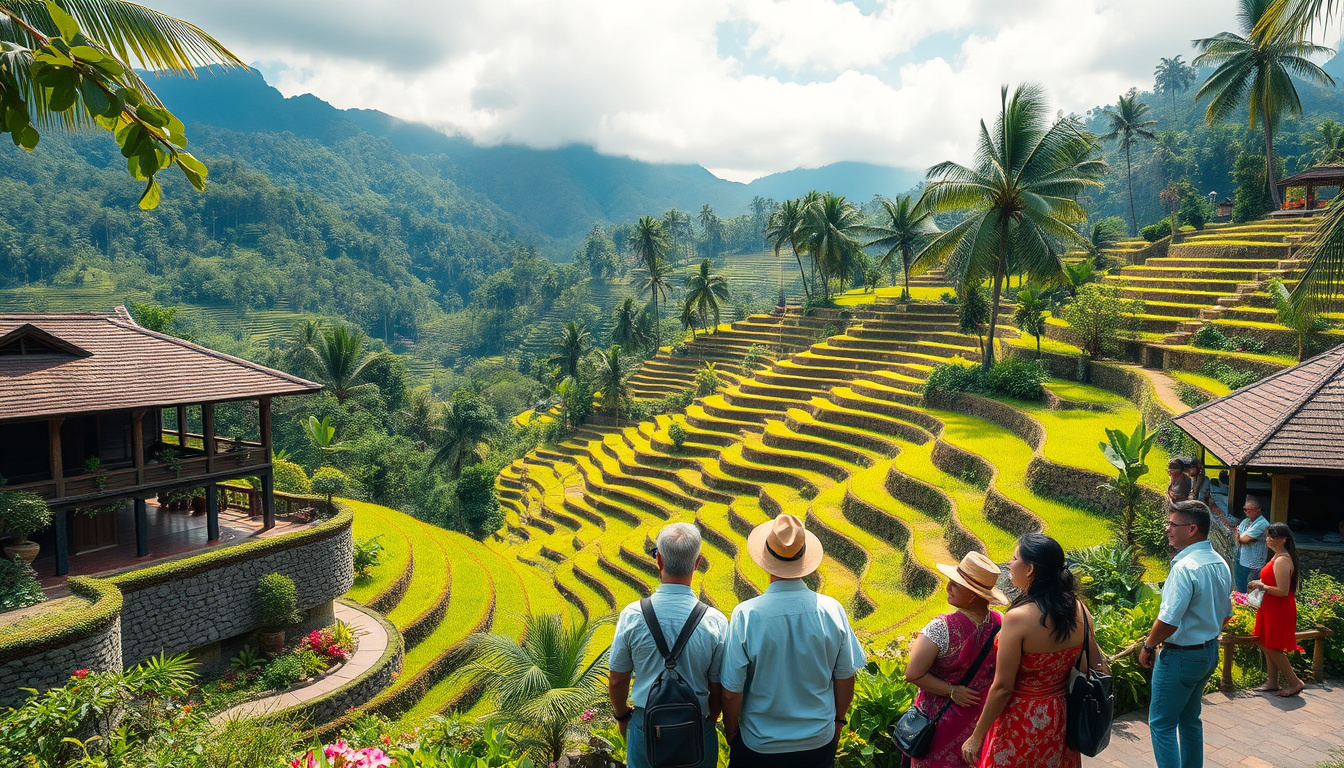
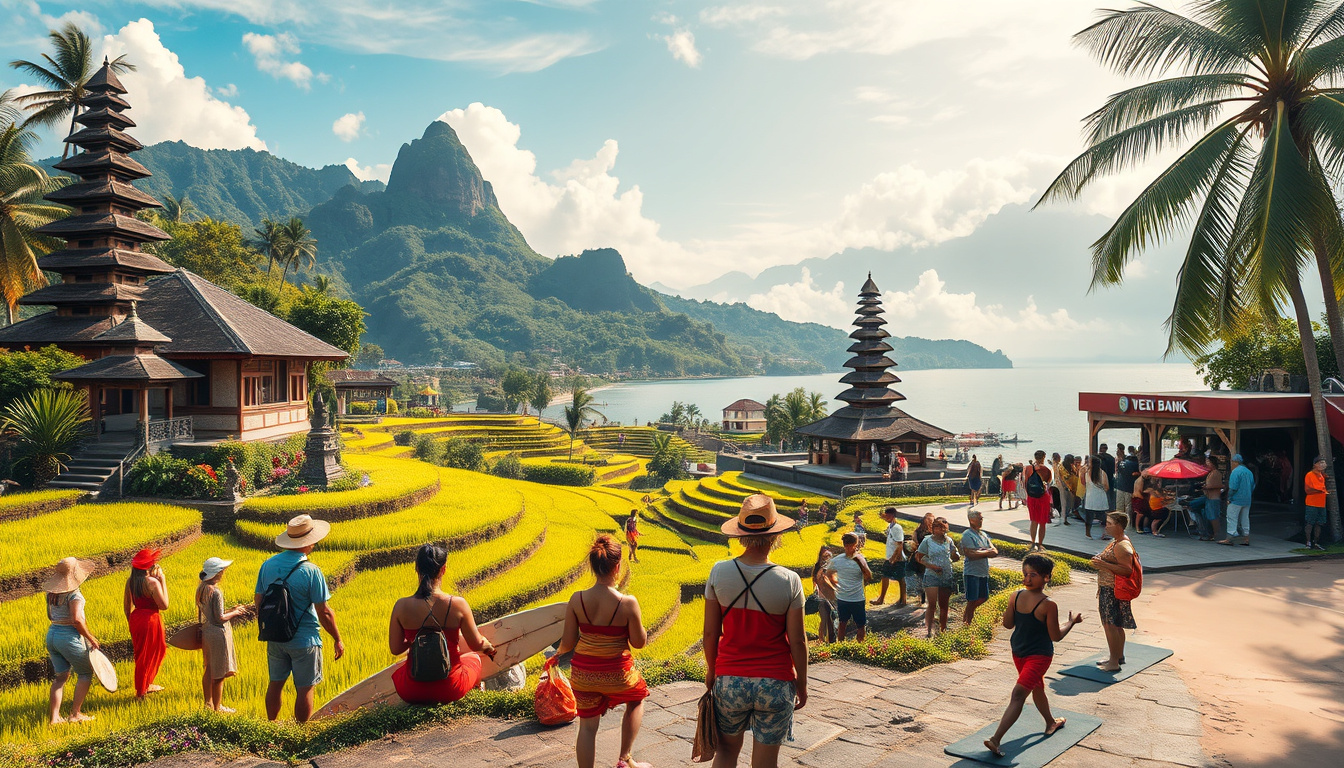
Bali’s tourism and hospitality sector is experiencing a renaissance marked by a renewed commitment to sustainability and cultural preservation, as the island sees a surge in visitor arrivals and hotel developments. With tourism accounting for over 65% of Bali’s economy, the need to balance economic growth with environmental and cultural stewardship has become increasingly imperative.
A Surge in Visitor Arrivals
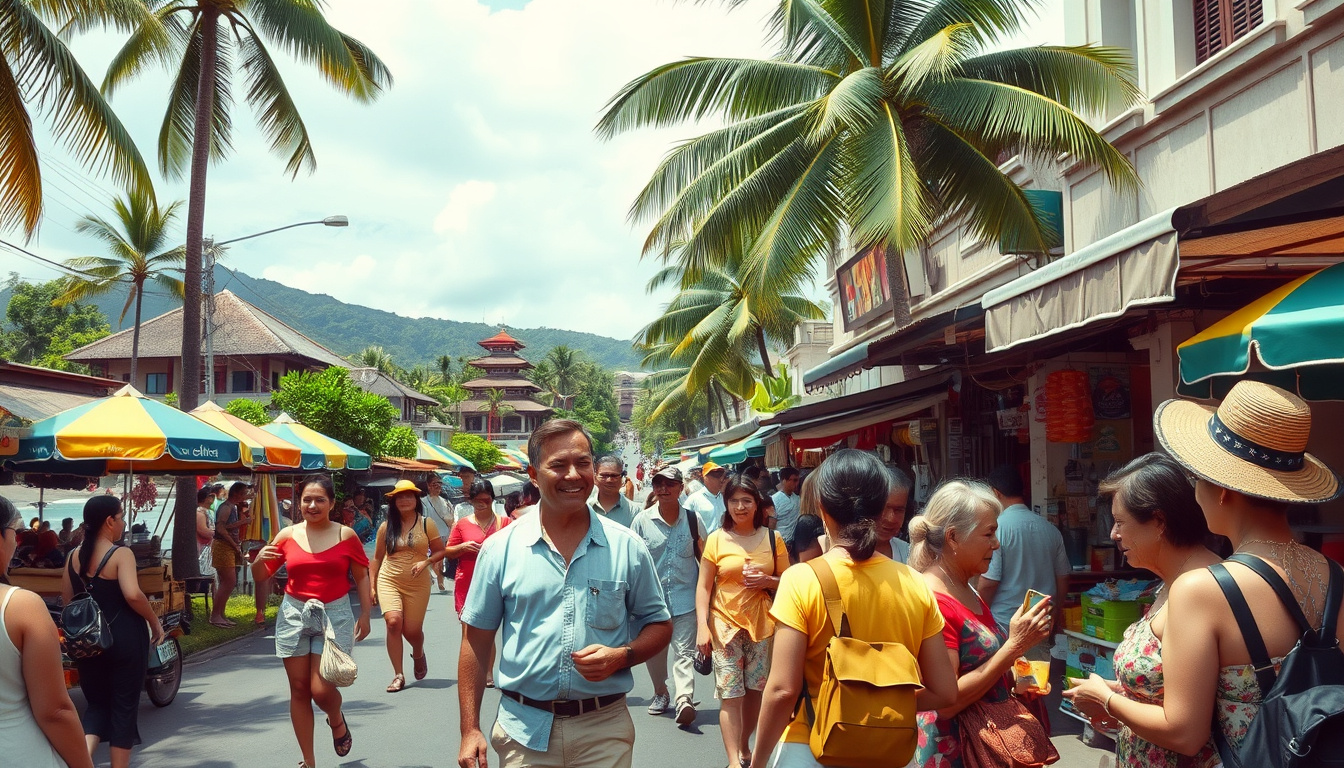
Recent data from the Bali Hotels Association indicates a remarkable rebound in international visitor arrivals, escalating from a dismal low of just 51 during the height of the COVID-19 pandemic in 2021 to over 6.33 million by the end of 2024. Notably, this figure exceeds pre-pandemic levels, surpassing the 6.27 million visitors recorded in 2019. When combined with domestic tourism, the total visitor count reached 16.45 million, up from nearly 15.2 million in 2023. The primary sources of this influx are Australia, India, and China.
Financially, Bali’s hospitality sector has witnessed significant growth, with the average daily rate for hotel rooms soaring to 2,337,924 Indonesian rupiah (approximately $233.79) in 2024, compared to 1,506,792 rupiah in 2019. Revenue per available room also saw an increase, leaping from 1,040,694 rupiah in 2019 to 1,705,473 rupiah in 2024. To stimulate the post-pandemic recovery, both the Indonesian government and the provincial administration have rolled out initiatives, including grants and incentives totaling approximately 3.7 trillion rupiah ($370 million), along with tax relief measures aimed at supporting local businesses in the tourism sector.
Addressing Rapid Development
However, the rapid revitalization of the tourism sector has not come without its challenges. The surge in visitor numbers has led to a wave of property investments, with concerns growing regarding a potential oversupply in the commercial real estate market. In response to these alarms, the Indonesian government imposed a moratorium in September 2024, temporarily halting the development of new hotels, villas, and restaurants in popular resort areas to mitigate the effects of unregulated growth.
Incoming Bali Governor Wayan Koster lifted the moratorium in January 2025, stressing the importance of sustainable development to protect the local environment, resources, and cultural heritage. Gottfried Bogensperger, Area Vice President and General Manager of Grand Hyatt Bali, emphasized the necessity for caution in development plans to avoid the pitfalls associated with mass tourism.
Collaboration for Sustainability
The Bali Hotels Association (BHA), which represents over 155 hotels and resorts, is actively engaging with stakeholders to address the pressing issues arising from rapid tourism growth. Key focuses include infrastructure improvements, enforcement of regulations to combat illegal accommodations, and the promotion of responsible tourism practices.
Infrastructure developments, including plans for a second international airport and a new toll road connecting the north and south of the island, aim to support the increasing number of tourists while reducing congestion in high-traffic areas. BHA Chairman Franklyn Kocek affirmed the association’s commitment to aligning the guest experience with Bali’s sustainability goals.
New Developments with an Eco-Friendly Twist
Despite the caution surrounding new developments, Bali continues to welcome new hotel openings that prioritize sustainability. One promising project is Nuanu Creative City, which opened in phases throughout 2024. This development includes five hotels and spaces dedicated to education, art, culture, and wellness, while preserving 70% of its land as green space.
Nuanu Creative City CEO Lev Kroll outlined plans for continued investment of approximately $350 million, with $150 million already allocated. The eco-friendly policies implemented within the city include prohibitions on felling large trees and a commitment to reforestation, having planted over 20,000 trees in 2024 alone. In addition, Kroll anticipates Nuanu will attract 3 million visitors in 2025, a significant increase from the 500,000 visitors in 2024. Other notable openings anticipated in 2025 include the 150-room Regent Bali Canggu, the 216-room Anantara Dragon Seseh Bali Resort, and the 100-room JW Marriott Ubud Resort & Spa, with the Mandarin Oriental Bali scheduled for 2027. As Bali strives to maintain its allure as a premier tourist destination while focusing on sustainability and cultural heritage, the path forward requires careful balancing of growth, resources, and the vibrant traditions that define the island’s unique character.



Add a comment