





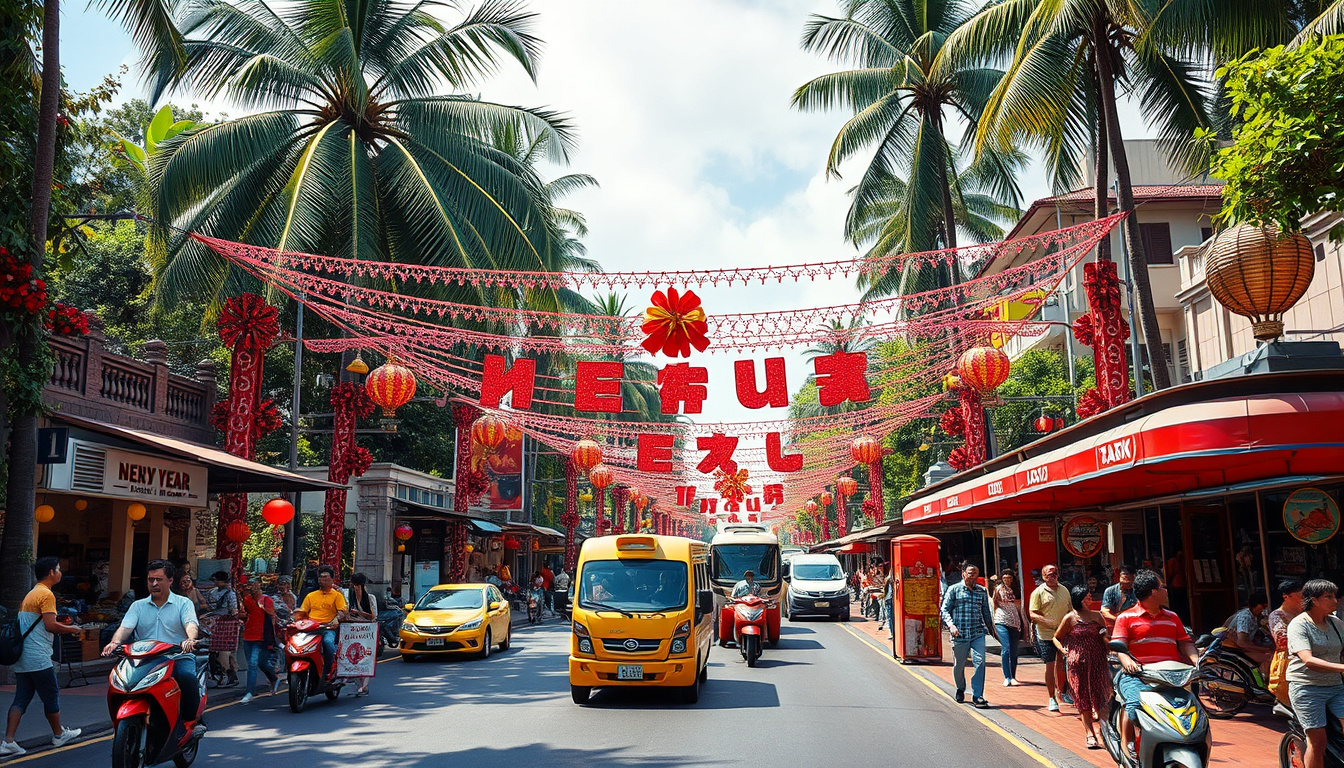


Bali Tourism Alert: Indonesia’s Currency Redenomination to Affect Vacation Spending
Published November 12, 2025
Bali, Indonesia’s renowned tropical paradise, is preparing for a significant economic change that will directly impact how tourists spend during their visits. The Government of Indonesia is set to redenominate its currency, the Indonesian Rupiah, a move that will alter the currency’s value structure and consequently affect tourists’ perception and management of money while vacationing on the island.
What is Happening with Indonesia’s Currency?
The Indonesian government has announced plans to redenominate the Rupiah, simplifying the currency system to better align with global standards. Currently, the Rupiah is characterized by high numerical values—tourists often exchange their foreign currencies such as the US dollar, Euro, or Australian dollar, and receive millions of Rupiah in return, leading to the popular “feeling like a millionaire” phenomenon.
Under the new redenomination scheme, the value of the currency will be scaled down by a factor of 1,000. For example, what is presently 10,000 Rupiah will become 10 “new” Rupiah. This means the currency will use lower numerical denominations, despite the exchange rate relative to other currencies remaining largely unchanged. The smallest unit of Rupiah today is 1,000, and the highest banknote currently valued at 100,000 will transform proportionately in the new system.
How Will the Redenomination Affect Tourists?
For tourists, the change will require an adjustment in budgeting and spending habits. The traditionally large numbers of Rupiah received from currency exchanges will become significantly reduced figures, which may initially feel unfamiliar to visitors. Tourists won’t “feel like millionaires” anymore, but the actual purchasing power remains consistent.
This streamlined currency will make transactions simpler and more intuitive for both tourists and locals. For example, a meal costing 10,000 old Rupiah at a local warung (small restaurant) will cost 10 new Rupiah under the redenomination, thus making it easier to understand the value without dealing with large numbers.
Impact on Bali’s Tourism Industry
Bali has long been a favored destination for travelers seeking affordable luxury, with lavish beach resorts in areas like Nusa Dua and budget-friendly guest houses in cultural hubs like Ubud. The island offers a diverse range of attractions, from the natural wonders of Uluwatu, Kuta, and Mount Agung to the spiritual retreats, yoga centers, and cultural sites such as the Sacred Monkey Forest and Tegallalang Rice Terraces.
Although the currency redenomination changes the face of monetary transactions, it is unlikely to affect Bali’s overall appeal. The island’s charm, from its stunning beaches and vibrant culture to its mouthwatering cuisine and hospitality, will continue to draw tourists worldwide.
Practical Tips for Travelers Visiting Bali
- Currency Handling: Tourists should familiarize themselves with the new Rupiah denominations to better manage daily expenses.
- Use of Credit Cards: Many businesses, especially in popular tourist areas, widely accept international credit cards, reducing the need for large amounts of cash.
- Cash is Still King in Some Areas: For smaller purchases or travel to remote parts of the island, carrying cash in the new Rupiah is advisable.
- Be Cautious with Currency Exchange: Since exchange rates will remain the same but currency unit values change, understanding the new currency structure will help prevent confusion or mistakes during exchanges.
Local businesses across Bali are expected to smoothly transition to the new currency system, minimizing inconvenience for both residents and visitors.
Conclusion
The Indonesian Rupiah redenomination marks an important step towards modernizing the country’s currency system. While tourists may no longer experience the sensation of “being millionaires” upon currency exchange, the genuine value and affordability of Bali as a travel destination will remain. Visitors can look forward to continuing to enjoy Bali’s luxurious experiences, beautiful landscapes, rich cultural heritage, and warm hospitality—unchanged by the currency simplification.
Bali remains an enchanting and accessible haven for travelers seeking everything from adventure and wellness to relaxation by the sea.
For further updates on travel news and insights into Bali tourism, stay informed as these changes take place.



Add a comment