



Bali’s Tourism Under Pressure: The Gap Between Instagram Dreams and Visitor Reality
Bali, once famed as a serene tropical haven boasting tranquil beaches, vibrant greenery, and rich cultural heritage, is increasingly struggling under the weight of its booming tourism industry. Each year, millions of tourists are drawn to this Indonesian island, inspired by the idyllic images popularized on Instagram and other social media platforms. However, for many visitors, the dream of a peaceful paradise clashes sharply with the island’s current realities.
A Growing Divide Between Expectation and Experience
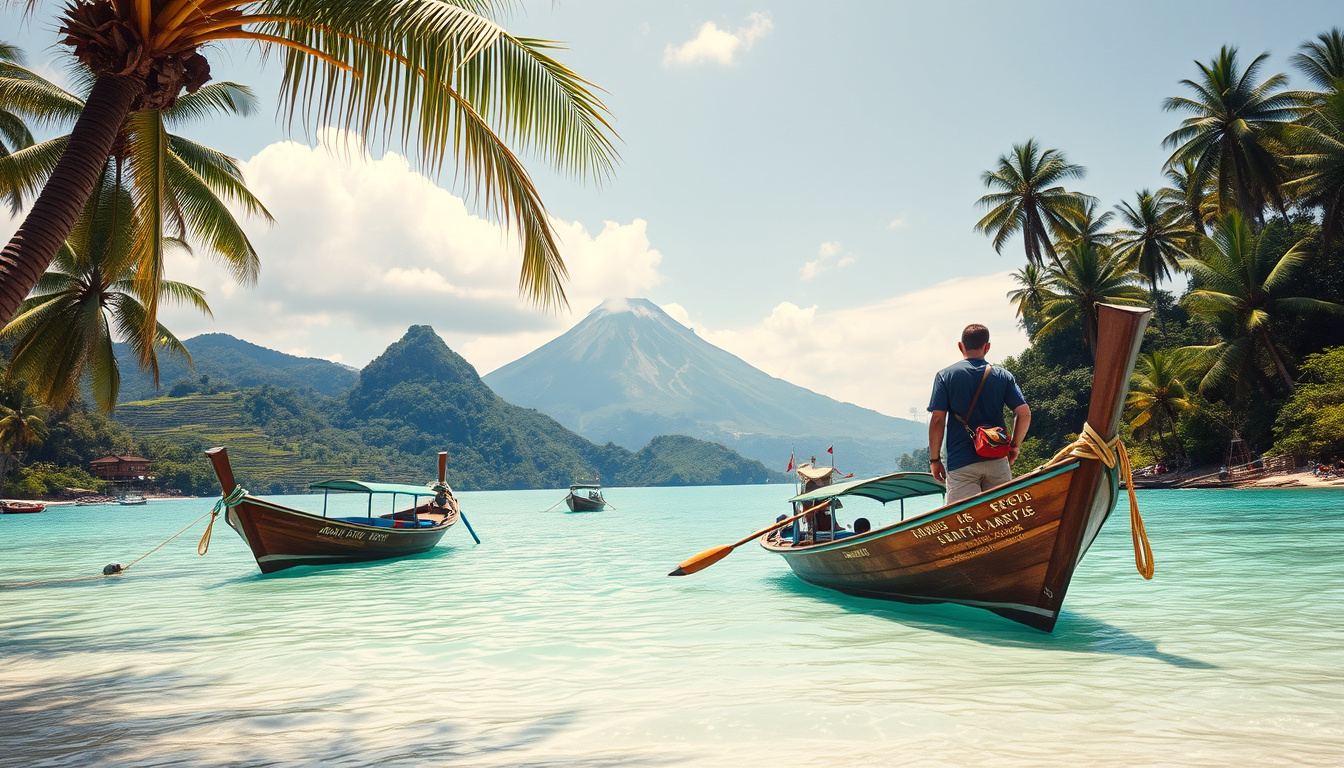
The allure of Bali is often crafted through carefully curated visuals showcasing pristine beaches, cascading waterfalls, and verdant rice terraces. Influencers and travelers alike share these stunning scenes, portraying Bali as a tranquil escape from everyday life. Yet upon arrival, many find themselves confronted by very different conditions.
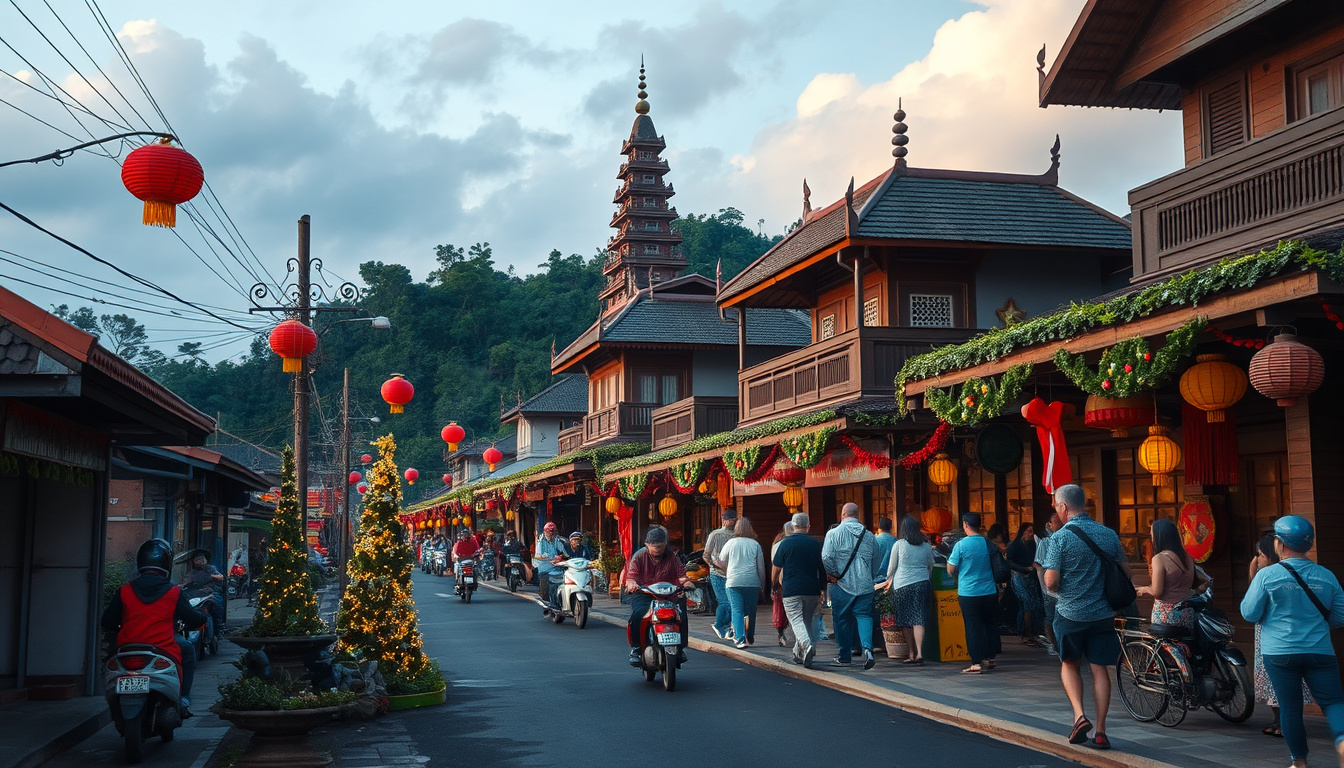
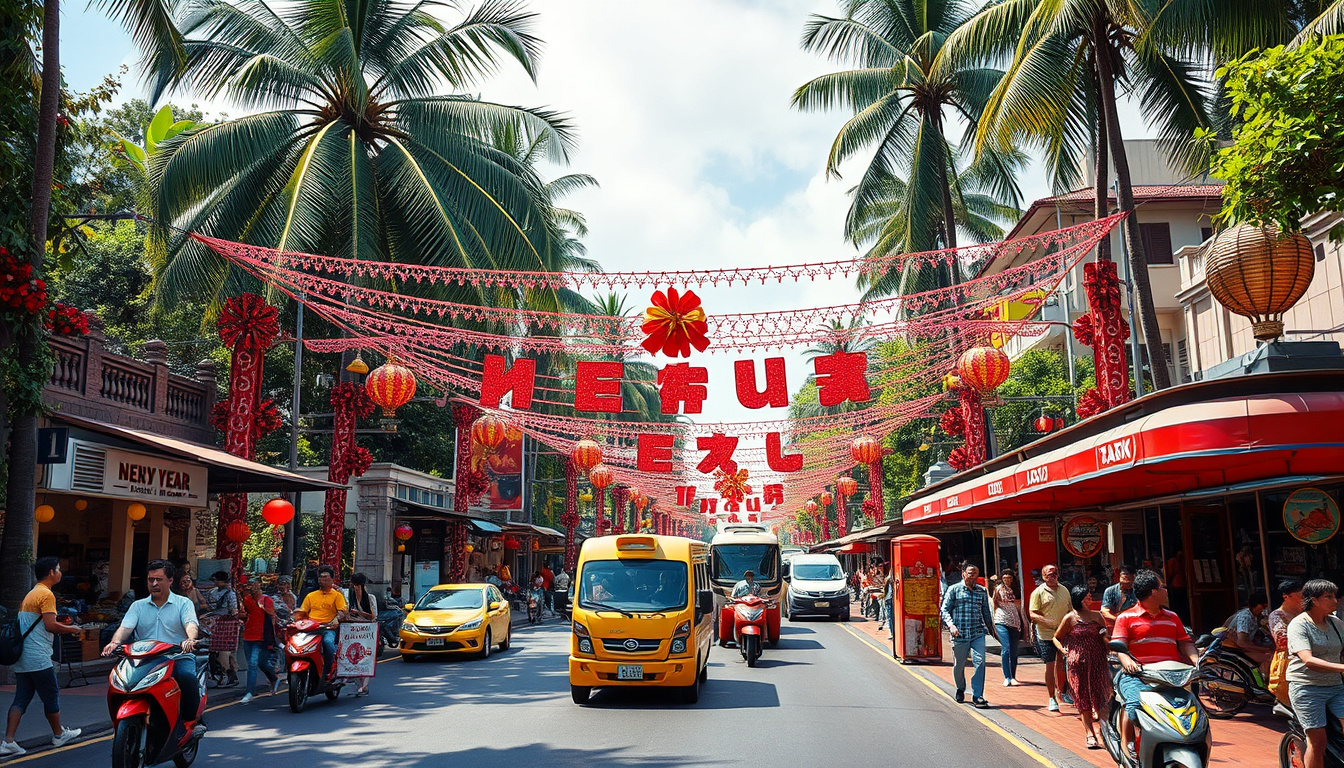
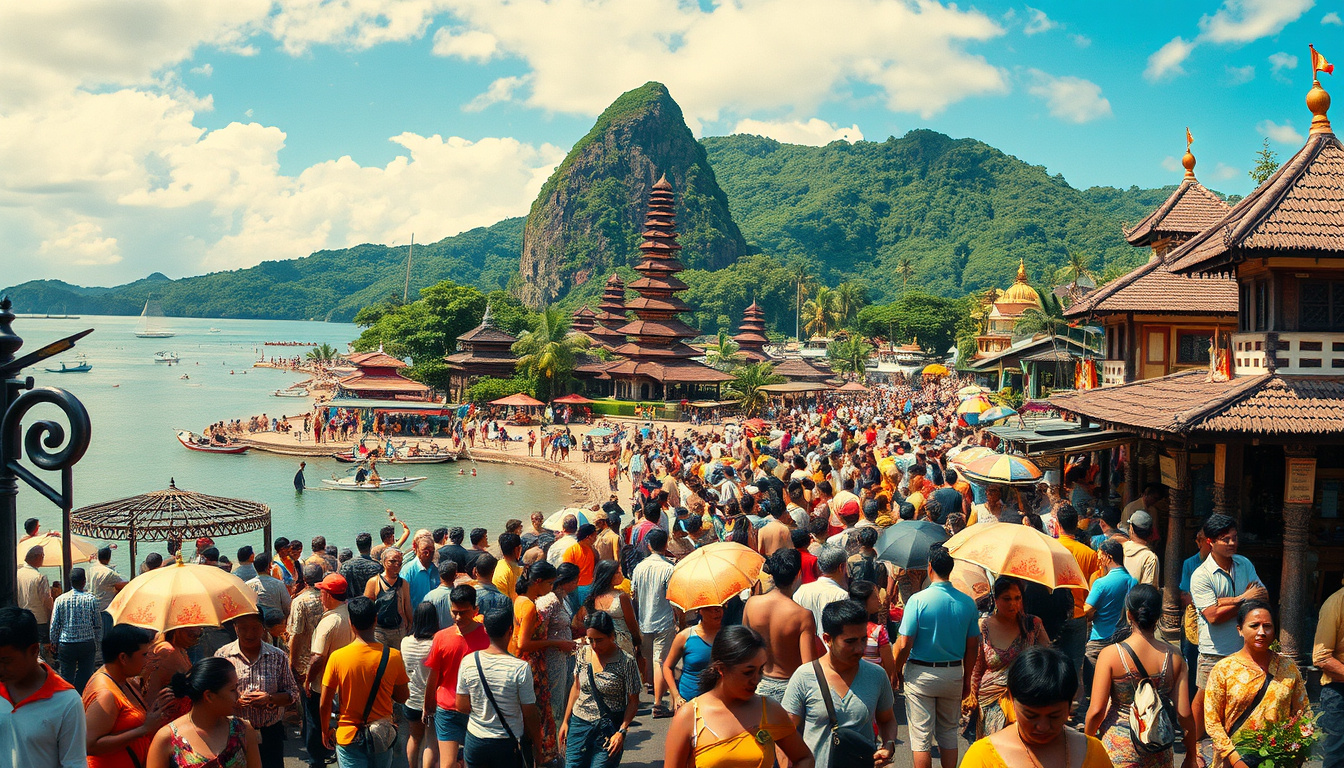
Tourists frequently encounter overcrowded attractions and congested streets in hotspots such as Uluwatu, Seminyak, and Canggu. The island’s once-quiet roads have transformed into busy thoroughfares filled with heavy traffic, while peaceful coastal nooks have become difficult to find amid the throngs of visitors. This stark contrast often leaves travelers surprised and disappointed, as the authentic quietude promised by social media remains elusive.
Environmental Concerns Amidst Overcrowding
Beyond visitor dissatisfaction, Bali faces significant environmental challenges linked to mass tourism. The surge of tourists has increased pollution levels, traffic congestion, and waste accumulation. Popular beaches now struggle with plastic litter, and natural sites feel the strain of heavy foot traffic and inadequate infrastructure.
Local waste management systems are overwhelmed, resulting in pollution leaking into surrounding oceans and ecosystems. In areas like Ubud and Kuta, community members and environmental advocates are voicing concerns over unchecked development, which threatens to erode the island’s natural landscapes. The construction of new hotels, villas, and commercial establishments often replaces traditional rice fields and forests, altering Bali’s natural fabric.
Economic Importance and Social Impact
Tourism undeniably remains Bali’s economic backbone. A wide array of local enterprises—from modest cafés to upscale resorts—rely on the steady stream of visitors. However, accommodating mass tourism has also fueled commercialization that some feel has diminished the island’s cultural authenticity.
Local communities express mixed sentiments: while tourism has boosted prosperity and opportunities, it has simultaneously driven up living costs and spurred a construction boom. This rapid growth has changed the character of formerly quiet areas such as Canggu, now bustling with surfers, digital nomads, cafes, gyms, and co-working spaces, further highlighting the tension between development and cultural preservation.
Seeking Authentic and Less Crowded Experiences
In response to overcrowding in southern Bali, visitors increasingly seek refuge in the island’s less explored northern and eastern regions. These areas, featuring unspoiled beaches and dense forests, offer a quieter way to experience Bali’s natural wonders without the overwhelming crowds.
Locals encourage tourists to venture beyond the typical hotspots and discover Bali’s “hidden gems,” such as dolphin-watching excursions in the north or hiking in remote inland regions. These alternatives not only provide a more authentic encounter but may also help alleviate pressure on overvisited zones.
Toward Sustainable Tourism Practices
Recognizing the urgent need for balance, Bali’s authorities have initiated various measures to curb tourism’s environmental footprint. Policies include banning single-use plastics, regulating construction activities in sensitive zones, and promoting eco-friendly businesses. Educational programs guide tourists toward responsible behaviors, emphasizing respect for Bali’s natural and cultural heritage.
Grassroots efforts led by activists and community organizations play a vital role as well, organizing beach cleanups, waste management awareness, and campaigns for responsible travel. Many advocate that tourists must understand their influence and act conscientiously to help preserve the island’s unique charm.
The Road Ahead: Balancing Growth with Preservation
Bali stands at a critical juncture as it grapples with overtourism’s consequences. The widening disparity between social media’s idyllic portrayal and visitors’ lived experiences underscores the pressing need for sustainable tourism models. Maintaining the island’s allure will require cooperation from governments, businesses, locals, and tourists alike.
By embracing sustainability and mindful travel, Bali can strive to protect its environment, preserve cultural identity, and provide meaningful experiences for future visitors. Without such efforts, the paradise many seek online risks losing the very qualities that made it special.
Ultimately, sustainable tourism is not a mere aspiration but a necessity to ensure that Bali remains a treasured destination for generations to come.



Add a comment