


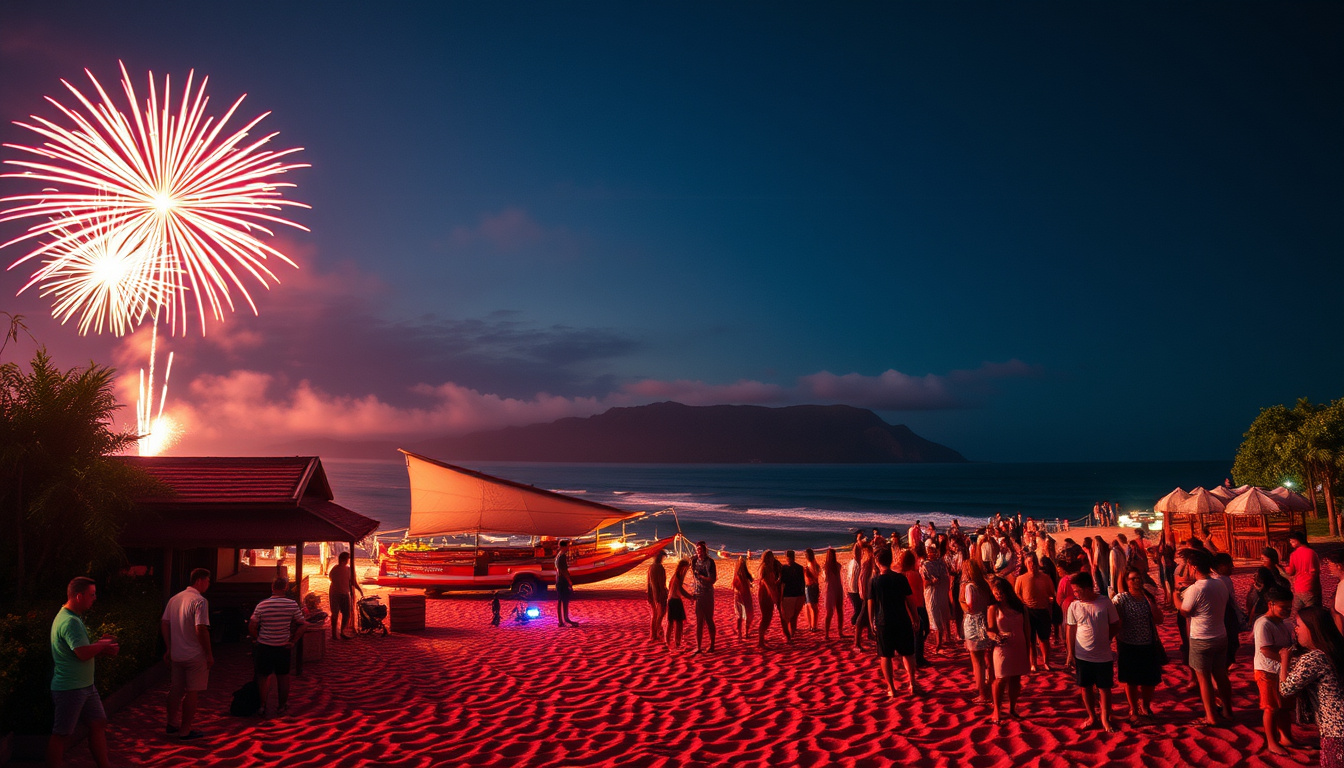

Instagram vs Reality: Bali’s Paradise Under Pressure from Tourism Boom
By Koh Ewe (Singapore) and Ade Mardiyati (Bali)
27 September 2025
Bali, Indonesia’s renowned tropical paradise, has long been a magnet for tourists seeking the idyllic and the exotic. Popularised by memoirs and films such as Eat, Pray, Love, the island promised spiritual enrichment, natural beauty, and unique cultural traditions. However, the reality greeting many visitors today is starkly different from the Instagram-perfect images widely shared on social media.
Disillusionment Among Tourists
A growing number of tourists are expressing disappointment with their Bali experiences. Zoe Rae, a social media influencer, shared in a July YouTube video her feelings of unease since arriving on the island. Citing the high expectations set by social media portrayals, she hinted at a disconnect between the picturesque images online and the less glamorous reality, which led her to abruptly leave Bali for Dubai to celebrate her wedding anniversary instead.
Across platforms, numerous tourists highlight stark contrasts between idealised photos and truths such as rubbish-strewn beaches, crowded tourist spots, and traffic-clogged roads. Pictures that capture serene sunset dinners or idyllic waterfalls often mask queues of visitors or environmental neglect just beyond the frame.
Overcrowding and Environmental Strain
The surge in tourism has brought congestion and infrastructural pressure. Bali has witnessed a rapid rise in visitors, climbing from 3.8 million in 2014 to 6.3 million in 2024, with projections for over seven million tourists in 2025. This influx has exacerbated traffic woes, construction booms, and pollution issues, with local officials linking poorly managed waste and unchecked development to recent deadly floods on the island. In response, the government has announced new restrictions on construction to mitigate further damage, though these measures come amid a swelling population and growing demands on resources.
The Cultural and Natural Identity of Bali
Despite its global image as a “last paradise,” Bali’s identity is deeply rooted in Balinese Hindu culture and spirituality. Reverence for animals, nature, and sacred sites distinguishes Bali culturally. Longtime visitors and residents emphasise that Bali remains culturally rich and naturally beautiful, particularly away from the crowded southern tourist hubs. Activities like dolphin watching, diving, and exploring the northern landscapes offer authentic experiences far removed from the party scenes and luxury beach clubs that dominate social media coverage.
Turkish-born travel writer Gisela Williams notes that tourism today often overlooks Bali’s deeper culture, reduced instead to a superficial snapshot driven by social media trends and affluent tourists indulging in luxury lifestyles offered at affordable costs.
Local Perspectives and Consequences
The rapid transformation of areas like Canggu illustrates the tension between development and tradition. Once a tranquil village with rice paddies, Canggu has morphed into a bustling hotspot filled with villas, cafes, and gyms — but also infamous for traffic jams and loss of old hangouts cherished by locals.
Local voices express a bittersweet view of tourism. Twenty-two-year-old Ni Kadek Sintya laments the soil, roads, and countryside being eroded as development spreads but acknowledges that her livelihood depends on the industry. Balinese researcher I Made Vikannanda points out the irony in tourists’ complaints about overcrowding when they contribute to the problem. Both agree that responsible development is necessary to balance economic benefits with preservation.
Challenges Beyond Growth
Tourism-driven social challenges compound Bali’s problems. Incidents involving misbehaving tourists making headlines—from intoxicated scooter accidents and disrespectful behaviour at sacred sites to brawls—have increased tensions. The arrival of thousands of Russians and Ukrainians fleeing conflict has also raised concerns about criminal activity, with Indonesia’s National Narcotics Agency issuing warnings.
At the same time, social media-driven awareness and local activism have encouraged more scrutiny of tourists’ conduct and environmental impact. While tourism remains vital to Bali’s economy, calls to manage and regulate growth sustainably have become louder.
Looking Forward
Despite “uncontrolled growth,” experts like Mr. Vikannanda remain hopeful that Bali can chart a sustainable path forward, preserving cultural harmony and natural beauty. Encouraging visitors to explore beyond superficial attractions and fostering respect for local values would be steps toward reconciliating Bali’s image as a paradise with its complex realities. As the island stands at this crossroads, the ongoing conversation highlights the urgent need to protect Bali’s environment and heritage in an era of unprecedented popularity.
Bali’s story is a poignant example of how a once-hidden jewel can become a victim of its own success, as the allure of social media collides with the pressing realities of over-tourism.



Add a comment