




Indonesia’s Bali Faces Devastating Environmental and Cultural Costs Amid Mass Tourism Boom
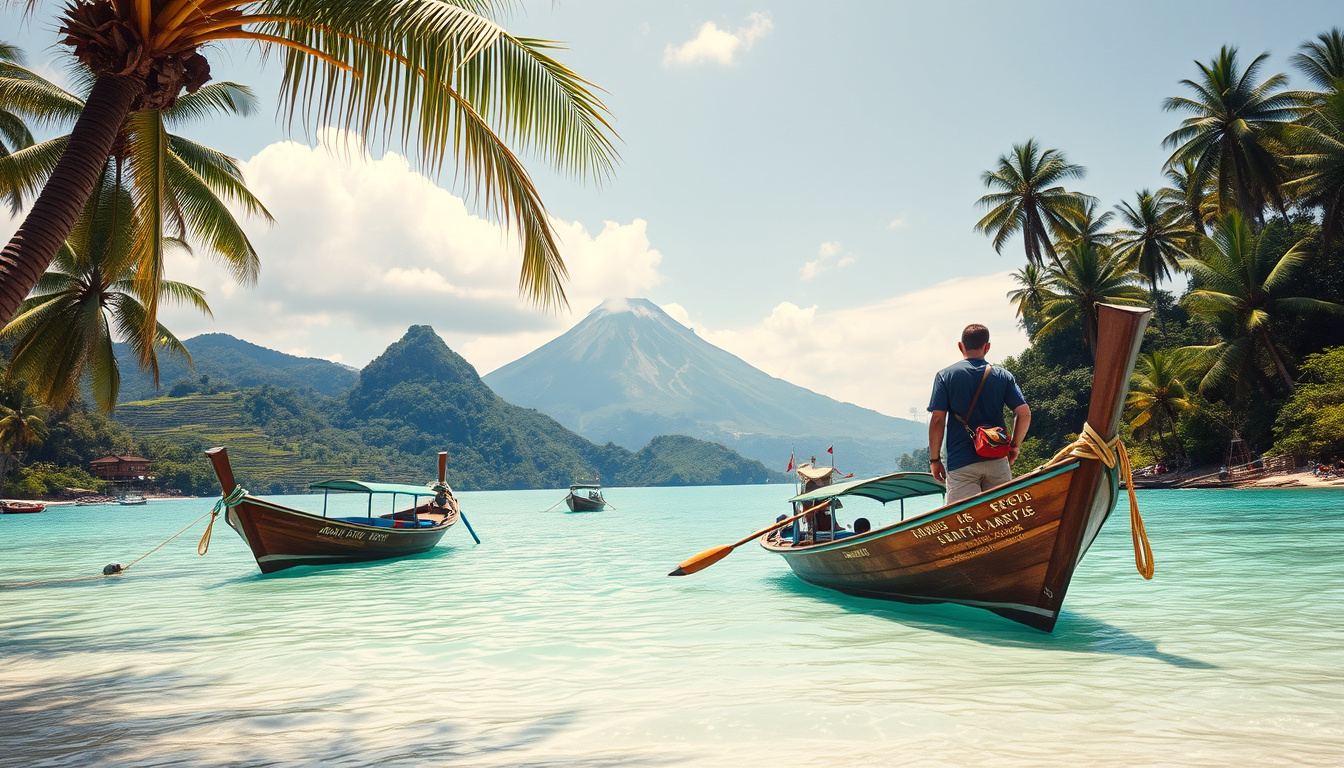
Bali, once renowned as a tropical paradise with serene beaches, lush rice paddies, sacred temples, and a rich spiritual heritage, is now confronting the harsh realities triggered by the unstoppable growth of mass tourism. Drawing millions of visitors annually, the island’s idyllic image is increasingly overshadowed by the profound environmental degradation, overcrowding, and cultural shifts brought by booming tourist numbers.
The Rise of Mass Tourism in Bali
Bali’s surge in global popularity escalated notably after the release of the film Eat, Pray, Love, positioning the island as a dream destination for spiritual seekers and travelers desiring picturesque escapes. This year, Bali is expected to welcome an unprecedented seven million international tourists, a number marking continued growth without signs of slowing down.
However, the positive economic impact of tourism is now accompanied by mounting challenges. Visitors’ experiences are often falling short of expectations, revealing a growing discrepancy between the idealized portrayal of Bali and the actual conditions faced by tourists and locals alike.
Tourists’ Growing Frustration: The Reality Behind the Paradise
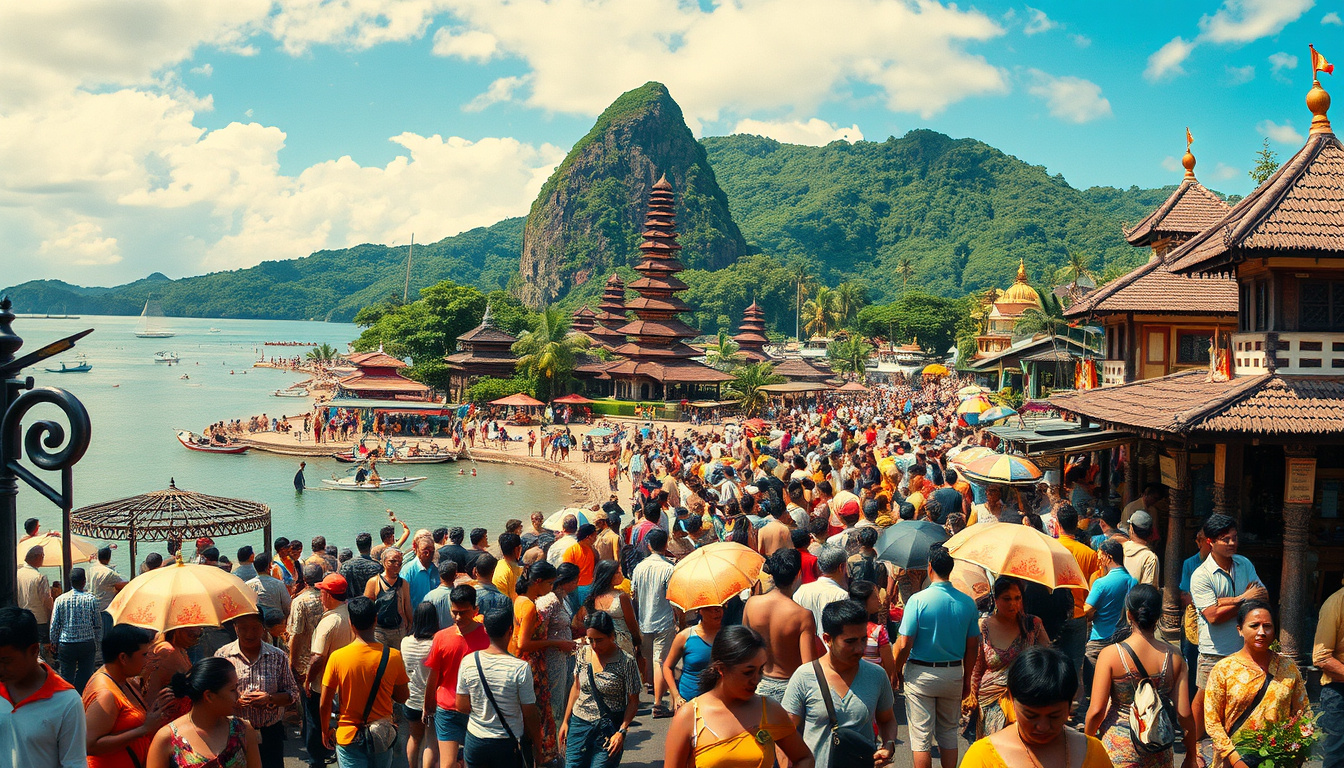
Many travelers have voiced dissatisfaction after encountering Bali’s increased overcrowding and environmental stress. British vlogger Zoe Rae, who left Bali mid-vacation, highlighted the stark contrast between images seen on social media and the reality on the island—a sentiment resonating with a rising number of tourists. Social media platforms abound with images comparing pristine natural landscapes to current scenes of beaches sullied with plastic waste, once-secluded waterfalls choked by throngs of visitors, and tranquil cafés disrupted by heavy motorcycle traffic.
This surge in tourism is visibly encroaching on Bali’s natural beauty, eroding the charm that once made it a peaceful retreat.
From Cultural Escape to Luxury Commercial Destination
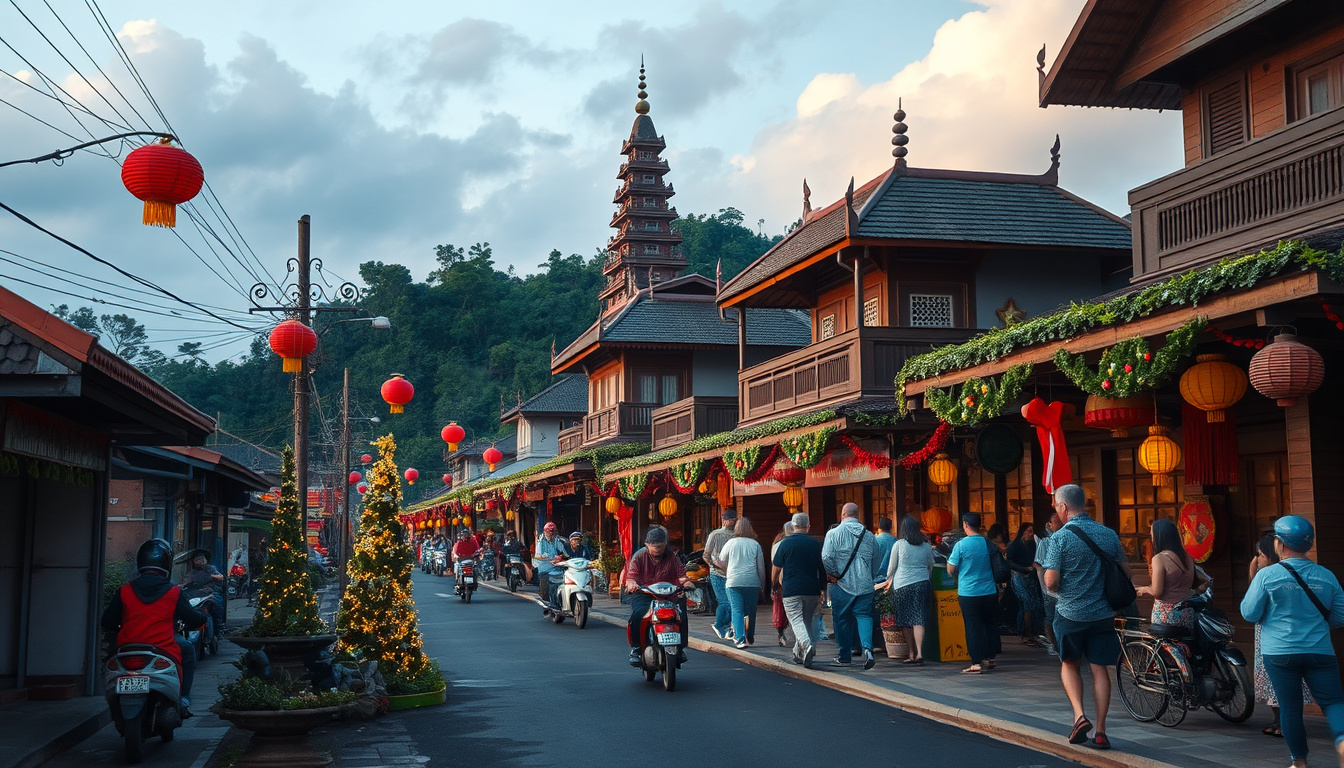
Bali’s transformation is evident in popular tourist hubs such as Canggu and Seminyak. These areas, once known for their authentic, laid-back atmosphere, have become centers for luxury resorts, beach clubs, and exclusive villas catering predominantly to affluent clients. The local character is increasingly replaced by crowded streets and heavily marketed “curated” experiences, reducing opportunities for immersive cultural engagement.
Even traditionally tranquil regions like Ubud and Pererenan are seeing similar commercial trends. The rapid development of new hotels, trendy cafés, and yoga retreats aims to attract large visitor numbers drawn by Bali’s spiritual reputation. While tourism has boosted the local economy, it has simultaneously contributed to the dilution and homogenization of the island’s cultural identity.
Environmental Crisis: Pollution, Overdevelopment, and Infrastructure Strain
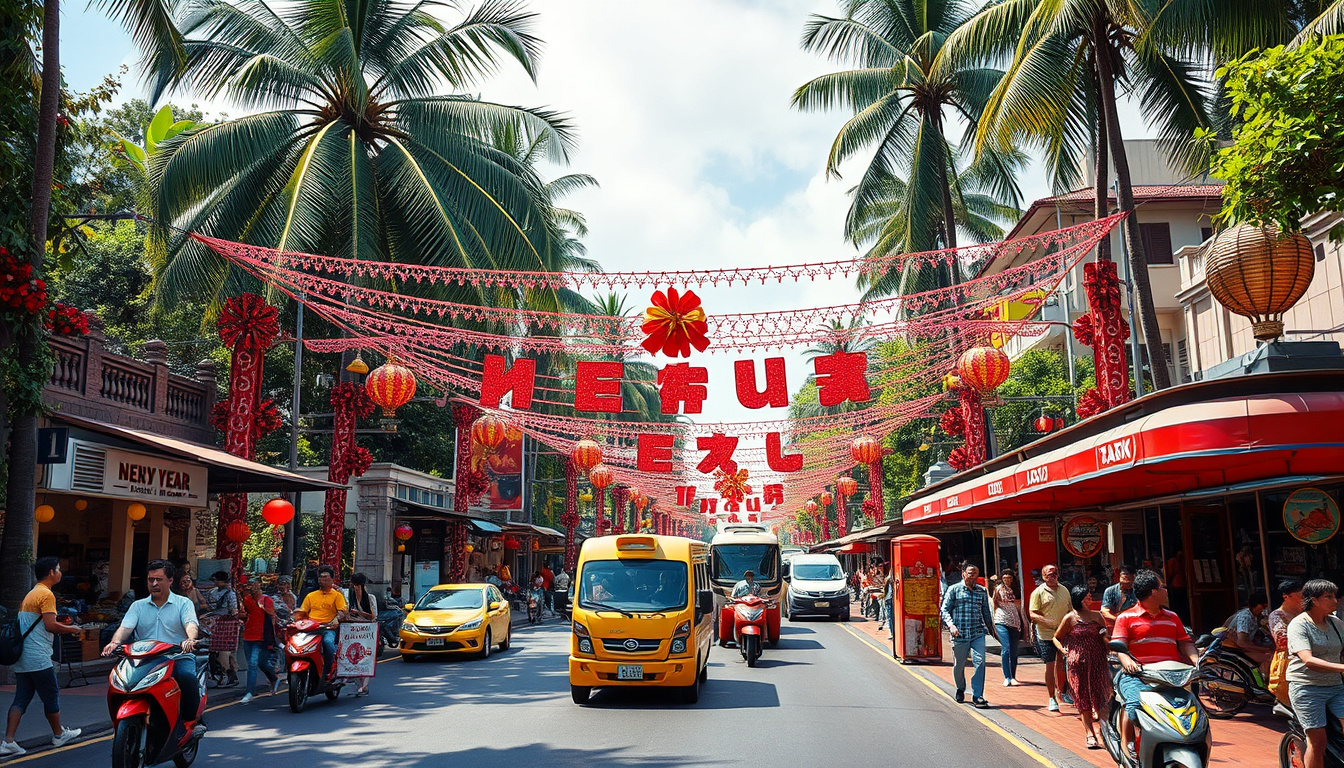
Mass tourism’s environmental burden on Bali is growing severe. Plastic pollution has become rampant, littering beaches and waterways. Natural sites suffer from excessive visitor footfall, leading to damage and waste accumulation. Air pollution rises as roads become congested with motorcycles and cars, straining an infrastructure not designed to support such volumes.
Water scarcity has emerged as a pressing issue, exacerbated by the high demands of expanding resorts and villas. Bali’s iconic terraced rice paddies—emblems of its agricultural heritage—face threats from unchecked development, with farms being replaced by commercial properties.
Tragic events underscore the consequences of this rapid growth. Recent severe flooding claimed more than a dozen lives in parts of Bali, exacerbated by deforestation and poor waste management linked to tourism-driven expansion. These disasters highlight the urgent need for improved environmental stewardship.
Cultural Impact: Loss of Tradition and Authenticity
Tourism’s influence extends beyond the environment to Bali’s cultural fabric. Traditional arts, ceremonies, and everyday lifestyles are increasingly sidelined as luxury and entertainment priorities dominate. The demand for exclusive experiences promoted by social media trends has shifted Bali’s image from a cultural sanctuary to an elite playground.
In areas like Seminyak, authentic cultural offerings are often overshadowed by trendy beach clubs and upscale venues. Long-time visitors seeking spiritual and cultural depth lament the loss of Bali’s traditional charm. Meanwhile, locals experience a sense of disconnection as rapid change challenges established identities. Even sacred temples and religious ceremonies face disruptions from overwhelming tourist presence, diluting their cultural significance.
Toward a Sustainable Future for Bali
The future sustainability of Bali as a premier tourist destination depends on balancing economic benefits with preservation of its environmental and cultural heritage. While tourism remains vital to Bali’s economy, unchecked growth risks irreversible damage to its unique character and natural environment.
Stakeholders—ranging from government bodies and local communities to tourists themselves—must embrace sustainable practices. Responsible tourism, better waste management, controlled development, and cultural preservation initiatives are essential to safeguard Bali’s charm for future generations.
Bali’s experience is a cautionary tale illustrating the unseen costs of mass tourism. Only through collective effort can the island hope to preserve its paradise status in the face of increasing global demand.



Add a comment