




Instagram vs Reality: Bali’s Struggle as an Influencer Paradise Faces the Consequences of its Own Success
By Koh Ewe, Singapore, and Ade Mardiyati, Bali — 27 September 2025
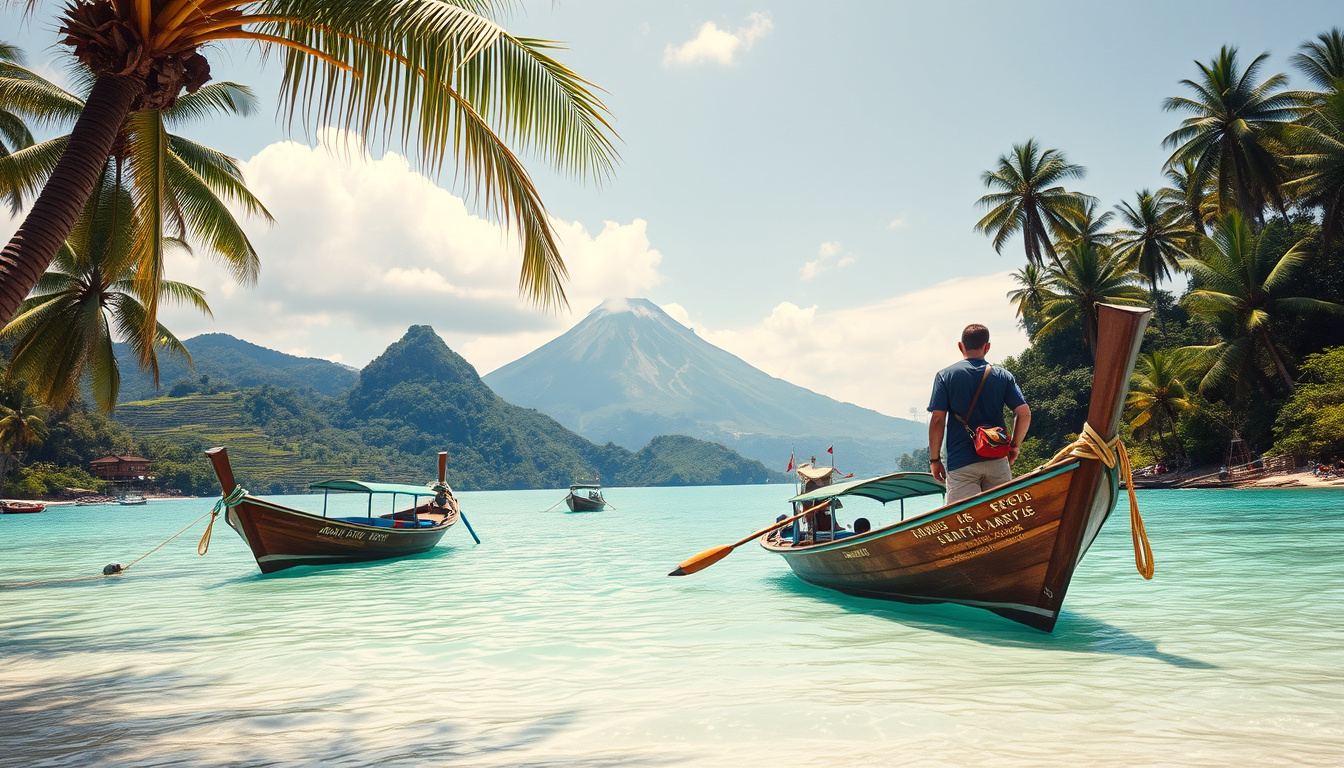
Bali, Indonesia’s famed tropical paradise, has long been a magnet for tourists worldwide, celebrated for its natural beauty, rich culture, and spiritual allure. Popularized further by memoirs and films like Eat, Pray, Love, the island’s image has been carefully curated and widely shared, especially on platforms like Instagram. But now, Bali is grappling with the unintended consequences of its soaring popularity, as growing numbers of visitors become disillusioned by the gap between the idyllic online portrayal and everyday reality.
The Instagram Illusion and Tourist Disillusionment
Zoe Rae, a tourist who recently visited Bali, captured the sentiment when she shared her disappointment in a July YouTube video. “Since landing in Bali, something for us has just not felt quite right,” she said from her hotel room. “We came to Bali with high expectations because we’d seen on social media everyone having such a lovely time.” Although she did not elaborate on the “reality” she encountered, the disappointment was enough for her and her partner to unexpectedly cancel the remainder of their stay and fly to Dubai instead.
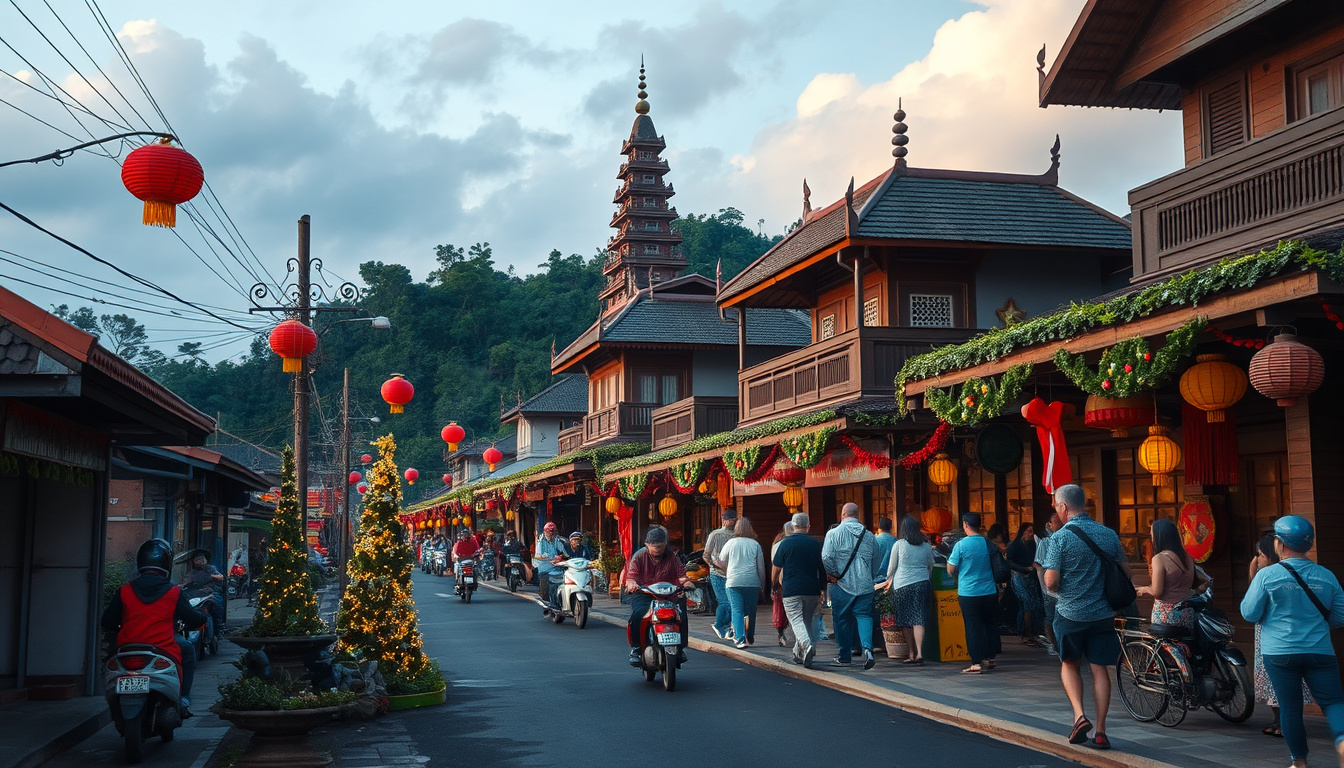
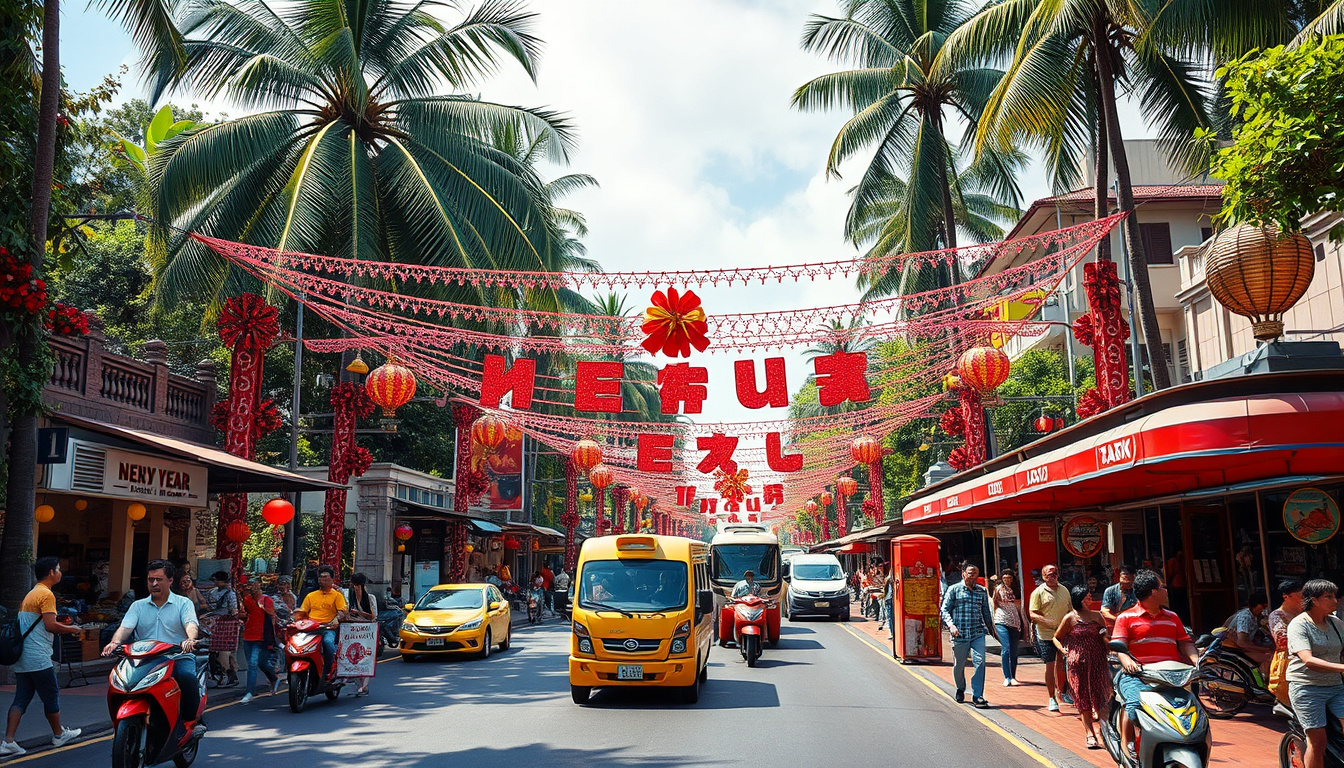
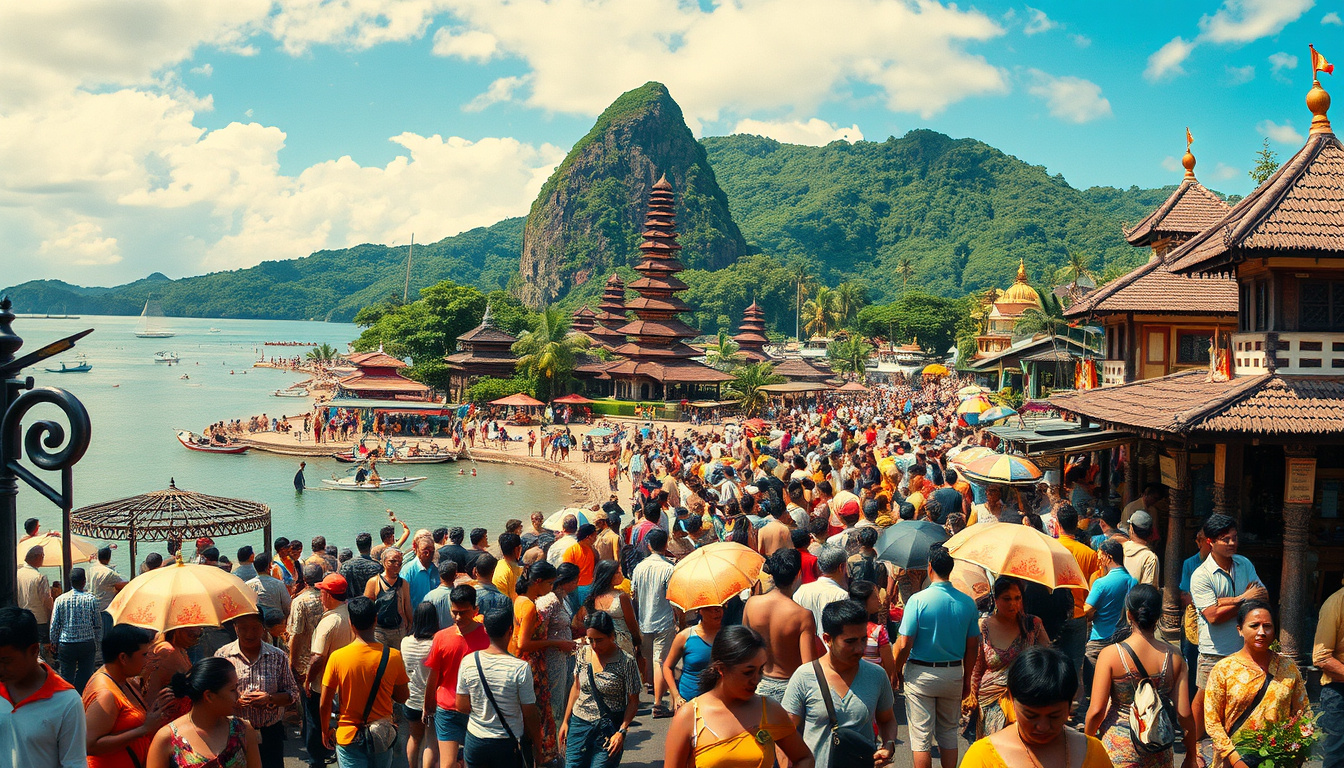
Such reactions mirror a growing trend observed on social media where tourists post side-by-side images illustrating "expectations vs reality" from Bali. The picturesque scenes of sunset dinners on the beach are contrasted with images of litter-strewn paths or overcrowded tourist hotspots. Pristine waterfalls are often crowded with throngs of selfie-seeking visitors, while the peaceful outdoors are marred by gridlocked traffic and motorbikes emitting thick plumes of exhaust.
The Toll of Tourism Boom
Tourism to Bali has exploded in recent years—rising from 3.8 million visitors in 2014 to an estimated 7 million in 2025, breaking previous records. This surge has spurred massive urban development, with hotels, cafés, villas, and beach clubs now dotting the island, especially in southern and increasingly in northern regions. While these developments cater to tourists craving luxury amenities and Instagrammable spots, they have also brought congestion, pollution, and a strain on infrastructure.
The rise in visitor numbers has far-reaching consequences. Last month, Bali experienced rare floods that claimed over a dozen lives. Officials acknowledge that poor waste management and rampant construction contributed to the severity of the disaster. In response, local authorities announced restrictions on new construction projects. However, many residents and experts warn such measures are overdue and may be insufficient to reverse the damage already done.
Beyond the Glossy Facade: Bali’s Cultural and Environmental Riches at Risk
Bali’s allure originally stemmed from its deep spiritual heritage and natural splendor. Tourists once visited to appreciate ancient Hindu temples, rice terraces, sacred animals, and the storybook beauty of places like Mount Batur. Gisela Williams, a Berlin-based travel writer familiar with Bali since the 1990s, emphasizes, “It’s the Balinese Hindu culture that has created this myth of the place.”
Yet today’s tourism often focuses on trendy hotspots—beach clubs, bars with sunset views, and upscale resorts—ignoring the island’s cultural and ecological depth. Content creator Hollie Marie, who lives in Bali, highlights this disconnect: “People come here only to stay in certain areas because they want cute cafes… They miss out on the fact that Bali is a very culturally rich island.”
Local residents echo this sentiment, pointing out that Bali is “much, much more” than its party scene. The quieter northern regions offer dolphin-watching, diving spots, and lush landscapes relatively untouched by the tourist rush.
Local Perspectives: Caught Between Growth and Preservation
Some locals express a bittersweet irony when hearing tourists’ complaints about the island’s burgeoning crowds. Balinese researcher I Made Vikannanda comments, “Tourists complain about traffic but are also part of the crowd. We’re the ones driving the car.”
Ni Kadek Sintya, a 22-year-old Balinese woman living in Canggu—a formerly quiet village now engulfed by traffic and development—shares a personal loss. “I used to ride my scooter past rice fields and take lunch breaks there. Now, those spots are filled with villas and cafés. Every time I pass, I feel as though Bali is being eroded day by day.”
The rapid expansion has shifted the island’s landscape, with hubs like Canggu and Pererenan becoming trendy, yet crowded, hotspots. Ubud’s forests now host resorts aimed at tourists seeking refuge from southern chaos, illustrating a push-pull between development and conservation.
The Challenge of Managing Tourism and Behavior
Tourism’s rapid growth has also brought challenges related to visitor behavior. Frequent news headlines report tourists involved in scooter accidents, mid-drink brawls, or disrespect at sacred sites. The recent influx of Russians and Ukrainians fleeing conflict has stirred additional tensions, with Indonesian agencies warning about rising criminal activities among some foreigners.
Such issues have sparked local resentment, fueled online by social media activists who expose bad tourist behavior. At the same time, many locals find themselves reliant on tourism for their livelihoods. Ms. Sintya candidly describes this dilemma: “Tourists think because they spend money, we should be OK with whatever they do. It can feel trapping because we live on tourism. If it stopped, what would we survive on?”
Moving Toward Sustainable Tourism
Despite the challenges, there is cautious optimism about Bali’s future. Researchers like Mr. Vikannanda believe that development and environmental harmony can still coexist if handled responsibly, particularly with youth engagement.
Various grassroots efforts have emerged aiming to promote sustainable tourism and environmental protection, including waste management education and beach clean-ups. Officials have also taken regulatory steps earlier this year by banning single-use plastics and introducing conduct guidelines for tourists.
The path ahead requires balancing economic needs with cultural preservation and ecological health—an imperative as Bali continues to attract millions dreaming of paradise. The island’s fate now hinges on whether it can transform from a victim of its own success into a model for responsible and respectful tourism.



Add a comment