


Instagram vs Reality: Bali’s Struggle as an Influencer Paradise Under Pressure
By Koh Ewe, Singapore and Ade Mardiyati, Bali
27 September 2025
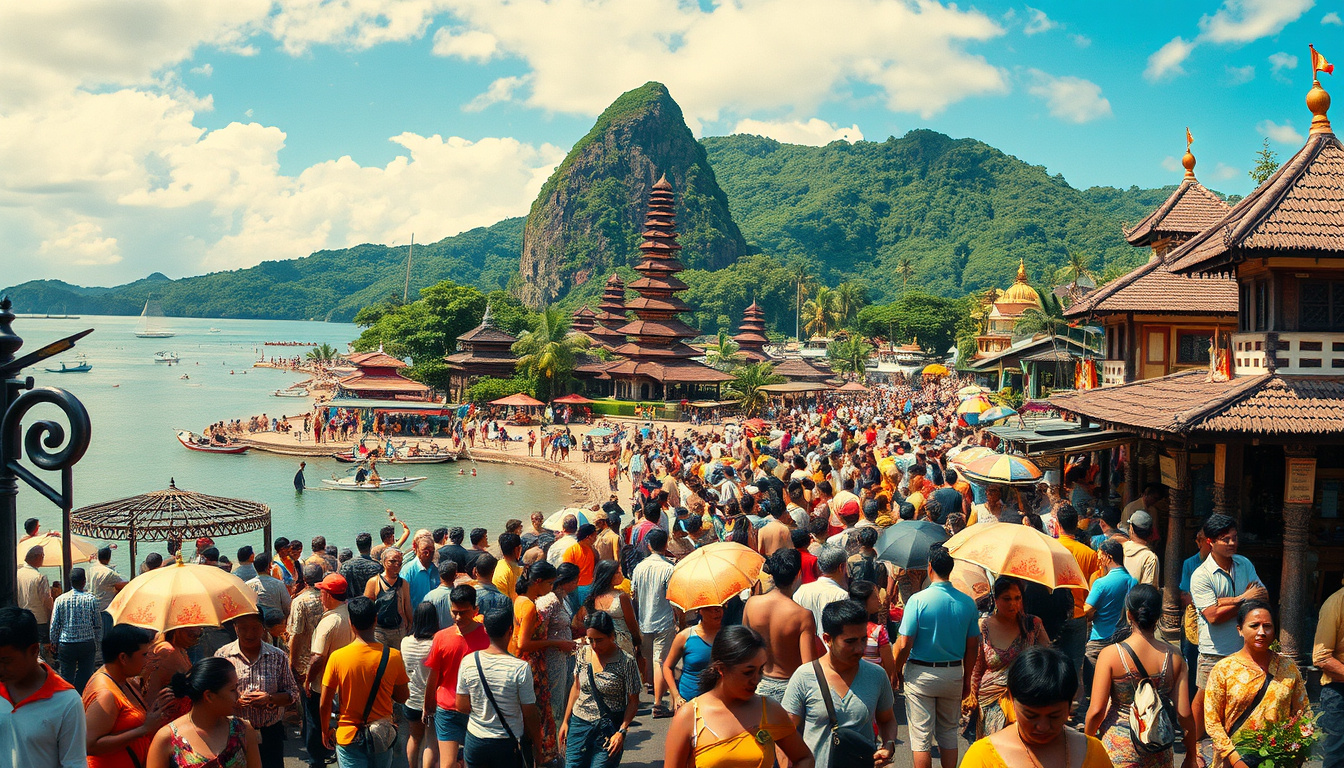
Bali, Indonesia’s iconic tropical paradise, long celebrated worldwide for its stunning beaches, rich cultural heritage, and serene landscapes, is facing an image crisis. The island’s popularity—greatly amplified by social media influencers and idyllic Instagram posts—has soared to unprecedented levels, but the reality on the ground is causing increasing disappointment among visitors and locals alike. The once-cherished “last paradise” is now grappling with the consequences of its own success.
The Allure and the Disillusionment
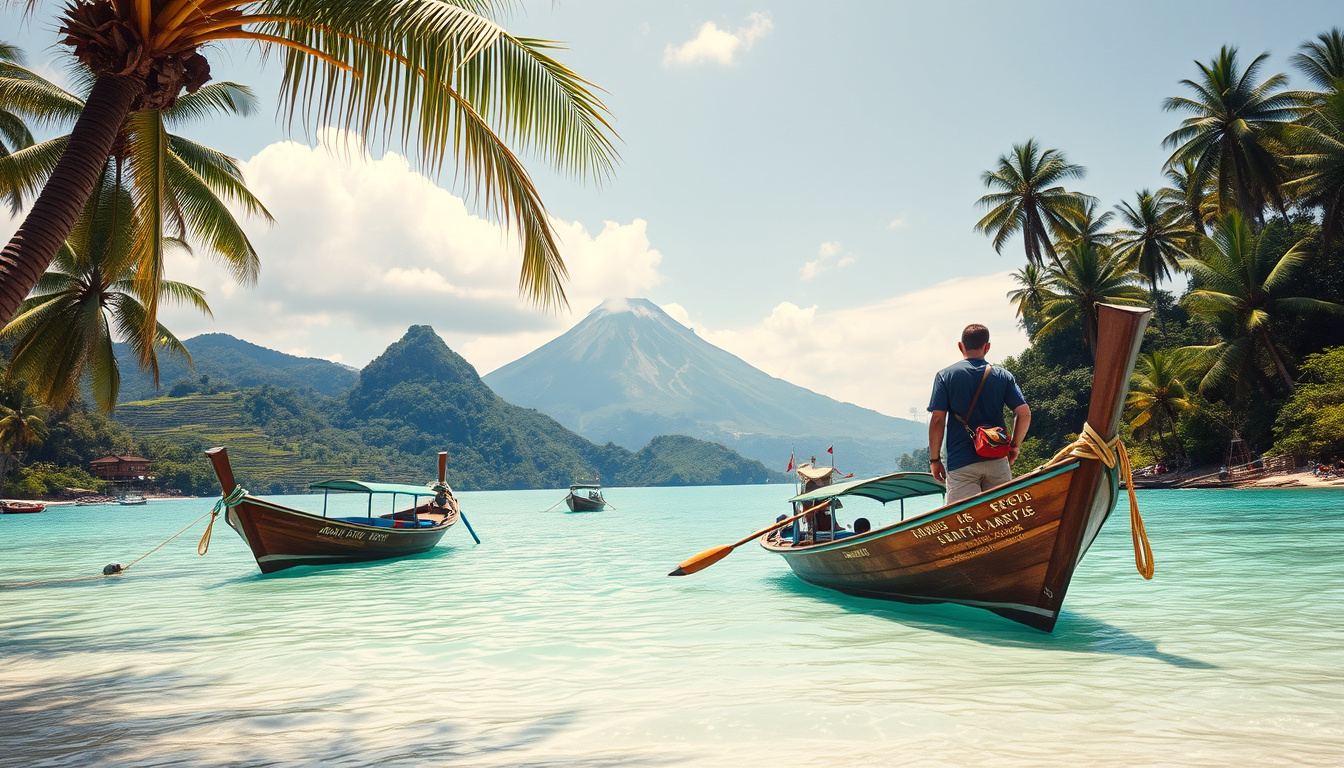
Visitors come to Bali with high hopes, inspired by countless picturesque social media snapshots showcasing coffee shops bathed in golden sunlight, turquoise waters, and tranquil yoga retreats. However, many are finding a stark contrast upon arrival. Zoe Rae, a British traveler and influencer, shared her disenchantment in a viral YouTube video this July, explaining that despite the glowing images, the reality she encountered fell short of the ideal.
“We came to Bali with high expectations because we’d seen on social media everyone having such a lovely time,” Rae said from her hotel room. Though she didn’t elaborate on the specifics, her decision to cut her trip short and relocate to Dubai for her wedding anniversary sent ripples through social media circles.
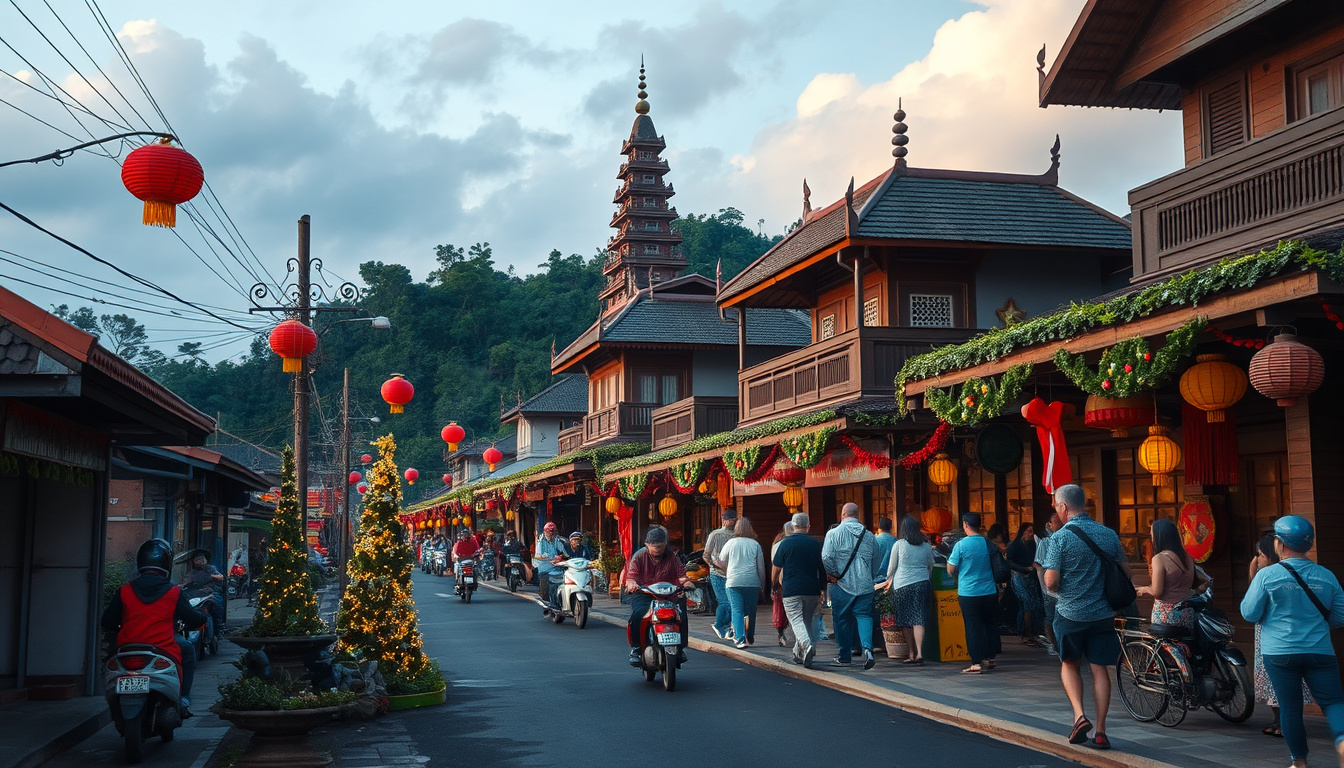
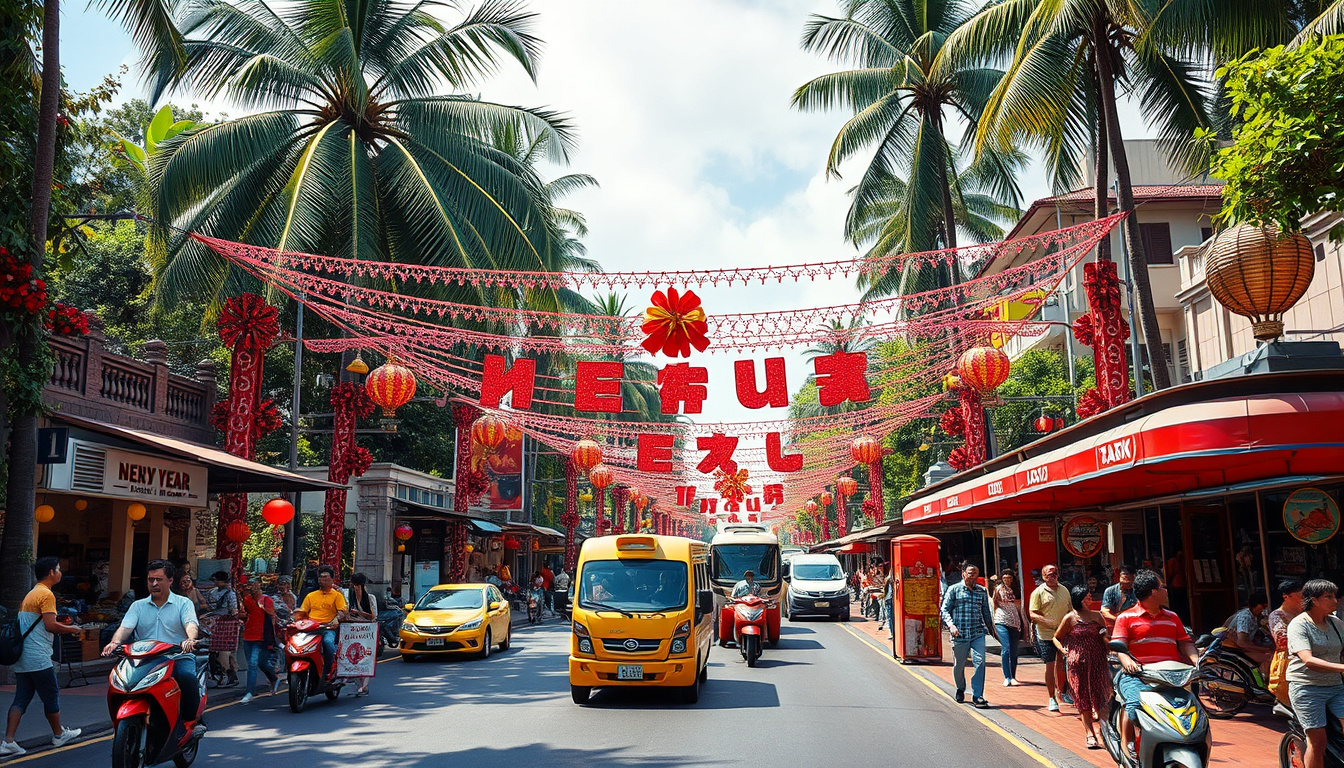
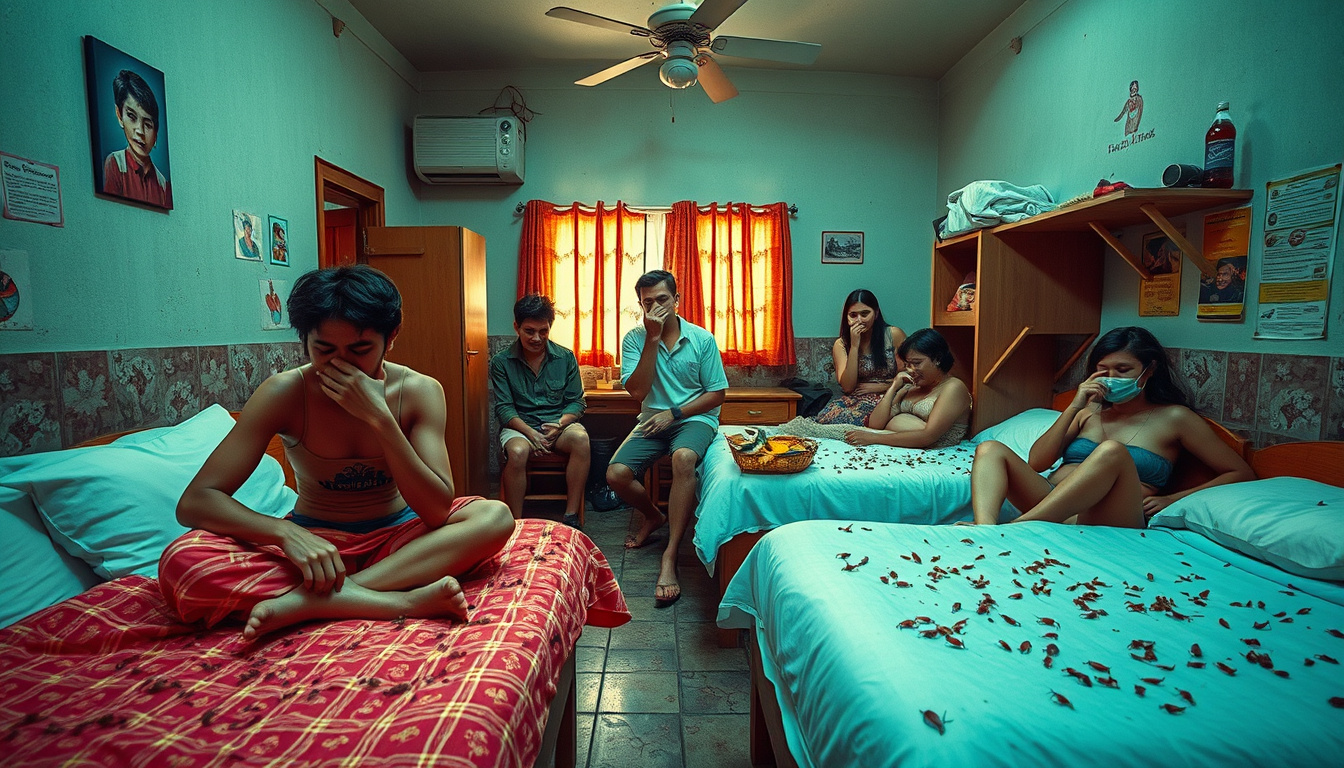
This sentiment is echoed widely across social platforms, where visitors document the “expectations vs reality” phenomenon: serene beachside dinners juxtaposed with piles of rubbish along access paths, serene waterfall selfies shadowed by long lines of waiting tourists, and eco-conscious smoothies sipped beside congested, exhaust-choked streets.
Boom in Tourism — and Its Consequences
Tourism in Bali has exploded over the past decade, swelling from 3.8 million visitors in 2014 to 6.3 million in 2024, with this year projected to surpass seven million foreign tourists. This surge, fuelled partly by a post-pandemic rebound, has intensified longstanding issues related to congestion, pollution, and overdevelopment.
One tragic consequence was seen recently when devastating floods struck the island, killing more than a dozen people. Authorities linked the disaster to poor waste management and unregulated construction, prompting local government announcements to restrict new development—though critics argue these measures come too late.
From Spiritual Haven to Party Hub
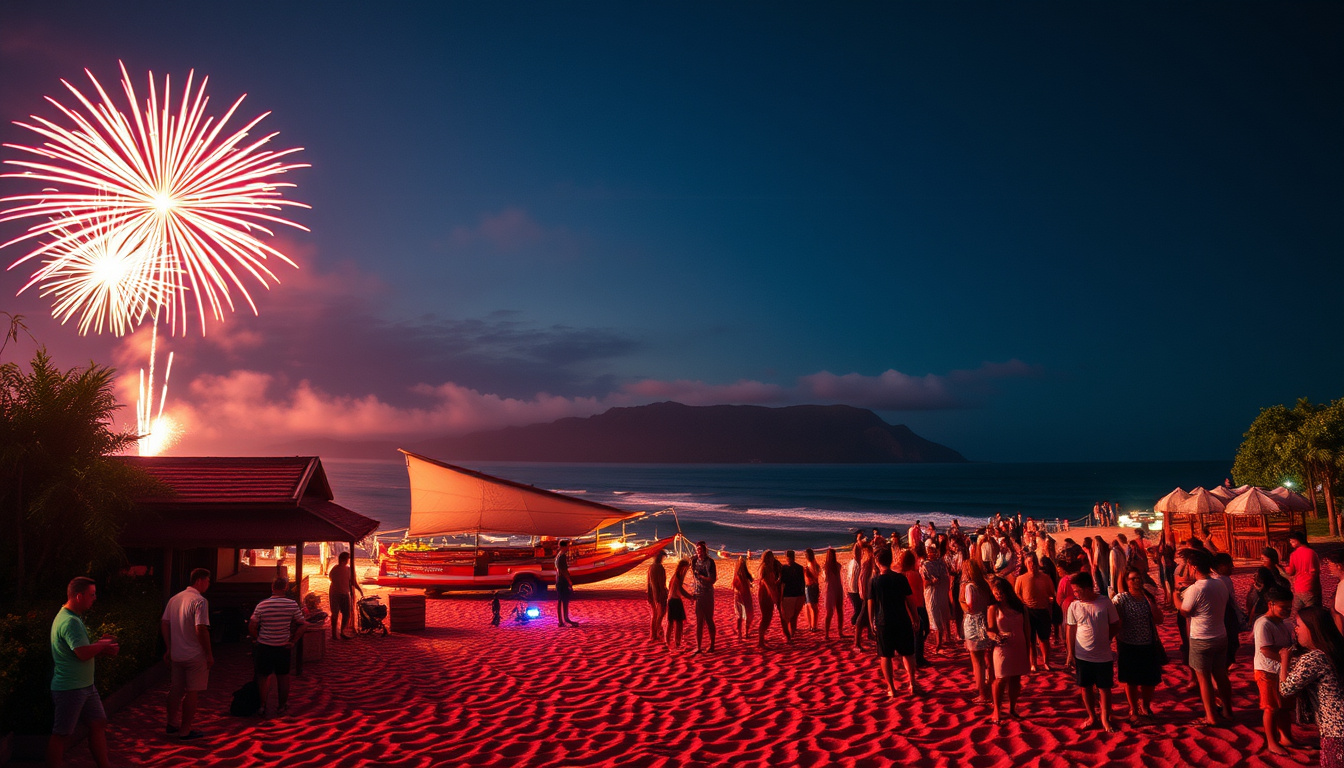
The Bali of the past was a place of rich Hindu traditions, spiritual reverence for nature, and unspoiled landscape. Early Western visitors were drawn to its temples, sacred forests, monkeys, and sacred volcanoes such as Mount Batur, considered the domain of a goddess. But today’s Bali is often better known for its vibrant beach clubs, surf houses, and nightlife zones that cater heavily to Western tourists seeking affordable luxury.
Berlin-based travel writer Gisela Williams, who has visited Bali since the 1990s, explains, “It’s the Balinese Hindu culture that has created this myth of the place.” While the island’s cultural depth remains, the focus has shifted dramatically. “Since social media has taken over, it’s a very superficial way of understanding a place… You just see a picture, and then you go.”
The Cultural Disconnect and Local Voices
Many locals and long-term residents lament how tourism crowds have drawn visitors into only a handful of areas, often ignoring the island’s less commercialized, culturally rich regions. British content creator Hollie Marie, who lives in Bali, advises tourists to look beyond the Instagram hotspots to truly appreciate the island’s diversity.
“Bali is much, much more than the party places,” says Canny Claudya, who relocated from Jakarta. “If you think it’s overcrowded, you’re probably not visiting the right places.”
Still, even locals recognize the transformation has been profound. Ni Kadek Sintya, 22, recalls quieter times when Canggu, now a bustling hotspot for surfers and digital nomads, was a peaceful fishing village-flanked by paddy fields. “Now every time I ride past that spot I used to sit at, there’s this feeling of sadness. I feel that Bali is being eroded day by day.”
A “Catch-22” of Growth
With tourism spreading outwards, neighbourhoods like Uluwatu, Seminyak, and Pererenan have morphed, marked by swelling cafes, gyms, co-working spaces, and hotels. Resorts in Ubud’s northern jungles market themselves as escapes from southern crowds, yet each new development strains the island’s environment.
“There’s a real catch-22,” notes Marie. “Encouraging people to visit new areas can help ease congestion, but it also prompts more construction and urban sprawl.”
Adding to these challenges are reports of misbehaving tourists making headlines for reckless scooter accidents, disrespect at sacred sites, and brawls—alongside concerns about criminal activities involving displaced Russians and Ukrainians fleeing conflict at home.
Growing Local Resentment and Hope for Balance
Despite Bali’s world-famous hospitality, local patience is wearing thin. Many locals depend on tourism for their livelihoods but feel trapped by the island’s unsustainable growth.
“A lot of tourists think because they spend money here, we should tolerate their bad behaviour,” says Sintya. “But it can feel like I’m being trapped… If tourism stops, what will we survive on?”
Balinese researcher I Made Vikannanda points out the irony, reminding that tourists themselves contribute to issues like traffic congestion. He remains cautiously optimistic, suggesting that with thoughtful planning, Bali’s development and natural harmony can still be preserved.
Conclusion
Bali stands at a crossroads. The island’s allure continues to draw millions, but the social media-fuelled fantasy image clashes increasingly with a reality of overcrowding, environmental strain, and cultural shifts. Balancing economic reliance on tourism with sustainable practices and authentic cultural preservation will be key to ensuring Bali remains more than just an Instagram backdrop—it must once again be a paradise that lives up to its promises.



Add a comment