


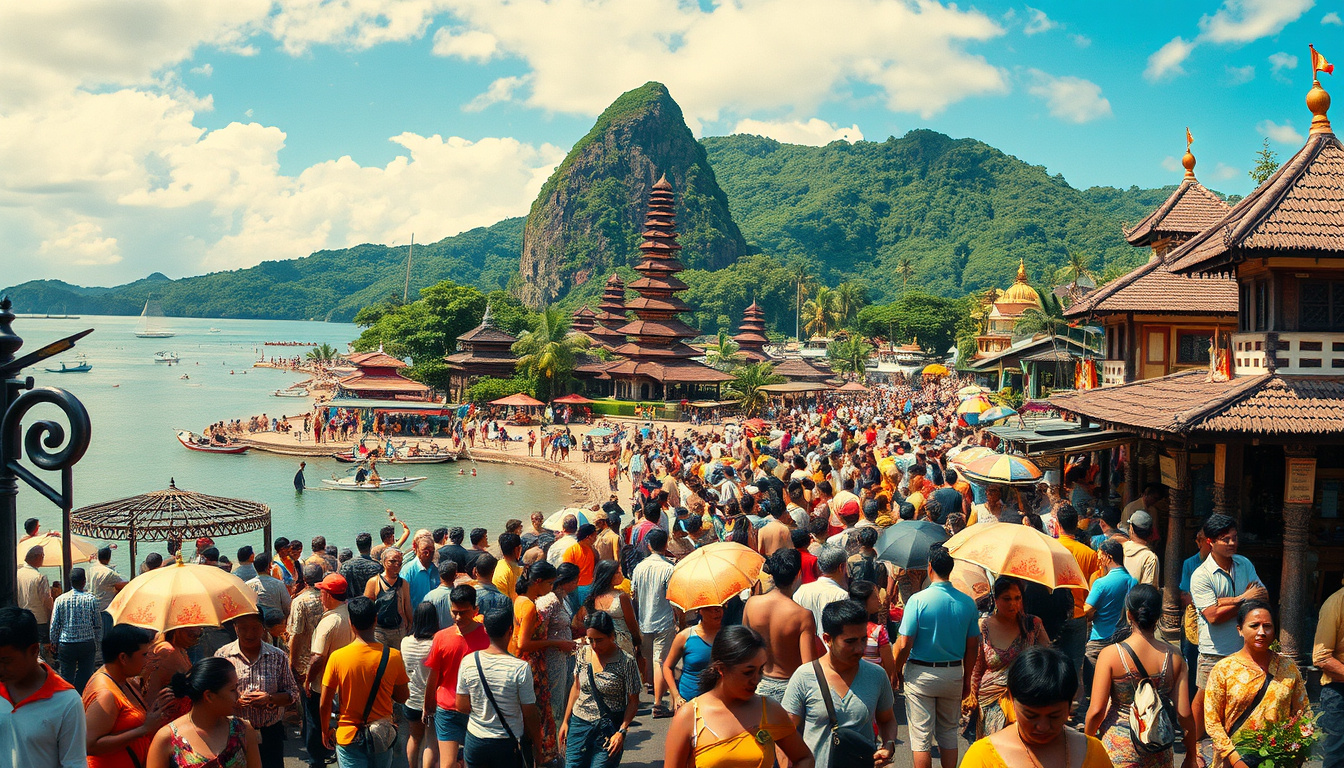

Instagram vs Reality: Bali’s Battle with Its Own Tourist Boom
By Koh Ewe, Singapore, and Ade Mardiyati, Bali
27 September 2025
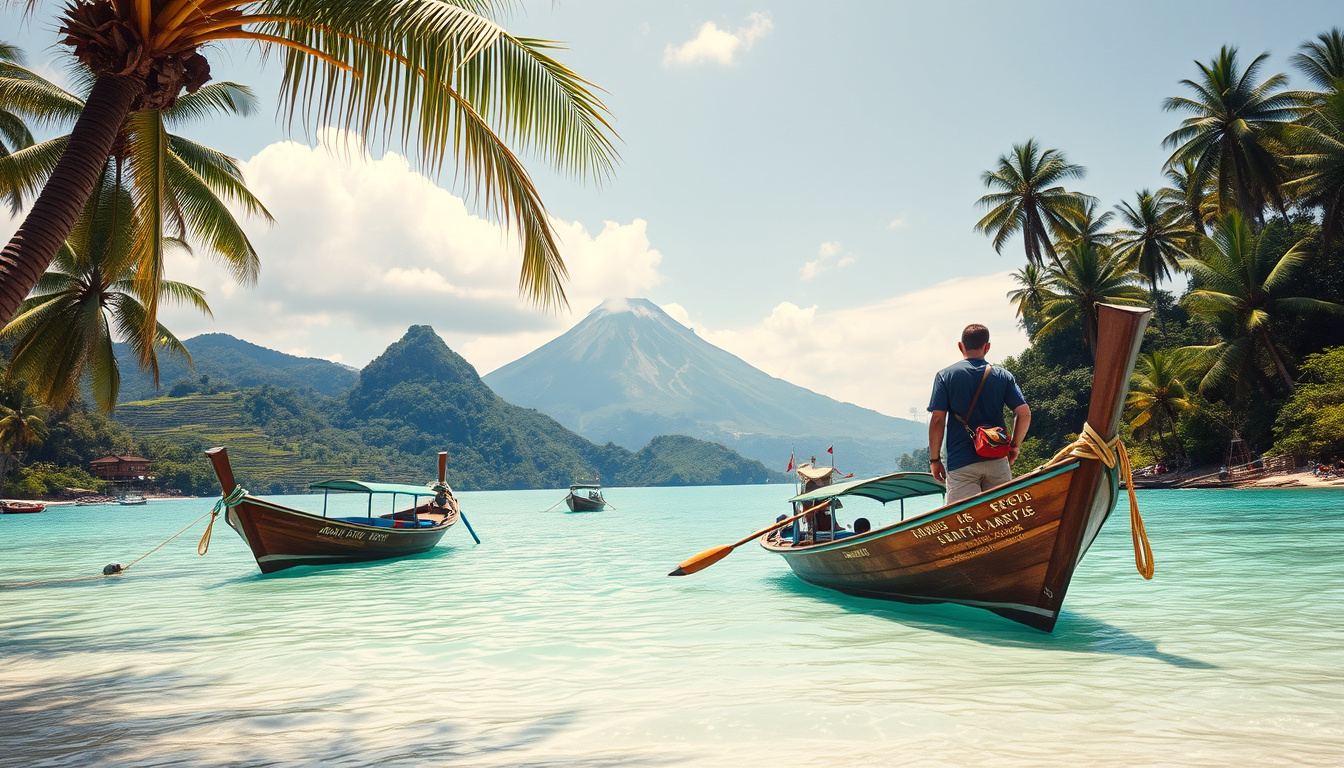
Bali, Indonesia’s renowned tropical island, has long been celebrated as a paradise for tourists. With its lush landscapes, vibrant culture, and idyllic beaches, it has drawn millions annually seeking the perfect getaway. However, the growing influx of visitors has led to a widening gap between Instagram-worthy expectations and harsh realities, leaving many travelers—and locals—disillusioned.
The Growing Disillusionment
In recent months, tourists have increasingly voiced their disappointment with Bali’s transformation. Zoe Rae, an influencer, encapsulated this sentiment in a July YouTube video recorded from her hotel room, expressing a feeling that something was “not quite right” about the island despite high expectations fueled by social media. Though she did not elaborate further, the dissatisfaction was palpable—prompting her to cut short her visit and continue her wedding anniversary celebrations elsewhere.
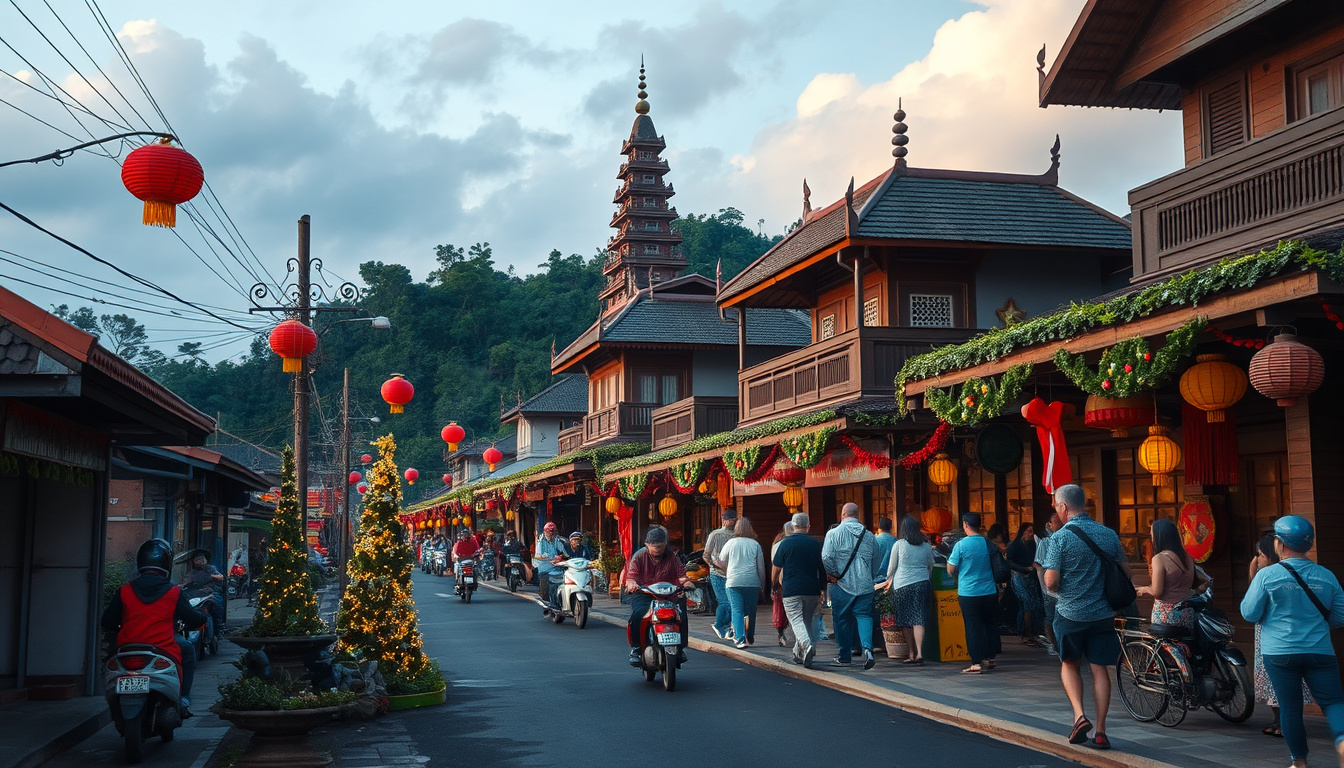
This sentiment is echoed across social media, where the popular hashtag “expectations vs reality” frequently features images contrasting Bali’s famed scenic spots with overcrowded beaches, congested roads, and pollution. Photos show tourists posing at pristine-looking waterfalls overshadowed by long lines of visitors, or dining at beachside restaurants with the backdrop of rubbish-strewn stairways.
Bali’s Tourism Boom and Its Consequences
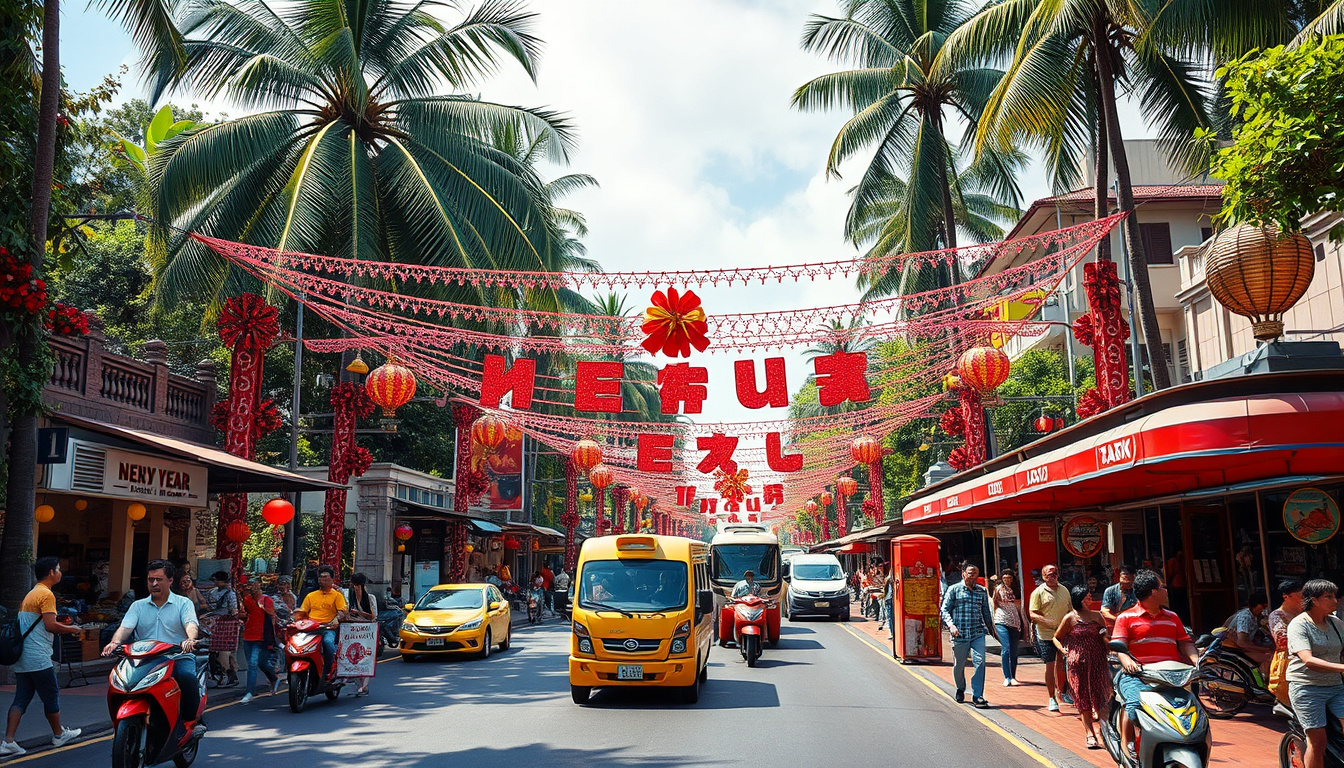
Bali’s tourism has soared in recent years, with visitor numbers leaping from 3.8 million in 2014 to 6.3 million in 2024. Expectations for this year forecast a record-breaking seven million tourists. This unprecedented growth has brought significant challenges: traffic congestion, environmental degradation, and rampant construction have altered the island’s character.
Recently, the situation reached a tragic point when rare flooding claimed over a dozen lives. Local officials attributed the disaster in part to poor waste management and unregulated urban expansion. In response, the Balinese government pledged to limit new construction projects, a move observers deem urgent but possibly too late to reverse widespread damage.
From Spiritual Haven to Social Media Playground
Bali’s allure historically centered on its rich Hindu culture, natural beauty, and spiritual significance. Visitors in the early 20th century were drawn to its serene rice terraces, sacred temples, and unique customs. Berlin-based travel writer Gisela Williams, who has visited Bali since the 1990s, reflects that it was this cultural depth which cultivated the myth of the island as a paradise.
However, the Bali many tourists encounter today diverges considerably from this image. The island has morphed into a hotspot for luxury resorts, beach clubs, and party scenes, appealing to tourists eager for affordable indulgence. Alcohol is widely accessible, and Western fashion norms prevail more than elsewhere in Indonesia. Social media amplifies a superficial view of Bali, often reducing it to a backdrop for stylized photos rather than a destination with cultural complexity.
British content creator Hollie Marie, now a resident of Bali, warns that Instagram’s curated images distort the island’s true essence. She points out that many visitors congregate in a few trendy spots like Canggu and Seminyak, missing out on the broader cultural riches and quieter natural areas. Fellow resident Canny Claudya agrees, emphasizing that Bali’s authentic beauty remains vibrant in less frequented locales such as northern forests, small fishing villages, and sea spots for dolphin watching and diving.
The Local Perspective: Loss and Resilience
For Balinese people, the tourist influx represents both opportunity and strain. Twenty-two-year-old Ni Kadek Sintya recalls quieter days in Canggu, when scooter rides passed tranquil rice paddies and peaceful rest stops. Today, traffic jams, construction noise, and overcrowding dominate what was once a serene landscape. “Bali is being eroded day by day,” she laments, highlighting the emotional toll tourism’s boom takes on locals.
Balinese researcher I Made Vikannanda critiques tourists who bemoan congestion yet contribute to it, likening the problem to being stuck in traffic caused by one’s own car. Despite frustrations, many residents rely heavily on tourism for their livelihoods. Sintya voices a poignant dilemma: “If we stop tourism, what will we survive on?” underscoring the complex dependence the local economy has on the visitors.
Areas like Canggu have rapidly transformed from sleepy villages into bustling tourist hubs filled with cafes, gyms, and co-working spaces, while other neighborhoods such as Pererenan and Ubud’s jungle resorts aim to offer a refuge from southern crowds. This expansion triggers new worries of overdevelopment, as officials and residents grapple with balancing tourism growth against environmental and cultural preservation.
Misconduct and Social Tensions
Adding to the challenges, instances of tourist misconduct periodically make headlines. Incidents involving intoxicated scooter accidents, disrespect at sacred sites, and public disturbances strain local patience. The recent arrival of thousands of Russian and Ukrainian refugees fleeing conflict has also raised concerns, with Indonesia’s National Narcotics Agency reporting an uptick in related criminal activity.
Local sentiment is increasingly vocal, with social media campaigns spotlighting irresponsible visitor behavior. Yet the Balinese hospitality, famed worldwide, endures alongside rising calls for greater accountability and sustainable tourism practices.
Searching for Sustainable Solutions
While the unbridled growth of tourism has undeniably strained Bali’s infrastructure and environment, some advocates remain hopeful. Vikannanda points to recent government measures and growing awareness as steps in the right direction toward managing the island’s carrying capacity and natural resources.
The challenge lies in fostering tourism that respects Bali’s cultural heritage, supports local communities, and mitigates environmental impact without undermining the economic benefits it brings. For many, the island’s future depends on a careful recalibration—one that honors its spiritual roots while navigating the realities of a modern travel destination.
Bali’s story is a cautionary tale of how a global social media phenomenon and unchecked tourism can overshadow the deeper values and natural beauty that once made an island a beloved haven. For tourists and locals alike, bridging the gap between expectation and reality remains a pressing journey.



Add a comment