




Instagram vs Reality: Bali, an Influencer Paradise Becoming a Victim of Its Own Success
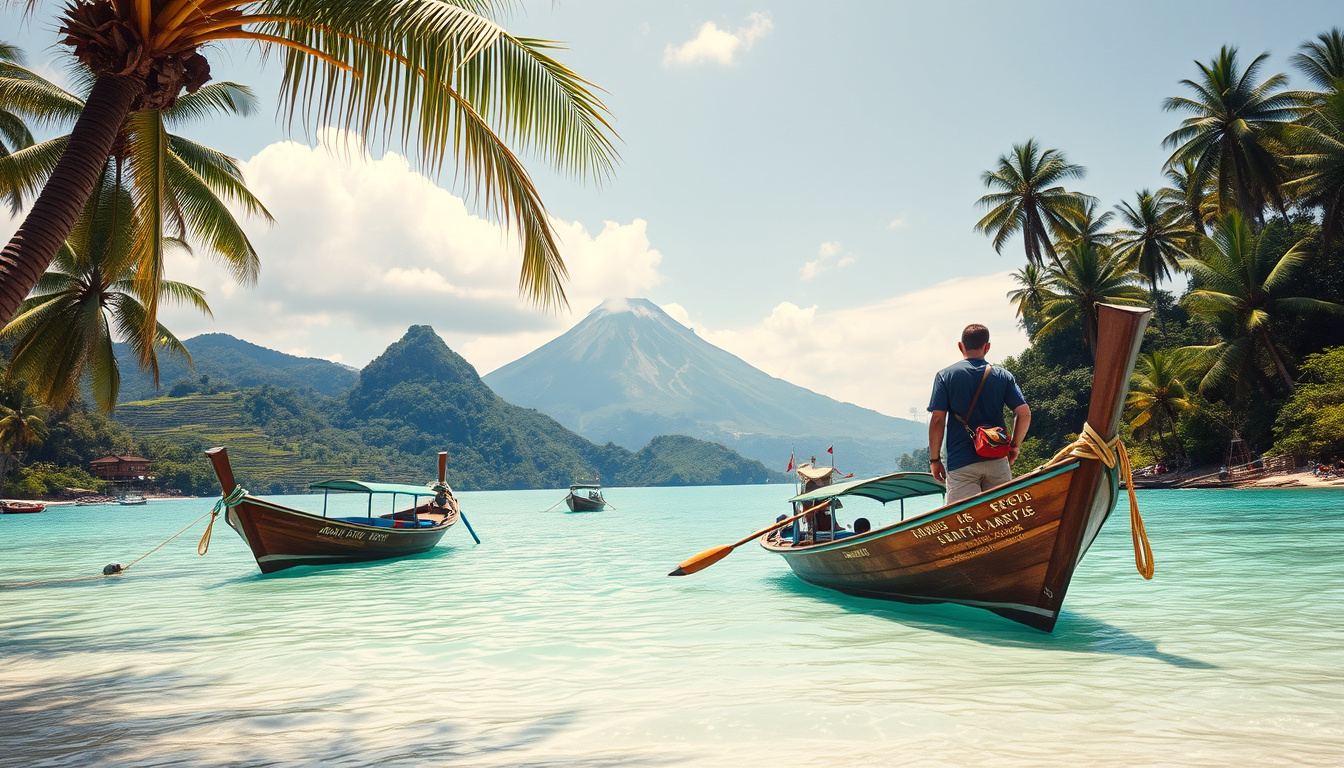
For years, Bali has been heralded as a tropical haven, attracting millions of tourists drawn by its picturesque beaches, lush landscapes, and rich cultural heritage. Often glamorized on social media as an idyllic paradise where every moment is Instagram-worthy, the island has become a magnet for influencers and travelers seeking luxury and serenity alike. However, beneath the glossy surface lies a growing disconnect between the expectations shaped by social media and the reality visitors encounter.
Tourists’ Disillusionment with Bali’s Reality
Recently, travelers like Zoe Rae vocalized their disappointment with Bali after their high expectations — set by idealized social media portrayals — met with a harsher reality. In a July YouTube video filmed from her hotel room, Zoe shared a sense of unease since arriving on the island, noting the contrast between Instagram-perfect photos and the surroundings just beyond the camera’s frame. While she chose not to elaborate on her experience publicly or respond to inquiries, her decision to quickly leave Bali for Dubai to continue her wedding anniversary speaks volumes.
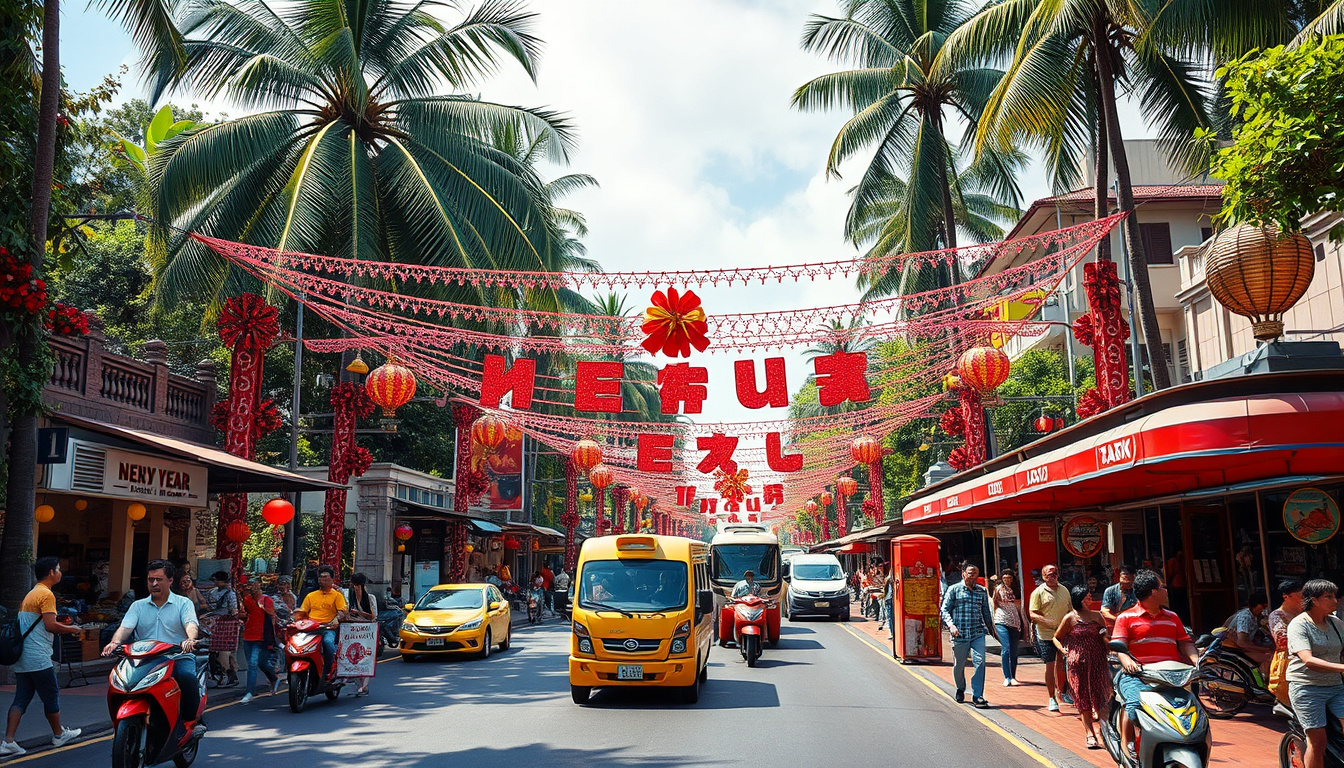
This sentiment echoes across social media, where numerous “expectations vs reality” comparisons reveal the complexities of modern tourism on the island. Pictures of serene seaside sunsets often contrast sharply with images of accumulating trash on beach access paths or congested roads lined with motorcycles and vehicles emitting soot. Visitors eager to snap shots at popular waterfalls often find themselves waiting in long lines on crowded, slippery rocks.
The Impact of Over-Tourism
The surge in Bali’s popularity has led to increased congestion, environmental strain, and infrastructure challenges. Post-pandemic, the island has witnessed a tourist boom, with visitor numbers skyrocketing from 3.8 million in 2014 to over 6 million in 2023, and forecasts suggest that 2024 might see more than seven million tourists setting foot on the island.
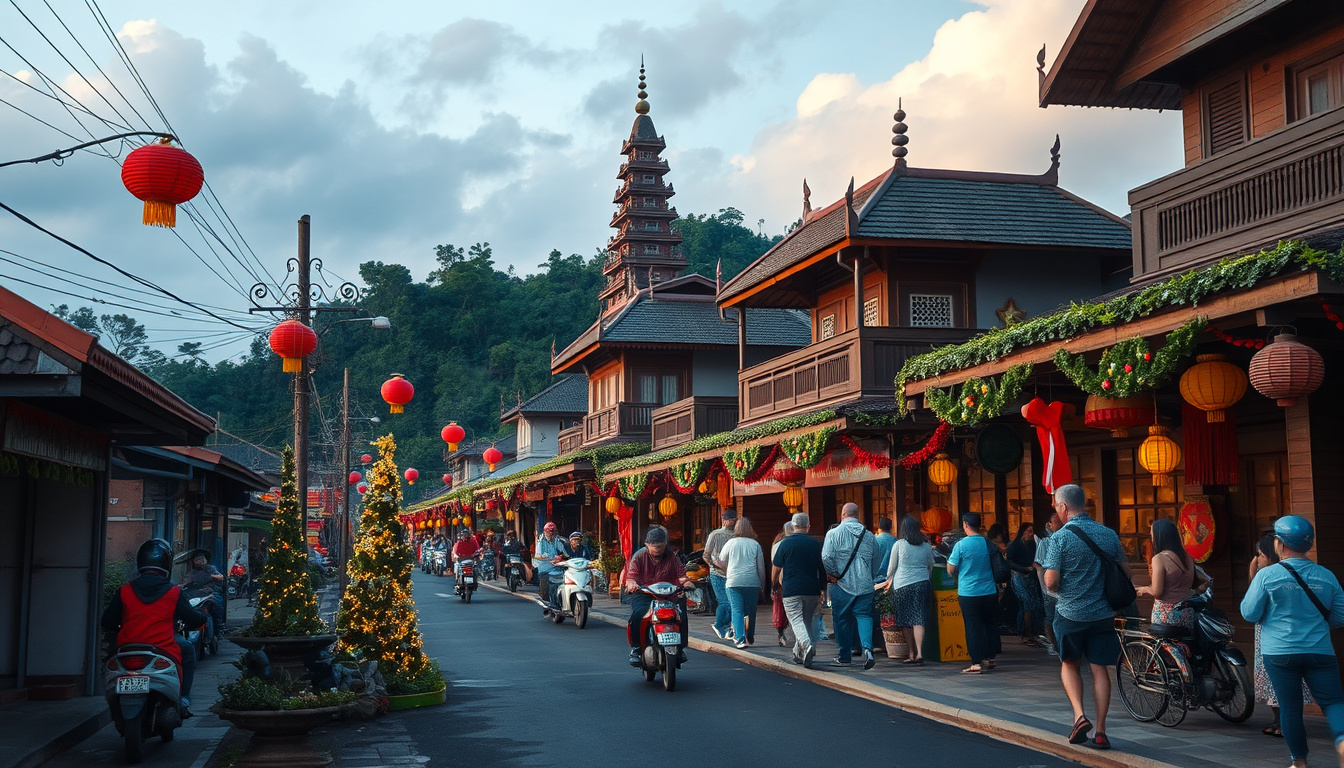
While Bali was traditionally revered for its sacred Hindu culture, spiritual nature, and serene landscapes, it now boasts a reputation more closely linked to bustling beach clubs, surf houses, luxury villas, and vibrant party scenes. Alcohol consumption is widespread, and dress codes are relatively liberal compared to much of Indonesia, elements largely catering to Western visitors seeking affordable luxury lifestyles.
The Cultural and Environmental Toll
Locals and experts express concern over the island’s transformation and the accompanying environmental degradation. Recent severe floods, which led to over a dozen deaths, exposed the vulnerabilities in Bali’s waste management and unchecked urban development. In response, local authorities have announced new restrictions on construction, but many view these measures as too late to reverse significant damage.
Balinese researchers emphasize a complex dynamic: tourists who lament overcrowding are also contributors to the very congestion they decry. Traffic jams that mar areas like Canggu have replaced once-tranquil rice paddies and quiet roads. Long-time residents like Ni Kadek Sintya reflect wistfully on past landscapes, now replaced by sprawling villas and cafes, leaving many locals with a sense of loss as their island’s character fades.
Misbehavior and Social Tensions
The influx of tourists has not only impacted the environment but has also sparked social challenges. Incidents involving intoxicated tourists causing accidents, disrespectful behavior at sacred sites, and public disturbances have made headlines. Additionally, recent arrivals of Russians and Ukrainians fleeing conflict have introduced new social dynamics, with reports of increased criminal activity drawing official attention.
This growing friction has fueled local resentment, with community members and online voices calling out irresponsible tourist behavior. Despite this, Balinese hospitality remains renowned, as residents depend heavily on tourism for economic survival. Many locals face a difficult balance between protecting their culture and environment and sustaining their livelihoods.
Seeking Sustainable Solutions
Despite the challenges, there remains hope for Bali’s future. Advocates like researcher I Made Vikannanda remain optimistic that development and environmental harmony can coexist if managed carefully. The island’s cultural richness, natural beauty, and warm community are assets that could support a more sustainable tourism model.
Some locals and commentators suggest that broader awareness among visitors could help foster respect for Bali’s traditions and environment. Highlighting less crowded, culturally rich areas beyond the typical tourist hotspots may distribute visitor impact more evenly, but such expansion risks encouraging further construction and strain.
Conclusion
Bali’s journey from a spiritual sanctuary to an over-touristed hotspot reveals the complexities of modern travel shaped by social media. The island’s stunning visuals on Instagram have created powerful expectations, yet the reality — marked by overcrowding, environmental stress, and cultural shifts — challenges the notion of paradise.
As tourism continues to grow, balancing the demands of visitors with the preservation of Bali’s unique identity poses a critical challenge. For Bali to sustain its allure beyond social media’s filtered lens, meaningful steps must be taken to address overcrowding, environmental degradation, and cultural respect, ensuring that future generations can experience the island’s magic in its truest form.



Add a comment