


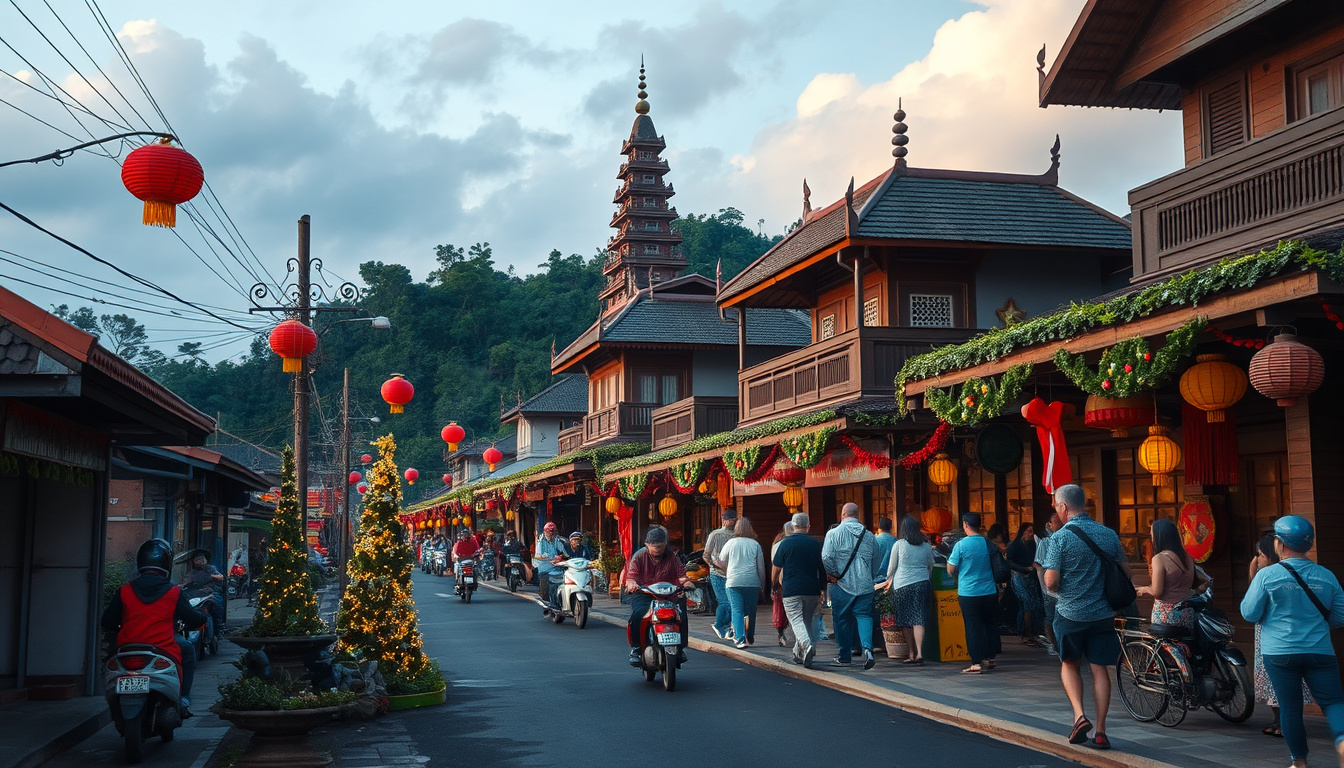


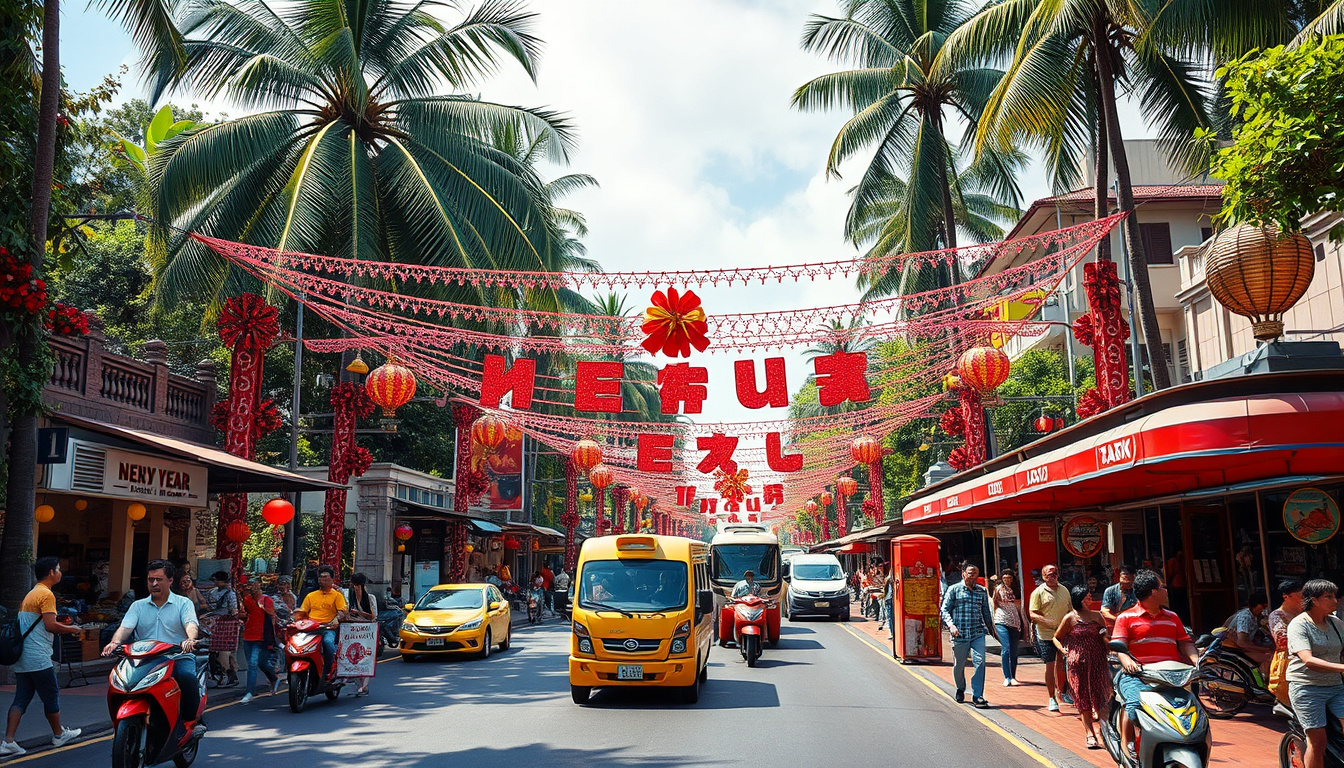


Bali’s Tourism Paradise Faces Serious Challenges Amid Surging Visitor Numbers
November 25, 2025 — Bali, Indonesia’s renowned tourism haven, welcomed over 6.3 million international tourists in 2024, a figure that might typically signal prosperity. Instead, this milestone has exposed critical strains on the island’s infrastructure, environment, and cultural heritage, raising urgent questions about Bali’s sustainable tourism future.
Overwhelmed Infrastructure and Environmental Pressures
The immediate signs of stress are visible from the moment travelers land at Ngurah Rai International Airport in Denpasar. Visitors frequently endure long traffic jams en route to popular destinations like Ubud. Once-pristine beaches now suffer from excessive commercial development, littered with plastic waste and lined with countless sunbeds. Bali’s famed rice terraces, treasured for their natural beauty, have come under pressure from selfie-seeking tourists, and at deeply sacred temples, selfie sticks often outnumber worshippers.
This swell of tourists is concentrated in a heavily trafficked “tourist zone” that extends from Canggu and Seminyak through Kuta and Ubud to the eastern cliffs. This corridor has effectively become one of Southeast Asia’s most densely packed tourist regions, straining local resources and diminishing the authentic island experience.
Tourist Backlash and Emerging Alternatives
In response, some European and Australian tour operators report a decline in bookings for 2025–2026 compared to the post-pandemic surge of 2024. Disillusioned travelers are starting to seek “the next Bali”—quieter and more pristine destinations such as Lombok, Sumba, Sri Lanka, and the Philippines—which promise cleaner environments and fewer crowds.
Beyond Overtourism: The Root Cause Is Management Lapses
Local tourism experts, industry stakeholders, and government insiders largely concur that Bali’s challenges stem less from sheer tourist volume and more from a lack of effective governance and control:
- Unrestrained Promotion: Indonesia’s Ministry of Tourism continues to aggressively market Bali to boost visitor numbers, often disregarding the island’s limited carrying capacity.
- Administrative Instability: Frequent changes in provincial tourism leadership, inconsistent regulations, and poor enforcement have created a loosely regulated environment. Illegal villa developments frequently appear without proper permits or adequate wastewater systems. Uncertified yoga studios and clandestine bars operate openly, often with little oversight.
- Tourist Tax Collection Issues: A tourist levy introduced in February 2024, intended to fund environmental and cultural preservation, is inconsistently applied. Approximately only 35% of international visitors paid the 150,000 rupiah ($10) fee in 2024, with some hotels collecting it regularly, while others neglect the obligation.
Rising Local Frustration Over Expat Impact
The presence of long-term foreign residents—including digital nomads, yoga instructors, villa owners, and retirees—has become a contentious issue. While many contribute positively to the economy, a vocal minority reportedly violate visa rules, compete unfairly with local businesses, and convert peaceful neighborhoods into party hubs. Unauthorized retreats and bars run by foreigners are increasingly scrutinized in the local media, intensifying concerns about commodification and disrespect of Balinese culture.
Warning Signs: Risk of a Downward Spiral
Without decisive management, Bali risks entering a classic tourism “death spiral” where visitor dissatisfaction grows alongside environmental degradation. This leads to fewer repeat visitors and lower spending, forcing businesses to compete on price and attracting more budget travelers who may not contribute to sustainable growth.
Evidence of this trend is emerging: hotels in Canggu and Ubud have reported that average daily rates during shoulder seasons in 2025 are 10-15% lower in real terms than in 2023, despite rising operational costs. Once-celebrated beaches now frequently appear on lists of the most disappointing destinations. Iconic sacred sites such as Tanah Lot and Besakih Temple have recently introduced visitor limits and timed entries—a move welcomed by residents who feel the island is becoming unrecognizable.
Potential Solutions: Political Will and Strategic Action Needed
Other destinations provide hopeful examples. Bhutan promotes high-value, low-volume tourism; Palau enforces stringent environmental protections; and Iceland rebuilt sustainably following the pandemic tourism boom. These successes underscore that effective policies and political resolve can reshape a tourism economy.
For Bali, the key steps are increasingly clear:
- Enforce strict visitor capacity limits in southern tourism hotspots.
- Promote and develop less-visited northern and eastern regions through infrastructure investments and targeted marketing.
- Implement a mandatory, uniformly collected tourist tax at airport arrival.
- Crack down publicly on illegal building and visa violations to deter disregard for regulations.
- Empower local village councils (banjars) to veto major construction projects, restoring local autonomy.
A Race Against Time to Preserve Bali’s Charm
Bali still boasts breathtaking natural landscapes, warm hospitality, and a rich cultural identity. However, the island’s tourism model is fast approaching its limits. Without swift, concerted action, Bali risks compromising the very qualities that made it a paradise for millions worldwide.
Sustaining Bali’s tourism future demands balancing economic benefits with environmental protection and cultural preservation—a challenge that will define the island’s next decade.
Related Stories:
- Uninhabited Melasti Beach Receives Over One Million Visitors Annually
- Bali Hotels Face Crisis Amidst Waste Management Chaos
- 4WD Adventure Tourism Expands in Bali’s Interior
For further developments on Bali’s tourism landscape and travel updates, stay connected with our ongoing coverage.



Add a comment