




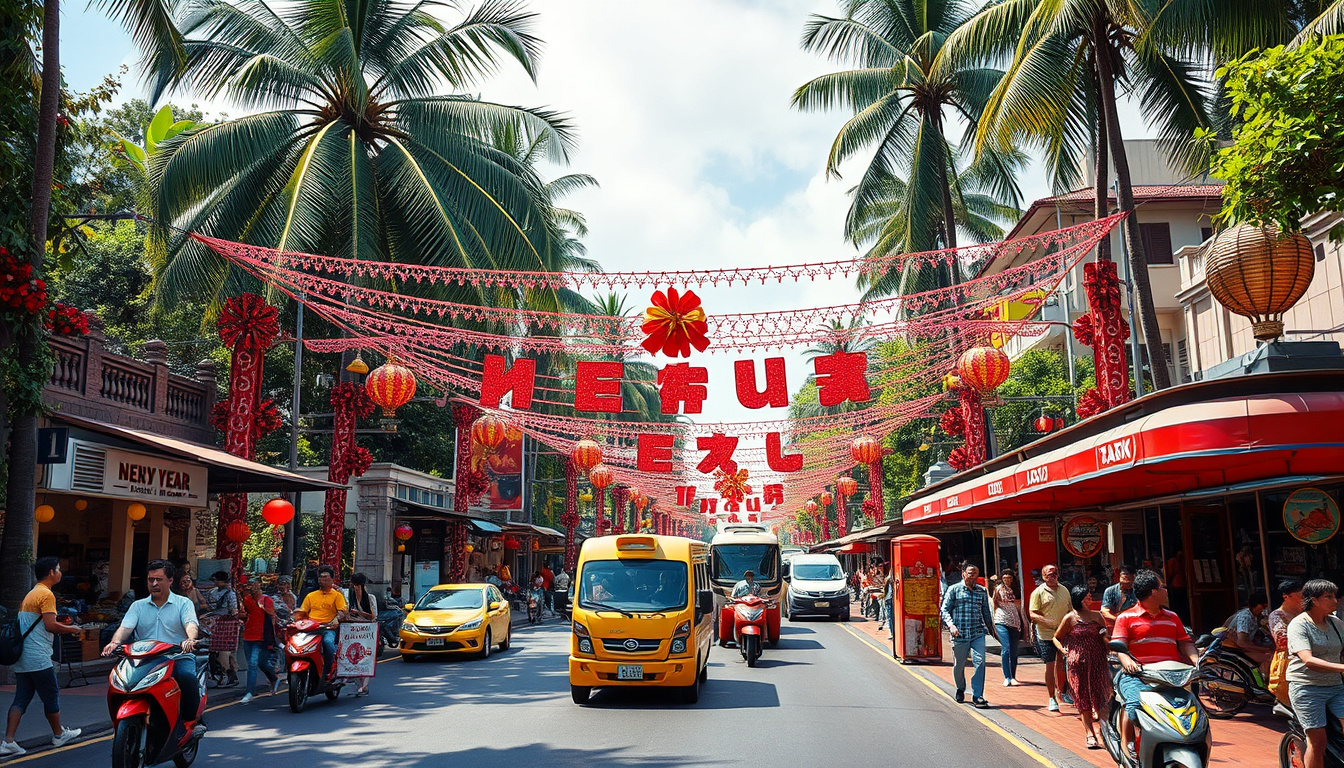



Tourism Tax in Bali: Supporting Sustainable Travel and Conservation Efforts
Bali, Indonesia – In a decisive move towards sustainable tourism and environmental preservation, Bali has introduced a Tourism Tax Levy aimed at funding vital conservation strategies and community development on the island. This initiative specifically targets the protection and rehabilitation of Bali’s UNESCO-listed subak water management system, a centuries-old network critical to the island’s agriculture and ecosystem.
The Tourism Tax Levy and Its Purpose
Effective from February 2024, all visitors to Bali, including infants, are required to pay a Tourism Tax Levy of IDR 150,000 (approximately USD 10). Collected at the airport upon arrival, this levy is designed to finance renewable tourism infrastructure, environmental protection projects, and services that support local communities.
The provincial government has already distributed an initial portion of the collected funds to village leaders, who are using the money to boost community development and preserve Bali’s rich cultural heritage. Looking ahead, provincial officials are advocating for future fund allocations to prioritize two pressing concerns: the restoration of the ancient subak irrigation system and comprehensive waste management solutions.
The Importance of the Subak System
The subak system is a sophisticated irrigation network that has sustained Bali’s rice farming and local agriculture for over a millennium. Recognized by UNESCO for its outstanding cultural and technological value, the system balances agricultural water needs, prevents floods, and maintains clean rivers for the island’s ecosystem.
However, rapid urbanization, increased tourism, and deforestation have severely impacted the subak system’s channels. Disrupted water flows have led to pooling, floods, and soil erosion, posing threats to communities, agriculture, and tourism infrastructure alike. Recent floods and heavy rains underscore the urgency of restoring this essential water management system.
Rehabilitating the subak is not only a cultural imperative but also a critical environmental and economic one. Repairing channels, reinforcing terraced rice fields, and planting shade trees will help safeguard Bali’s iconic landscapes, ensuring that rice terraces remain a vibrant part of the tourist experience for years to come.
Addressing the Waste Management Challenge
Beyond irrigation, Bali’s swift development has generated mounting waste problems, with rivers and canals frequently clogged by plastic and other debris. This backlog hampers the island’s drainage during the rainy season, leading to dangerous floods that disproportionately impact vulnerable communities and threaten the tourism industry.
Bali’s leadership plans to use upcoming tourism tax revenues to enhance recycling facilities, encourage proper waste sorting, and launch public education campaigns targeting both residents and visitors. These efforts aim to convert trash into energy and reduce pollution, helping to restore Bali’s waterways and preserve its natural beauty.
Balancing Tourism Growth with Environmental Sustainability
Bali’s worldwide appeal as a destination for beaches, rice terraces, and cultural heritage has fueled economic growth but also strained environmental resources. The new tourism tax establishes a blueprint for balancing travel with sustainability by channeling part of visitor revenues directly into environmental conservation and community projects.
By investing in sustainable infrastructure and eco-friendly initiatives, Bali sets a precedent for responsible tourism, encouraging visitors to contribute to the island’s long-term health.
Ways Visitors Can Contribute
Tourists are encouraged to play an active role in Bali’s conservation efforts. Simple actions—such as refusing single-use plastics, conserving water, supporting local markets, and participating in eco-friendly activities like tree planting or beach clean-ups—can collectively make a significant impact.
Visitors can also deepen their understanding of Bali’s eco-projects by engaging with environmental centers and supporting sustainable tourism guides.
Conclusion: Investing in Bali’s Sustainable Future
The Bali Tourism Tax Levy is more than a financial charge—it is an investment in preserving Bali’s natural and cultural treasures for future generations. By funding the recovery of the ancient irrigation system and addressing critical waste management issues, the levy helps maintain the island’s ecosystems, communities, and tourism appeal.
Through mindful spending of tourism tax funds and the participation of visitors and locals alike, Bali aims to sustain its enchanting temples, lush rice terraces, and pristine beaches, ensuring it remains a cherished destination for decades to come. Together, travelers and the island can foster a balanced, sustainable future where economic growth and environmental stewardship coexist.



Add a comment