







New Indonesian Laws on Sex Outside Marriage to Take Effect in Bali and Nationwide
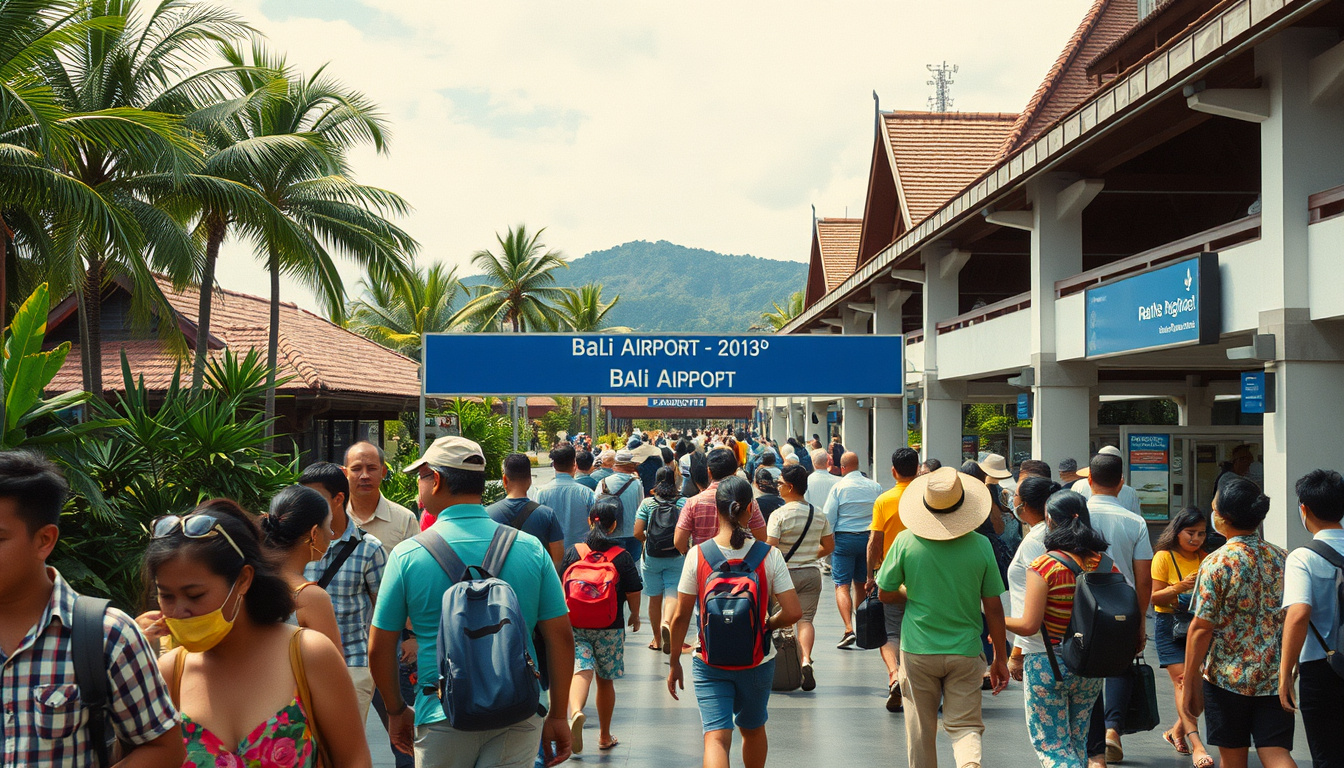
Starting January 2, Indonesia will enforce new laws prohibiting sexual activity outside of marriage and cohabitation with an unmarried partner. This legal change, part of a broader revision of the Indonesian criminal code ratified in late 2025, affects both Indonesian citizens and visitors travelling within the country, including popular tourist destinations like Bali.
Details of the New Regulations
Under the updated laws, sexual relations outside of marriage are illegal and could lead to penalties of up to one year in prison if authorities receive a complaint. However, enforcement is expected to be complaint-driven. For married individuals, complaints must be lodged by their spouse, while for unmarried people, complaints may come from a parent or child. This framework makes widespread arrests unlikely unless there is a familial grievance.
Other changes in the criminal code include bans on cohabitation without marriage, adultery, black magic, insulting state officials or institutions, spreading ideologies contrary to the state, and staging protests without prior notification.
Government Advisories and Travel Implications
Australia’s Department of Foreign Affairs and Trade has issued travel advice urging Australians visiting Indonesia to comply with local laws, warning that penalties may appear harsh by Australian standards. The advice specifically highlights that travellers are subject to the laws of Indonesia, including these new personal conduct rules.
Despite the stringent regulations, tourism officials in Indonesia have expressed concern that such laws could impede the country’s tourism recovery following the COVID-19 pandemic. Maulana Yusran, deputy chief of Indonesia’s tourism board, remarked that hotels and accommodations might become problematic spaces under the new code due to concerns over monitoring guests’ private behavior.
Tourism Trends Between Australia and Indonesia
Indonesia remains a top travel destination for Australians. In 2023, approximately 1.37 million Australians visited Indonesia, overtaking New Zealand as the preferred short-haul international trip destination, according to the Australian Bureau of Statistics. Recent data indicates Indonesia has maintained this leading position for the 2024-2025 financial year, accounting for 14.2% of Australians’ overseas trips.
Human Rights Concerns and Local Reactions
The criminal code revision has drawn criticism from human rights organizations and some Indonesian citizens who staged protests after its announcement in 2022. Human Rights Watch warned that the law’s vague phrasing could lead to violations of privacy, arbitrary enforcement, and discrimination, particularly impacting women, LGBTIQ+ individuals, and rural communities where Islamic ceremonial marriages without formal registration are common.
Indonesia’s Human Rights Minister Natalius Pigai stated that 80% of the new criminal code aligns with human rights principles and emphasized the government’s efforts to incorporate protections during the legislative process.
Looking Ahead
While the law introduces significant changes regarding private conduct, the requirement for formal complaints to trigger enforcement suggests the practical impact on most travellers may be limited. Nevertheless, visitors to Indonesia—especially those in Bali’s vibrant tourist scene—should remain aware of the evolving legal landscape to ensure compliance and avoid potential legal issues.
As Indonesia continues balancing its cultural values with growing tourism demands, travellers are advised to stay informed through official channels and respect the country’s laws during their visit.



Add a comment