



Bali’s Tourism Expansion Meets Environmental Standards with New Glass Elevator Review
October 30, 2025 — The Indonesian Ministry of Tourism is actively overseeing the construction of a new glass elevator on Nusa Penida Island to ensure it complies with strict environmental regulations. This initiative aims to strike a balance between facilitating tourism growth and preserving the delicate natural environment of the island, especially around the iconic Kelingking Beach.
Enhancing Accessibility While Protecting Nature
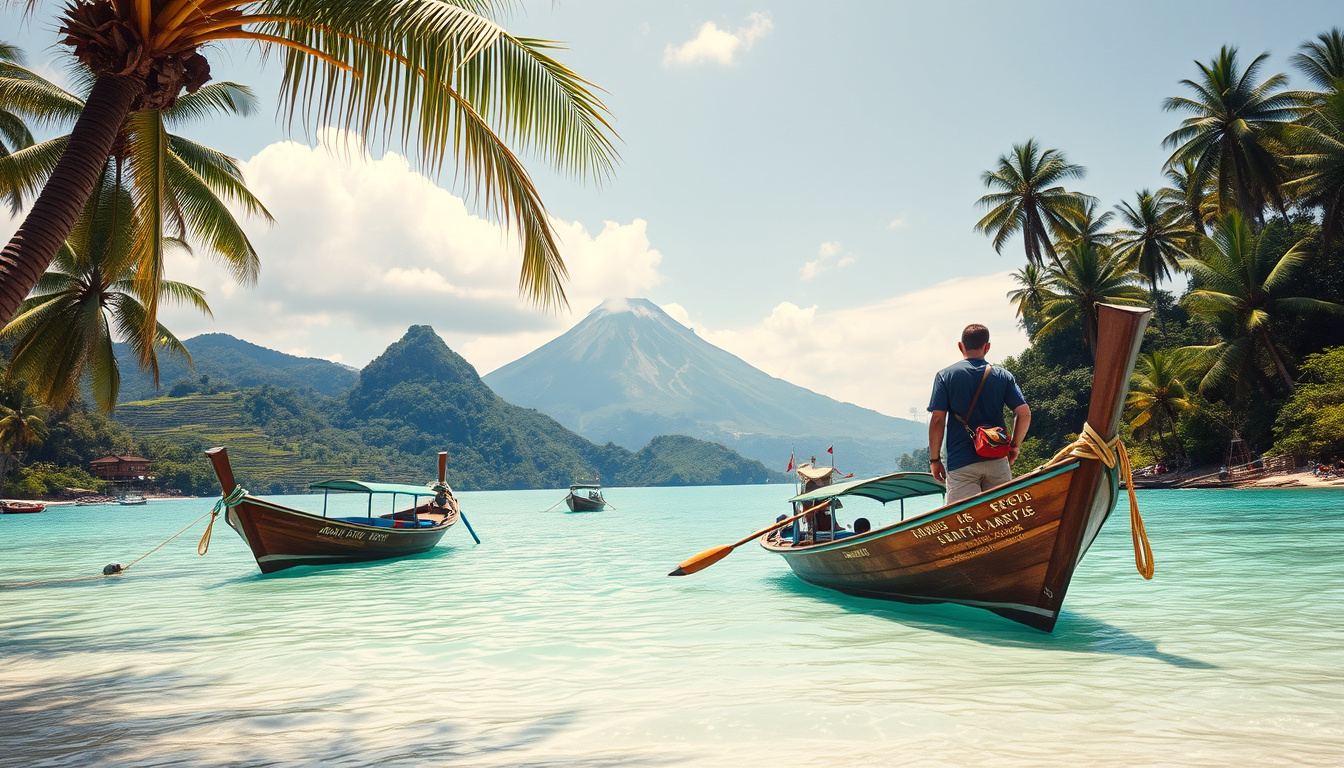
The glass elevator project is designed to provide an easier and safer method of accessing Kelingking Beach, one of Bali’s most breathtaking and frequented destinations. The beach, famous for its spectacular cliffs and turquoise waters, has experienced a surge in tourism, with visitor numbers increasing from approximately 714,000 in 2023 to an estimated 1.1 million in 2025. Hariyanto, Deputy for Destination and Infrastructure Development at the Tourism Ministry, emphasized that environmental protection remains a top priority. "We are coordinating with local governments to ensure that the construction of the glass elevator does not disturb the fragile ecosystem of Kelingking Beach," he said. The ministry is committed to monitoring construction closely to prevent any adverse effect on the island’s biodiversity.
Navigating Mixed Reactions from the Public and Officials
The project has generated diverse opinions. Proponents highlight that the elevator can improve tourist safety by offering an alternative to the steep and often hazardous descent to the beach, which visitors currently navigate by foot or motorcycle. This could enhance the overall tourist experience, encourage longer stays, and help distribute visitor traffic more evenly to prevent overcrowding.
On the other hand, critics express concerns about the elevator’s visual impact. The structure, towering at 182 meters and connected to the cliff by a 64-meter bridge, will be visible from afar, potentially altering the pristine natural landscape that makes Kelingking Beach so famous. The Bali Regional Representative Council has sought clarifications from the Klungkung local government regarding the project’s potential environmental impact.
Commitment to Sustainable Construction Practices
In response to concerns, the Tourism Ministry has mandated the incorporation of sustainable construction principles in the elevator’s development. The builders are required to minimize resource use and waste generation while powering the elevator with renewable energy sources such as solar or wind power. Efforts are underway to ensure that construction methods avoid soil erosion and protect local flora and fauna.
“The Tourism Ministry has issued regulations guiding tourism businesses to balance economic goals with the preservation of natural and cultural heritage,” explained Hariyanto. These guidelines underpin the ministry’s strategy to achieve sustainable tourism development across Bali and Indonesia at large.
Addressing the Challenges of Rapid Tourism Growth
Bali’s booming tourism industry brings both economic benefits and environmental challenges. Locations like Nusa Penida are under increasing pressure as visitor numbers rise dramatically, stressing existing infrastructure and the natural environment. The government is focused on implementing sustainable tourism policies, promoting eco-friendly accommodations, responsible visitor practices, and sustainable transport options.
The glass elevator project reflects the ministry’s broader commitment to ensuring that tourism infrastructure supports growth without compromising the island’s natural beauty or cultural significance.
Striking a Balance for the Future
The glass elevator on Nusa Penida symbolizes the tension between tourism development and environmental preservation. While it promises to improve accessibility and safety for tourists, the project must be managed carefully to protect the island’s fragile ecosystems and treasured landscapes.
Local authorities, the government, and the community are working together to ensure that the elevator contributes positively to the region’s tourism economy while adhering to strict environmental standards. If executed sustainably, the elevator could serve as a model for future tourism infrastructure projects in Bali, ensuring that the island’s natural allure remains intact for generations to come.
As Bali continues to welcome growing numbers of visitors, balancing infrastructure development with the imperative to preserve its unique environment will remain a central challenge — one that the government and stakeholders are addressing with cautious optimism and resolute commitment.



Add a comment