




Instagram vs Reality: Bali’s Struggle as an Influencer Paradise Faces the Harsh Truth
Bali, Indonesia — Once hailed as a tropical paradise and spiritual haven, Bali has long been a magnet for tourists from around the world, drawn by its lush landscapes, rich culture, and the promise of a serene escape. However, recent social media posts and visitor accounts reveal a growing disconnect between the idyllic image portrayed online and the reality on the island, as Bali increasingly grapples with the pressures of mass tourism.
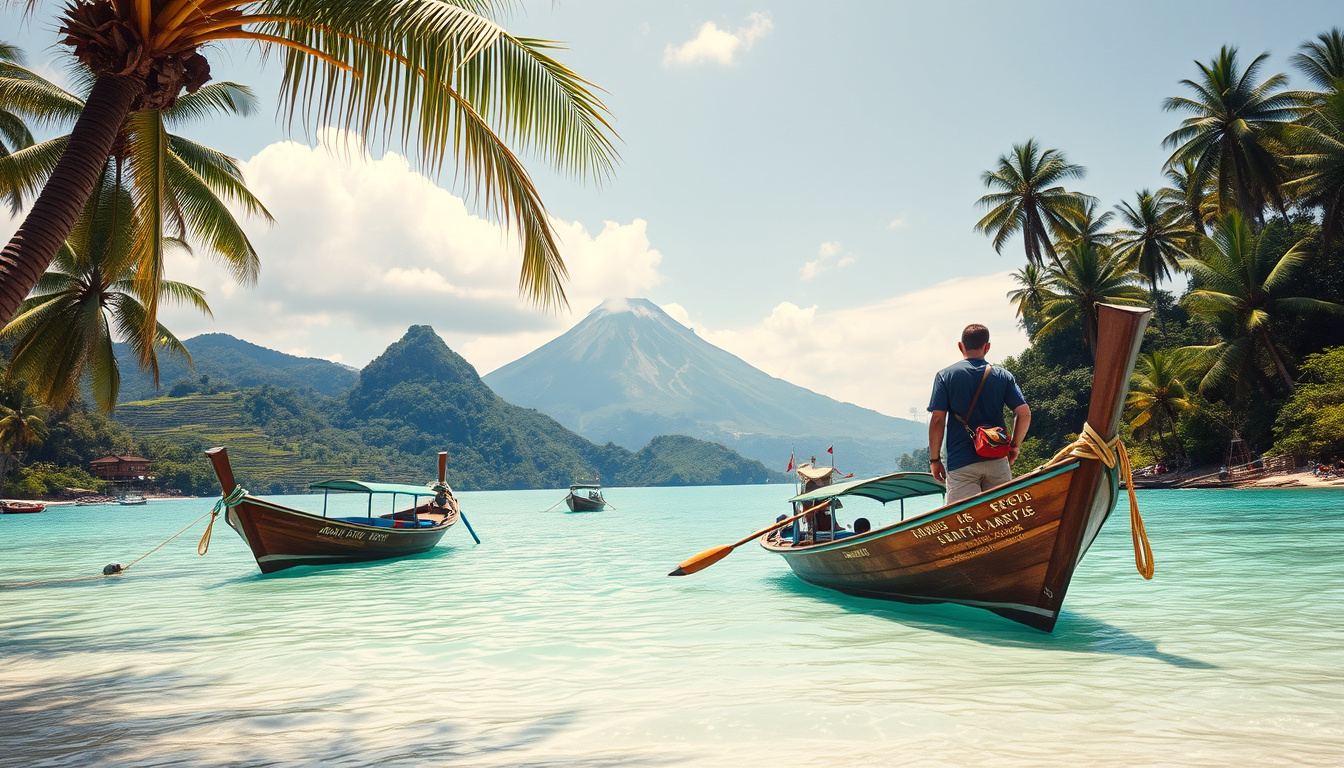
The Illusion of Paradise
British YouTuber Zoe Rae voiced her disappointment after arriving in Bali, sharing in a video that the reality did not live up to her high expectations fueled by Instagram and social media imagery. She hinted that a closer look beyond the picturesque settings exposed a less glamorous environment marred by overcrowding and unkempt scenes. Although she did not elaborate on the specifics, the dissatisfaction was strong enough to prompt her to abruptly continue her wedding anniversary celebrations in Dubai.
Such sentiments have become widespread on social media, with countless posts contrasting Instagram-perfect moments—a sunset dinner at a beach club or a tranquil waterfall selfie—with the crowded tourist lines, traffic congestion, and visible pollution that frequently accompany these otherwise enchanting settings.
Tourism Boom and Its Consequences
Bali’s popularity has surged dramatically over the past decade, with visitor numbers climbing from 3.8 million in 2014 to 6.3 million last year. This year is anticipated to see over seven million foreign tourists, a record high for the island. The rapid growth is particularly notable after the post-pandemic resurgence of travel.
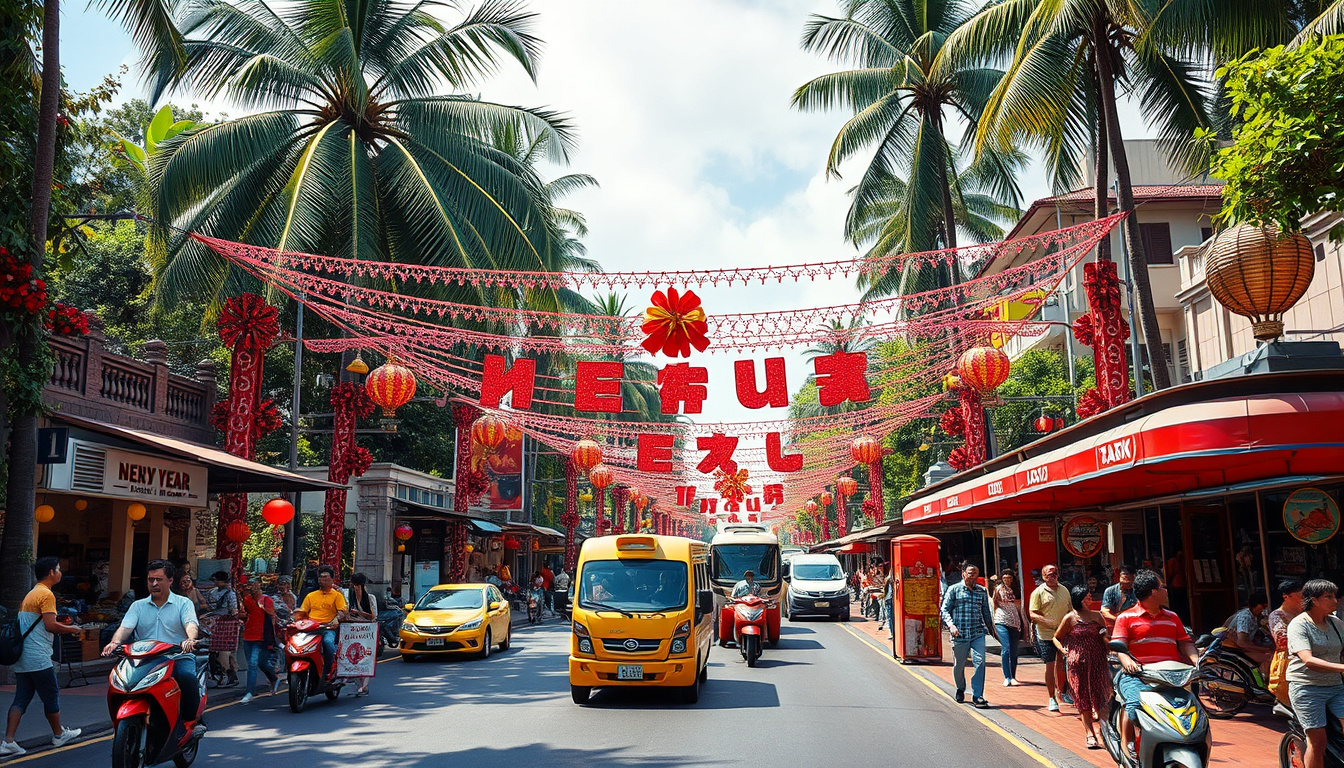
However, this influx has placed tremendous strain on Bali’s infrastructure and environment. Increased construction to accommodate tourists, rampant traffic jams, and a rise in plastic pollution have eroded parts of the island’s natural beauty. The situation reached a grave milestone recently when flooding, exacerbated by poor waste management and unchecked development, claimed more than a dozen lives.
In response, Balinese authorities have announced measures to restrict new construction, although many observers believe these efforts come too late to fully reverse the damage.
Beyond the Tourist Hotspots
Bali’s deep-rooted spiritual traditions and natural wonders remain intact in areas less touched by mass tourism. Indigenous Hindu beliefs emphasize a profound respect for nature, venerating animals, ancient trees, and mountains as sacred. Places like northern Bali provide opportunities for dolphin watching, diving, and peaceful exploration away from the crowded southern beaches.
Local residents and travel experts caution visitors against judging Bali solely by its popular, Instagrammable locales. Influencers like Hollie Marie warn that many tourists limit themselves to trendy cafes and beach clubs, missing out on the island’s rich cultural heritage and quieter, more authentic experiences.
The Changing Face of Bali
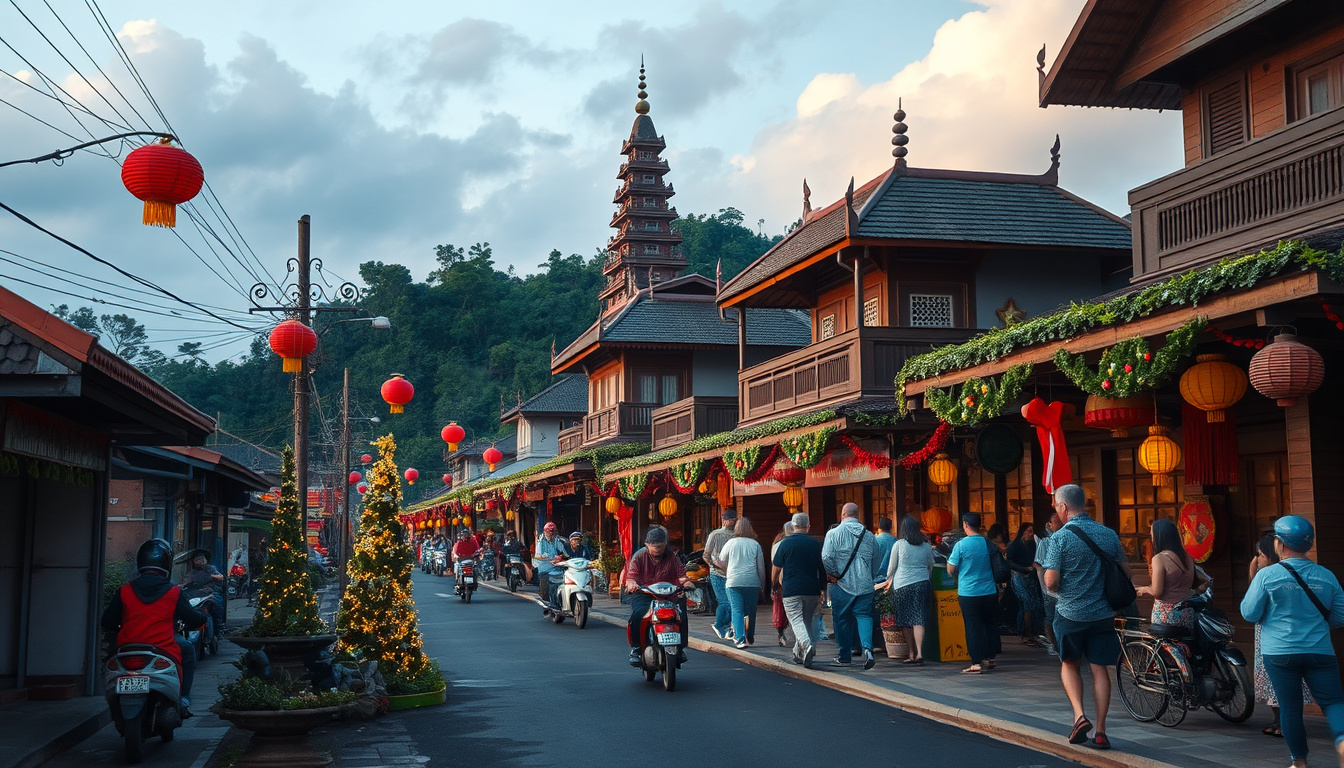
Canggu, once a sleepy fishing village, exemplifies Bali’s rapid transformation under tourism’s influence. Now congested with villas, cafes, gyms, and co-working spaces, the area struggles with increased traffic and loss of its original charm. Many locals lament the loss, recalling a time when paddy fields and quiet roads lent the village a tranquil rhythm now replaced by honking scooters and relentless development.
This pattern is repeated throughout Bali’s well-loved neighborhoods, with new “hipster” hotspots emerging alongside the ongoing expansion of resorts into previously untouched rural and forested areas.
Tensions and Tourism Dependency
Local voices express a mix of resentment and resignation. While frustrated by the overcrowding and environmental degradation, many Balinese rely heavily on tourism for their livelihoods in sectors such as hospitality and wellness. Ni Kadek Sintya, a 22-year-old wellness resort employee, describes feeling trapped between the need to preserve her homeland and the economic dependence on continued tourist revenue.
Moreover, Bali has recently seen an uptick in behavioral issues among tourists, including dangerous scooter accidents, disrespect at sacred sites, and criminal activity linked to a growing community of displaced Russians and Ukrainians.
A Call for Sustainable Growth
Despite these challenges, some remain hopeful about Bali’s future. I Made Vikannanda, a local researcher and environmental advocate, believes that with careful planning and more responsible tourism, Bali’s development can be balanced with nature preservation. The key, he suggests, lies in greater awareness and collective action from visitors and locals alike.
Ultimately, Bali stands at a crossroads. The island’s enchanting allure continues to attract millions, but only by addressing the realities beneath its glossy social media veneer can Bali avoid becoming a victim of its own success and regain the harmony it once symbolized.



Add a comment