




Instagram vs Reality: Bali’s Paradise Faces the Challenges of Its Own Popularity
Bali, the Indonesian island long celebrated as a tropical haven and spiritual retreat, is increasingly revealing the stark contrast between its idyllic social media portrayal and the complex realities on the ground. Once synonymous with serene beaches, lush landscapes, and rich cultural traditions, Bali is now grappling with overcrowding, environmental degradation, and the strains of unprecedented tourism growth, leaving many visitors disillusioned.
The Social Media Mirage
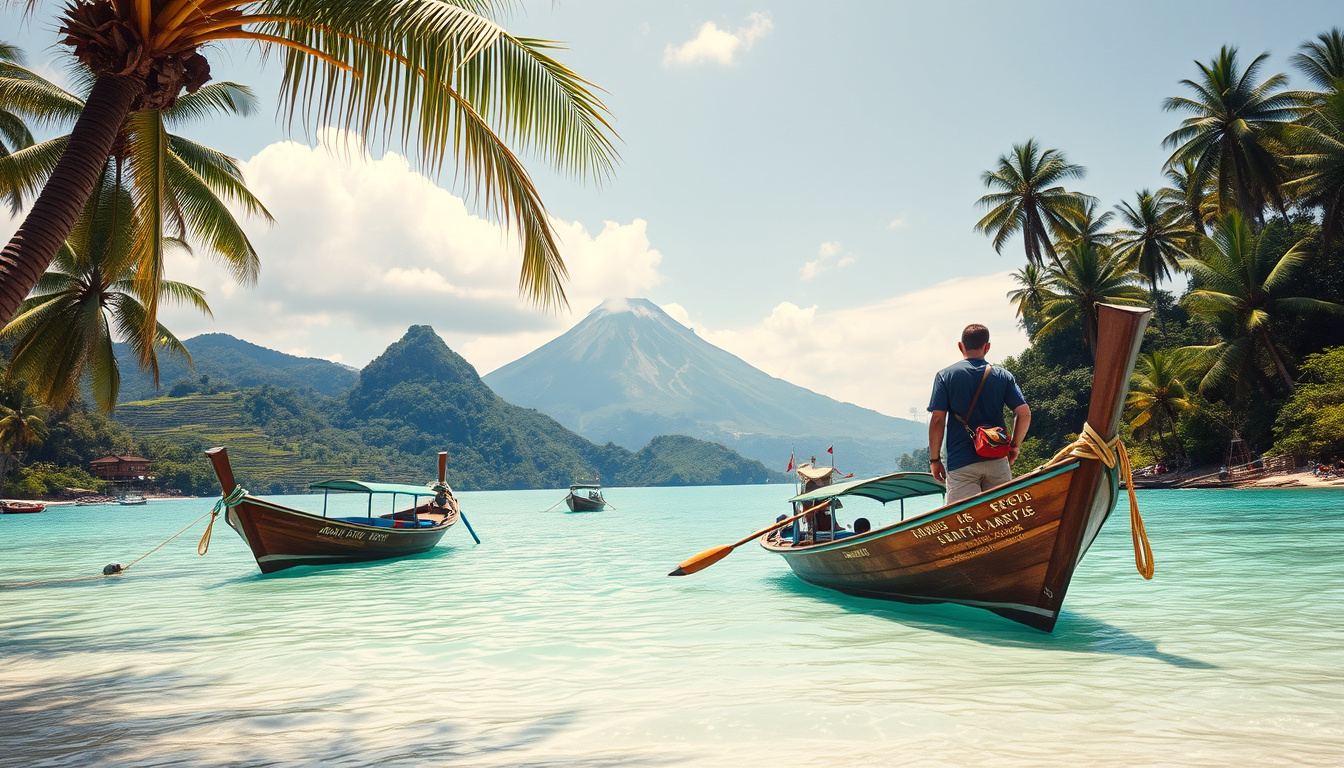
The allure of Bali has been amplified by countless Instagram posts showcasing stunning sunsets, pristine beachside cafes, and tranquil waterfalls. However, recent viral posts and videos, such as one by British tourist Zoe Rae, highlight a growing wave of tourists feeling let down by their experience. In a candid YouTube video filmed from her hotel room, Rae shared her disappointment, stating that despite high expectations fueled by social media, “something just did not feel quite right” upon arriving.
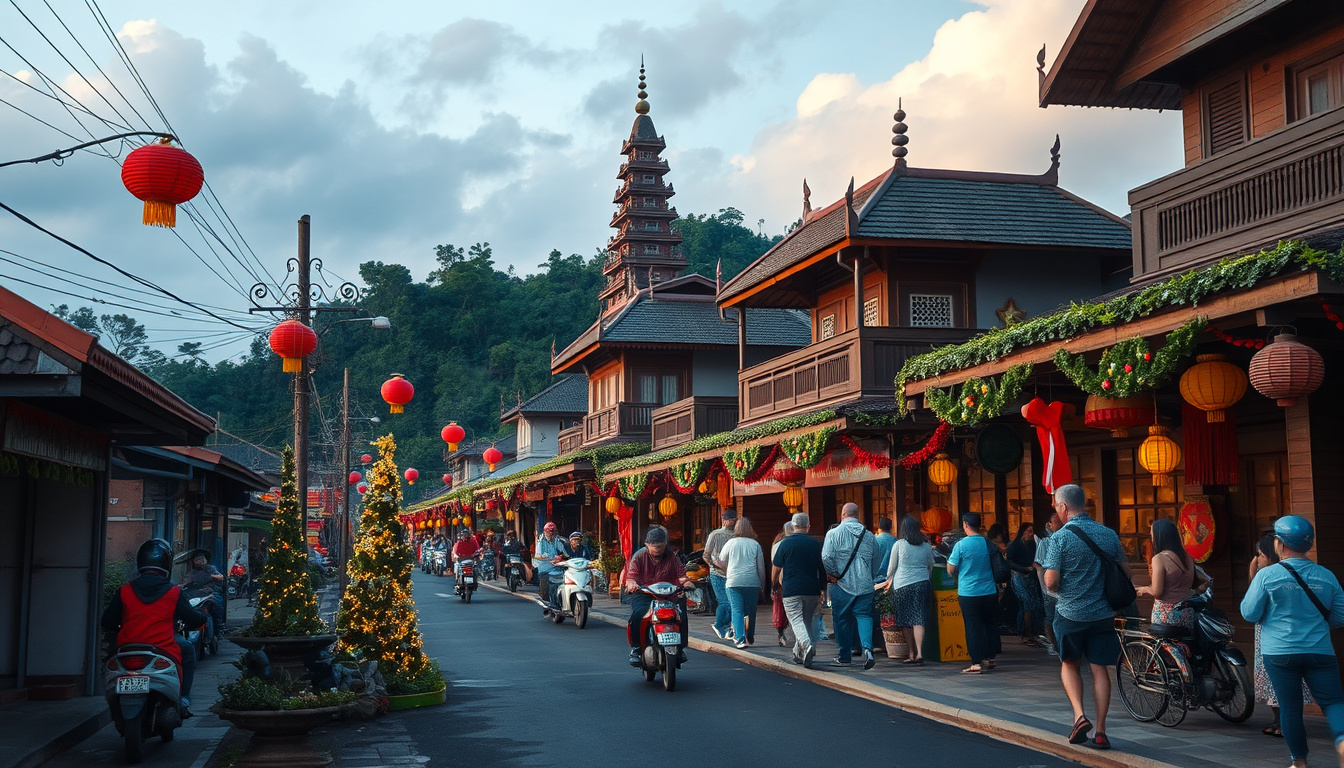
This sentiment reflects a wider trend on social platforms: tourists sharing “expectations vs reality” images that juxtapose Instagrammable scenes with the more jarring realities like crowded tourist sites, traffic jams, polluted beaches, and ongoing construction noise. Such posts depict a Bali far removed from the idealized image of tranquil paradise long promoted to the outside world.
Tourism Boom and Its Consequences
Bali’s tourism industry has witnessed rapid expansion over the past decade. Visitor numbers surged from 3.8 million in 2014 to 6.3 million in 2023, with projections indicating more than seven million tourists could arrive this year alone. The post-pandemic recovery has fueled openings of new hotels, beach clubs, luxury villas, and hospitality venues across the island, especially in trendy neighborhoods like Canggu and Seminyak.
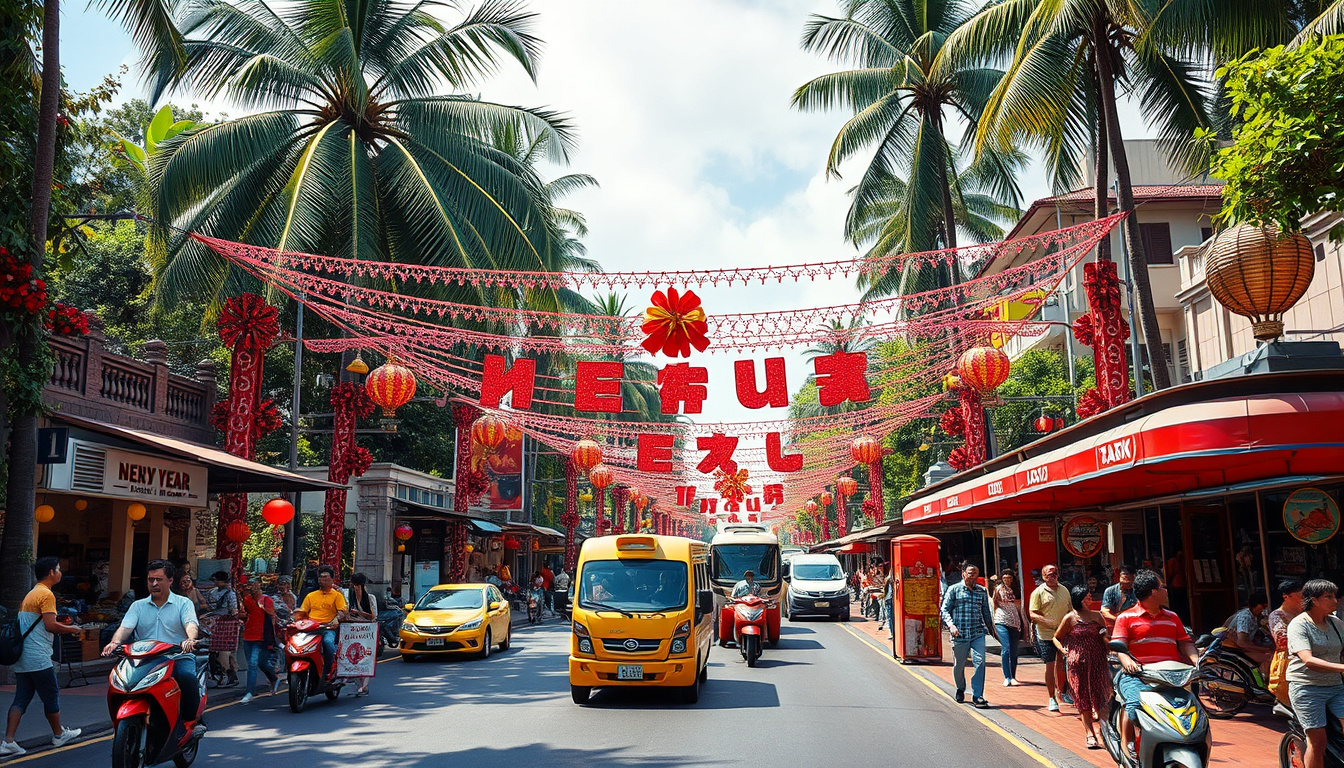
But this growth has come at a cost. Traffic congestion, noise pollution, and waste management issues have escalated, straining Bali’s infrastructure. In a tragic illustration of these challenges, more than a dozen people died recently in rare floods exacerbated by unchecked urban development and poor waste disposal practices. The local government has responded by announcing restrictions on new construction projects, although many believe these measures are insufficient and overdue.
Cultural Richness Beyond the Tourist Hotspots
Despite the difficulties, locals and long-term residents emphasize that Bali’s cultural and natural treasures remain vibrant, especially outside of the overcrowded southern regions. Balinese Hindu traditions, which infuse the island with spirituality and reverence for nature, continue to thrive. Areas such as northern Bali offer peaceful forests, dolphin-watching, diving spots, and unspoiled countryside that contrast sharply with the bustling tourist hubs.
Travel writer Gisela Williams notes that Bali’s enduring appeal lies in its unique Hindu culture and natural beauty, which have been the foundation of the island’s reputation as a utopian destination. However, she warns that many visitors now experience a superficial version of Bali shaped by social media images and luxury lifestyles, missing the island’s deeper cultural context.
Local Voices and the Tourism Paradox
Residents convey mixed feelings about Bali’s transformation. Many depend heavily on tourism for income and livelihood, especially younger generations who work in hospitality and wellness industries. Ni Kadek Sintya, a Bali-based worker, describes a sense of sadness as she witnesses areas she once found peaceful now overtaken by traffic and development.
Researchers like I Made Vikannanda highlight a shared responsibility: tourists who complain about overcrowding are also contributing to it. “When we’re in traffic, we complain about the traffic – but we are part of it,” he reflects. There is an ongoing call to balance tourism benefits with protecting Bali’s environment and social fabric.
Misconduct and Rising Tensions
Compounding the complexities are reports of misbehaving tourists engaging in risky activities or disrespecting local customs. Incidents involving intoxicated scooter riders, naked photographs at sacred sites, and public brawls have made headlines. Authorities have also expressed concerns about growing criminal activity reportedly involving some foreign residents, including Russians and Ukrainians who settled in Bali amid geopolitical conflicts.
These developments have sparked a backlash on social media and heightened local resentment, with communities pushing for greater respect and accountability from visitors.
Looking Ahead with Cautious Optimism
Despite the challenges of rapid tourism growth and the pressures on Bali’s natural and cultural resources, some experts remain hopeful. Advocates argue that with thoughtful development, better waste management, and sustainable tourism policies, Bali’s unique environment and heritage can still be preserved.
The island’s future may well depend on bridging the gap between fantasy and reality—encouraging visitors to explore beyond the curated Instagram hotspots and engage meaningfully with Bali’s cultural landscape. Only by acknowledging its complexities and embracing responsible tourism can Bali maintain its status as the “last paradise” for generations to come.



Add a comment