


Instagram vs Reality: Bali’s Paradise Becoming a Victim of Its Own Success
By Koh Ewe and Ade Mardiyati
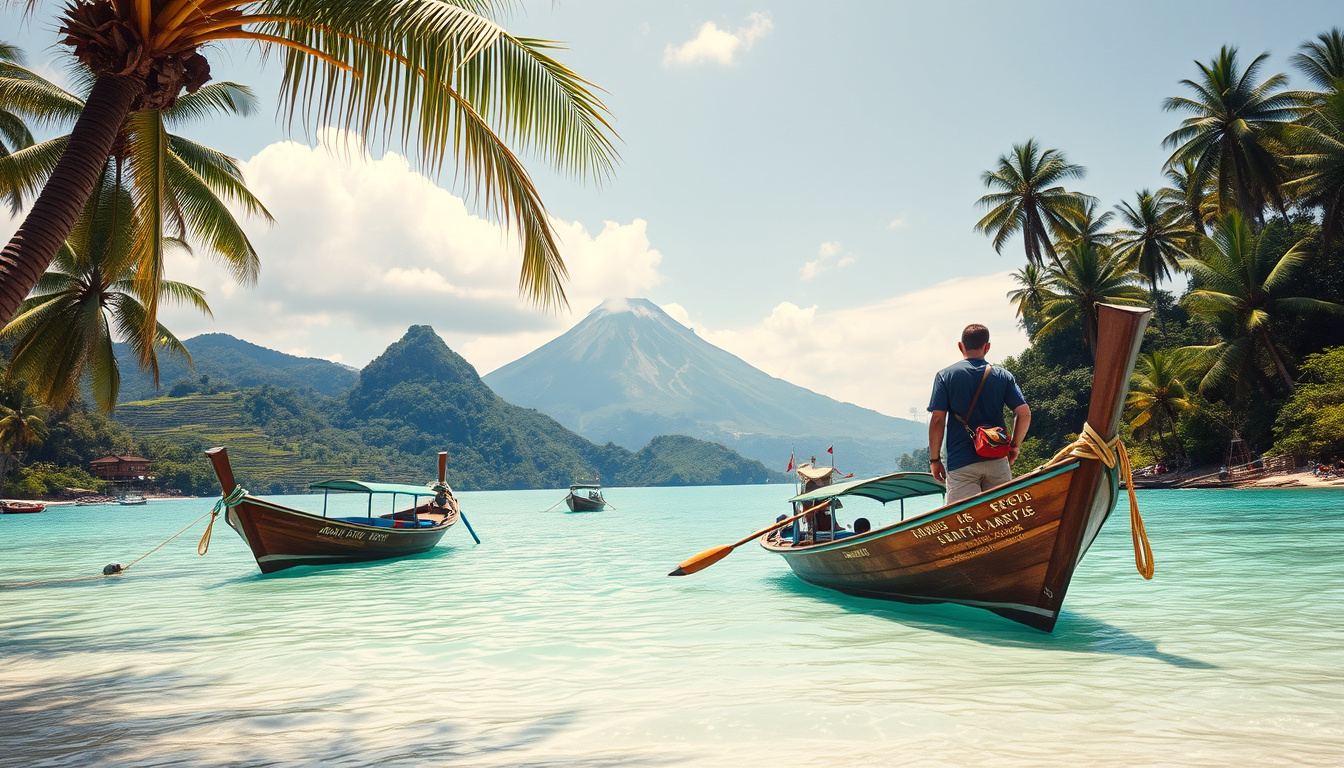
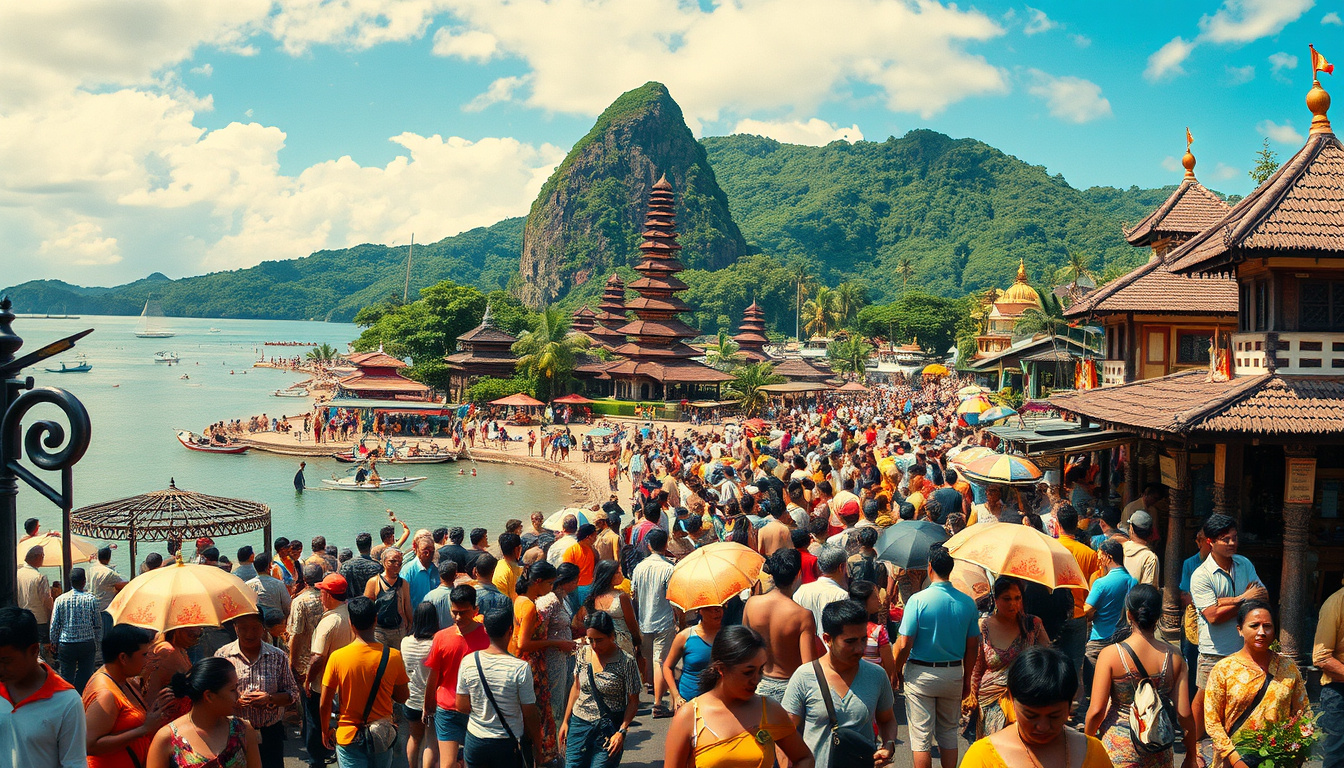
Bali, Indonesia – Once celebrated as a tropical paradise and spiritual haven, Bali is now facing growing disillusionment among tourists who find that the reality of the island falls short of its glossy social media portrayal. The picturesque images that flood Instagram paint a vision of serene beaches, lush landscapes, and peaceful retreats—but visitors increasingly report congestion, pollution, and overcrowding.
The Gap Between Expectation and Reality
Zoe Rae, a British visitor, recently shared her disappointment after arriving in Bali. In a candid July video filmed from her hotel room, she expressed her frustration with the stark contrast between the idyllic scenes on social media and the more problematic realities of the island. Though she did not detail the specific issues, her experience led her to cut her trip short, redirecting celebrations to Dubai instead.
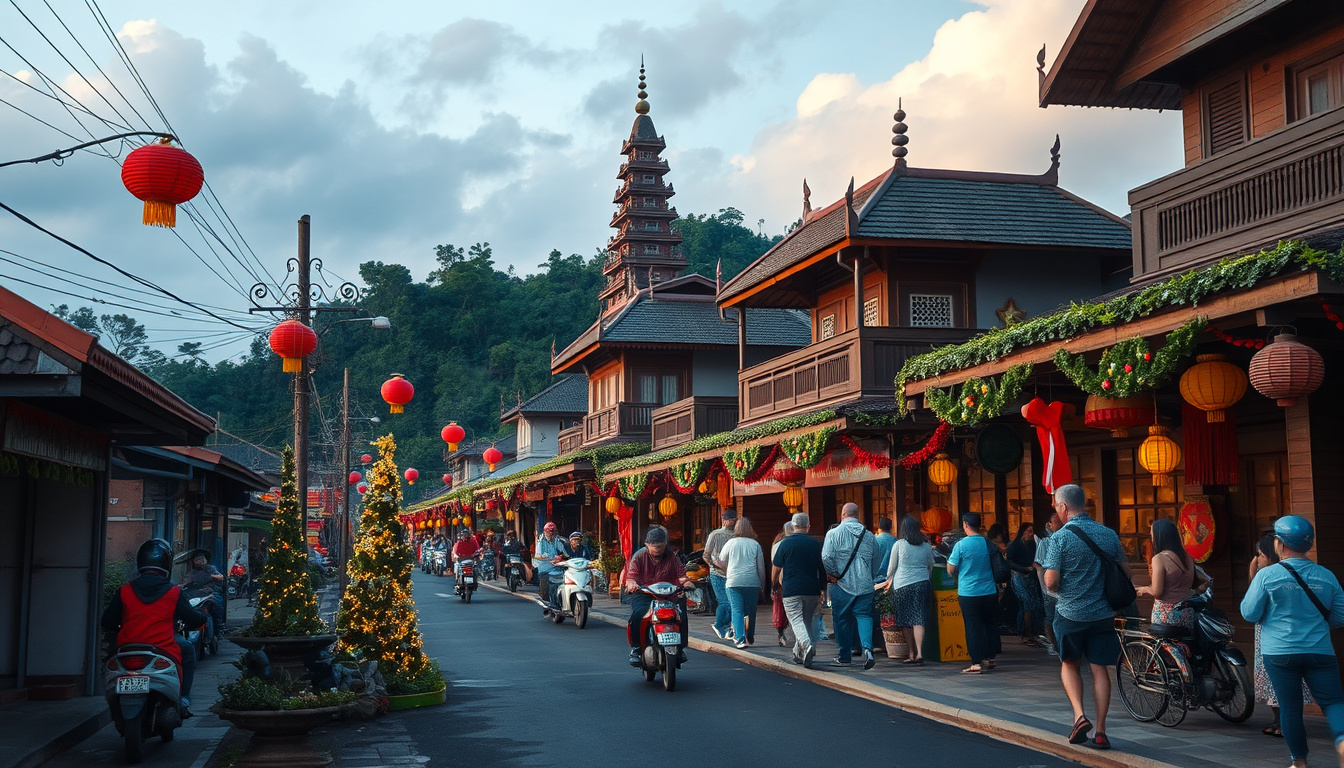
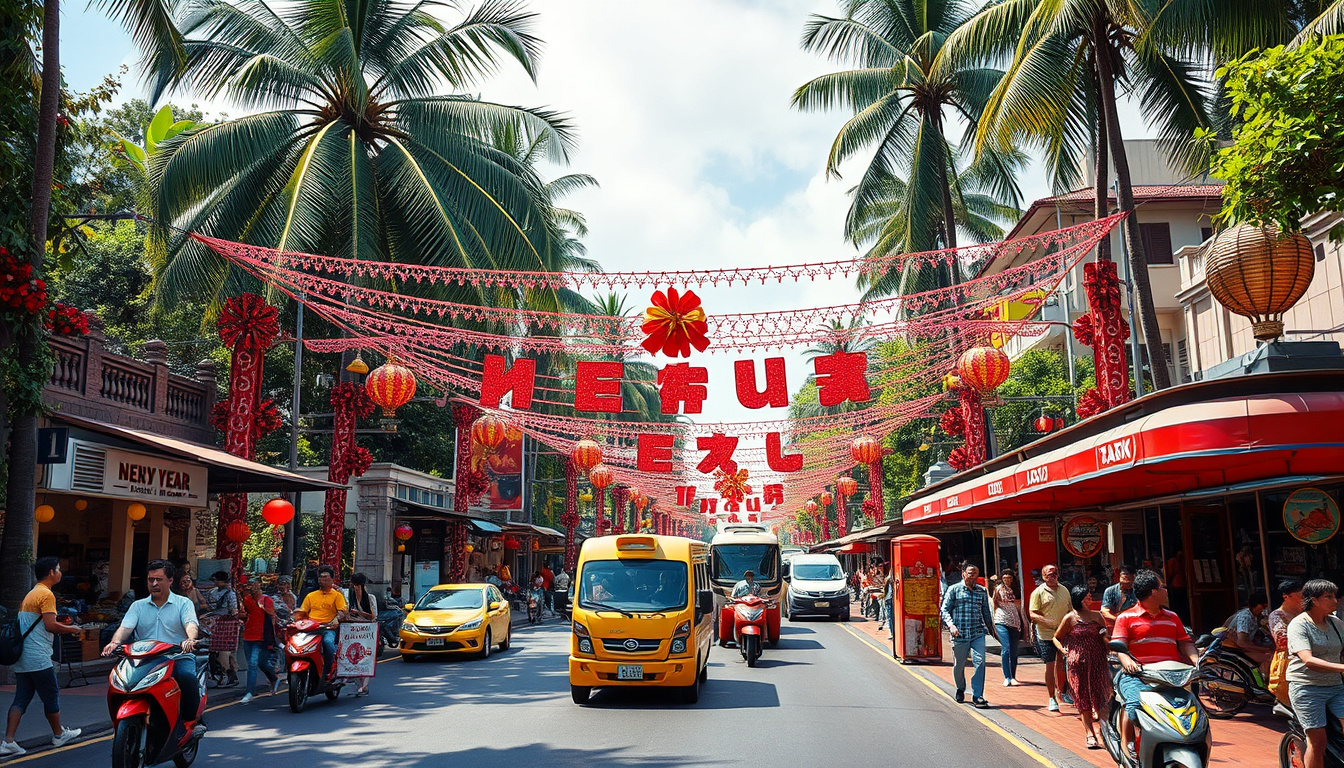
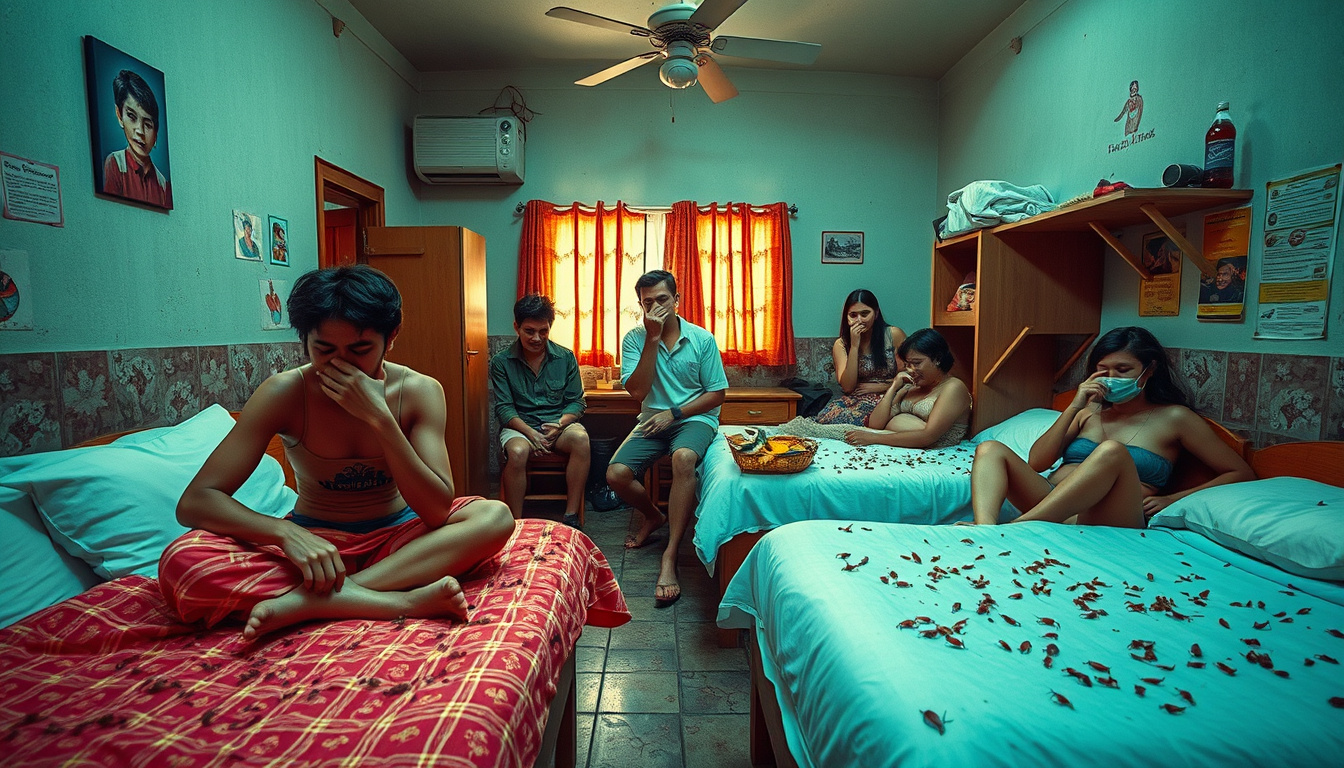
Tourist complaints about Bali’s "expectations vs reality" are widespread online. Photos of calm beachfront dining frequently reveal piles of trash nearby. Instagram-worthy waterfalls are often swarmed by long lines of visitors navigating slippery rocks, and moments of peace blending with nature are intruded upon by noisy traffic and exhaust fumes from motorcycles stuck in never-ending jams.
Tourism Boom and Environmental Strain
Millions flock to Bali yearly, drawn initially by its reputation as a spiritual Shangri-La popularized by media such as Eat, Pray, Love. Yet recent visitors are more likely to encounter traffic gridlock, noisy construction, and dwindling natural tranquility. The post-pandemic surge in tourism worsened these problems.
Tragically, the island recently suffered rare floods that claimed over a dozen lives. Authorities attribute the disaster in part to poor waste management and aggressive urban development. Following the tragedy, local officials announced construction restrictions, but many critics view these measures as overdue.
Bali’s Cultural and Natural Legacy
Bali’s allure originated from its deep cultural heritage—Hindu traditions, sacred temples, and a profound respect for nature. Berlin-based travel writer Gisela Williams, who has visited the island since the 1990s, describes Bali as a place long mythologized for its unique beauty and culture.
Tourism has skyrocketed from 3.8 million visitors in 2014 to over 6.3 million last year, with 2025 expected to surpass 7 million. The island now caters to a Western desire for affordable luxury, offering beach clubs, surf houses, spas, and nightlife that diverge from traditional Balinese customs.
Beyond the Instagram Snapshot
Content creator Hollie Marie, who lives in Bali, warns travelers that relying solely on Instagram distorts the island’s reality. She urges visitors to explore beyond the popular spots to discover Bali’s rich cultural and natural offerings—from dolphin watching to northern jungle retreats.
Locals like Canny Claudya emphasize that Bali’s true beauty persists in less touristy areas far from the crowded south. “If you think Bali is overcrowded, then you’re just not in the right places,” she notes.
The Cost of Popularity
Despite ongoing tourism’s benefits, many residents see their island changing rapidly and not always for the better. Ni Kadek Sintya, 22, recalls quieter days riding through paddy fields now overwhelmed by traffic, villas, and cafes. She describes a sense of loss as Bali’s tranquility is “eroded day by day.”
Former villages like Canggu have transformed into bustling hubs for surfers and digital nomads, pushing development further north and sparking a construction boom. While spreading tourists out aims to reduce pressure on traditional hotspots, it risks accelerating urbanization and environmental degradation.
Rising Tensions and Social Concerns
Bali has also seen tension over reckless tourist behavior, including accidents caused by drunk scooter rides and disrespect at sacred sites. The influx of Russians and Ukrainians fleeing the war has drawn scrutiny amid warnings from Indonesian narcotics officials about criminal activity.
Locals express frustration with visitors who believe their spending grants them impunity. At the same time, many Balinese feel trapped by their economic dependence on tourism, unsure how to balance livelihoods with preserving their island.
Looking Ahead
Despite the challenges, advocates like researcher I Made Vikannanda remain hopeful. He believes careful management and responsible development can sustain Bali’s natural harmony alongside its tourism economy. Yet the island’s future hinges on reconciling its mythic allure with the realities of modern travel and growth.
As Bali grapples with the consequences of its immense popularity, travelers and locals alike are confronting the question: can the “last paradise” endure in the age of social media and mass tourism, or has it already become a victim of its own success?



Add a comment