


Instagram vs Reality: Bali’s Struggle as an Influencer Paradise Becomes a Victim of Its Own Success
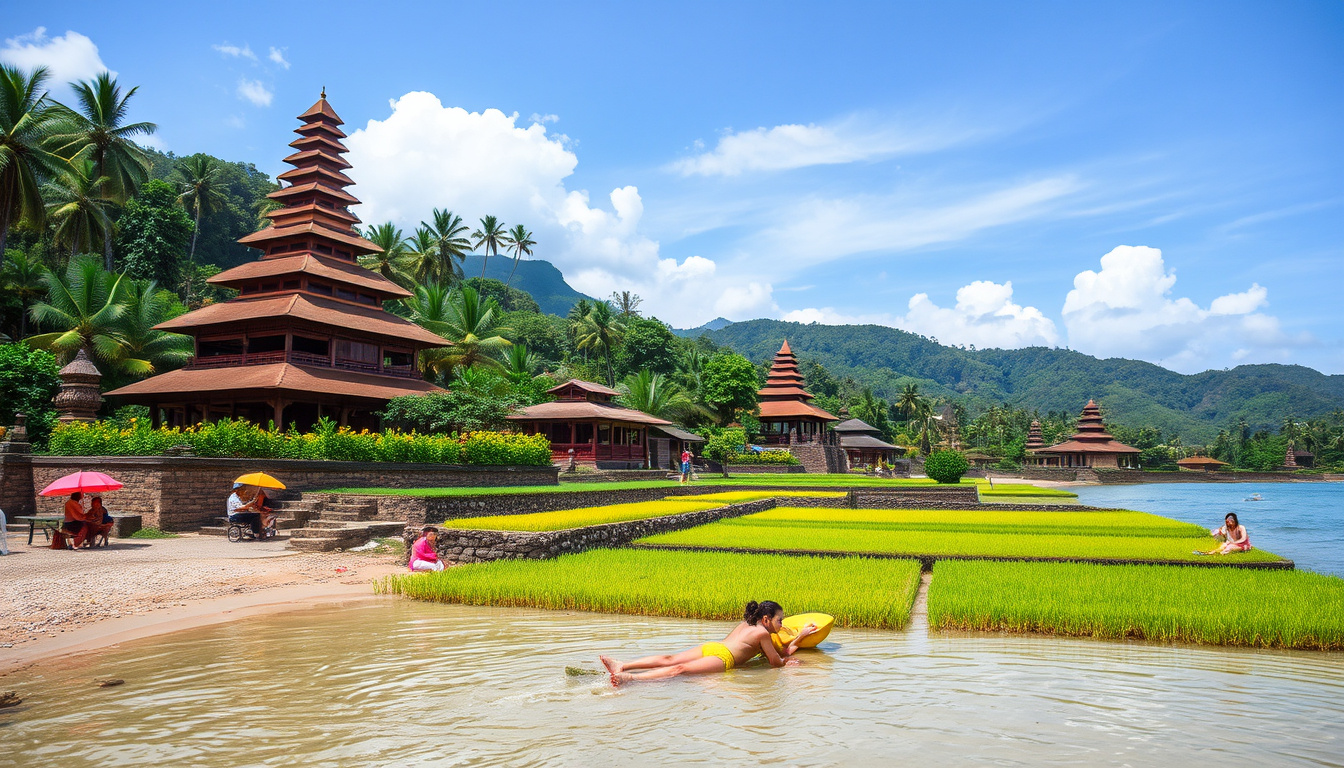
Bali, Indonesia’s famed tropical island known for its lush landscapes, spiritual culture, and idyllic beaches, has long been celebrated as a paradise destination. For decades, the island has charmed tourists with promises of tranquility, vibrant traditions, and natural beauty that once inspired the memoir and film Eat, Pray, Love. Yet, beneath the glossy social media pictures and influencer posts lies a growing gap between expectation and reality—a divide increasingly highlighted by disillusioned visitors and concerned locals alike.
The Illusion Shattered
British content creator Zoe Rae’s recent experience epitomizes the growing disenchantment. Arriving in Bali with high hopes fueled by glamorous Instagram posts, Zoe quickly realized that the idyllic scenes didn’t match the full picture. Speaking from her hotel room in a video posted in July, she revealed an unsettling feeling of disappointment that led her to cut short her visit and celebrate her wedding anniversary in Dubai instead.
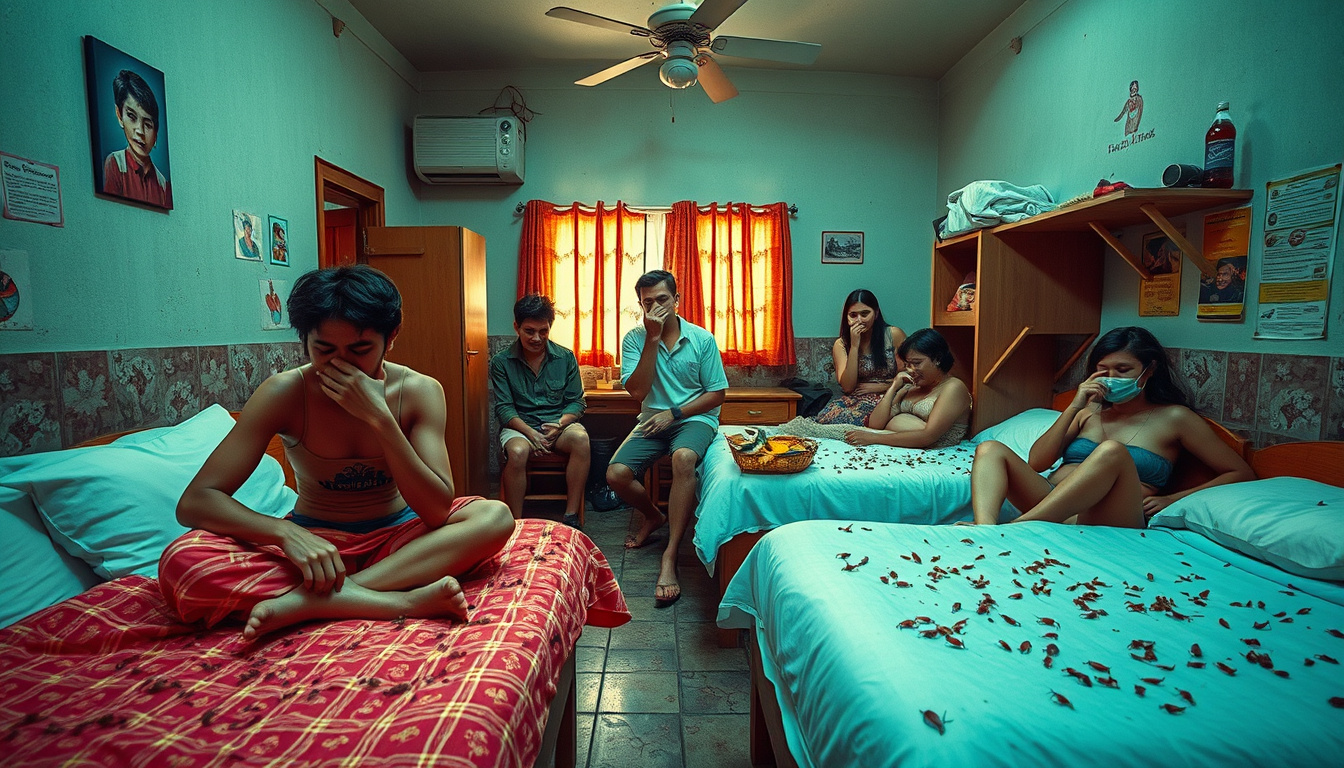
This “Instagram vs reality” sentiment has become widespread on social media. Tourists often arrive only to encounter crowded hotspots, traffic gridlock, mounting construction, and pollution—images far removed from the serene paradise they expected. For instance, pictures juxtaposing diners enjoying a beachfront sunset with piles of rubbish along dusty, worn paths highlight the stark reality many face. Similarly, shots of picturesque waterfalls come with long lines of visitors struggling on slippery rocks. Beachside smoothies with eco-friendly bamboo straws sometimes stand in sharp contrast to the motorcycles belching exhaust in traffic jams nearby.
A Boom That Brought Growing Pains
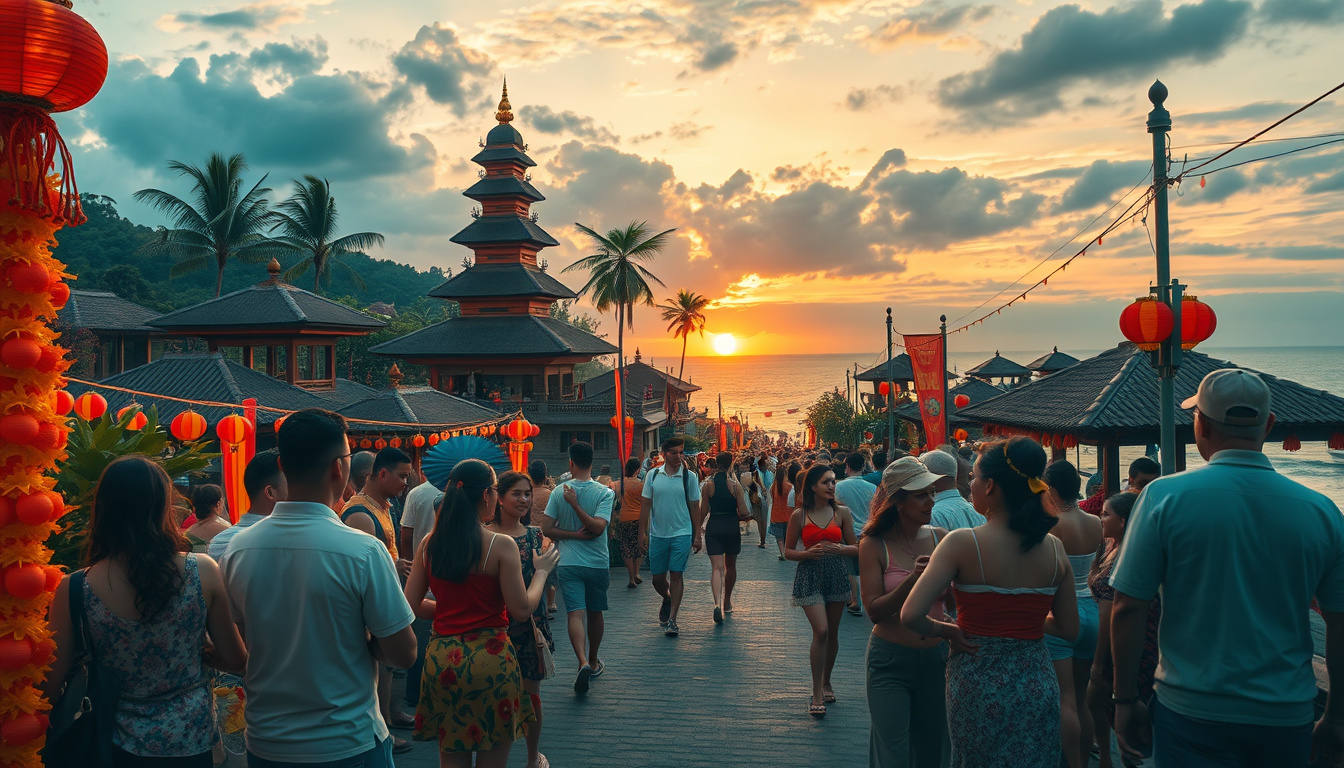
Bali’s tourism industry has exploded in recent years, growing from 3.8 million visitors in 2014 to 6.3 million last year. Projections indicate this year could break records with over seven million foreign tourists. This boom has brought economic benefits, primarily through luxury hotels, villas, spas, and the proliferation of beach clubs and surf houses catering predominantly to Western visitors.
However, the surge has strained the island’s infrastructure and environment. Congested southern areas like Seminyak and Uluwatu have become saturated, pushing tourists and developers to seek new “hidden gems” such as Canggu—a once sleepy fishing village now transformed into a trendy hotspot filled with cafes, gyms, and co-working spaces. This expansion often comes at the expense of Bali’s rural charm and natural landscapes, with narrow roads now choked with traffic and lined with continuous construction.
Environmental and Social Costs
The consequences of rapid, often unchecked development are palpable. Poor waste management combined with overbuilding worsened the impact of recent rare floods that tragically took more than a dozen lives. In response, local authorities have announced restrictions on new construction, although many view such measures as insufficient to address the deeper issues.
Plastic pollution is increasingly visible on some beaches, and the island regularly faces challenges balancing tourism with the preservation of its sacred cultural and spiritual sites. There are also social tensions as misbehaving tourists make headlines with incidents ranging from riding scooters intoxicated to disrespecting sacred locations. The recent influx of Russian and Ukrainian expatriates fleeing war has added complexity, with some involved in criminal activities, according to Indonesia’s National Narcotics Agency.
Perspectives from Locals and Experts
Despite the challenges, many locals emphasize a sense of irony over tourist complaints about overcrowding and pollution. “When tourists say they’re disappointed with traffic or crowds, they’re part of the problem too,” says I Made Vikannanda, a Balinese researcher who advocates for sustainable tourism. Ni Kadek Sintya, a young Balinese woman who commutes daily through what was once peaceful countryside, expresses sadness at the loss of Bali’s natural charm. “Bali is being eroded day by day,” she says, reflecting the melancholy felt by many who have witnessed the island’s transformation.
Conversely, those who have explored beyond the most popular areas assure visitors that Bali’s cultural richness and natural beauty remain intact. British content creator Hollie Marie warns against basing one’s view solely on Instagram, urging travelers to venture beyond the “Instagrammable” spots to experience the island’s deeper traditions and quieter locales such as northern Bali’s forests and beaches.
Looking Toward the Future
The immense popularity of Bali places it at a crossroads, where the need for economic development driven by tourism must be balanced against environmental protection and cultural preservation. While local resentment toward irresponsible tourist behavior grows, many Balinese continue to rely on the tourism industry for their livelihoods, creating a delicate dependence.
“I feel trapped sometimes,” Sintya admits. “If we stop tourism, what will we survive on?”
Still, optimism persists among advocates like Mr. Vikannanda, who believes that “the development of Bali and the harmony of nature can still be maintained” with more sustainable strategies.
Bali’s story is a powerful reminder of how social media’s polished narratives can mask complex realities. The island’s future will depend on how effectively its community, government, and visitors can work together to protect its heritage from being overwhelmed by the very success that put it on the world’s map.



Add a comment