


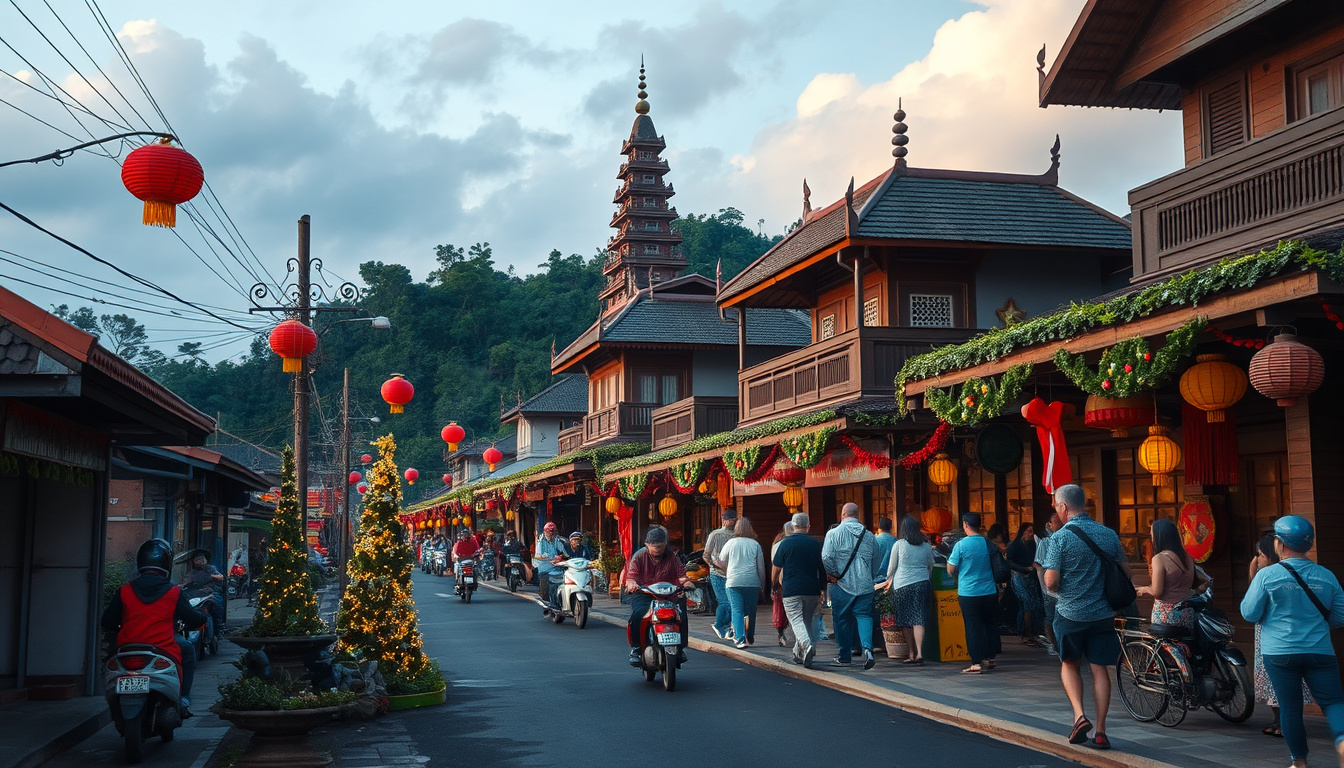





Bali’s Green Tourism Dilemma: Balancing Growth with Conservation Efforts
Bali, Indonesia – Known globally for its verdant landscapes, rich cultural heritage, and ecological diversity, Bali has established itself as a prominent destination for sustainable tourism. However, the island now faces a delicate challenge: managing the rapid expansion of tourism while protecting its invaluable natural and cultural resources.
Growing Concerns Over Environmental Impact
Experts, including Dr. I Wayan Suardana from Udayana University, have raised alarms about the impact of burgeoning tourism development on Bali’s coastal and forested areas. The island’s natural environment, renowned for its extensive forests, terraced rice fields, and rugged mountain ranges, is increasingly threatened by the construction of luxury resorts, villas, and infrastructure aimed at attracting more visitors.
“The allure of Bali has always been its untouched beauty and unique culture,” Dr. Suardana notes. “But unregulated tourism development, especially along sensitive ecosystems near the coast, is putting enormous pressure on these fragile habitats.”
Economic Gains Versus Ecological Strain
Tourism is a significant driver of Bali’s economy, contributing to employment, business growth, and overall prosperity. The island’s beaches, temples, and cultural landmarks attract millions worldwide annually. Eco-tourism experiences, such as trekking in Ubud’s forests or visiting the sacred Besakih Temple on Mount Agung, have gained traction among travelers seeking authentic and environmentally conscious tourism.
Nevertheless, the surge in visitor numbers and related infrastructure development has led to environmental stress. The expansion of hotels and resorts in ecologically sensitive zones threatens biodiversity and disrupts ecosystems that have long been integral to Bali’s identity.
A Precious Green Heritage Under Threat
Bali’s striking landscapes—from emerald rice paddies to dense tropical forests—remain a key draw for tourists desiring both adventure and tranquility. Agro-tourism, where visitors engage with traditional farming and rural lifestyles, has become a burgeoning sector, especially in central Bali’s mountainous regions.
Eco-tourism hubs like Ubud, home to attractions such as the Sacred Monkey Forest Sanctuary, provide travelers with opportunities to connect deeply with Balinese culture while staying in eco-friendly accommodations and wellness retreats. Despite this, unrestrained development continues to encroach on these green spaces, raising concerns about the sustainability of Bali’s environmental and cultural treasures.
Calls for Sustainable and Responsible Tourism
Dr. Suardana stresses the imperative that Bali’s economic development through tourism must not compromise environmental conservation. Achieving a balance requires strategic planning and adherence to sustainable tourism practices.
Various stakeholders, including provincial authorities, environmentalists, and community groups, are initiating programs that promote eco-tourism and environmental stewardship. However, critics argue that these efforts are insufficient to counterbalance the rapid growth and its environmental toll.
One notable success is the Bali Green School, an educational initiative that integrates environmental awareness and eco-friendly living principles. This project serves to educate locals and visitors alike, fostering a collective responsibility toward preserving Bali’s natural heritage.
Empowering Local Communities Through Eco-Tourism
Sustainable tourism encompasses not only ecological protection but also the empowerment of local communities. Many farmers and small businesses near popular tourism sites are embracing eco-tourism as a means of livelihood, benefiting economically while promoting cultural and environmental preservation.
Dr. Suardana advocates for a cooperative approach involving government bodies, private enterprises, and local residents to ensure that tourism development supports both the environment and community welfare.
Preserving Bali for Future Generations
As Bali continues to attract increasing numbers of tourists, the need to safeguard its unique environment and culture becomes more urgent. Prioritizing sustainable tourism policies and responsible infrastructure development is essential to maintain Bali’s global appeal and to protect its fragile ecosystems.
Through careful stewardship and collective effort, Bali aims to remain a vibrant, eco-conscious destination that honors its natural beauty and cultural richness for generations to come. The challenge lies in balancing growth with conservation to ensure that Bali’s legacy endures in harmony with nature.



Add a comment