




Bali’s Paradise Myth Confronts the Harsh Reality of Overtourism
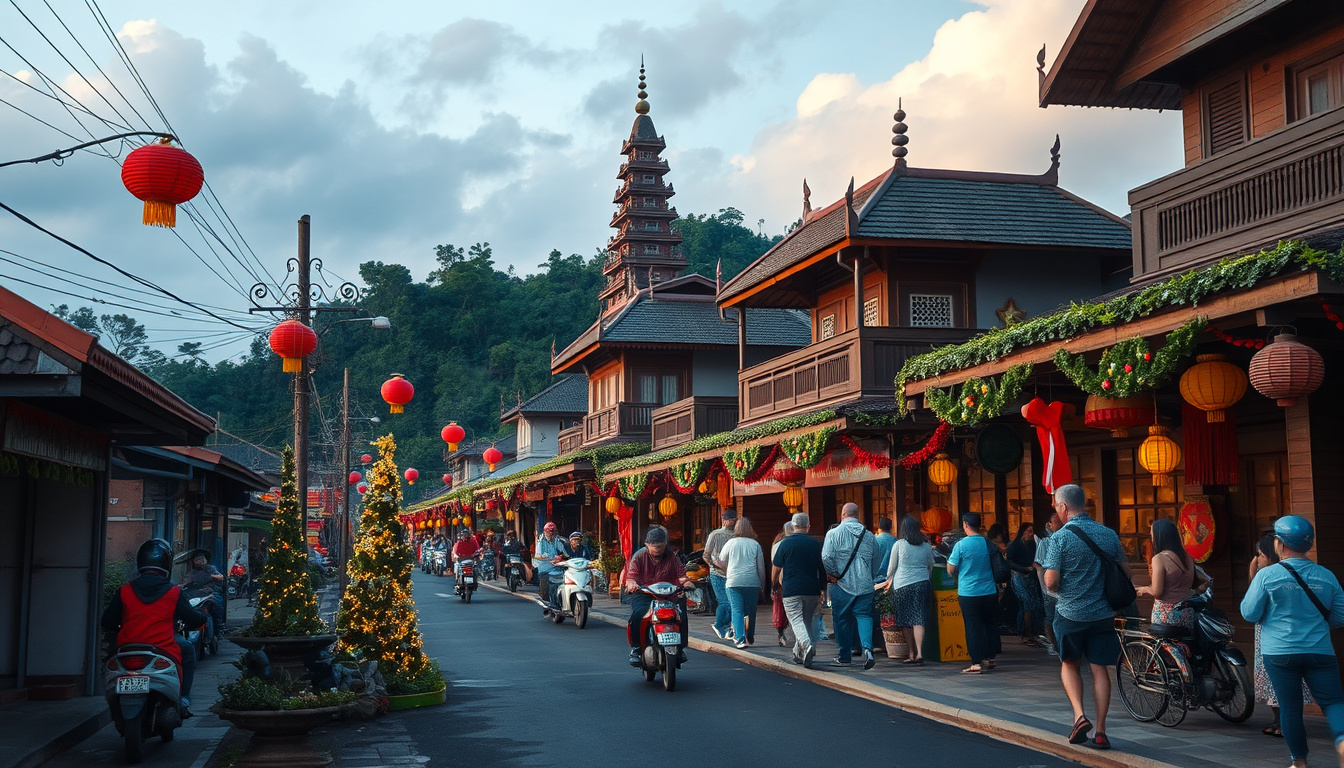
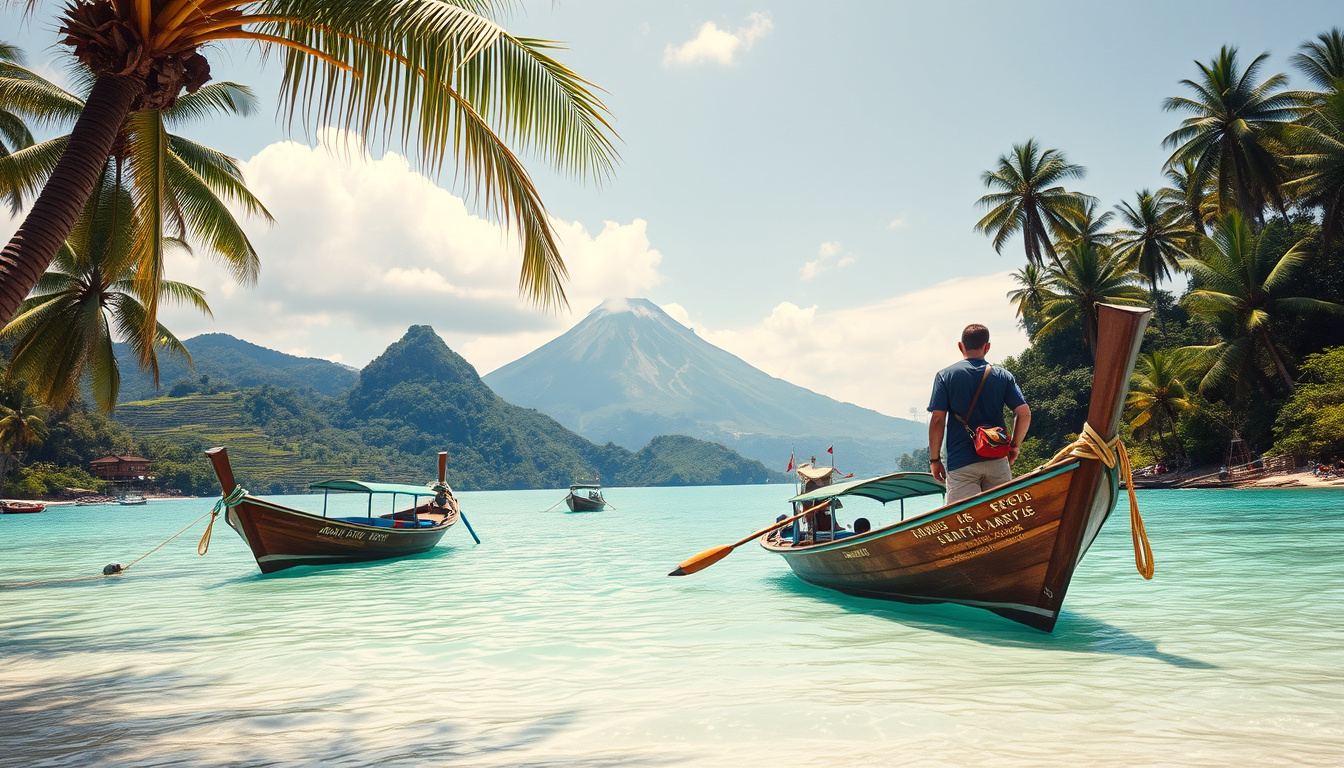
Bali, the Indonesian island long celebrated worldwide as a tropical paradise of serene temples, verdant rice fields, and spiritual tranquility, is increasingly revealing a less idyllic side. The island’s romanticized image is clashing with the mounting pressures brought by overtourism, as millions of visitors flood its shores yearly, straining the environment, infrastructure, and local communities.
A Growing Dissonance Between Expectation and Reality
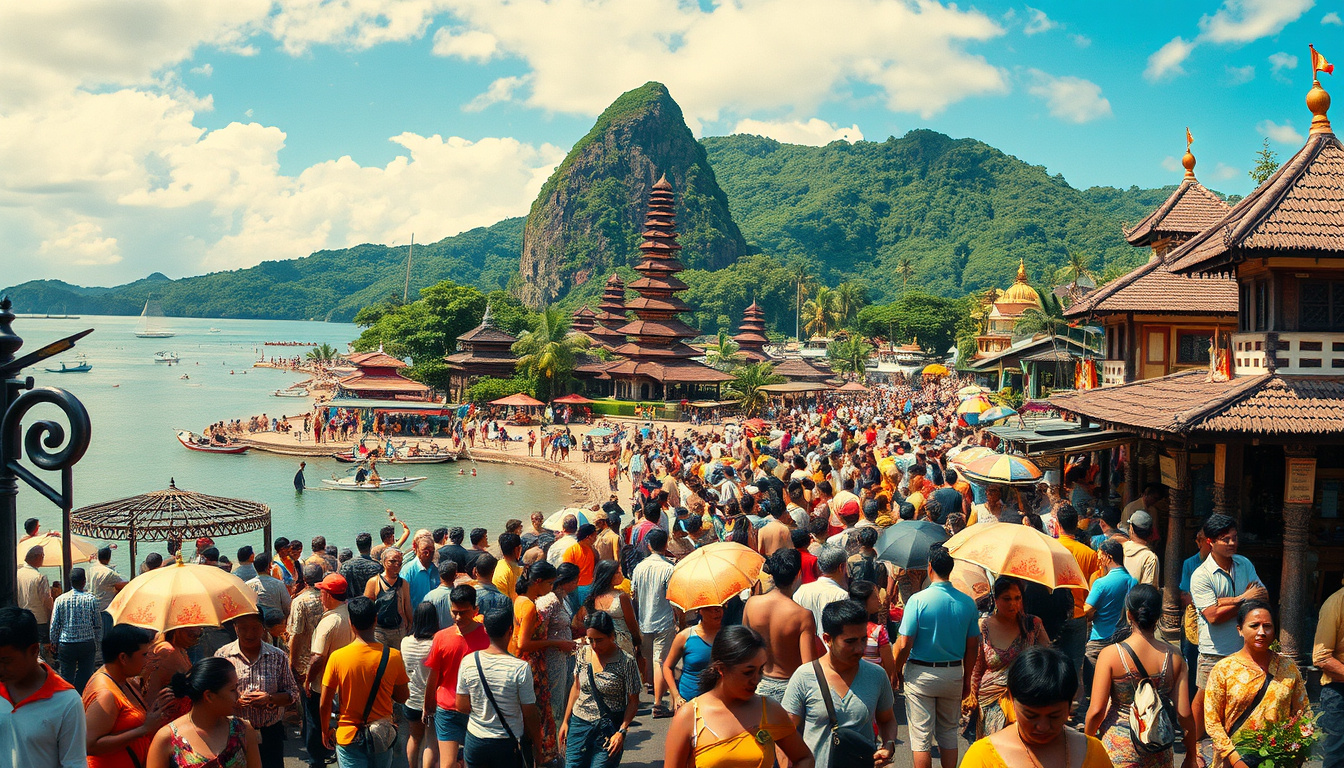
Tourists frequently share stories of disappointment, noting how Bali’s famed beauty and tranquility are marred by overcrowding, pollution, and infrastructure challenges. British travel vlogger Zoe Rae, for example, recently left Bali mid-holiday, expressing disillusionment that echoed many others’ sentiments. On social media, contrasting images tell the story vividly: pristine beaches littered with rubbish, once serene waterfalls now congested with long queues, and quaint bamboo smoothie cafés overshadowed by the roar of motorcycle traffic.
The globally popularized depiction of Bali—boosted by the 2010 film Eat, Pray, Love—cannot keep pace with the reality of its rapid tourism growth. This year, the island is expected to host over seven million foreign tourists. Yet, the mass influx has led to visible damages such as heavy traffic congestion, widespread pollution, rampant and often unchecked construction, and overwhelmed public infrastructure.
Environmental and Social Strains Amplified by Recent Floods
These mounting pressures were tragically underscored earlier this month when severe flooding claimed more than a dozen lives across the island. Officials attributed the disaster’s severity to ineffective waste management and unchecked urban development, which exacerbated the flooding’s impact.
Local experts and residents express concern about the sustainability of Bali’s tourism growth. “Tourists are disappointed with Bali being crowded, but they’re also part of the crowd,” noted I Made Vikannanda, a Balinese researcher and advocate for sustainable development. His remarks highlight the complex dynamic where visitor numbers contribute directly to the island’s struggles.
Transformation of Bali’s Tourism Landscape
The nature of Bali’s tourism is visibly shifting. Where once travelers sought cultural exploration and spiritual enrichment, luxury villas, trendy beach clubs, and social media-driven itineraries now dominate. Formerly quiet villages like Canggu and Seminyak have evolved into congested tourism hubs, and emerging “hidden gems” in regions such as Ubud and Pererenan are rapidly undergoing similar transformations.
Local residents feel the impact deeply. Ni Kadek Sintya, a hospitality worker from Bali, shared her perspective: “Tourists think because they’re the ones with money to spend, we should be OK with whatever they do. But sometimes it feels like our home is being eroded day by day.” This sentiment reveals a growing tension between economic benefits and the preservation of Bali’s cultural and environmental heritage.
Efforts Toward Sustainable Tourism and Community Resilience
In response to these challenges, authorities have implemented measures to mitigate environmental damage and promote responsible tourism practices. Initiatives include banning single-use plastics, publishing visitor guidelines to encourage respectful behavior, and deploying police to tackle misconduct such as scooter accidents and inappropriate actions at sacred sites.
Meanwhile, grassroots movements offer a glimmer of hope. Community-led clean-up efforts, the rise of sustainable local businesses, and heightened environmental awareness among younger generations suggest pathways toward balance and regeneration.
“Bali is more than just a tourist market,” emphasized researcher I Made Vikannanda. “If managed responsibly, the island’s development and natural harmony can still be maintained.”
Shared Responsibility for Bali’s Future
Travel experts also stress that sustainable tourism requires conscious participation from visitors. Maria Shollenbarger, travel editor at the Financial Times, commented, “It’s incumbent on travellers to engage responsibly with the destination. Bali is a crucible of overtourism—but also a reminder that paradise is fragile.”
As Bali confronts the demands of mass tourism, the island stands at a crossroads. The challenge lies in preserving its unique cultural identity and natural environment while accommodating a global desire to experience its beauty. How this balance is achieved will determine whether Bali can retain its mythical paradise status or succumb to the costs of popularity.



Add a comment