




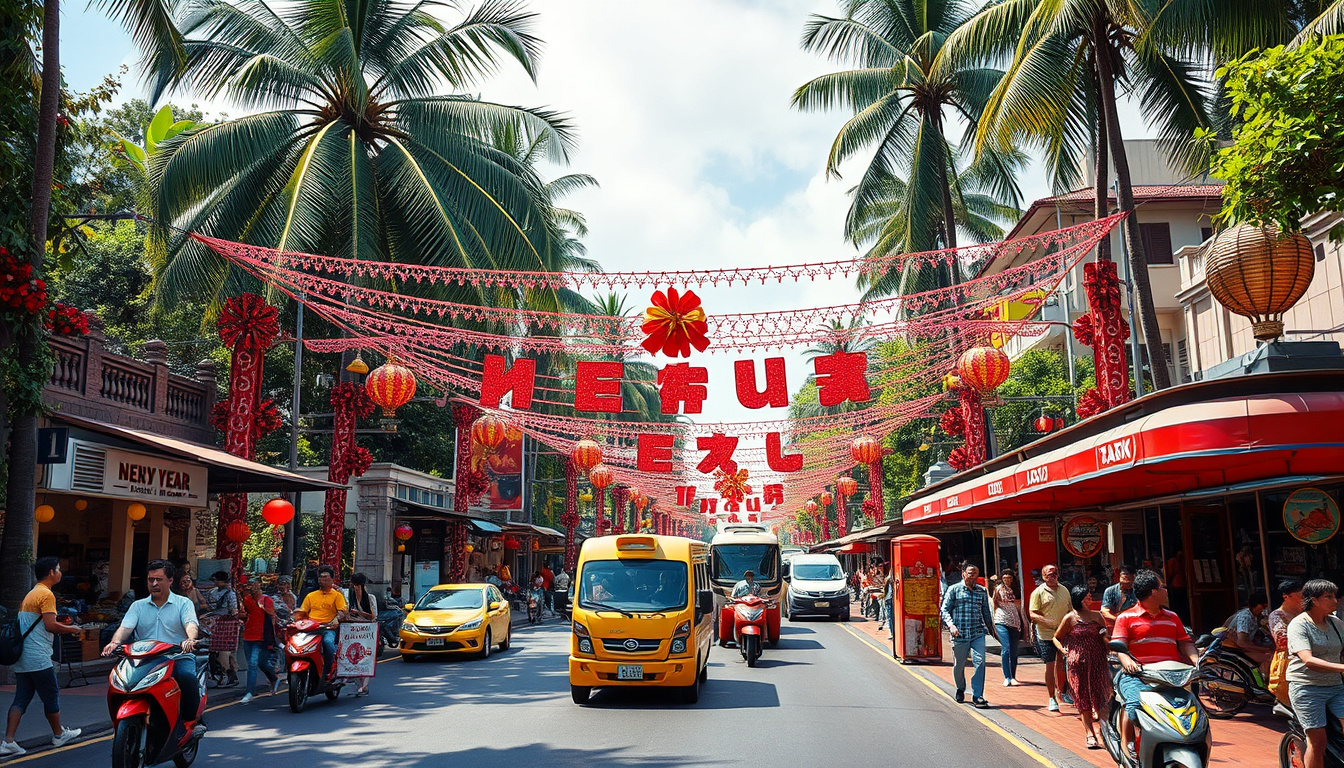



The Way Aussies Are Travelling Bali Is Changing: Food-Centric Trips and ‘Nom-Tourism’
Bali, long celebrated for its ancient temples, stunning natural landscapes, and affordable local beer, is drawing Australian tourists in new and evolving ways. Beyond the usual sightseeing and relaxation, a noticeable shift has emerged in how Aussies plan their Bali vacations—with food taking center stage. This trend, playfully dubbed ‘nom-tourism’, marks a transformation in travel preferences, as more visitors map out their trips around culinary experiences.
Food Leading the Travel Itinerary
Recent research by Booking.com reveals that over 80% of Australian travelers have chosen a holiday destination specifically to visit certain restaurants or local food markets. Food has become a pivotal aspect of the travel experience, not merely something to enjoy on the side.
One standout destination is Warung Babi Guling Sari Dewi in Nusa Dua, southern Bali. This humble warung—a small, informal eatery—specializes in Babi Guling, roast suckling pig, a traditional Balinese dish rich in cultural significance. Tourists and locals alike flock to this spot, where a meal with a bottle of Coke can cost as little as AU$4.60. Balinese taxi driver Bogi, a regular customer, notes the warung’s popularity among both locals and international visitors, emphasizing its affordability and authentic taste.
Visitors are increasingly drawn to the authenticity of such local fare. The experience often involves watching people capture picturesque food moments for social media, while regular patrons enjoy traditional meals and cigarettes—a microcosm of Bali’s rich, vibrant dining culture.
More Than Just Eating Out: The Rise of ‘Live Like a Local’ Stays
The food-focused travel trend is influencing more than just restaurant choices; it’s reshaping accommodation preferences as well. Australians are seeking out “alternative accommodation”—homes and villas equipped with kitchens and dining spaces that enable guests to cook, dine, and immerse themselves fully in local life.
Simon Clark, Booking.com’s head of communications for Oceania, explains that while the concept of living like a local has been prevalent in Europe for some time, it is now gaining traction across Asia Pacific, including Bali. This shift aligns with a broader post-COVID desire for travel experiences beyond lounging on beaches, focusing instead on meaningful cultural engagement through food.
Booking.com has been actively working to “de-hotelise” its platform to meet growing demand for stays that offer greater flexibility and immersion. Laura Houldsworth, Booking.com’s Managing Director for Asia Pacific, highlights that food experiences often form memorable highlights of trips, drawing tourists to explore culinary traditions intimately.
Food Markets and Local Ingredients: A New Focal Point for Aussie Travelers
Further evidence of this shift is found in the increasing popularity of local markets among Australian visitors. Nearly 90% of Aussies surveyed enjoy visiting food markets or supermarkets while on vacation, revealing a desire to connect with the local food scene firsthand.
Kedonganan Fish Market in Jimbaran Bay is a prime example, seeing a steady rise in tourist activity. The bustling wet market allows visitors to pick fresh seafood caught the same day—including snapper, lobster, prawns, and the well-known Mahi Mahi—and either prepare it themselves if staying in a self-catering villa, or have it cleaned and grilled at nearby warungs.
Luxury accommodation like Sohamsa Ocean Estate in Nusa Dua offers guests a self-contained villa experience where they can cook and entertain, combining comfort with the freedom to experiment with local ingredients. Simon Clark describes how such flexibility allows travelers to fully enjoy fresh produce picked up from markets, an experience not possible in traditional hotel rooms.
Where to Stay for the Ultimate Food Experience
For those planning a culinary trip to Bali, choosing accommodation with cooking facilities can elevate the holiday experience. Taman Dharmawangsa Suites in Nusa Dua offers modern villas featuring private pools and kitchenettes, ideal for travelers wanting to recreate dishes like grilled tuna with rice and sambal.
The trend of building travel plans around food experiences is not just a fad but represents a meaningful way Australians are now engaging with Bali’s culture and enhancing their overall travel satisfaction.
As the way Australians travel to Bali evolves, it’s clear that food and local culinary experiences are becoming essential components of the journey. Whether dining at traditional warungs, exploring vibrant markets, or cooking in luxury villas, Aussies are embracing a more immersive and authentic Bali experience that goes beyond sightseeing to truly tasting the island’s rich culture.



Add a comment