


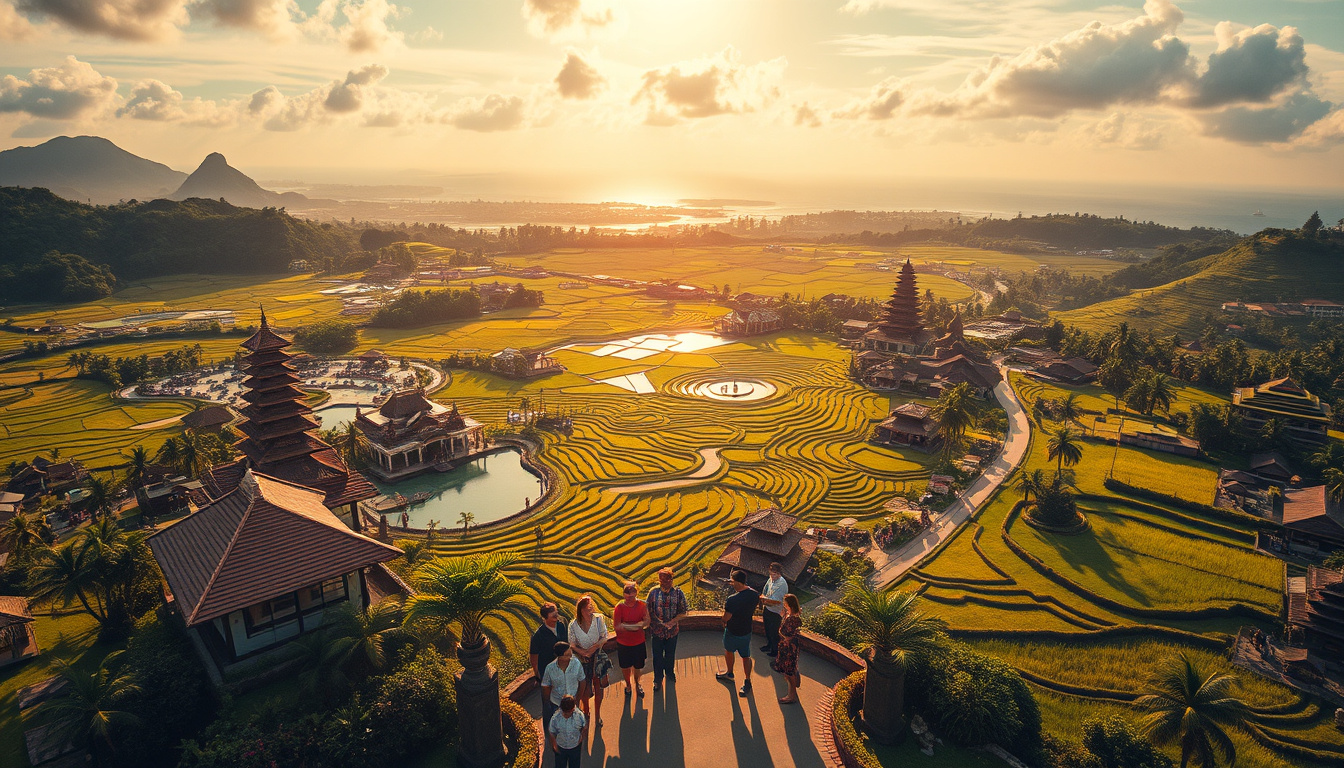

Indonesia’s Tourism Strategy Concentrates on Bali, Leaving Other Islands Overlooked
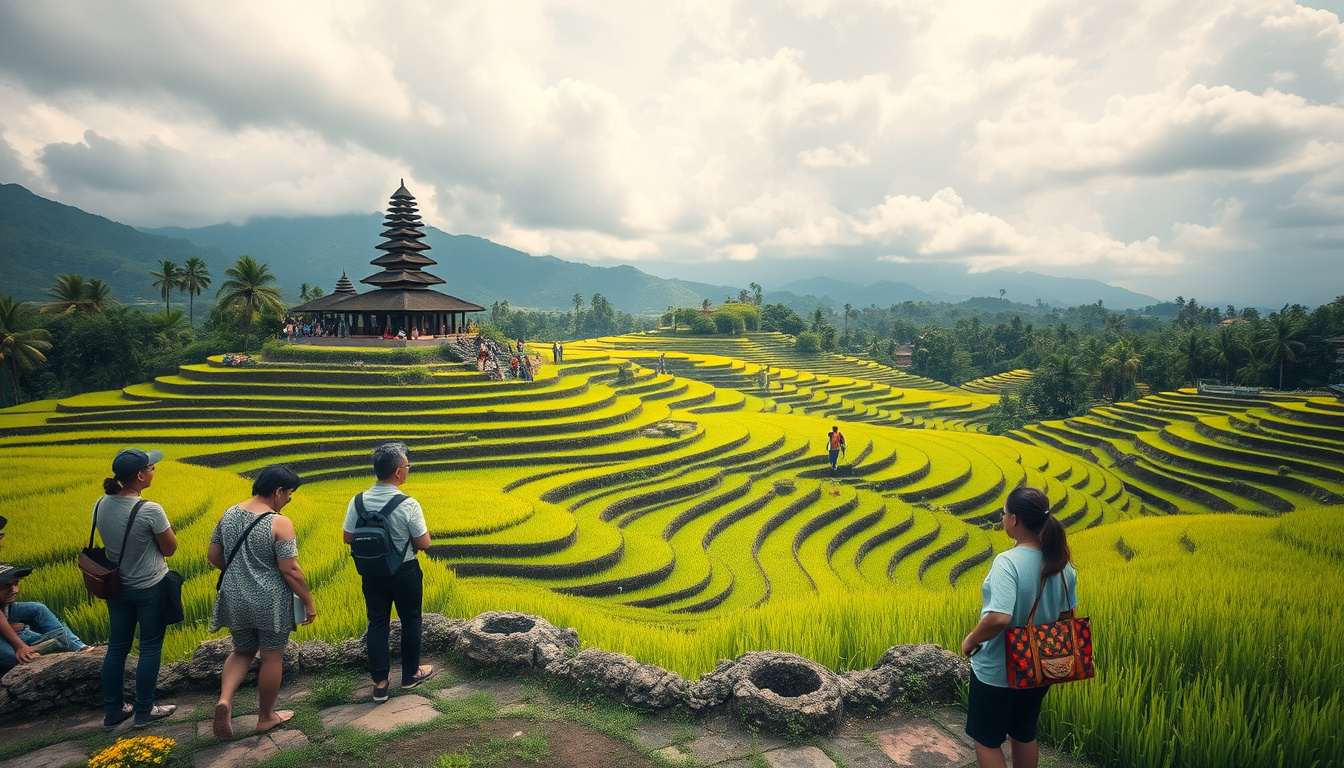
Indonesia has long been celebrated for its stunning natural beauty and diverse cultural heritage, drawing tourists from around the globe. However, in the post-pandemic recovery phase, the government’s tourism approach has focused heavily on Bali, one of the country’s most famous islands. This strategy, intended to revive the vital tourism sector, has inadvertently left other Indonesian islands struggling to attract visitors.
The Case of Bali: Crowded and Overwhelmed
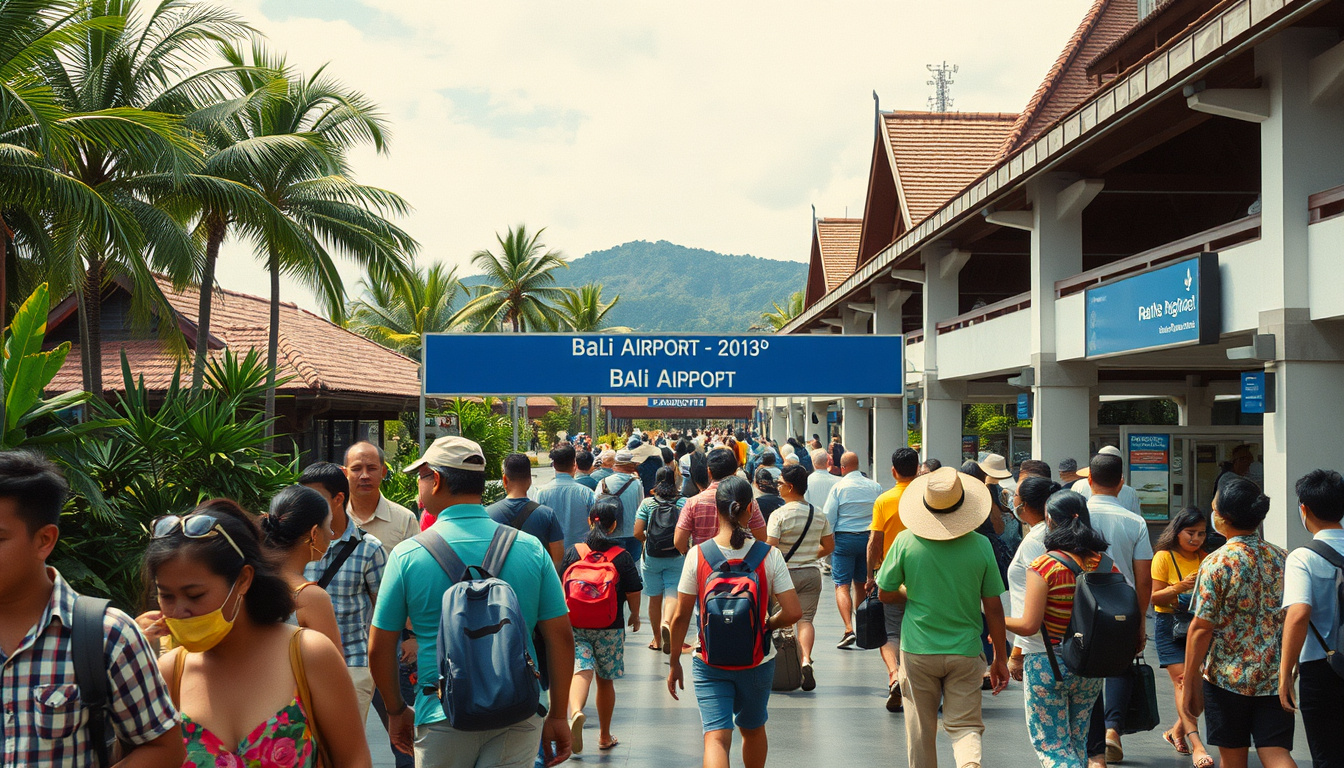
Bali is often regarded as the crown jewel of Indonesian tourism, famous for its scenic beaches, spiritual culture, and vibrant nightlife. However, the surge of visitors since the easing of pandemic restrictions has taken a toll on the island’s environment and infrastructure. Traffic congestion is a common sight, especially near temples; noise pollution has increased due to the abundance of motorbikes; and plastic waste often litters the streets and waterways.
Many locals and experts worry that Bali’s unique spiritual essence is being overshadowed by the overwhelming number of tourists. The island’s popularity has transformed into a double-edged sword — although generating significant revenue, it has strained natural and cultural resources.
Other Islands: Hidden Gems Left Untapped
Meanwhile, the rest of Indonesia’s many islands remain largely undiscovered by international visitors. For example, Seram Island — located roughly 1,600 kilometers from Bali — offers pristine landscapes such as Ora Beach. Surrounded by lush tropical vegetation and dramatic limestone cliffs, Ora Beach provides an experience comparable to that of the Maldives but at a much more affordable price.
Despite their appeal, destinations like Seram are not benefiting from the government’s focus on Bali and are therefore missing out on the economic boost tourism can bring. Travel infrastructure, marketing efforts, and direct flight routes remain limited for these islands, restricting their accessibility and visibility on the global tourism map.
Looking Ahead: Diversifying Indonesia’s Tourism Industry
Experts argue that Indonesia’s tourism recovery would be more sustainable if investment and promotional efforts extended beyond Bali to include lesser-known islands. Expanding tourism across the archipelago could not only relieve pressure on Bali’s crowded hotspots but also stimulate economic growth in regions that have not yet fully tapped into their tourism potential.
Balancing the need to protect Bali’s cultural identity and environment with the goal of revitalizing the broader tourism industry poses a significant challenge. Indonesian authorities may need to consider developing infrastructure, opening up transportation links, and promoting diverse destinations to create a more equitable and resilient tourism sector.
As Indonesia looks toward the future, a more inclusive approach to tourism development may better serve both local communities and international travelers seeking the rich variety the country has to offer beyond Bali’s borders.



Add a comment