


Instagram vs Reality: Bali’s Rise as an Influencer Paradise Turns Into a Challenge
Bali, Indonesia’s renowned tropical island, has long been celebrated as a dream destination for travelers seeking natural beauty, spirituality, and a laid-back lifestyle. However, the paradise beloved by millions is now grappling with the unintended consequences of its own popularity, especially fueled by social media and influencer culture.
The Growing Divide Between Expectation and Reality
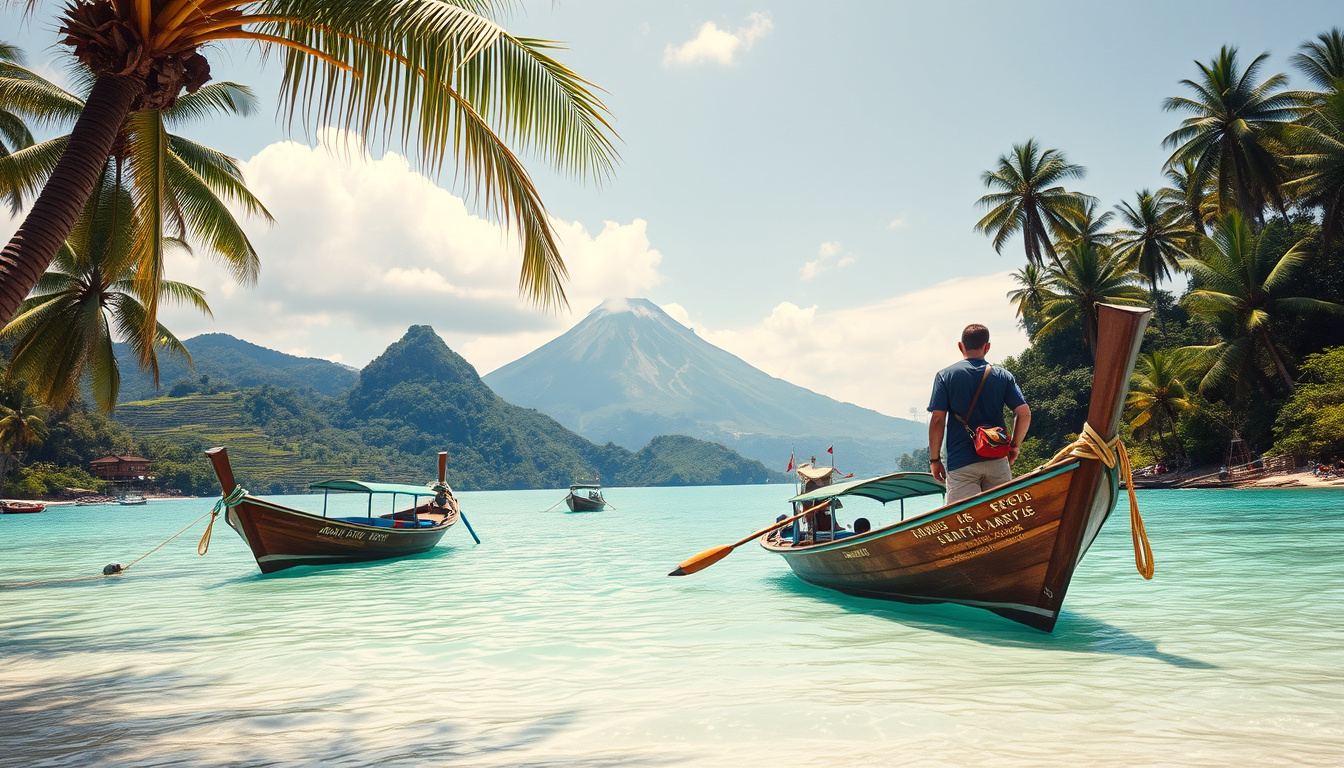
Recently, many tourists visiting Bali have expressed disappointment after arriving with high hopes shaped by picturesque Instagram posts and influencer feeds, only to be met with overcrowding and environmental issues. British influencer Zoe Rae, for example, shared her disillusionment in a July YouTube video, explaining that despite the idyllic images online, the reality left something “not quite right” during her stay. Although she didn’t specify details, the experience prompted her to cut her Bali trip short and celebrate her wedding anniversary elsewhere.
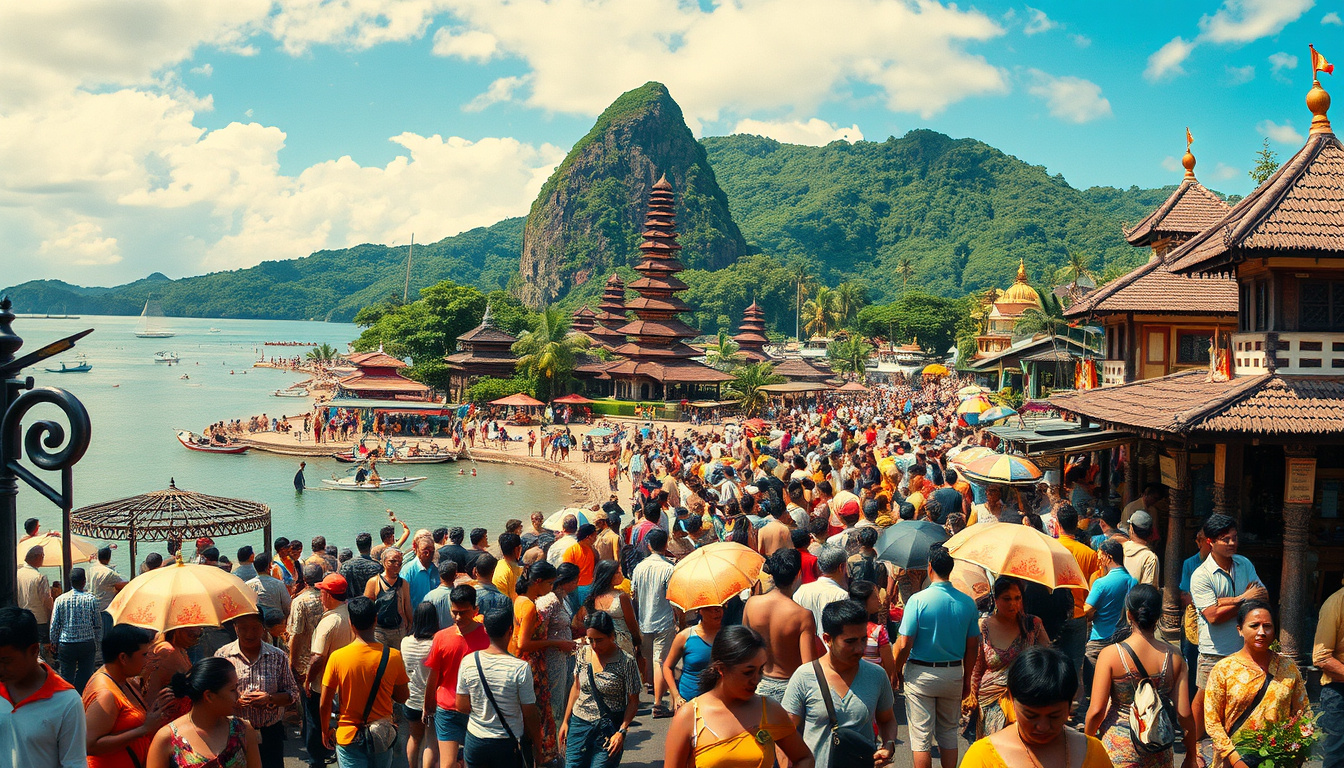
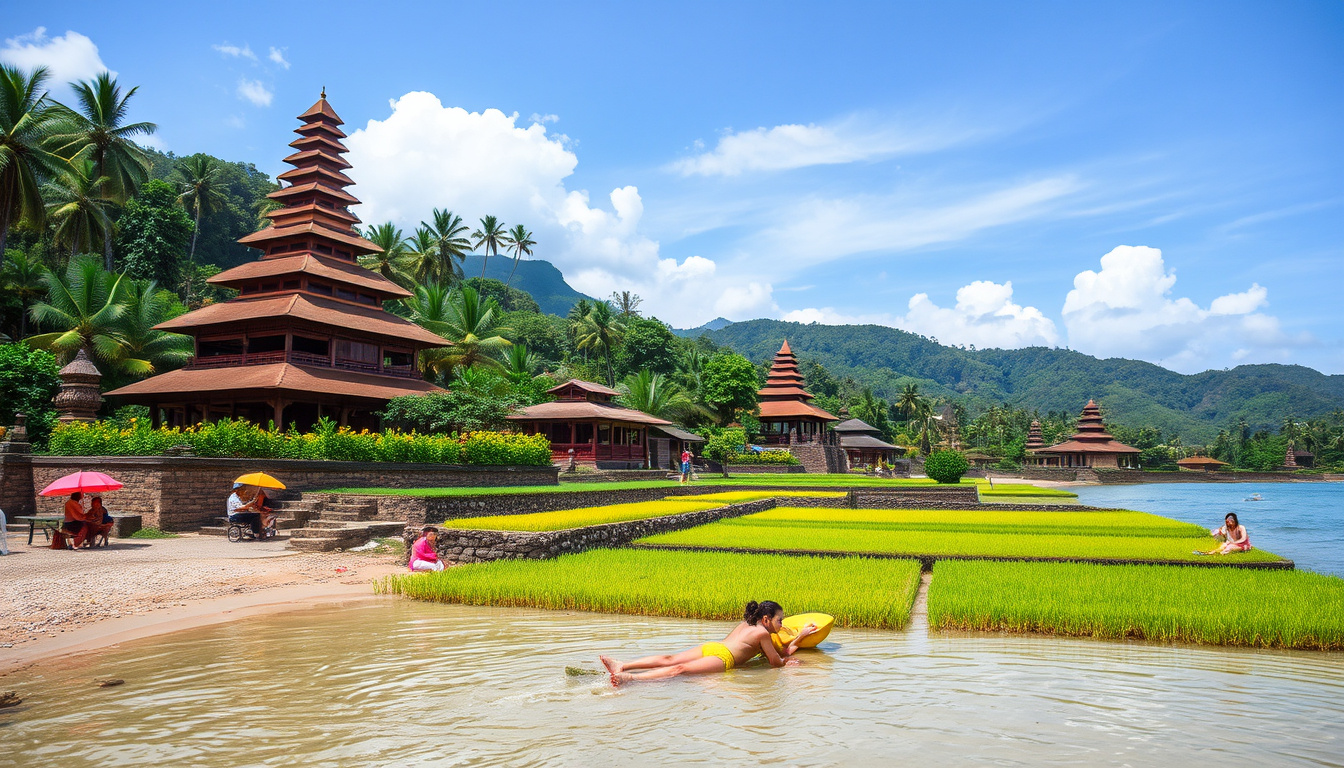
Visitors have since echoed similar sentiments across social media, sharing “expectations vs reality” photos that contrast dreamy scenes of beachside cafes and waterfalls with images of traffic jams, littered streets, and long lines of tourists. This phenomenon highlights the widening gap between Bali’s carefully curated image and the pressures it faces on the ground.
Tourism Boom and Environmental Strains
Tourism to Bali has surged dramatically in recent years, from 3.8 million visitors in 2014 to over 6.3 million in 2024, with 2025 expected to break records and exceed seven million foreign tourists. While this influx has boosted the local economy, it has also brought challenges including severe congestion, pollution, and infrastructure strain.
A tragic recent event underscored these issues when rare floods caused the deaths of more than a dozen people. Officials attributed the severity of the floods to poor waste management and unchecked urban development, catalyzing the local government to announce restrictions on new construction projects. Many locals and experts, however, feel these measures may be coming too late to prevent lasting damage.
From Ancient Traditions to Modern Mass Tourism
Bali’s allure originally stemmed from its rich cultural heritage, spiritual depth, and natural landscapes. Early Western visitors in the 20th century were captivated by its Hindu temples, sacred animals, and lush rice paddies, painting a picture of an untouched utopia.
Gisela Williams, a travel writer based in Berlin who has visited Bali since the 1990s, explains that much of Bali’s mystique stems from Balinese Hindu culture and its deep spiritual connection to nature. Yet over the past decade, Bali’s identity has shifted. Today, the island is as often recognized for its luxury beach clubs, villas, and party scenes tailored to Western tourists seeking affordability and Instagrammable experiences.
Social media has accelerated this trend, often promoting a superficial view of the island that prioritizes visual appeal over cultural immersion. Many tourists confine themselves to popular areas like Seminyak, Uluwatu, and the hipster enclave of Canggu, repeatedly featured in travel posts but now suffering from overcrowding.
Locals Speak Out: A Sense of Loss and Responsibility
For many Balinese residents, the changes have been bittersweet. While tourism provides vital employment opportunities, there is a palpable sense of loss for the quieter, more authentic Bali of the past.
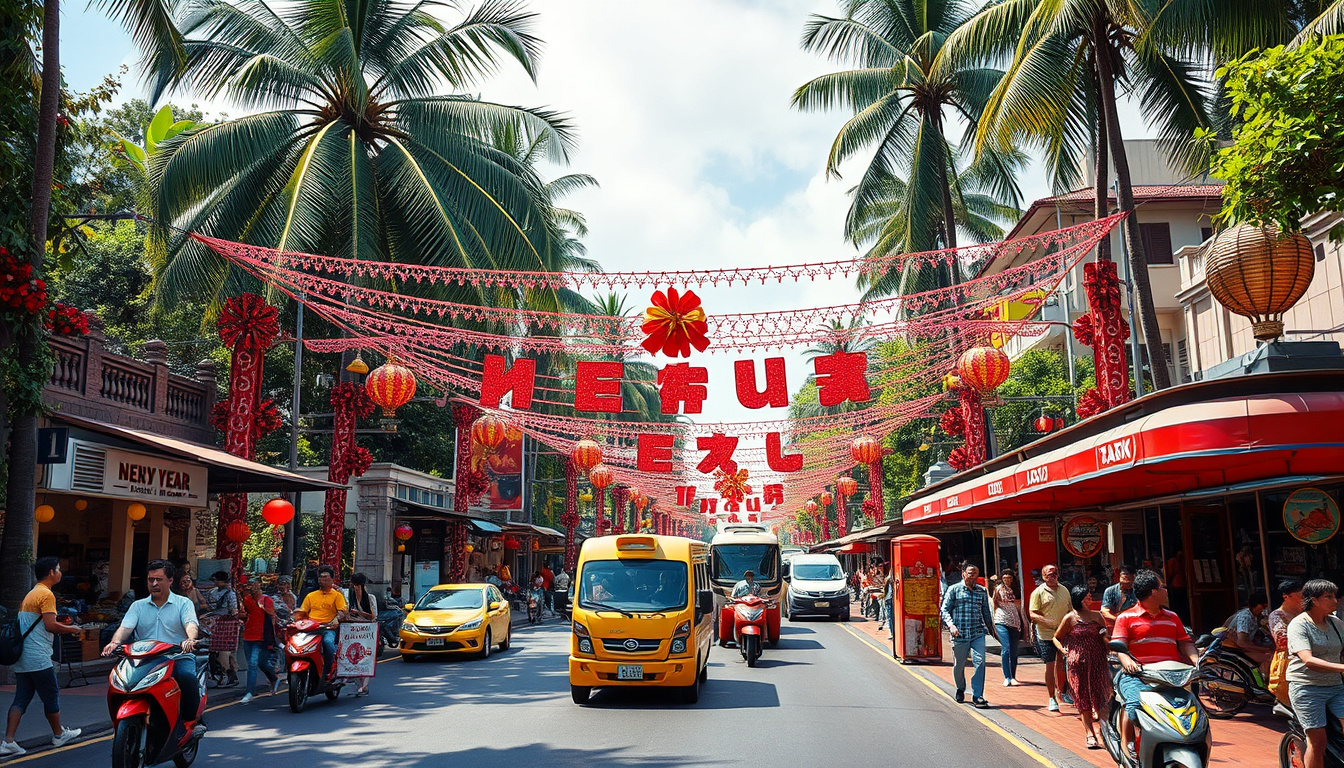
Twenty-two-year-old Ni Kadek Sintya recalls riding her scooter past serene paddy fields just five years ago. Today, those same routes are choked by traffic, surrounded by villas and cafes, filling the air with honks and construction noise. “Bali is being eroded day by day,” she laments.
I Made Vikannanda, a Balinese researcher and environmental advocate, highlights the irony in tourists’ complaints about overcrowding: “When tourists say they’re disappointed about traffic, they are also part of the crowd. We’re the ones making the traffic.” He stresses that despite uncontrolled growth, there remains hope to balance development with nature.
The Challenge of Balancing Growth and Cultural Integrity
The migration of tourists into newer areas such as Canggu and Pererenan has led to a rapid expansion of cafes, gyms, and co-working spaces on narrow rural roads, pushing the limits of local infrastructure. Resorts in the northern forests near Ubud promote themselves as tranquil escapes from the busy south, yet even these areas face pressure from development.
Moreover, the influx of foreigners, including Russians and Ukrainians settling after fleeing conflict, has added to social tensions. Reports of misbehavior, accidents involving intoxicated scooter riders, and disrespect at sacred sites have sparked local frustration, fueling social media backlash against unruly tourists.
Looking Ahead: Sustainability and Respect
Despite these challenges, many Balinese remain committed to their hospitality and cultural values. The tourism industry is a major source of income and stability for the island, leaving locals in a difficult position when calls arise to limit visitor numbers.
Voicing a common concern, Sintya acknowledges the dilemma: “It can feel like I’m being trapped because we live on tourism. So if we stop tourism, what will we survive on?”
Advocates like Vikannanda believe sustainable development is still achievable. Efforts to manage growth, promote off-the-beaten-path destinations thoughtfully, and encourage responsible tourism could preserve Bali’s natural wonders and cultural heritage for future generations.
Conclusion
Bali’s story is a cautionary tale about the impacts of virality and mass tourism on a once-hidden paradise. The contrast between Instagram-perfect images and on-the-ground realities reveals the complexities of managing a destination beloved worldwide. As Bali seeks to redefine its future, balancing economic benefits with environmental stewardship and cultural respect will be essential to maintaining the island’s unique magic beyond social media snapshots.



Add a comment