



Bali’s Instagram Dream Turning into a Reality Check: Paradise Grapples with the Impact of Tourism Boom
By Koh Ewe, Singapore and Ade Mardiyati, Bali
27 September 2025
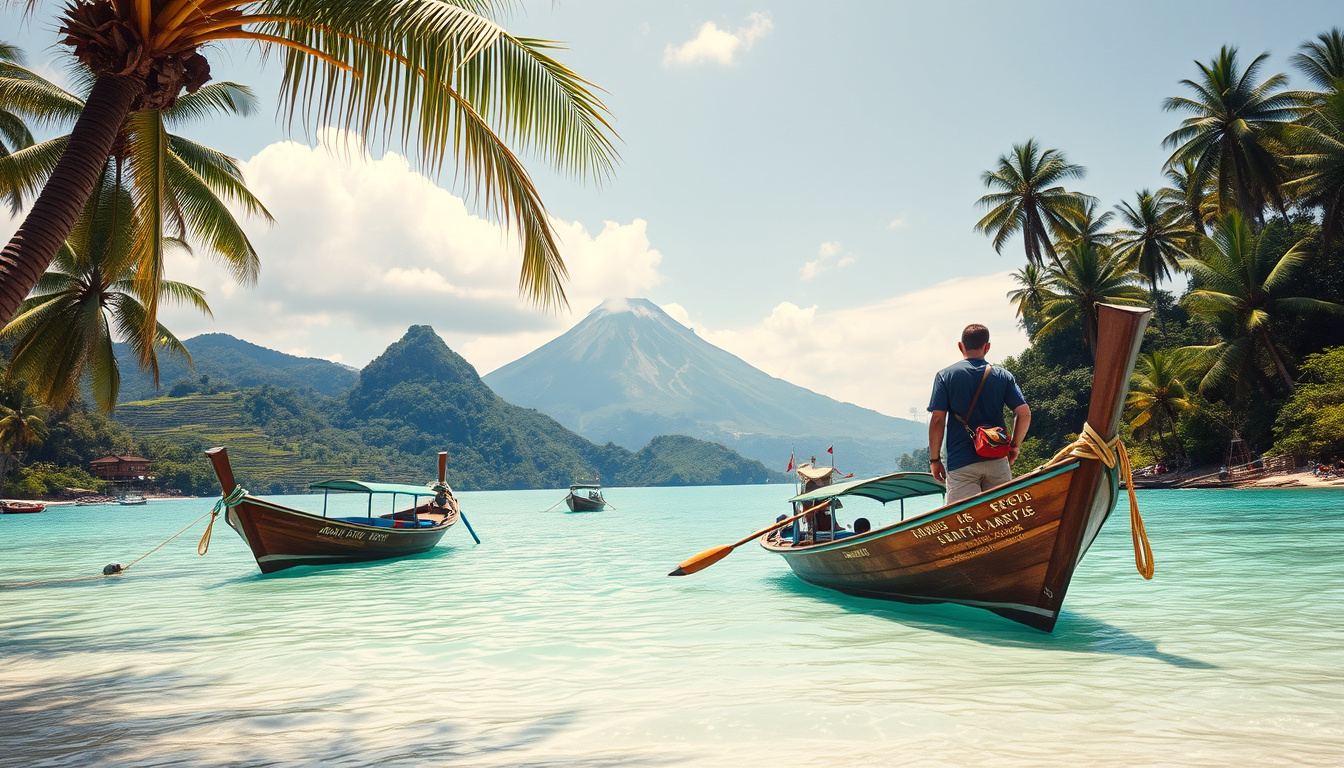
Bali, Indonesia — Known worldwide as a tropical paradise and a magnet for influencers and tourists alike, Bali is revealing an increasingly complex reality behind its flawless social media facade. The island, once celebrated as the "last paradise," is now confronting the consequences of an overwhelming influx of visitors and rapid development, leaving many travelers and locals questioning how the idyllic image they once cherished came to this.
The Social Media Mirage: Expectations vs. Reality
For years, Bali’s picture-perfect beaches, lush landscapes, and vibrant culture have been showcased on platforms like Instagram, enticing millions to visit. However, the growing phenomenon of "expectations vs reality" posts highlights a widening gap between the idealized vision and what many tourists actually encounter.
British traveler Zoe Rae expressed her disappointment in a candid YouTube video filmed from her hotel room. “Since landing in Bali, something for us has just not felt quite right,” she said. “We came to Bali with high expectations because we’d seen on social media everyone having such a lovely time.” Her experience led her to cut short her anniversary trip and continue celebrating in Dubai instead.
Images circulating online show stark contrasts: diners enjoying sunsets at a beachside café juxtaposed with piles of rubbish along the access stairs; tourists posing for photos in front of waterfalls while waiting in long queues; and visitors sipping healthy smoothies beside heavily congested, smoke-spewing motorcycles. These visuals paint a picture of an island grappling with the strains of mass tourism.
A Paradise Under Pressure
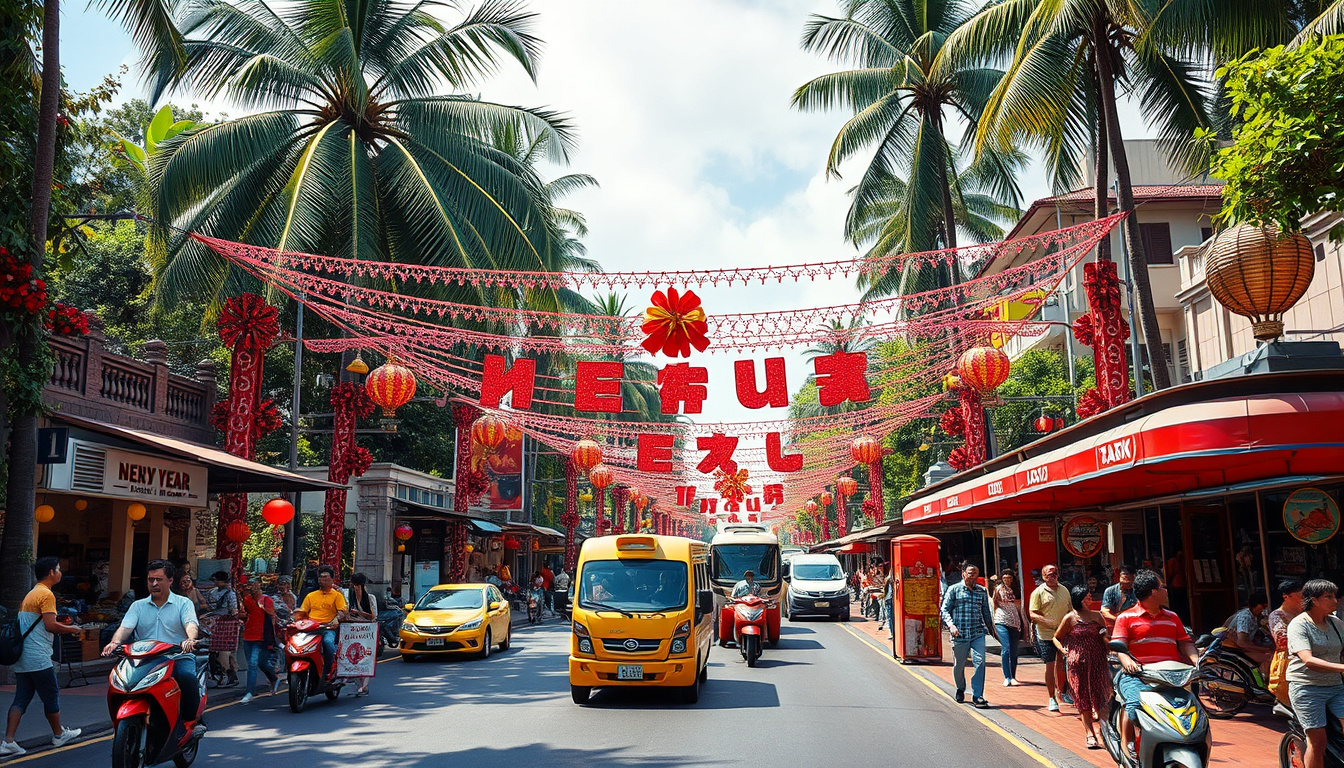
Bali’s popularity has soared dramatically in recent years, with arrivals rising from 3.8 million in 2014 to 6.3 million last year. Projections for 2025 suggest over seven million foreign tourists will visit. This surge has overwhelmed infrastructure, exacerbated environmental concerns, and intensified traffic congestion, especially in previously tranquil areas.
The consequences became tragically clear recently when rare flooding struck the island, claiming more than a dozen lives. Authorities attribute the severity of the floods partly to poor waste management and unchecked urban development—factors laid bare by the tourism boom. In response, local government officials have announced plans to restrict new construction projects, though many critics view these efforts as overdue and insufficient.
A Cultural and Environmental Crossroads
Tourists have long been drawn to Bali’s spiritual heritage, distinctive Hindu culture, and natural beauty. Yet, much of the modern visitor experience centers around beach clubs, surf houses, luxury villas, and nightlife—facets far removed from the island’s traditional roots.
Berlin-based travel writer Gisela Williams, who has frequented Bali since the 1990s, explains that Bali’s mythos was originally built on its unique culture and natural wonders. “It’s the Balinese Hindu culture that has created this myth of the place,” she says. But she laments that social media today promotes a superficial glimpse, encouraging travelers to see only a polished image gleaned from photos.
Content creator Hollie Marie, who lives in Bali, cautions prospective visitors about the distorted view social media offers. “Only looking up Bali on Instagram will give you a distorted reality of the island itself,” she says. She encourages travelers to explore beyond the common hotspots, highlighting Bali’s cultural richness and quieter natural escapes, such as dolphin-watching, diving, and serene northern landscapes.
Canny Claudya, who relocated from Jakarta to Bali, agrees: “If you think that Bali is overcrowded, then you’re just not in the right places.” For those willing to venture past the popular party zones, Bali still offers untouched beauty.
Local Perspectives: Living Through the Change
Despite Bali’s beauty, locals acknowledge the significant changes tourism has wrought. “When tourists say they are disappointed with Bali being more crowded, they are also part of the crowd,” notes I Made Vikannanda, a Balinese researcher focused on protecting the island’s environment and communities. His analogy echoes the collective responsibility of visitors and residents alike in shaping the island’s future.
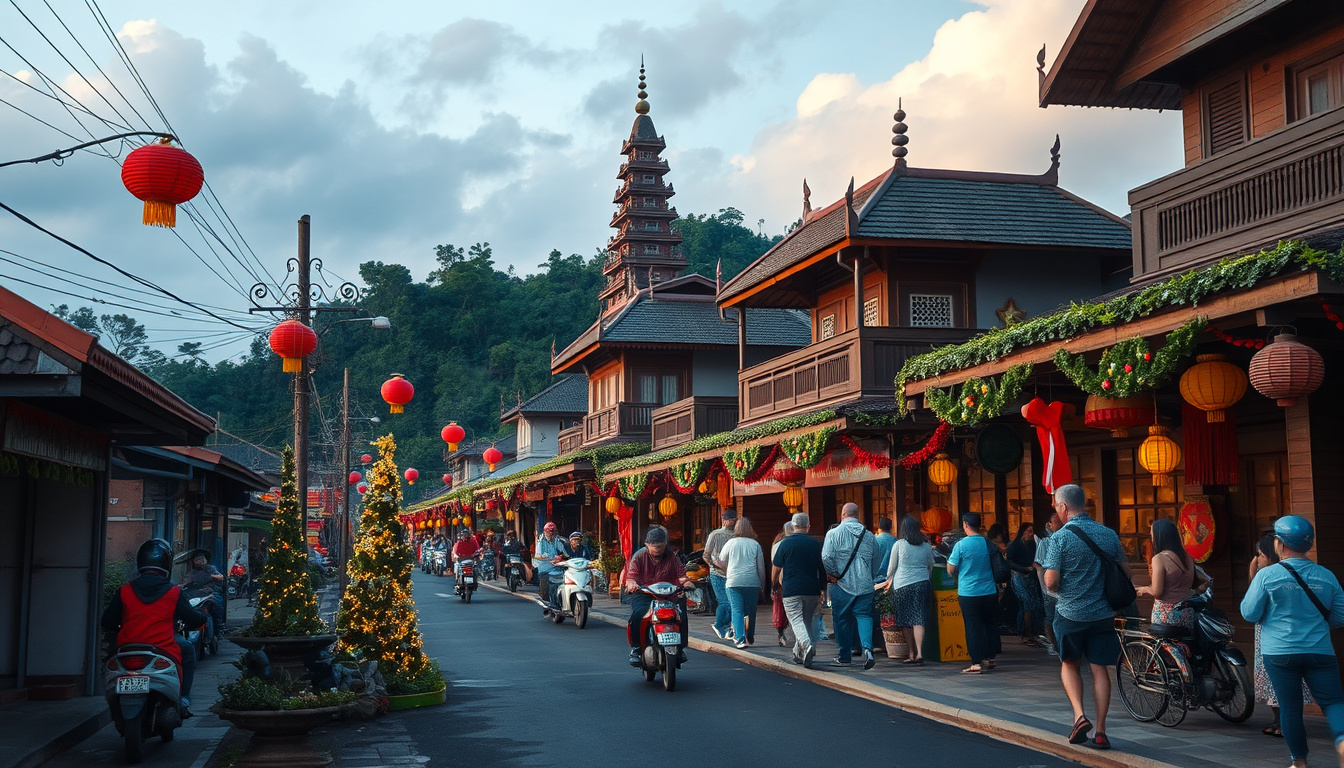
Ni Kadek Sintya, a 22-year-old Balinese resident, recalls quieter times riding her scooter through Canggu, once a peaceful area surrounded by paddy fields. Today, Canggu is heavily congested, lined with villas, cafes, and filled with honking traffic. “Now every time I ride past that spot I used to sit at, there’s this feeling of sadness. I feel that Bali is being eroded day by day,” she says.
This narrative is echoed in other neighborhoods as tourists and expats push beyond traditional coastal hubs like Seminyak and Uluwatu, transforming once tranquil fishing villages like Canggu and Pererenan into bustling tourist magnets. Resorts in northern Bali’s forests similarly market themselves as peaceful escapes, potentially spreading construction and environmental strain into previously pristine areas.
Challenges With Tourist Behavior and Community Relations
Bali also faces challenges related to tourist conduct. Incidents involving drunkenness, unsafe behavior like riding scooters without helmets, and disrespect toward sacred sites have made frequent headlines. The recent influx of Russians and Ukrainians escaping the conflict in their homelands has exacerbated tensions, with local authorities warning of growing criminal activity among some expatriates.
This has added to a rising sense of frustration among locals, who feel the impact of tourism but maintain their celebrated hospitality. “A lot of tourists think because they’re the ones with money to spend on our island, we locals should be OK with whatever they do,” says Sintya. Yet, tourism remains the backbone of the Balinese economy, and many residents feel conflicted, uncertain about what life would be like without it.
Looking Forward: Balancing Development and Preservation
Despite the difficulties, voices like Vikannanda’s remain hopeful about Bali’s ability to maintain harmony between development and the environment. Although the growth has been “uncontrolled” at times, he believes careful planning and sustainable practices can still preserve the island’s unique character.
The growing awareness sparked by social media critiques and public discussion may, paradoxically, help Bali recalibrate its future. The challenge lies in moving beyond the surface-level allure and addressing the hard realities of infrastructure, environment, and culture in a way that benefits both residents and visitors.
As the world continues to share images of Bali’s enchanting sunsets and serene temples, it also must engage with the island’s evolving story — one of beauty, change, and a pressing need for balance.



Add a comment