





The Global Challenge of Over Tourism and Why Bali is at a Tipping Point
By I Gde Suranaya Pandit
The Jakarta Post
Jakarta – June 25, 2025
Over tourism is rapidly becoming a critical issue that threatens some of the world’s most popular travel destinations. From the iconic canals of Venice to the sacred temples of Kyoto, the consequences of excessive visitor numbers are manifesting in overcrowded streets, environmental deterioration, and growing dissatisfaction among local communities. This global challenge poses significant concerns not just for preserving cultural heritage and natural beauty but also for maintaining social and economic balance.
Over Tourism in the ASEAN Region: A Crisis in Paradise
Southeast Asia, or ASEAN, heavily reliant on tourism as a vital economic driver, is particularly vulnerable to the pitfalls of over tourism. Countries like Thailand have experienced the adverse effects firsthand, exemplified by the temporary closure of Maya Bay to allow for ecological recovery. Similarly, the Philippines imposed a six-month shutdown of the renowned Boracay Island to rehabilitate its damaged environment. Yet, the most visible and urgent challenge is unfolding in Bali, Indonesia.
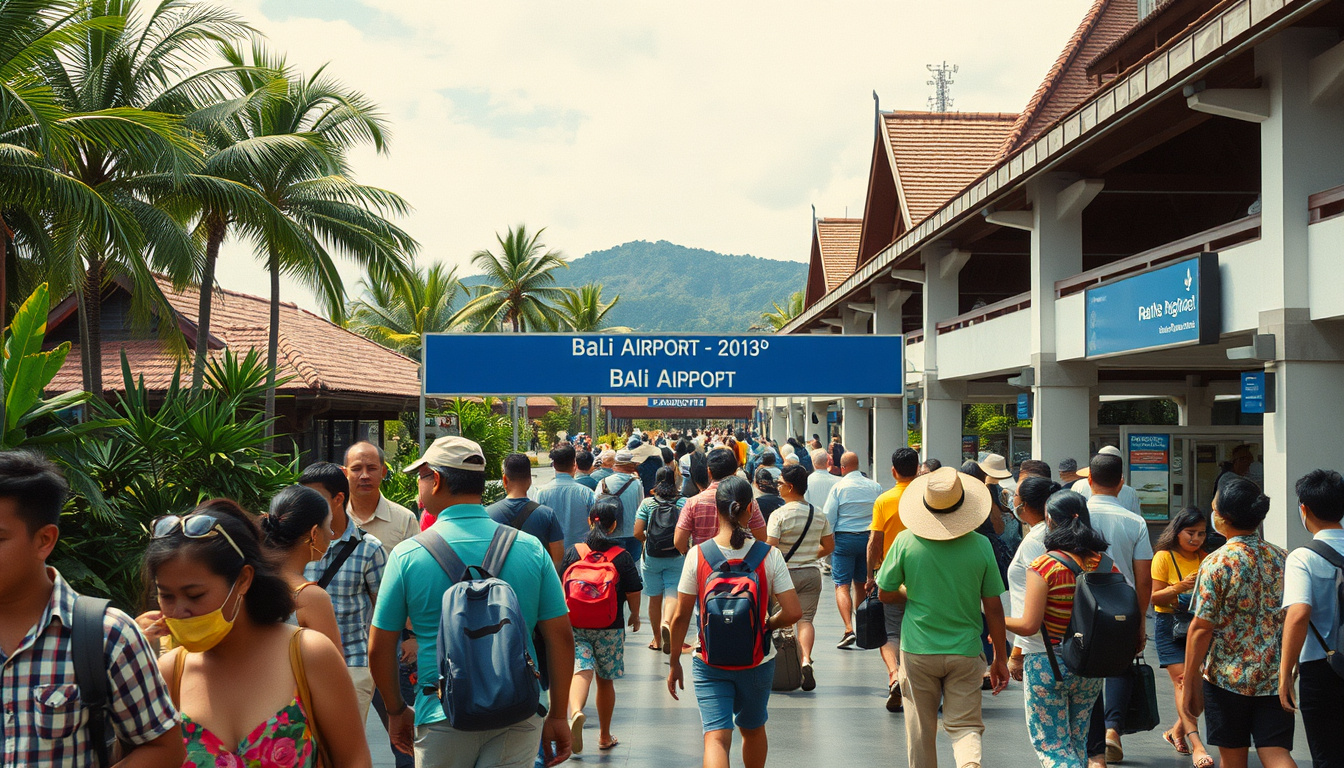
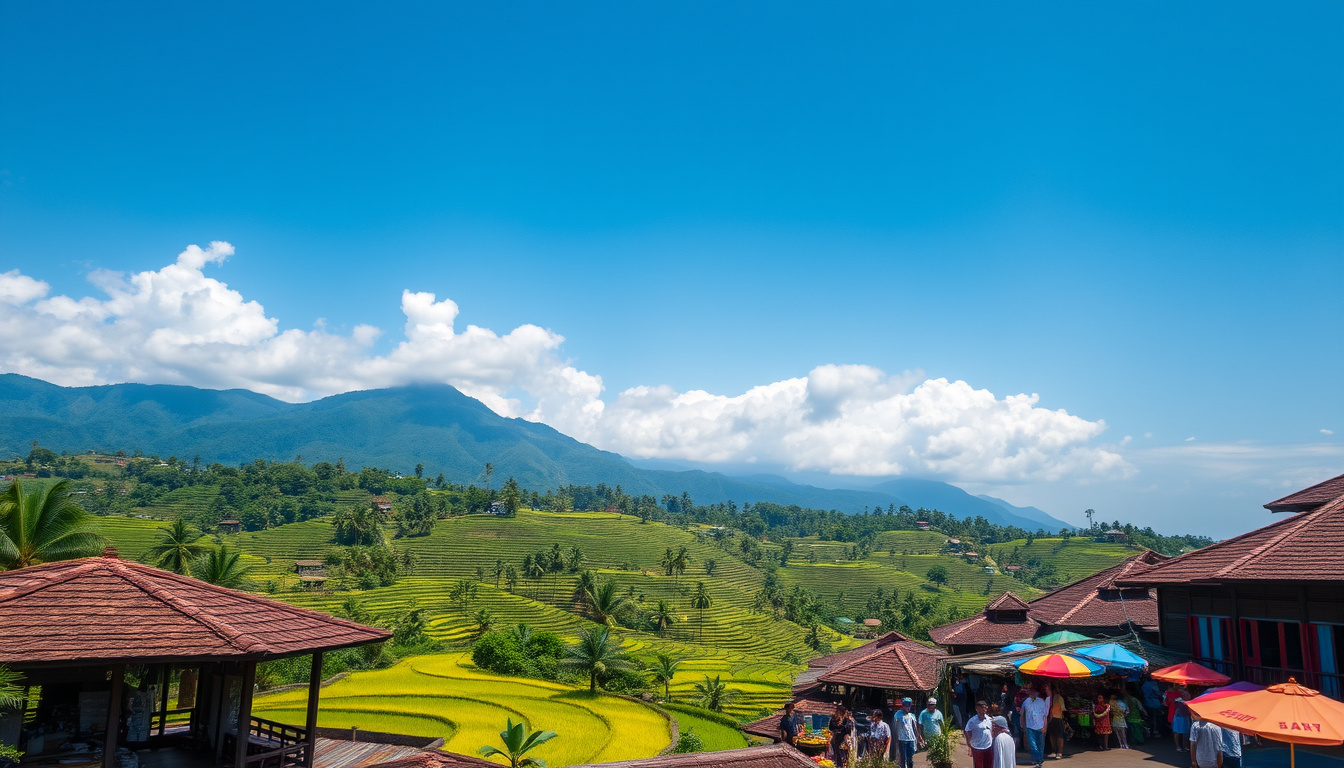
Bali has earned a global reputation as a tropical paradise, famed for its idyllic beaches, verdant jungles, and vibrant cultural scene. However, the island’s popularity has surged to unsustainable heights, attracting more than six million tourists annually before the global pandemic. This influx has placed enormous strain on Bali’s natural environment and social infrastructure, exposing the island to significant risks. Over tourism in Bali is driven by several factors including affordable airfare, visa-free access, the proliferation of budget airlines, and the powerful draw of social media showcasing Instagram hotspots such as Kuta, Ubud, and Nusa Penida.
The Toll on Bali: Environmental, Social, and Cultural Struggles
Despite its allure, Bali is grappling with infrastructural challenges including narrow roads, limited water resources, and inadequate waste management systems. The island’s economy is heavily dependent on tourism, with over half of its economic activity linked directly to visitor spending. This overreliance heightens the risks of economic dislocation should tourism falter or sustainability efforts restrict visitor numbers.
Environmentally, Bali is facing alarming signs of degradation: beaches littered with plastic waste, dwindling water supplies, and coral reefs suffering from bleaching and destruction. Socially, local communities are being pushed out by increasing rents and overcrowding, essentially displacing Balinese people from their traditional neighborhoods. Cultural heritage is under threat as sacred sites have transformed into overcrowded tourist attractions, diminishing their spiritual significance. Traffic congestion, especially in areas such as Canggu and Seminyak, has escalated into hours-long jams that frustrate both residents and tourists.
Grassroots movements like "Bali is Not for Tourists, Bali is for Balinese" have emerged as expressions of local frustration, underscoring the urgent need for reforms. Without effective intervention, this corner of paradise risks losing its unique character and becoming unsustainable for both its residents and visitors.
The Need for Sustainable Tourism Development
The response to over tourism lies in embracing sustainable tourism — a model of development that seeks to balance economic growth with environmental stewardship and socio-cultural integrity. Sustainable tourism development emerged as a countermeasure to the uncontrolled expansion and poor planning associated with mass tourism, which often prioritized monetary gains at the expense of natural and cultural resources.
By adopting sustainable tourism principles, Bali can protect its natural beauty, cultural heritage, and community livelihoods for generations to come. This approach involves ensuring economic benefits are distributed equitably among the local population, improving employment quality, and fostering inclusivity.
Implementing Sustainable Tourism in Bali
Sustainable tourism in Bali can take various forms:
-
Responsible Tourism: Encouraging stakeholders — from government bodies and hotels to local communities and visitors — to engage in practices that enhance destinations rather than degrade them. For example, respectfully visiting landmarks like Pura Agung Besakih.
-
Nature Tourism: Promoting activities in natural settings that conserve ecosystems and support local welfare, such as guided jungle treks in Munduk and visits to the Tirta Empul purification site.
-
Fair and Accessible Tourism: Supporting community-driven tourism initiatives, for instance in Tenganan Pagringsingan and Trunyan Batur villages, to ensure benefits are widespread and destinations are accessible to all types of visitors.
-
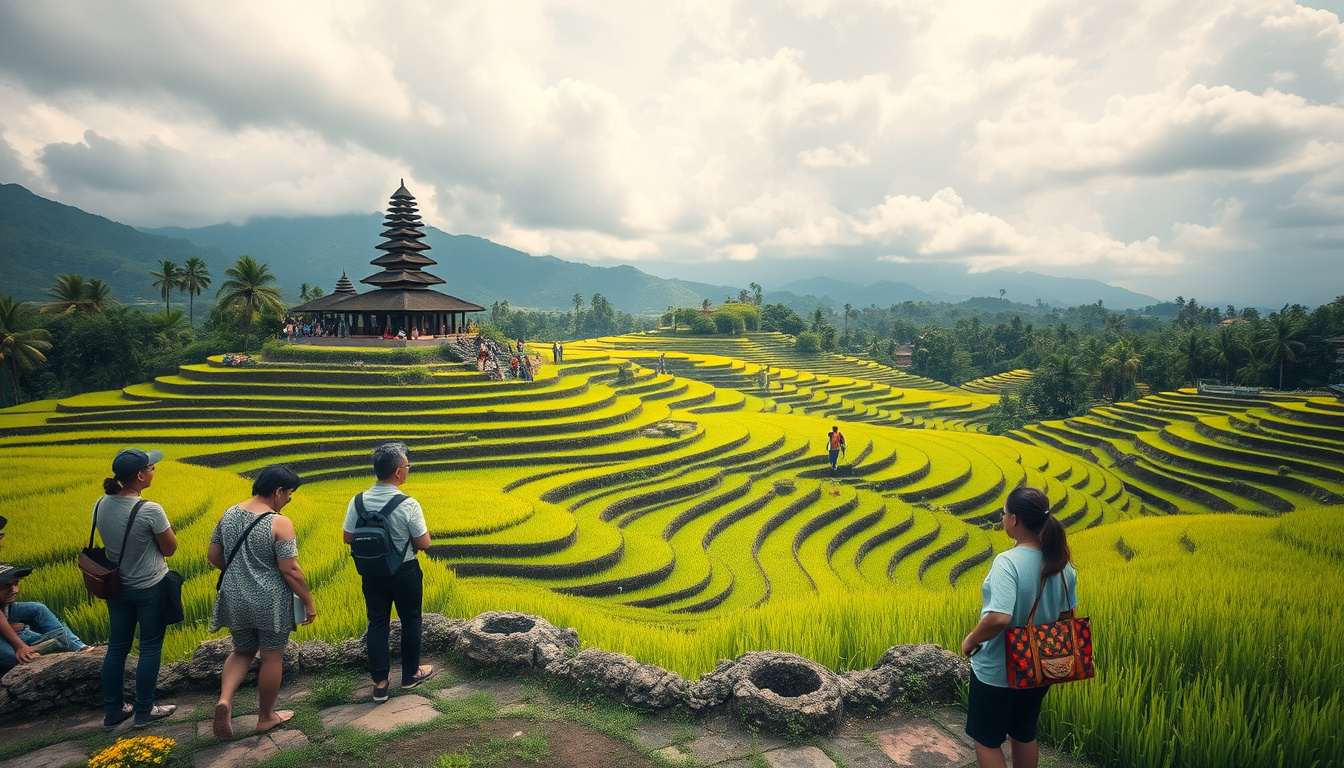
Ecotourism and Green Tourism: Prioritizing environmental conservation through visits to places like Jatiluwih terraced rice fields and West Bali National Park.
-
Agritourism: Connecting tourists with Bali’s agricultural traditions, such as coffee plantation tours in Kintamani that support sustainable farming.
Considerations for the Informal Tourism Economy
A substantial portion of Bali’s tourism workforce operates within the informal sector — street vendors, drivers, masseuses, and artisans who rely daily on tourist spending. Any policy aimed at limiting visitor numbers must consider the livelihood of these vulnerable groups. Without alternatives or support, restrictions could inflict severe economic hardship on these communities.
To address this, experts emphasize the importance of formalizing and upskilling informal workers through vocational training, helping them transition into roles aligned with sustainable tourism, such as ecotour guides or cultural ambassadors. Additionally, enhancing digital literacy enables small businesses to expand their reach through online marketing, reducing dependence on foot traffic.
Creating fair tourism cooperatives can also empower independent workers by pooling resources and improving bargaining power, fostering resilience in Bali’s local economy.
Looking Ahead
Bali’s struggle with over tourism reflects a broader global challenge that requires careful management to protect both cultural treasures and local well-being. Sustainable tourism offers a path to preserving the island’s natural environment, enriching its communities, and maintaining economic vitality. The time to act is now, to ensure that Bali remains not just a travel destination, but a thriving home for its people and an inspiration for travelers worldwide.
For more insights and updates on this critical issue, subscribe to The Jakarta Post’s "Viewpoint" newsletter featuring weekly expert commentary on pressing global and regional topics.



Add a comment