


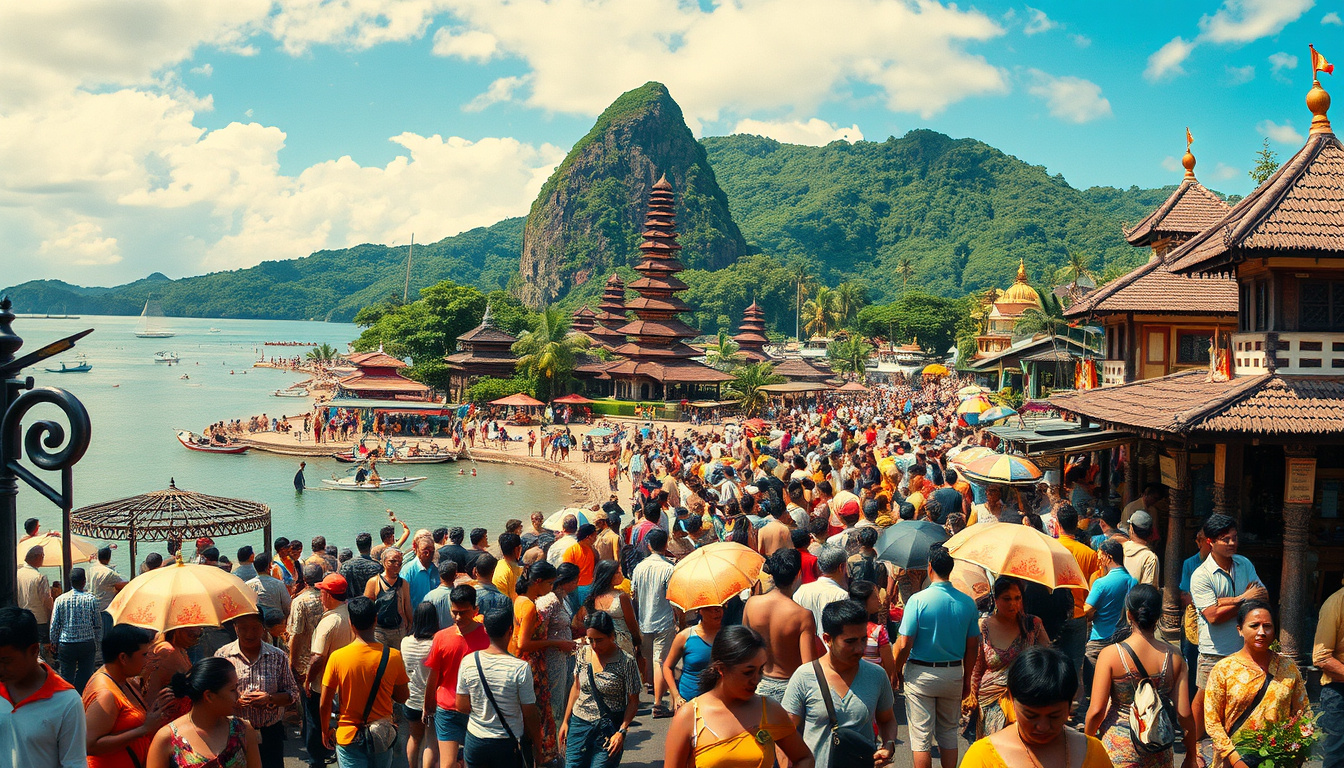

Instagram vs Reality: Bali’s Struggle with Over-tourism and Its Consequences
Bali, the Indonesian island long celebrated as a tropical paradise and spiritual sanctuary, is increasingly facing the challenges of its own popularity. Once known for its tranquil Hindu culture, lush landscapes, and serene spirituality that captured hearts worldwide, Bali now grapples with overcrowding, environmental degradation, and an image problem fueled by social media expectations.
From Dream Destination to Tourist Hotspot
Over the past decade, Bali’s tourism has surged dramatically—from 3.8 million visitors in 2014 to over 6.3 million in 2024, with projections suggesting more than seven million foreign tourists this year alone. This boom is spurred by Bali’s reputation as an affordable luxury retreat, offering everything from beach clubs and high-end villas to spa resorts and surf houses. For many Western visitors, the island represents a blend of exotic culture and contemporary indulgence, an experience widely showcased on platforms like Instagram.
However, social media’s polished images often paint an incomplete picture. Influencers and casual tourists post idyllic scenes—sunset dinners by the beach, photo-ready cafes, pristine waterfalls—but beneath the surface lie crowds, traffic jams, and pollution. This contrast has prompted a wave of “expectations vs reality” complaints online, highlighting a growing disillusionment among travelers.
Visitors’ Experience: Disillusionment and Frustration
Zoe Rae, a British tourist, expressed her disappointment during a recent visit. Filming from her hotel room, she lamented that the reality of Bali did not match the idyllic experience she had anticipated from social media. She notably cut short her vacation, flying to Dubai to continue celebrating her wedding anniversary instead. Though Rae did not provide specific details, her experience resonates with many who arrive expecting paradise and find congestion, noise, and litter instead.
Instagram posts increasingly reveal crowds lined up at popular sites, pollution near once-pristine beaches, and traffic gridlocks that belie the island’s tranquil reputation. Bamboo smoothie straws and eco-conscious cafes stand in stark contrast to the soot-spewing motorcycles stuck in jammed roads.
Environmental and Social Impacts
The rapid pace of construction and tourism development has put significant strain on Bali’s environment and infrastructure. The island recently suffered rare floods that claimed more than a dozen lives, an event officials linked to poor waste management and unchecked urban growth.
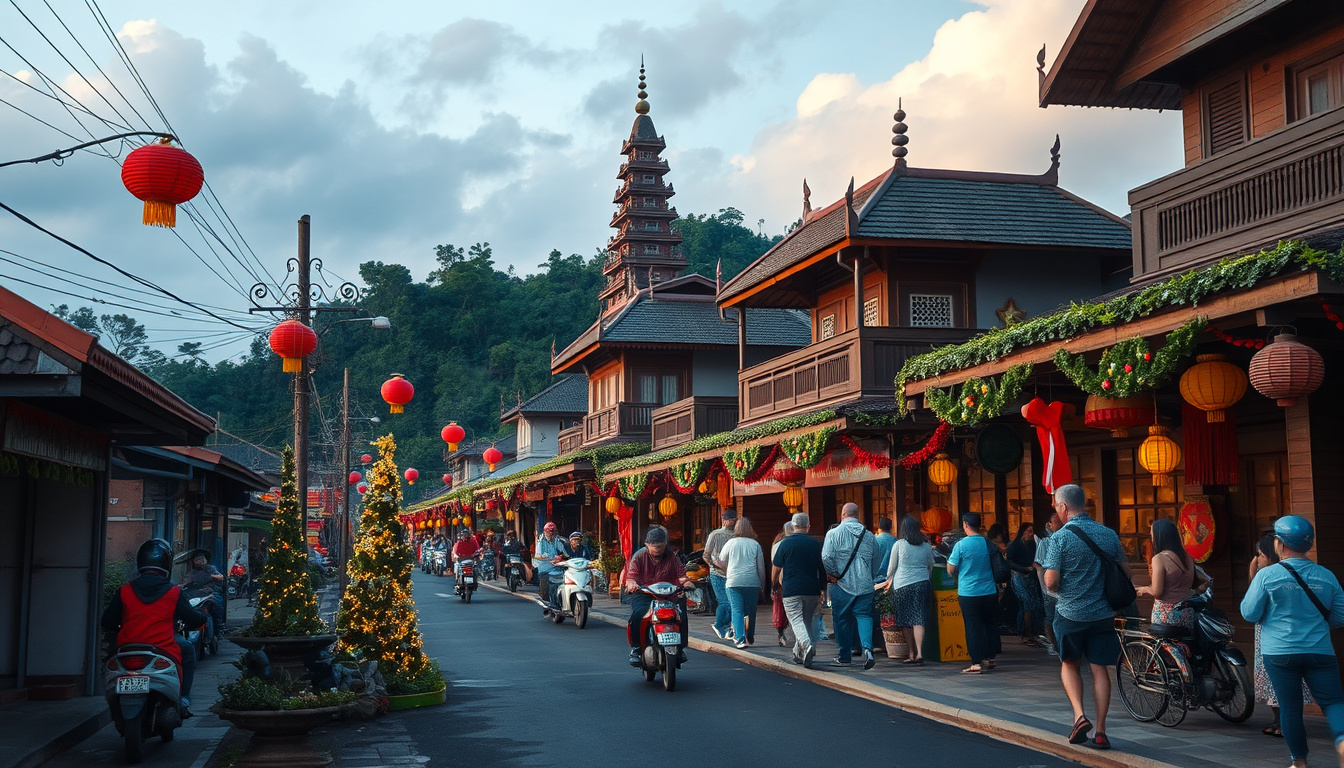
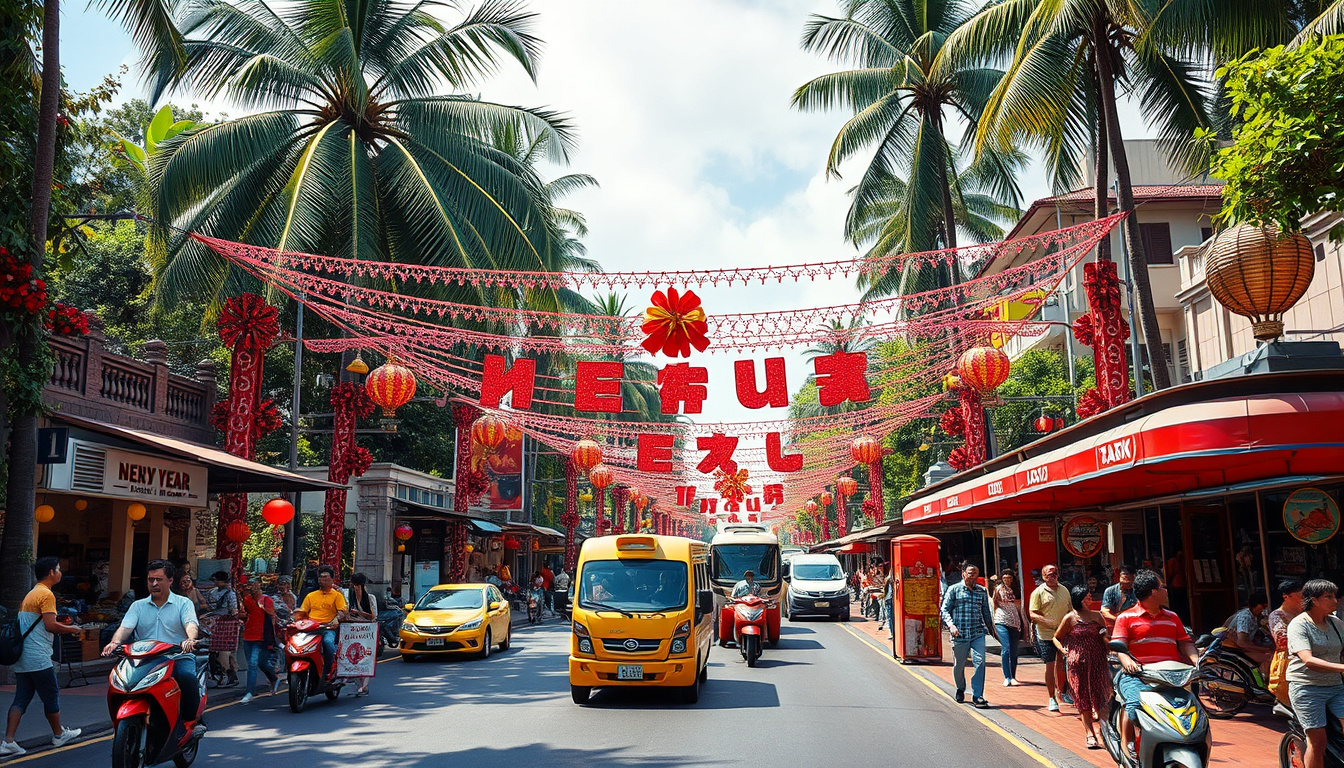
Traffic congestion worsens daily, especially in once-quiet areas like Canggu. Once surrounded by peaceful paddy fields, this coastal town has become congested with vehicles and lined with cafes, villas, and construction sites. Locals like Ni Kadek Sintya, a 22-year-old wellness resort employee, recount how the changes evoke sadness and a sense of loss for the island’s former tranquility.
Cultural and Community Concerns
Bali’s rich cultural heritage, rooted in Hindu traditions and deep respect for nature, is overshadowed by the influx of tourists focused on trendier, Westernized experiences. Locals and long-time residents caution against limiting visits to only Instagrammable hotspots, urging visitors to explore beyond the superficial and engage with the island’s spiritual and cultural depth.
Researcher I Made Vikannanda highlights the irony of tourists complaining about overcrowding while contributing to it. “When tourists say they are disappointed with Bali being more crowded, they are also part of the crowd,” he notes, pointing out the collective responsibility in the island’s current predicament.
Recent Tensions and Local Response
The massive rise in tourists has not only changed the physical landscape but also strained social dynamics. Misbehavior by some visitors—such as intoxicated scooter rides, disrespect at sacred sites, and public brawls—has sparked public outrage and even deportations. The recent arrival of thousands of Russians and Ukrainians fleeing conflict in their home countries has introduced new complexities, with authorities warning of increased criminal activity linked to these groups.
Nevertheless, Bali’s community remains cautious in its response. Many, like Sintya, depend on tourism for their livelihoods and fear the economic consequences of a sudden downturn. “If we stop tourism, what will we survive on?” she asks, reflecting a community caught between preserving their home and sustaining their economy.
Looking Forward: Attempts at Sustainable Tourism
In response to growing concerns, Bali’s local government has announced restrictions on new construction to limit further development. Advocates like Vikannanda believe that with controlled growth and community engagement, the island can still achieve a balance between development and environmental harmony.
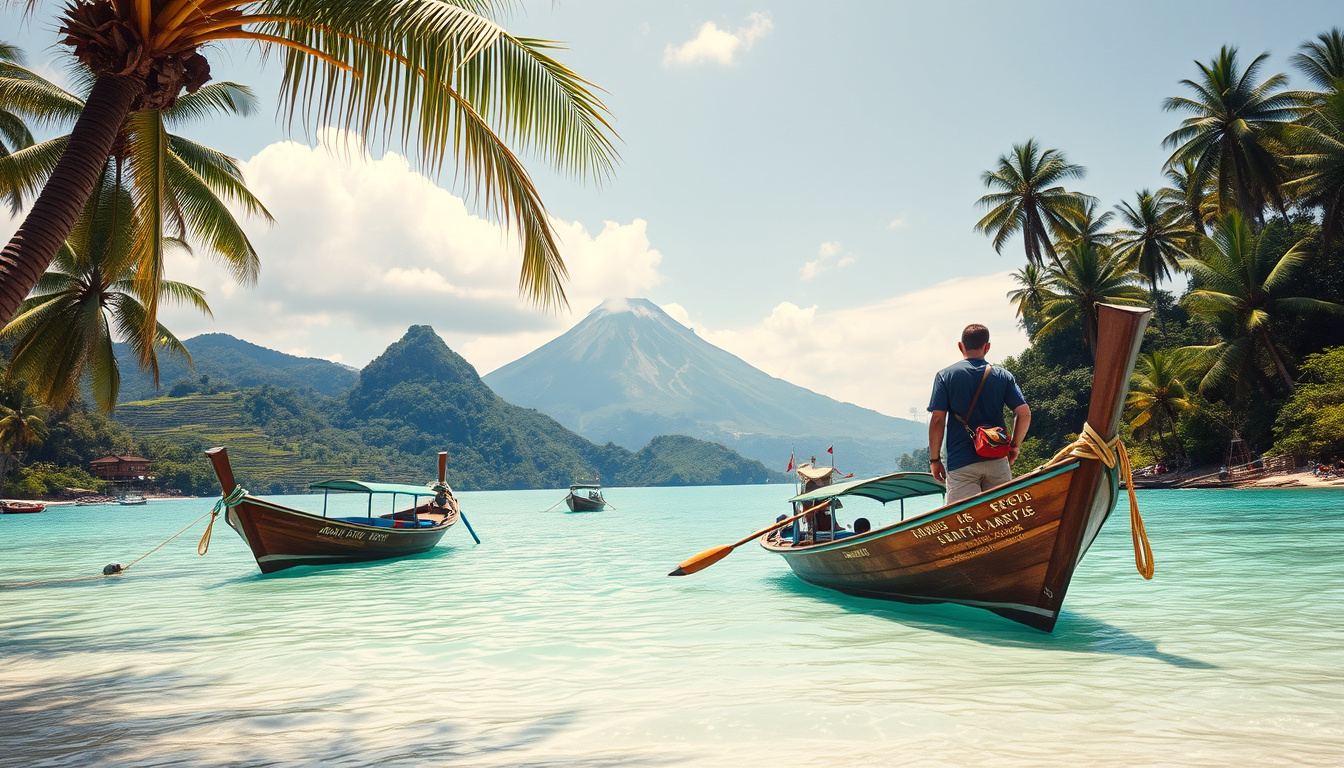
Travel experts and residents alike emphasize that Bali’s essence remains intact for those willing to look beyond the tourist traps. The island’s natural beauty—from dolphin-watching excursions and diving spots to the peaceful northern landscapes—offers experiences far removed from the crowded south.
Ultimately, Bali’s path forward depends on a collective effort: responsible tourism, sustainable development, and deeper cultural appreciation. Only then can the island hope to preserve its title as the “last paradise” amid evolving global pressures.



Add a comment