






Indonesia’s Bali Faces Urgent Call to Protect Its Lush Landscapes and Cultural Heritage Amid Rapid Tourism Development
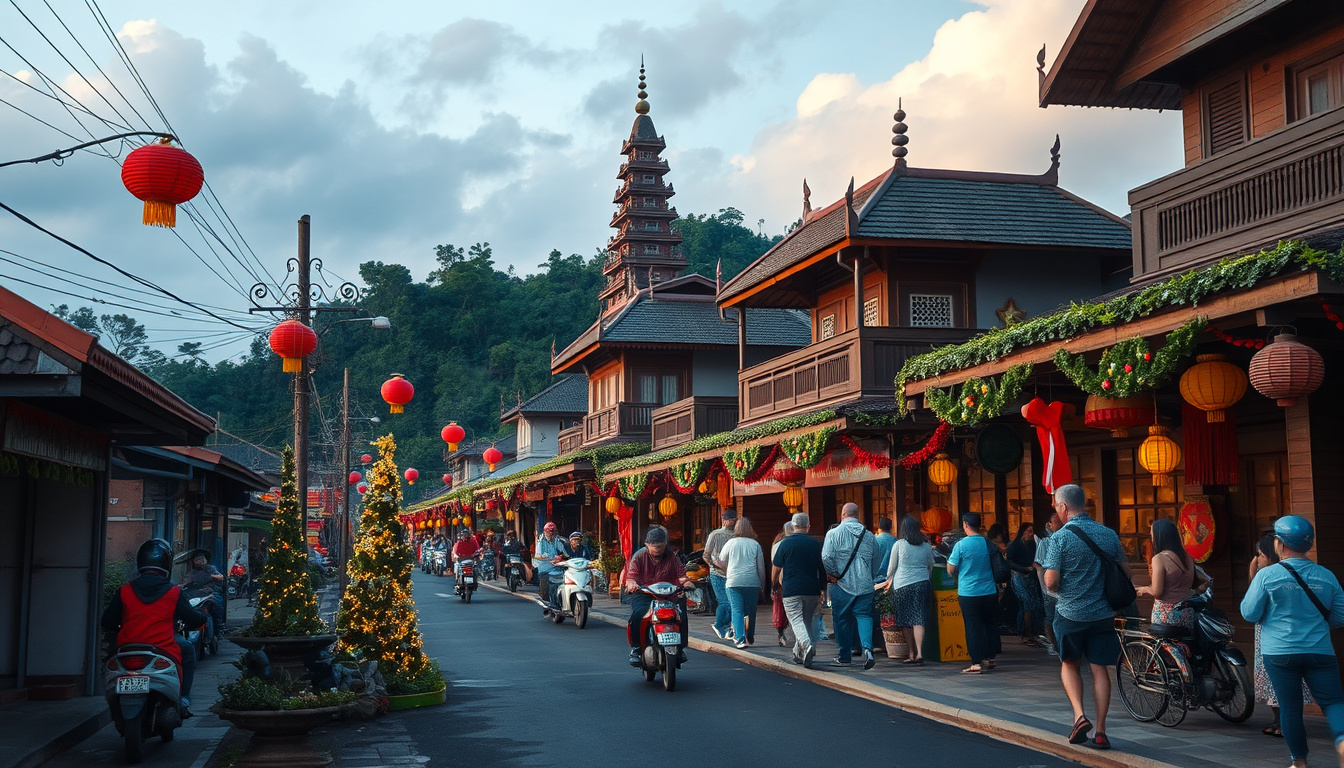
Bali, Indonesia — The world-renowned island of Bali stands at a critical crossroads as rapid tourism expansion threatens its iconic green landscapes and invaluable cultural heritage. Environmental experts and cultural preservationists are raising alarms about accelerating development pressures that risk eroding the very heart of Bali’s natural beauty and unique traditions.
Tourism Boom Puts Bali’s Environment and Culture Under Strain
For decades, Bali has captivated travelers with its breathtaking scenery, vibrant cultural practices, and warm hospitality, becoming a global tourism hotspot. However, the surge in tourist arrivals and infrastructure development, particularly along the island’s coastlines, has intensified strain on environmental and cultural assets.
Popular areas such as Kuta, Seminyak, Canggu, and Uluwatu have witnessed significant growth in resorts, commercial projects, and luxury accommodations. While this growth bolsters the local economy, experts warn that the unchecked pace of expansion endangers Bali’s lush forests, mountains, rivers, and wildlife habitats.
Environmental Challenges Linked to Rapid Urbanization
The urban sprawl, especially in coastal districts, contributes to various environmental concerns including deforestation, water resource depletion, and soil erosion. Bali’s forests — critical in supporting biodiversity and regulating water supplies — are increasingly threatened by ongoing construction and agricultural development efforts.
Moreover, the island’s sacred natural environments are at risk. Traditional villages, historical temples, terraced rice fields, and protected forests are integral to Bali’s cultural identity, yet face encroachment from infrastructure projects. These natural and cultural elements have played a central role in sustaining the island’s uniqueness and appeal.
Policy Efforts and Gaps in Protection
In response, authorities have drafted a policy aimed at protecting forests and upstream ecosystems vital to ecological balance. While several regencies including Tabanan, Jembrana, Buleleng, Bangli, Karangasem, and Klungkung have endorsed this initiative, the critical Badung Regency — encompassing Bali’s busiest tourist hubs — has yet to adopt these protective measures fully.
Bali’s governor acknowledged in mid-2025 that the current policy framework falls short of addressing pressures in heavily developed regions, highlighting a significant gap at the heart of tourism activity.
Balancing Economic Growth with Sustainability
Tourism remains a cornerstone of Bali’s economy, providing employment, fostering entrepreneurship, and elevating livelihoods. Still, unchecked development risks undermining the natural and cultural foundations that attract visitors.
Traditional agricultural landscapes such as the UNESCO-recognized rice terraces, supported by the centuries-old Subak irrigation system, face encroachment from expansion projects. The disappearance of traditional villages and loss of cultural sites threatens the island’s heritage and the way of life for local communities dependent on farming, fishing, and crafts.
The Case for Sustainable Tourism and Integrated Management
Preserving Bali’s environment and culture is not merely an ecological or cultural imperative but also an economic necessity. As global tourist preferences shift towards sustainable and eco-conscious travel, Bali’s capacity to maintain its green spaces and cultural authenticity will influence its competitive standing.
While initiatives in eco-tourism, organic farming, and heritage conservation have started gaining traction, experts emphasize the need for island-wide, coherent policies and robust enforcement mechanisms to ensure that development and conservation progress in harmony.
The Human Dimension: Protecting Livelihoods and Local Well-being
The preservation of Bali’s environment also safeguards the welfare of its residents, many of whom rely on its natural resources for their livelihoods. Protecting green landscapes ensures continued access to farming land, clean water, and cultural traditions, all crucial to sustaining local communities.
A Call to Action for Bali’s Future
As Bali faces unprecedented development pressures, the window to restore balance between growth and preservation is narrowing. Experts urge Bali’s leaders to adopt stronger, inclusive policies safeguarding the island’s green landscapes, cultural sites, and traditional practices.
By embracing sustainable tourism principles and integrated environmental governance, Bali has the potential to set a global example where economic development supports rather than diminishes natural and cultural wealth.
The stakes are high: the future vibrancy of Bali’s tourism industry, the survival of its cultural heritage, and the quality of life for its people hang in the balance. Immediate and decisive action is essential to ensure Bali remains a treasured destination for generations to come—one where natural beauty and cultural richness continue to thrive alongside responsible development.



Add a comment