



Instagram vs Reality: Bali’s Rising Tourism Challenges Threaten Island’s Charm
By Koh Ewe, Singapore, and Ade Mardiyati, Bali
27 September 2025
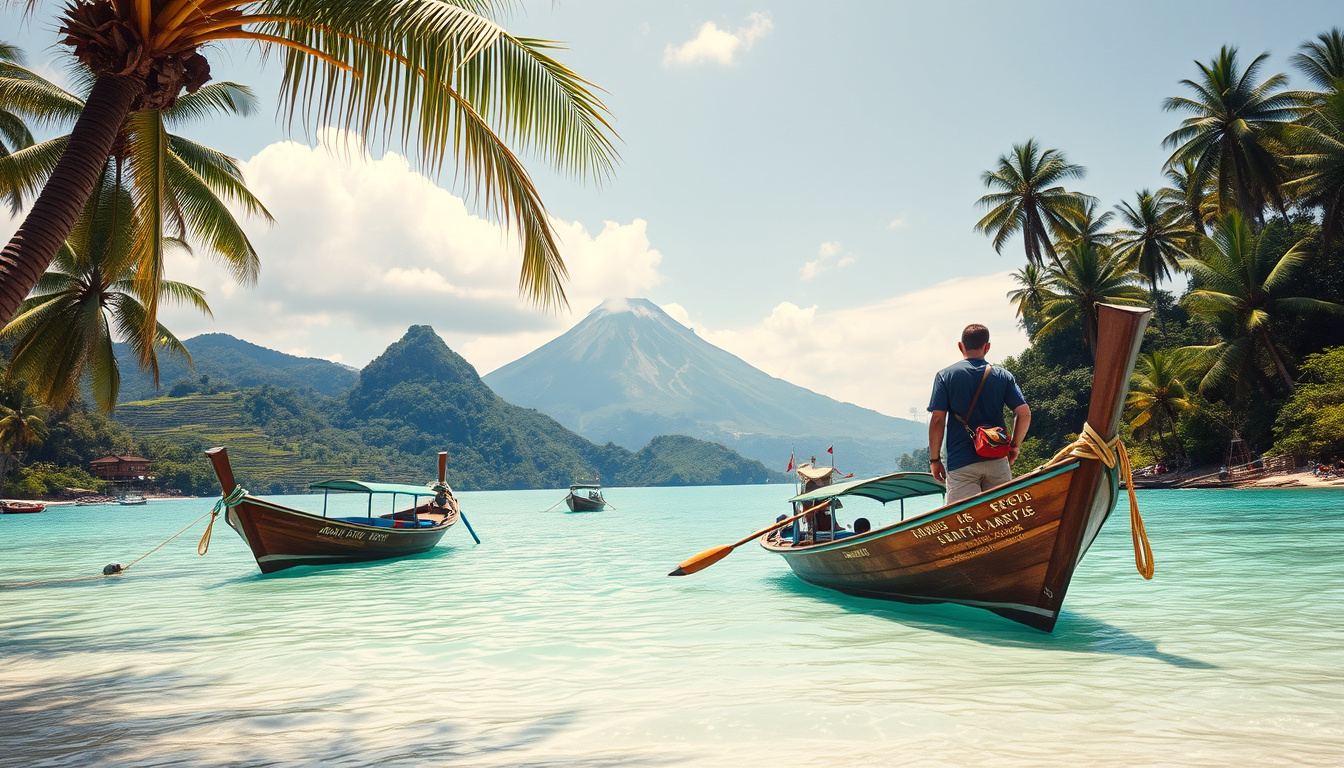
Bali, the Indonesian tropical paradise beloved by tourists worldwide, is grappling with the stark contrast between its idealized image on social media and its evolving reality. Once renowned for serene beaches, spiritual sanctuaries, and lush landscapes, the island is increasingly marked by overcrowding, pollution, and strained infrastructure—a victim of its own success.
The Illusion Shattered
Many visitors arrive in Bali with high expectations heavily shaped by Instagram and other social media platforms showcasing flawless beachfront cafes, pristine waterfalls, and world-class luxury accommodations. But the reality facing tourists can be disheartening. British influencer Zoe Rae, who recently shared her disappointment in a YouTube video from her hotel room, revealed a growing unease since arriving, citing a noticeable gap between expectation and experience. Although she didn’t elaborate on her observations, the disillusionment was strong enough to prompt her to cut short her Bali stay and continue celebrations elsewhere.
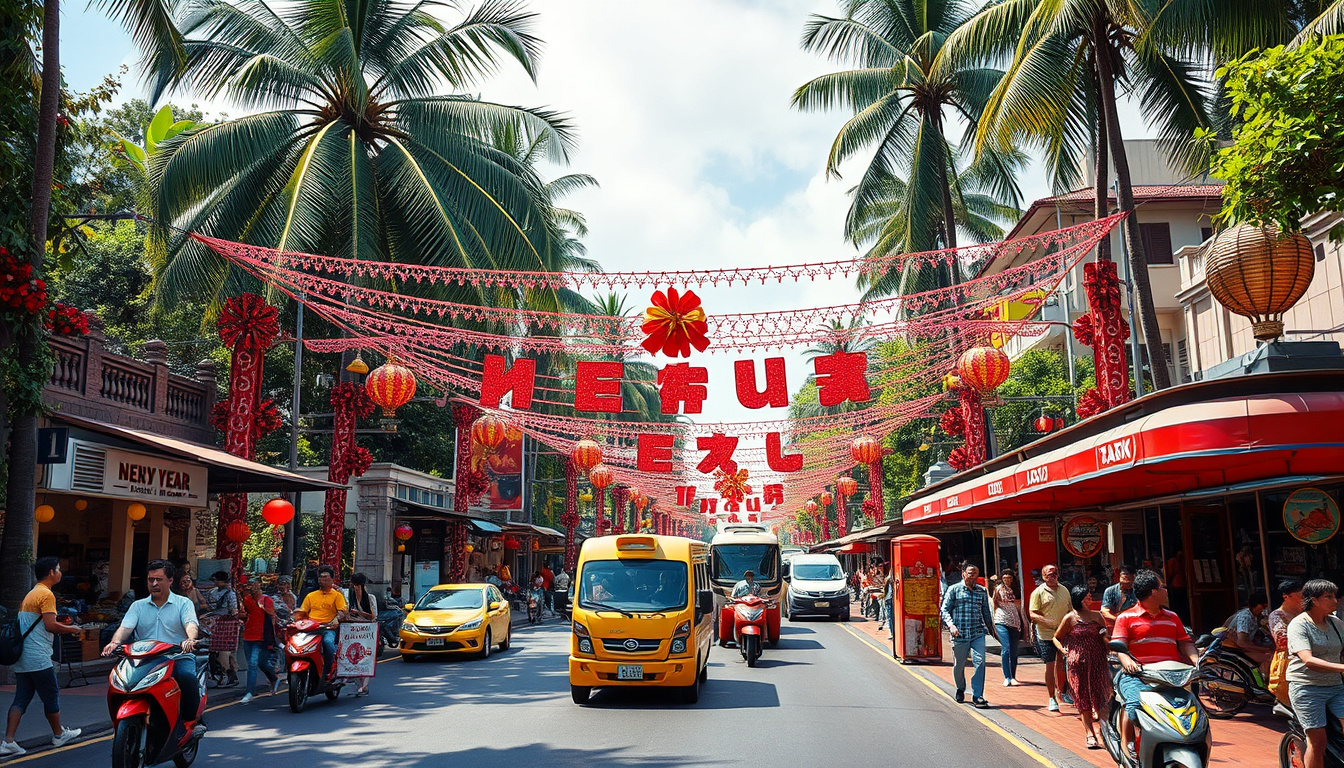
Common social media posts have captured this disparity: picturesque sunset dinners marred by nearby trash, crowded popular photo spots, and traffic-clogged streets with pollution masking Bali’s natural beauty. This overcrowding stems from an explosive rise in tourism—from 3.8 million visitors in 2014 to over 6.3 million in 2024—with a record expected in 2025 exceeding seven million arrivals.
Crowds, Congestion, and Environmental Strain
Bali’s popularity has led to serious challenges. The island’s infrastructure struggles to handle the influx, with increased traffic jams, overdevelopment, and declining waste management. This year’s rare floods, which tragically claimed over a dozen lives, were partially attributed to poor urban planning and waste disposal issues, highlighting the environmental consequences of rapid expansion. In response, local authorities have pledged to restrict new construction projects, although critics say these measures may be too late to reverse extensive damage.
From Spiritual Haven to Tourist Playground
Historically, Bali was seen as a spiritual sanctuary with deep-rooted Hindu traditions and a strong connection to nature. The landscape and culture inspired Western adventurers throughout the 20th century, nurturing the island’s myth as a Utopian retreat. Travel writer Gisela Williams reflects on Bali’s transformation, noting how, in recent decades, the island’s allure has shifted toward luxurious beachfront clubs, surf houses, and nightlife, with Western tourists seeking an affordable yet opulent lifestyle.
“The Balinese Hindu culture created this myth of the place,” says Williams, “but now social media shows a superficial glimpse—just a picture, and then people come here without a deeper understanding.”
Beyond the Tourist Spots: A Richer Bali Awaits
Voices from within the local and expatriate community caution against dismissing Bali due to overcrowding in popular areas. British content creator Hollie Marie, who resides on the island, emphasizes that focusing solely on Instagrammable spots risks missing Bali’s cultural richness and natural beauty, such as dolphin-watching, diving, and peaceful northern forests.
Canny Claudya, who relocated from Jakarta to Bali, agrees: “If you think Bali is overcrowded, you are probably not in the right places.” Many agree that Bali offers much more than the busy southern beaches and party hubs.
The Cost of Tourism on Local Life
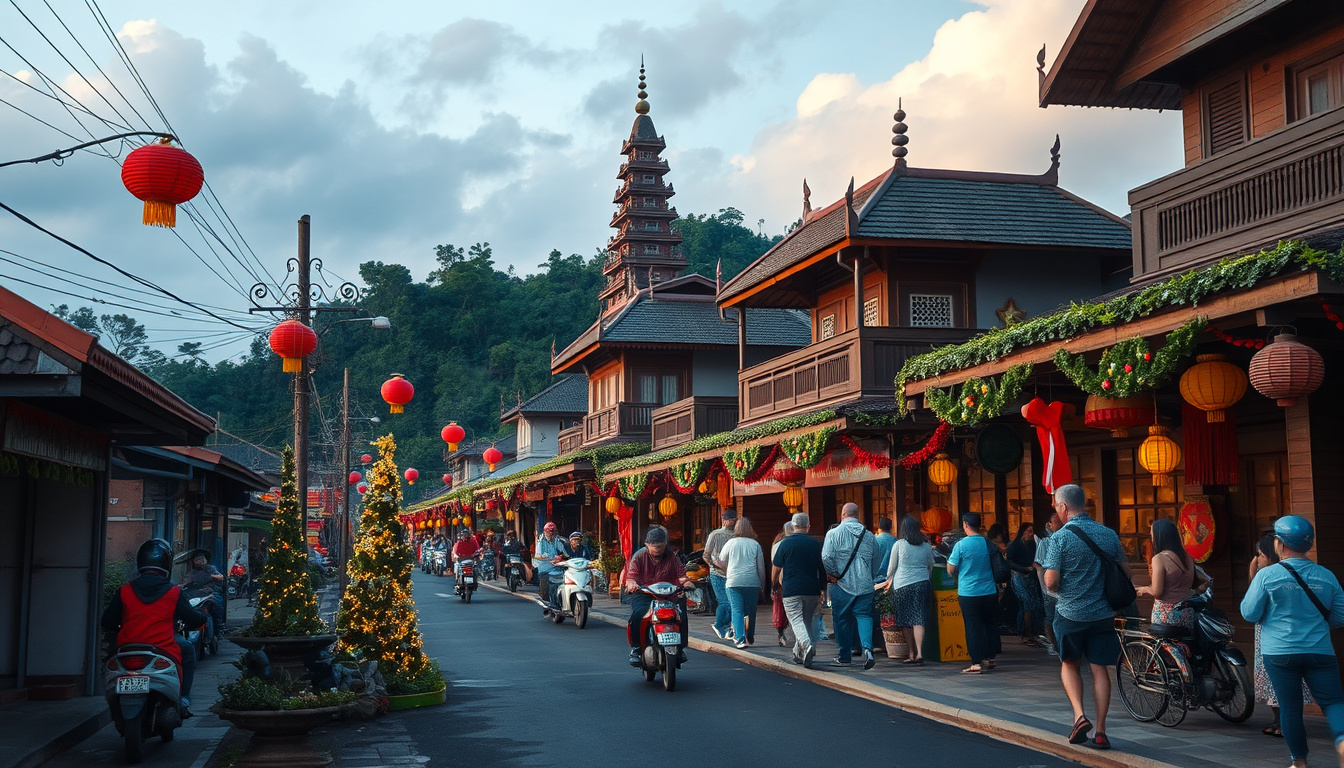
For many Balinese, the rapid growth of tourism has brought mixed feelings. Increased traffic, ongoing construction, and rising living costs have changed once-quiet neighbourhoods like Canggu, which has evolved from a sleepy fishing village into a bustling hotspot filled with villas, cafes, and gyms. Young local Ni Kadek Sintya shares a sense of loss: “There was a time I’d stop by paddy fields on my scooter. Now, with traffic and noise, it feels like Bali is being eroded day by day.”
Despite frustrations, many locals depend heavily on tourism for livelihoods. Sintya notes, “It can feel like I’m trapped because if tourism stops, how will we survive?”
Social Tensions and Tourism’s Dark Side
Tourist misbehaviour has further complicated the situation. Recent incidents involving intoxicated scooter accidents, inappropriate conduct at sacred sites, and violent altercations have attracted negative attention and fueled resentment. The arrival of thousands of Russians and Ukrainians fleeing conflict at home has also raised concerns over criminal activities, according to Indonesia’s National Narcotics Agency.
At the same time, the Balinese hospitality remains resilient, though there is growing frustration with tourists assuming privileges based on their spending power.
Looking Ahead: Managing Growth and Preserving Paradise
Experts like researcher I Made Vikannanda argue that tourists themselves contribute to the overcrowding problem: “When people complain about traffic, they are also part of the traffic.” He advocates for more responsible tourism and better urban planning to protect Bali’s natural and cultural heritage.
While there are plans to slow construction and spread visitors to less crowded areas like northern Bali, these solutions carry risks of overdevelopment in those new destinations. The challenge lies in balancing tourism’s economic benefits with sustainable environmental and cultural preservation.
Bali’s story serves as a cautionary tale of an idyllic destination grappling with modern tourism pressures—a reminder that paradise can sometimes be eroded by its own popularity. The way forward depends on collective responsibility from visitors, locals, and policymakers to ensure Bali’s future as both a vibrant community and a place of remarkable beauty.



Add a comment