






New Toll Road Proposed to Connect Iconic Bali Tourism Destinations with Emerging Vacation Hotspots
Bali’s persistent traffic congestion, especially on routes from Denpasar to Gilimanuk and popular tourist areas like Uluwatu and Ubud, has long been a challenge for both locals and visitors. In response, Indonesian officials are revisiting plans to build a new toll road aimed at easing travel times and stimulating balanced regional development across the island.
Background and Project Revival
The idea for a north-south toll highway first surfaced in 2024, when Indonesia’s then Minister of Tourism, Sandiaga Uno, disclosed that a tender for the highway project was scheduled for 2025. He emphasized the goal of drastically reducing travel times, sharing in a September 2024 statement that the toll road could cut the journey to North Bali down to approximately 90 minutes.
Despite limited public discussion in the months that followed, interest in the project has resurfaced as the end of 2025 approaches. Newly elected Tourism Minister Widiyanti Wardhana echoes her predecessor’s commitment to developing North Bali as a premier tourist destination, highlighting the critical importance of overcoming travel distance and accessibility barriers.
Strategic Importance to North Bali’s Development
The proposed North Bali Toll Road is strategically aligned with Indonesia’s broader tourism infrastructure plans, including the development of the North Bali Airport—a project championed by President Subianto Prabowo during his current term. This infrastructure synergy aims to foster equitable growth beyond the already well-established southern tourist hubs by making northern regions more accessible.
Local political figures such as Gede Sumarjaya Linggh, a vocal advocate for northern Bali’s growth, support the toll road initiative. Linggh argues that concentrating development mainly in Badung and Denpasar has exacerbated regional inequality, limiting employment opportunities in northern and eastern Bali and forcing labor migration southward.
Proposals for Enhanced Connectivity and Economic Impact
Linggh has also called for a reconsideration of existing plans for the Gilimanuk-Mengwi Toll Road. He suggests rerouting the project through northern points such as Seririt and Soka, potentially transforming it into the Gilimanuk-Seririt-Soka-Denpasar Toll Road. This would not only alleviate traffic but also bolster the viability of small and medium-sized enterprises (MSMEs) along the northern corridor, which currently face challenges due to limited infrastructure and market access.
He cautions that maintaining the original route could jeopardize the survival of these local businesses, emphasizing that toll road projects should align with Detailed Spatial Planning (RDTR) maps identifying underdeveloped areas in need of investment. By focusing development budgets on these lagging regions, Bali can achieve more balanced and inclusive growth, rather than relying solely on the increasingly saturated south.
Addressing Seasonal Traffic Challenges
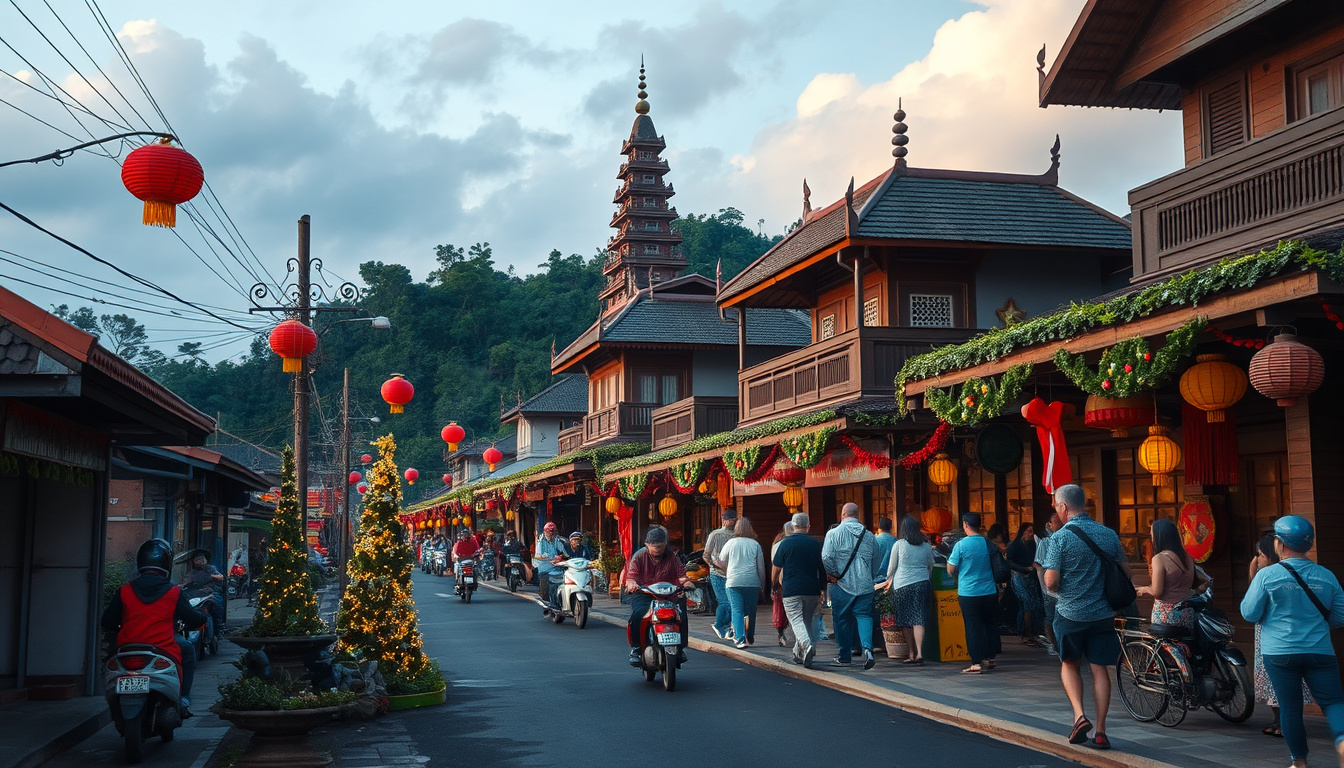
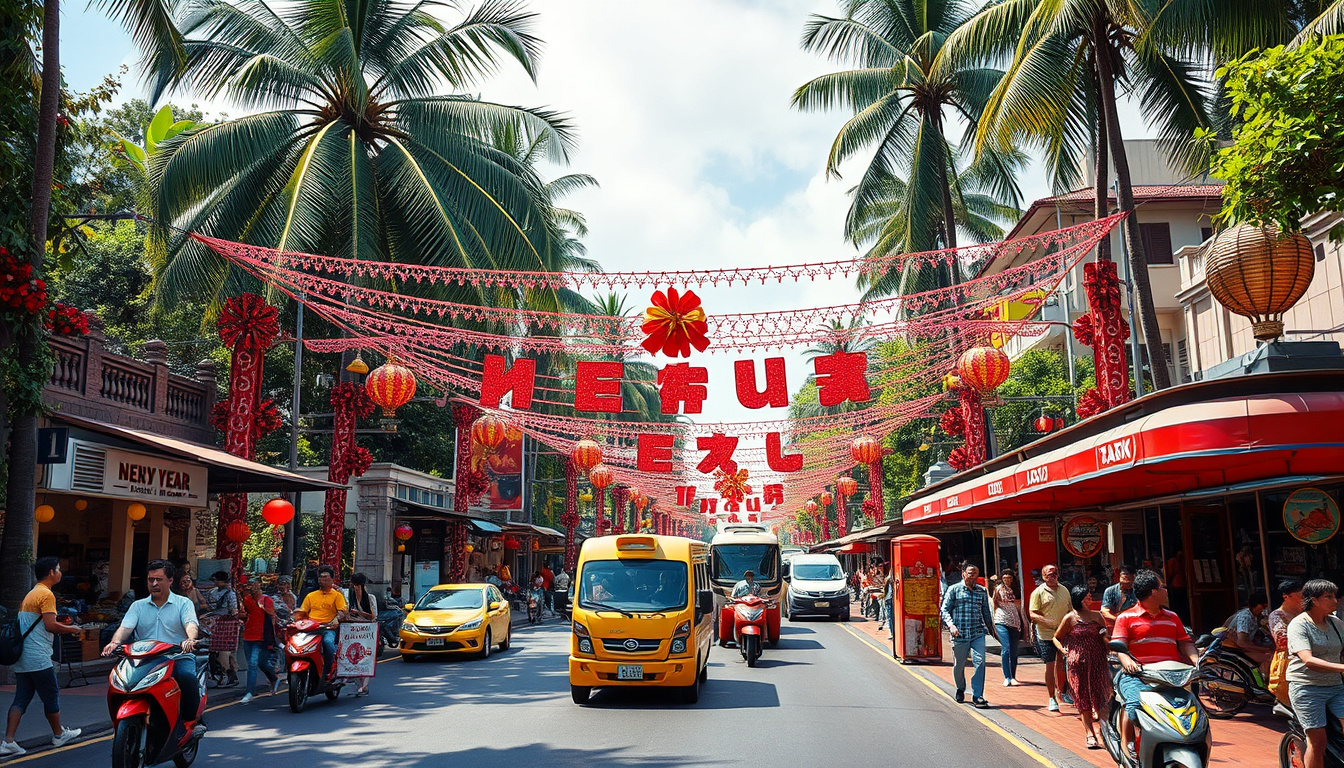
The need for improved transportation networks is particularly urgent during peak tourist seasons, such as the Christmas and New Year period, when congestion intensifies. Authorities in Badung Regency have ramped up traffic management efforts. Anak Agung Ngurah Rai Yuda Darma, head of the Badung Transportation Agency, highlighted the importance of coordination among stakeholders to ensure smooth traffic flow for both domestic and international tourists during this busy time.
Looking Ahead
As Bali continues to attract growing numbers of visitors while striving for sustainable development, the proposed toll road represents a critical infrastructure investment. By connecting Bali’s iconic southern tourist sites with emerging northern hotspots, the project promises to enhance accessibility, reduce travel times, and support economic growth across the island’s more isolated regions. With renewed public discussion and political backing at the close of 2025, the island’s future transportation landscape looks poised for significant transformation.



Add a comment