



Instagram vs Reality: Bali Grapples with the Consequences of Its Tourism Boom
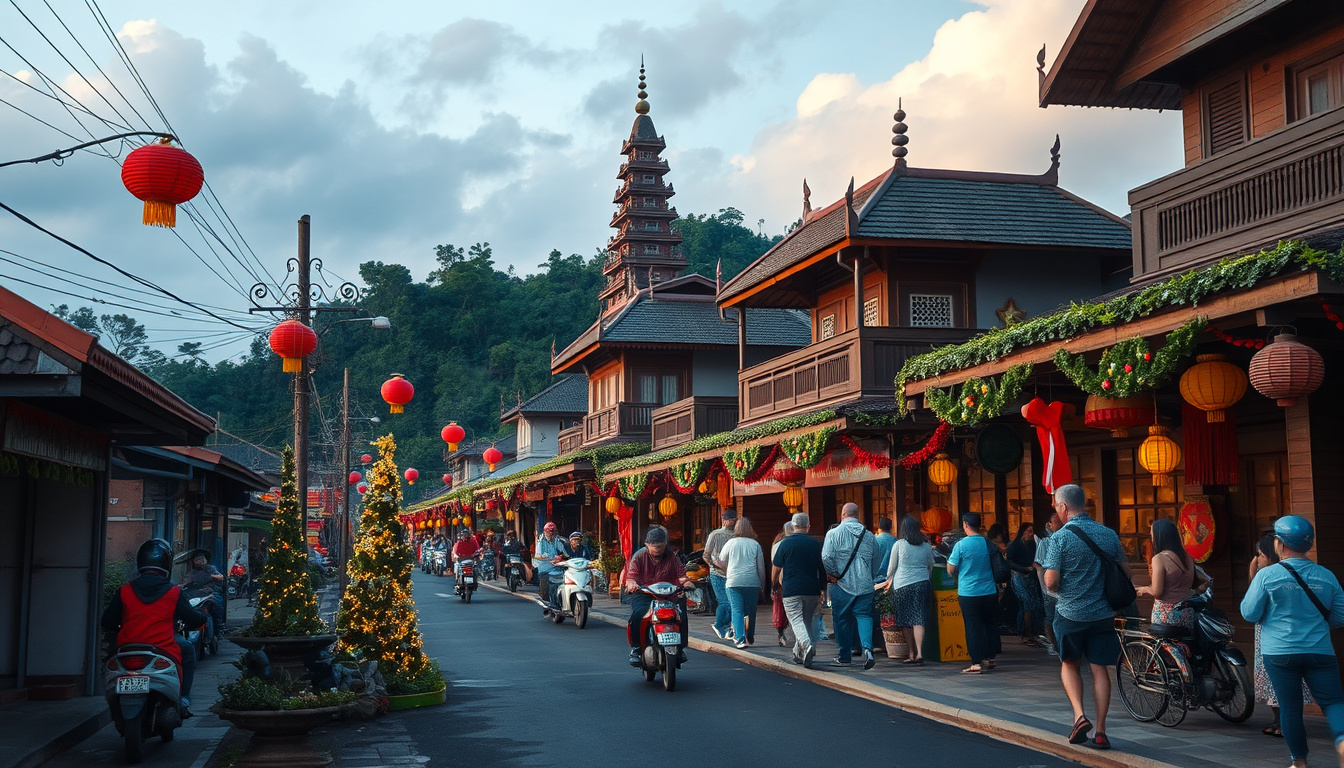
Bali, Indonesia, long celebrated as a tropical paradise, is facing growing challenges as a result of its newfound popularity among tourists and social media influencers. What was once a tranquil island known for its rich culture and natural beauty is increasingly becoming a victim of its own success, with the realities on the ground contrasting sharply with the idyllic images often shared online.
The Social Media Illusion
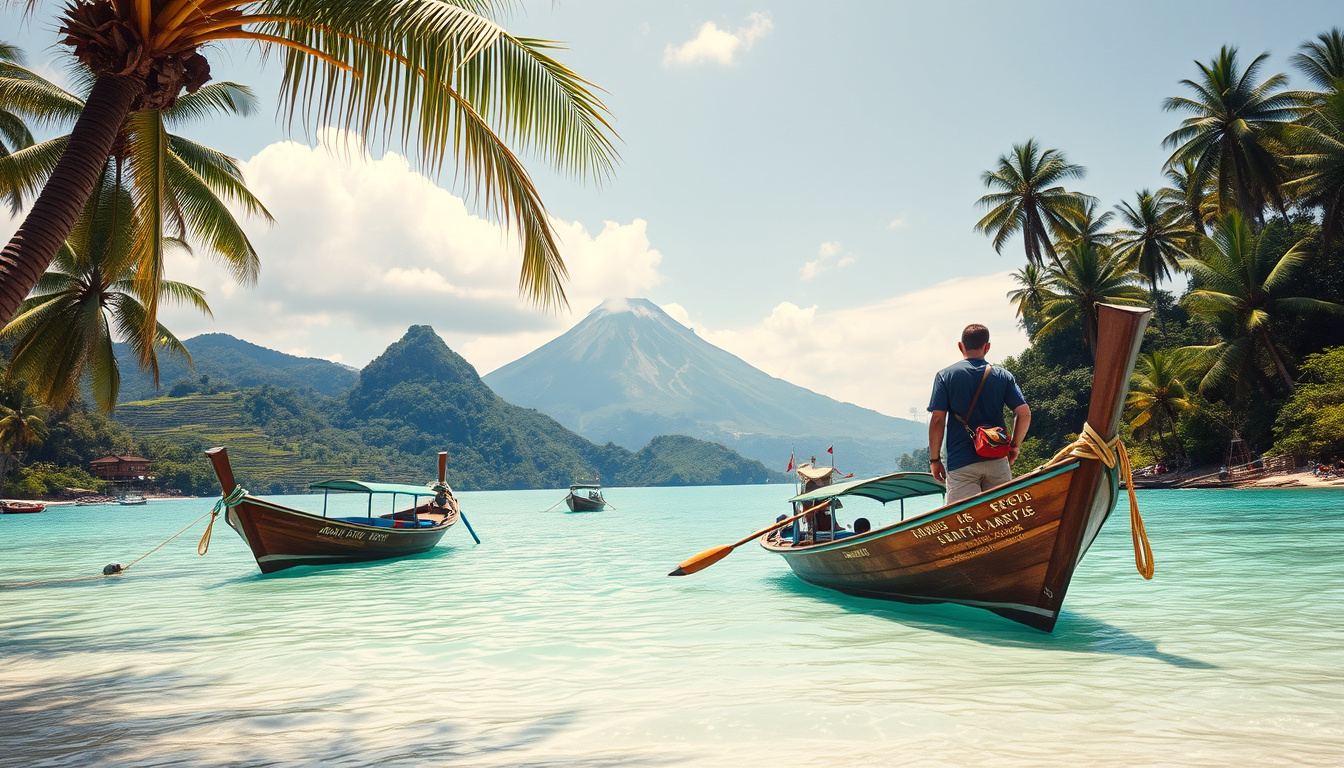
Many visitors arrive on the island with high expectations, fueled by Instagram posts depicting serene beaches, picturesque cafés, and stunning sunsets. However, this "Instagram vs reality" disconnect is causing disappointment for some tourists. British traveler Zoe Rae recently expressed her disillusionment in a widely viewed YouTube video, describing how the idealized scenes she saw on social media failed to match her experience on arrival, prompting her to abruptly leave Bali for Dubai.
Numerous social media accounts highlight the stark contrast: glamorous shots at beachside restaurants are paired with images of rubbish-strewn paths; idyllic waterfall snapshots conceal long queues of tourists; smoothie selfies are juxtaposed with congested traffic filled with motorcycles emitting soot. This growing disconnect reflects Bali’s struggle to balance its image as a spiritual Shangri-La with the pressures of mass tourism.
A Paradise Overwhelmed
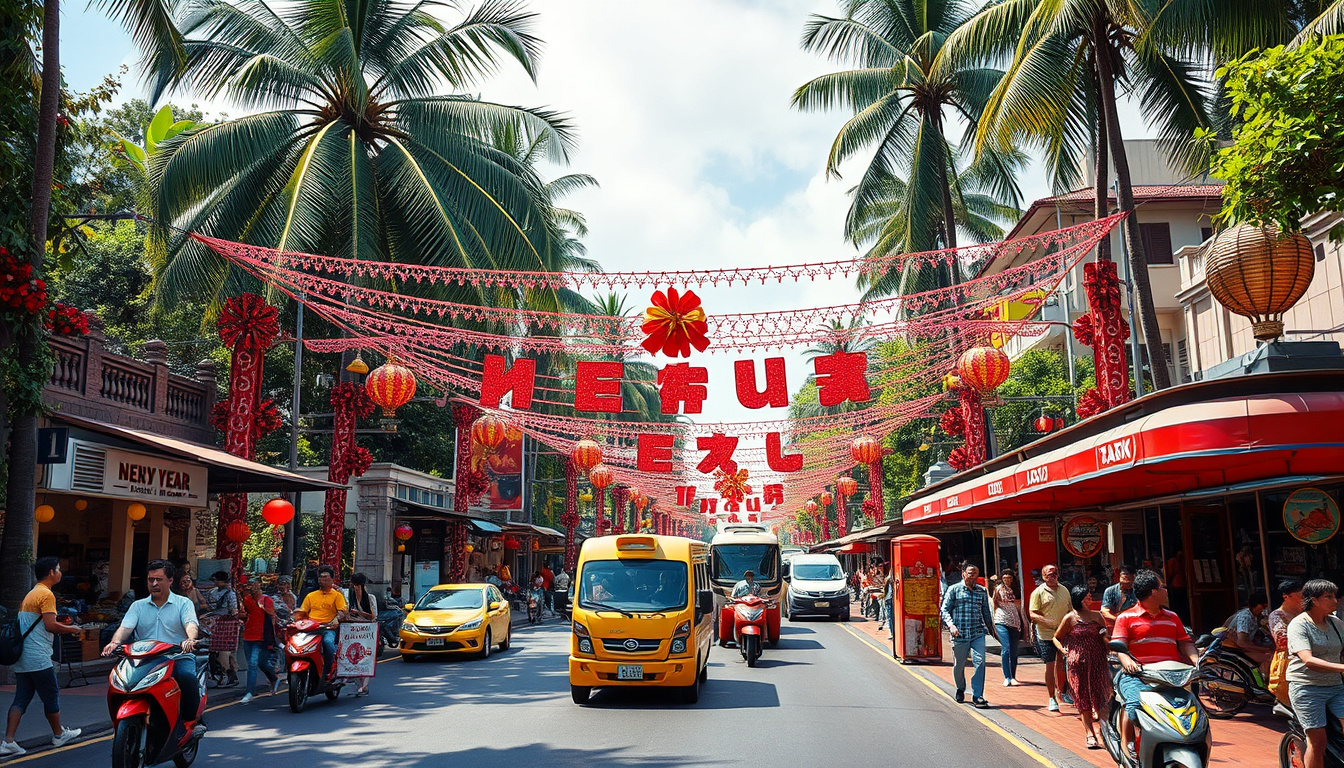
Tourism in Bali has surged in recent years—from 3.8 million visitors in 2014 to 6.3 million in 2024—and the island is projected to welcome over seven million tourists this year alone. This rapid increase has strained local infrastructure, contributing to issues like severe traffic congestion, environmental degradation, and a rise in construction projects that threaten the island’s natural landscapes.
In September 2025, the island suffered rare and deadly floods which officials attributed in part to poor waste management and rampant urban development. In response, the local government announced a plan to limit new construction projects, but many believe these measures are insufficient to address the underlying challenges.
Cultural Richness Versus Commercial Tourism
Historically, Bali has been renowned for its unique Hindu culture and spiritual traditions, with long-standing reverence for nature and sacred sites. Travel writer Gisela Williams notes that this cultural heritage shaped Bali’s image as an idyllic utopia. However, modern tourism trends have shifted the focus towards beach clubs, luxury villas, and nightlife, creating a more superficial and commercialized visitor experience.
Local influencers like Hollie Marie warn tourists about relying solely on Instagram for information, urging them to explore beyond the popular hotspots to discover Bali’s rich culture and quieter natural beauty. Areas away from the bustling south, such as the northern forests around Ubud and the quieter beaches of Pererenan, still offer authentic experiences of the island’s heritage and environment.
Local Voices and the Impact of Tourism
Many Balinese residents view the tourism boom with mixed feelings. I Made Vikannanda, a local researcher and environmental advocate, emphasizes tourists’ role in the overcrowding and environmental stresses they complain about, likening the situation to being both the cause and victim of the traffic jams and pollution.
For 22-year-old Ni Kadek Sintya, a local working in tourism, the transformation of places like Canggu from quiet villages into congested tourist hubs evokes sadness. Where she once rode through peaceful paddy fields, she now encounters traffic jams and construction, witnessing her island change "eroded day by day."
Despite the challenges, locals continue to rely heavily on tourism for their livelihoods and face a complex dilemma: balancing economic dependence on visitors with the need to protect the island’s environment and culture.
Rising Tensions and Calls for Change
Tourist misbehavior, including reckless scooter riding, disrespect at sacred sites, and incidents involving intoxication, has drawn criticism from the community and authorities alike. Additionally, a recent influx of Russians and Ukrainians seeking refuge due to ongoing conflicts has introduced new complications, with reports of some individuals engaging in criminal activity.
Social media has become a platform for locals to call out misbehaving tourists while also striving to uphold Bali’s reputation for hospitality. Ni Kadek Sintya captures the paradox many residents face: "A lot of tourists think because they’re the ones with money to spend on our island, we locals should be OK with whatever they do… It can feel like I’m being trapped because we live on tourism. So if we stop tourism, what will we survive on?"
Looking Ahead
Though challenging, Bali’s situation is not without hope. Researchers and community leaders argue that sustainable development and environmental harmony can still be achieved with the right policies and public cooperation. The island’s future will depend on balancing tourism growth with the preservation of its cultural identity and natural beauty—a task that requires commitment from both visitors and locals alike.
As Bali continues to evolve, it serves as a cautionary tale of how paradise can be undermined by the very popularity that brings it to the world’s attention. Those planning a visit might do well to look beyond the glossy photos and engage deeply with the island’s complex realities.



Add a comment