




Bali, Indonesia Sees Record Surge in Tourism Despite Health Warnings
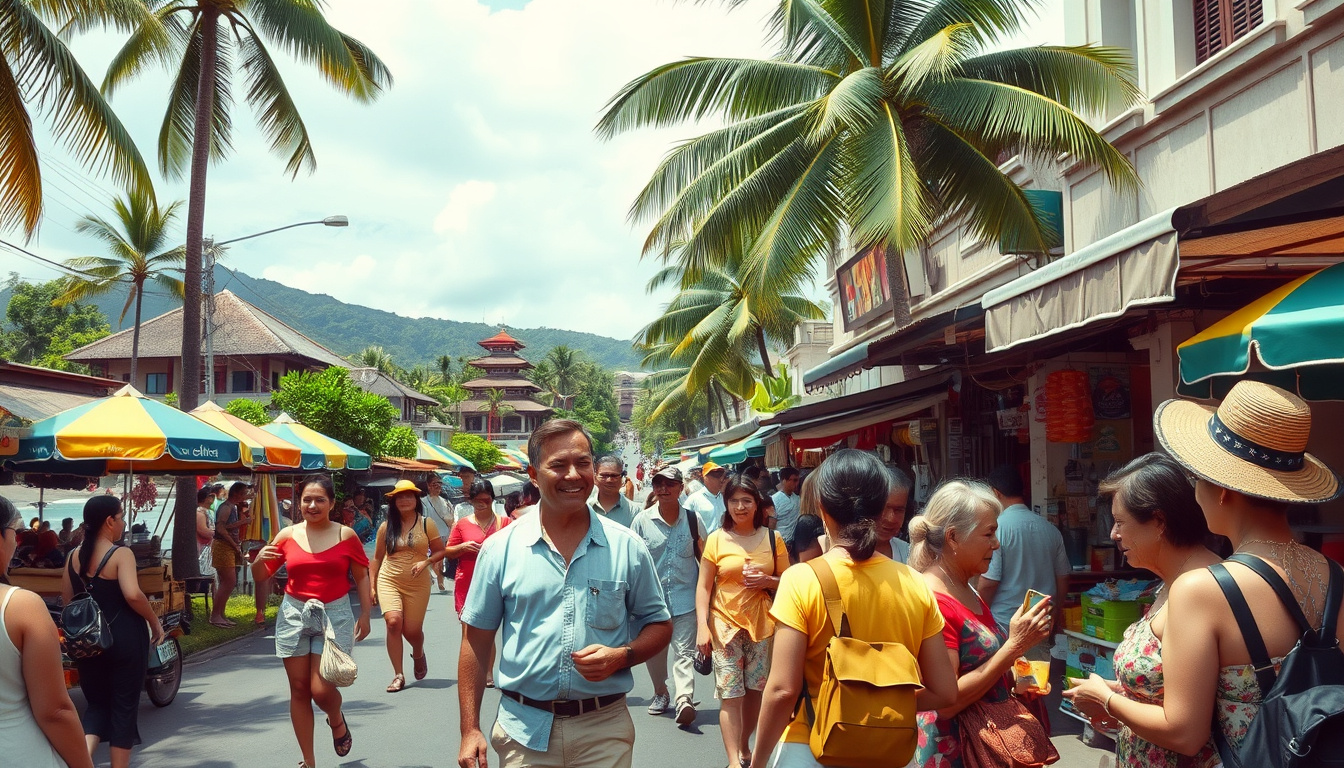
Bali, Indonesia — Indonesia’s renowned island of Bali has welcomed over six million international visitors in the past year, reflecting a significant rebound in global tourism. This increase has occurred despite ongoing travel advisories concerning safety risks related to volcanic activity and concerns over counterfeit alcohol. The island’s intoxicating mix of stunning landscapes, vibrant culture, and spiritual retreats continues to draw travelers from around the world, solidifying its status as a premier global destination.
A Tourism Phenomenon Amidst Caution
Official statistics reveal that Bali saw approximately 6.3 million tourists during the previous year, surpassing pre-pandemic levels. This surge in visitors highlights not only Bali’s enduring appeal but also a broader recovery in tourism across Southeast Asia as travelers seek tropical escapes that combine both relaxation and adventure.
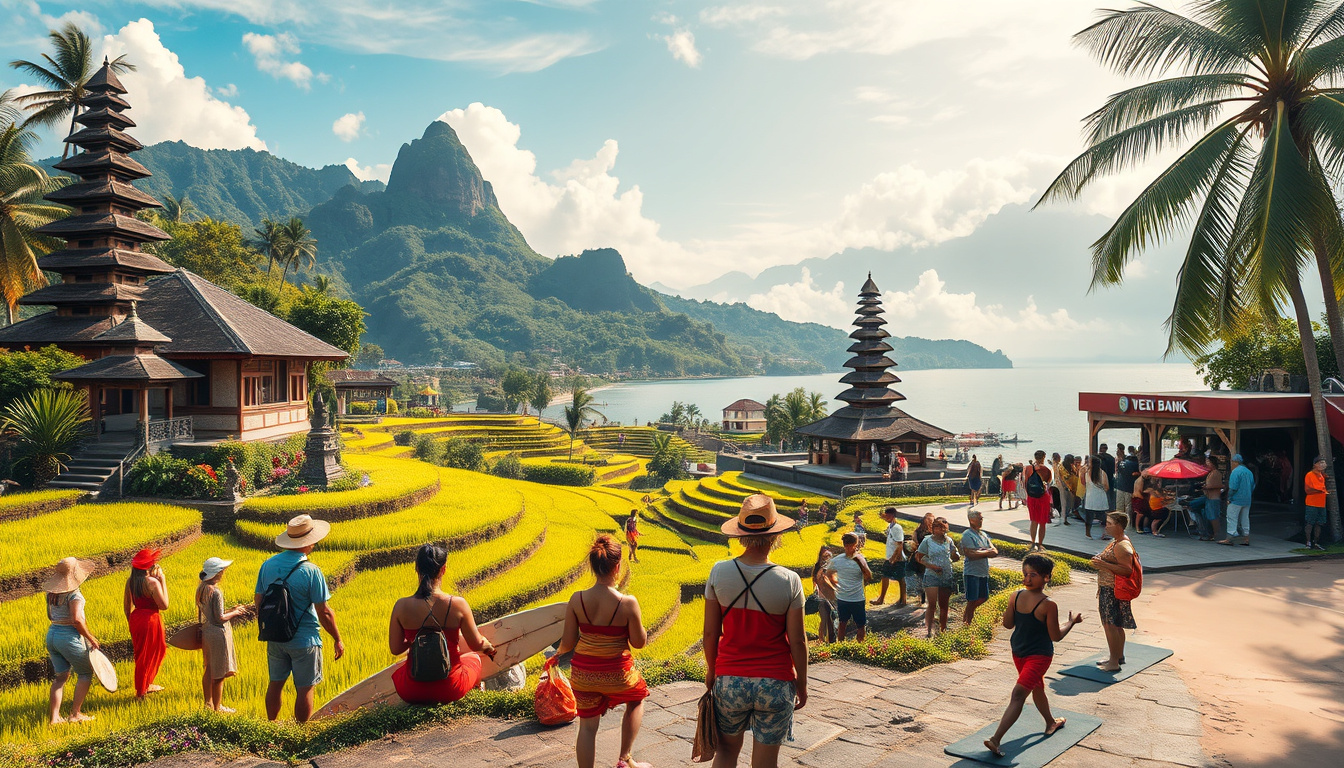
Bali is celebrated for its white-sand beaches, lively nightlife, and serene environment. Popular areas such as Uluwatu, Seminyak, and Ubud serve as beacons for various types of tourists, from luxury seekers to backpackers. The island effortlessly balances modern attractions with its rich cultural heritage and spiritual experiences, keeping the allure strong in a fast-evolving travel landscape.
Safety Warnings and Travel Advisories
While Bali has remained free from active travel restrictions, authorities have been issuing warnings concerning safety conditions in other parts of Indonesia. The United Kingdom’s Foreign, Commonwealth & Development Office (FCDO) has cautioned against travel to specific volcanic zones, including Mount Sinabung and Mount Semeru, where volcanic activity poses potential hazards. Though these sites are located on separate islands, the broader advisories serve as a reminder of Indonesia’s geological volatility, prompting travelers to remain vigilant.
In addition to volcanic risks, the FCDO has raised concerns regarding methanol poisoning linked to locally produced or counterfeit alcoholic beverages. Tourists are advised to exercise caution, especially in local bars or when purchasing liquor from lesser-known shops. To mitigate risks, it is strongly recommended that travelers buy alcohol only from licensed establishments and ensure that labels are intact and clearly marked.
Balancing Popularity with Responsibility
Despite these health warnings, Bali’s popularity continues to grow, buoyed by extensive social media exposure and increased flight connections from key markets. The island is increasingly seen as a "dream escape" for diverse visitors, including digital nomads and wellness enthusiasts seeking tranquility away from their daily routines.
The Indonesian government has played a pivotal role in revitalizing Bali’s tourism sector through infrastructure investment and initiatives aimed at promoting responsible tourism. Local businesses are also adapting to the rising number of visitors by encouraging respect for cultural norms and environmental practices, emphasizing the importance of mindful tourism that honors Bali’s rich traditions.
Officials and tourism experts have called for visitors to embrace a more sustainable approach to travel, which includes adhering to local customs and environmental guidelines. Initiatives encouraging modest attire in sacred spaces and the promotion of eco-friendly tours aim to protect Bali’s charm while ensuring it remains a desirable destination for future generations.
Looking Forward
With no specific travel restrictions currently imposed on Bali, the island’s doors remain open to international tourists eager to explore its beauty. However, travel experts remind everyone to stay informed about local conditions and advisories before embarking on their journeys.
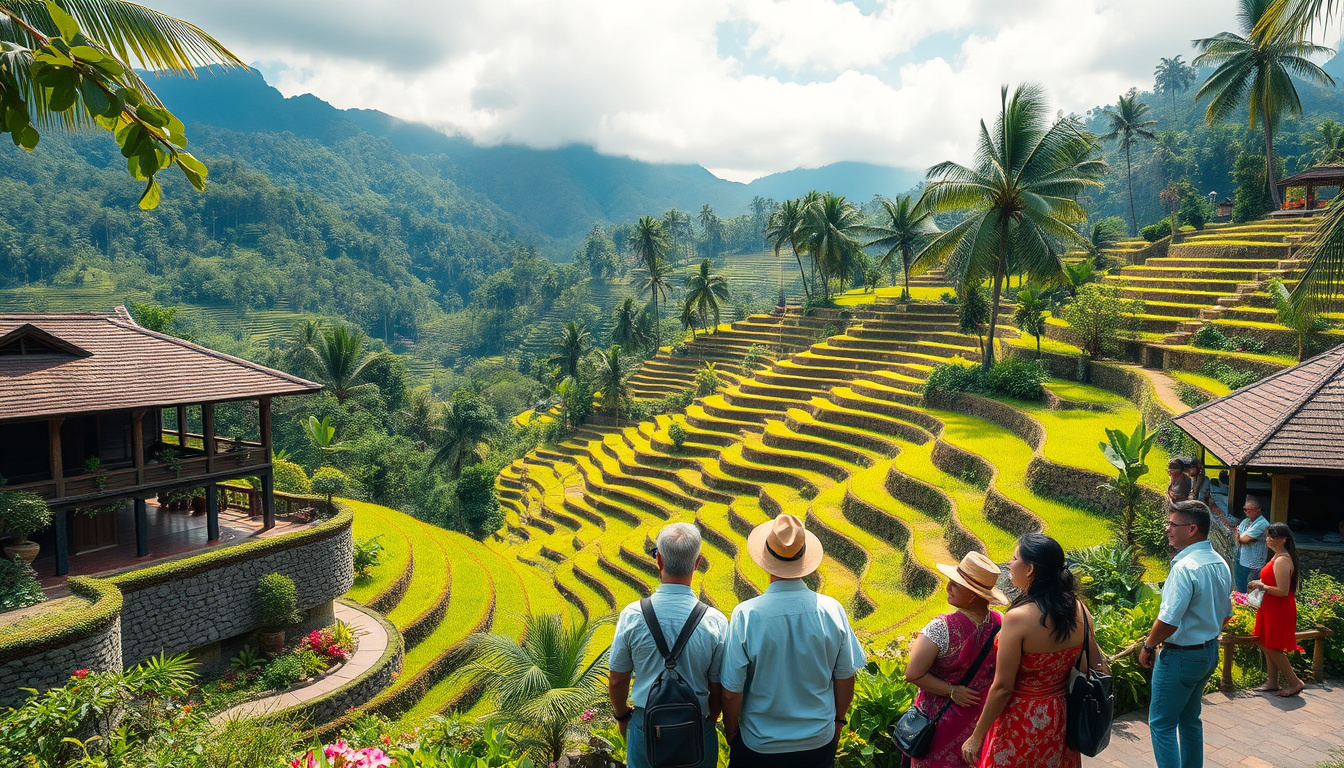
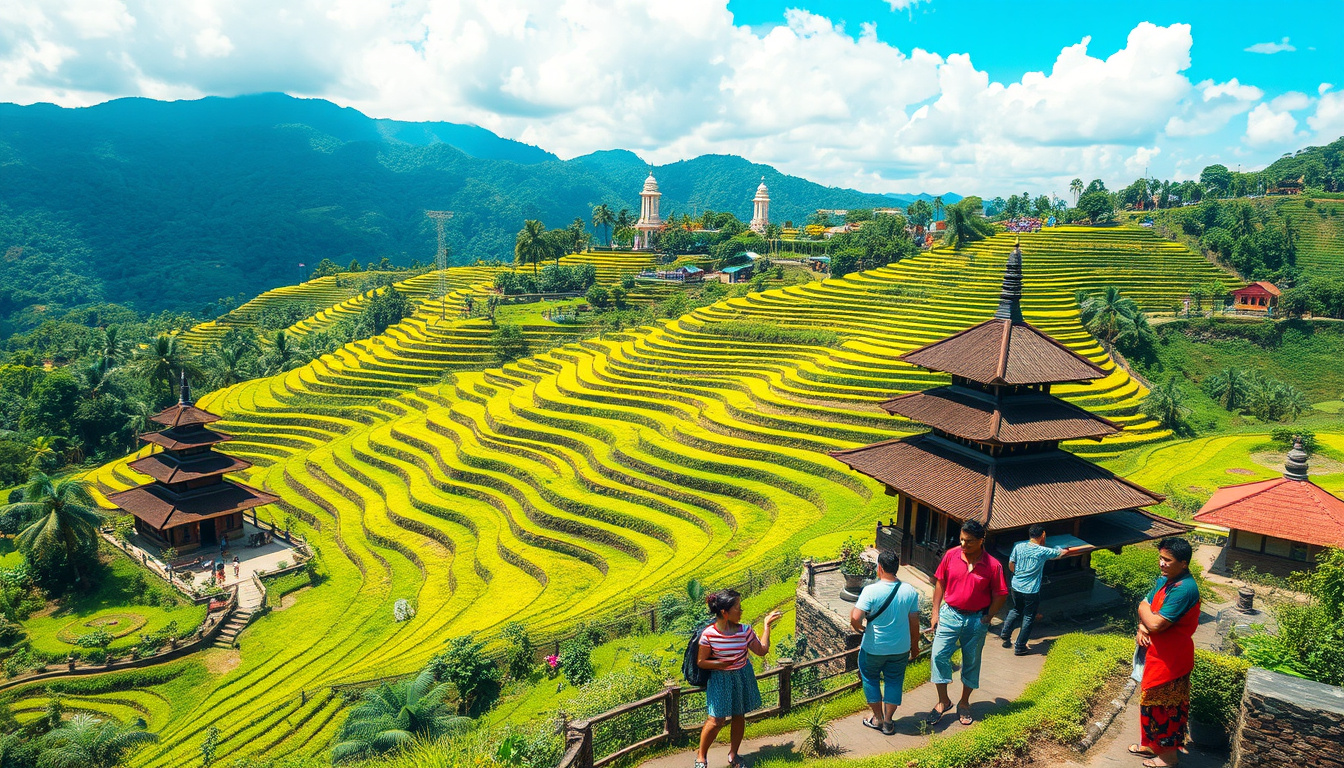
Bali’s success in attracting millions of global visitors despite health warnings illustrates its undeniable charm and the resilience of Indonesia’s tourism industry. As travelers explore highlights such as the sun sets over Jimbaran Beach or the peaceful rice terraces of Tegallalang, they are also reminded of their duty to travel responsibly, ensuring the island’s magic can be experienced for years to come.



Add a comment